Preserving wildlife through taxidermy is a fascinating practice, but navigating the legal landscape surrounding it requires careful attention. From understanding permits and licenses to respecting endangered species laws, the regulations governing taxidermy vary significantly across jurisdictions. This exploration delves into the key legal aspects of taxidermy, offering insights into both the permitted practices and the potential pitfalls to avoid.
This guide aims to clarify the complex web of rules and regulations surrounding taxidermy, providing a comprehensive overview of the legal frameworks in the United States and internationally. We will examine the types of animals legally permitted for taxidermy, the necessary permits and licenses, ethical considerations, and the penalties for violations. Understanding these aspects is crucial for ensuring both legal compliance and ethical conduct in the practice of taxidermy.
Legal Frameworks Governing Taxidermy
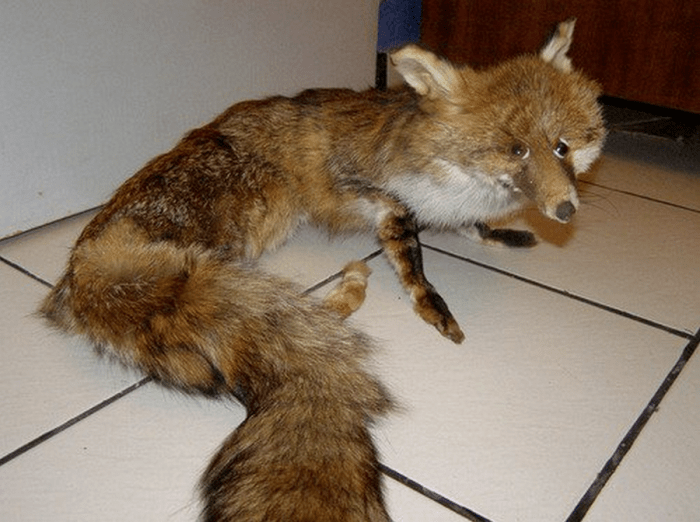
Taxidermy, the art of preserving animal skins, is subject to a complex web of regulations designed to protect wildlife and ensure ethical practices. Understanding these legal frameworks is crucial for both hobbyists and professionals. The regulations vary significantly depending on location, species involved, and the commercial nature of the activity.
State and Federal Taxidermy Regulations in the US
The United States employs a dual regulatory system for taxidermy, with both federal and state laws playing a significant role. Federal laws, primarily administered by the U.S. Fish and Wildlife Service (USFWS), focus on the protection of endangered and threatened species under the Endangered Species Act (ESA). This means that taxidermy involving these protected animals is strictly regulated, often requiring permits and adherence to specific handling and documentation protocols. State laws, on the other hand, tend to be more diverse, addressing issues like licensing for commercial taxidermists, permitted species for hunting and collection, and sanitation standards. Some states might have stricter regulations than others, reflecting regional variations in wildlife populations and conservation priorities. For instance, a state with a robust population of white-tailed deer might have more relaxed regulations on their taxidermy than a state with a dwindling population of a specific bird species. It’s essential for taxidermists to check both federal and state regulations relevant to their location and the specific animals they work with.
Comparative Analysis of Taxidermy Laws in Different Countries
Taxidermy regulations differ significantly across countries, reflecting varying wildlife conservation priorities and cultural attitudes.
| Country | Permitted Species | Licensing Requirements | Penalties for Violations |
|---|---|---|---|
| United States | Varies widely by state and federal regulations; endangered species are strictly protected. Hunting licenses and permits are often required for legally harvested animals. | Licenses required for commercial taxidermists; permits required for endangered species. Specific requirements vary by state. | Fines, license revocation, potential criminal charges, and confiscation of specimens. Penalties can be severe for violations involving endangered species. |
| Canada | Similar to the US, with federal and provincial regulations. Hunting licenses and permits are essential. Endangered species are heavily protected. | Provincial licensing for commercial taxidermists is common; federal permits may be needed for certain species. | Fines, license revocation, and potential criminal charges. Penalties for endangered species violations are substantial. |
| United Kingdom | Strict regulations on protected species; many species require specific licenses for possession, even after legal hunting. | Licenses are typically required for commercial taxidermy; specific permits might be needed for certain species. | Fines, license revocation, and potential prosecution under wildlife protection laws. |
Permits and Licenses for Commercial Taxidermy Operations
Commercial taxidermy operations typically require a business license, along with specific permits related to handling wildlife. These permits often vary depending on the state or country and the types of animals being processed. For example, a commercial taxidermist in the US might need a state license to operate, along with federal permits if they handle endangered or migratory birds. The application process often involves background checks, proof of insurance, and demonstration of appropriate facilities and sanitation practices. Failure to obtain and maintain the necessary permits can result in significant penalties.
Conflicts Between Taxidermy and Endangered Species Protection Laws
Taxidermy practices can directly conflict with endangered species protection laws when taxidermists handle protected animals without the necessary permits or if they engage in activities that harm or threaten these populations. For example, possessing or selling a taxidermied specimen of an endangered animal without the appropriate permits constitutes a serious violation. Similarly, using improper techniques during the taxidermy process that could damage or destroy rare specimens would be considered a violation. Furthermore, illegal hunting to procure animals for taxidermy directly threatens endangered species populations. The penalties for such violations are severe and can include hefty fines, imprisonment, and a permanent revocation of taxidermy licenses.
Permitted Species and Protected Animals
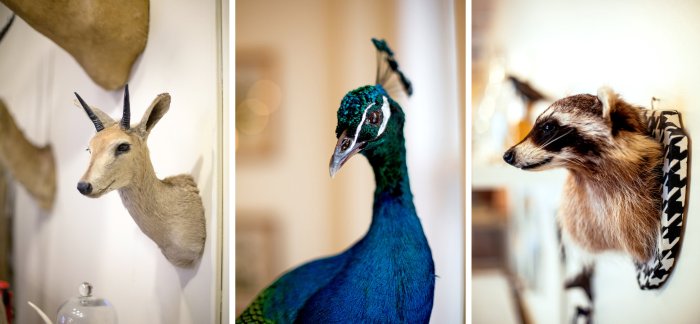
Understanding which animals can be legally taxidermied is crucial for compliance. This section clarifies the permitted species and the significant legal ramifications of handling protected animals. Regulations vary considerably depending on geographic location, so it’s vital to consult your local wildlife agencies for precise details.
The legal framework surrounding taxidermy often categorizes animals based on their conservation status and native range. Generally, taxidermy is permitted for animals legally harvested through hunting or other regulated means. However, severe penalties await those who violate regulations concerning endangered or threatened species.
Legally Permitted Species for Taxidermy
Many jurisdictions allow the taxidermy of animals legally hunted or trapped, provided all necessary permits and licenses are obtained. These often include common game animals like deer, waterfowl, and certain furbearers, subject to hunting season regulations and bag limits. The specific list varies widely; for instance, a state might permit the taxidermy of white-tailed deer but restrict the handling of certain types of birds or smaller mammals. Always check your local wildlife agency’s website or contact them directly for a complete list of permitted species and any associated requirements.
Legal Implications of Taxidermizing Endangered or Threatened Species
Taxidermy of endangered or threatened species is strictly prohibited under international and national laws, including the Convention on International Trade in Endangered Species of Wild Fauna and Flora (CITES). These laws aim to conserve biodiversity and prevent the extinction of vulnerable species. Violating these regulations carries severe penalties, including substantial fines and imprisonment.
- African Elephant: Possessing or trading ivory from an African elephant, even if the taxidermy was done before the species became endangered, is illegal in many countries.
- Tigers: Taxidermy of tigers is strictly forbidden due to their critically endangered status.
- Giant Pandas: Any trade or possession of parts, including taxidermied specimens, is illegal under international law.
- California Condor: This critically endangered bird is protected under the Endangered Species Act, making its taxidermy illegal in the United States.
Obtaining Permits for Taxidermy of Protected Animals
In rare circumstances, permits might be granted for the taxidermy of protected animals, usually for scientific research or educational purposes. The process typically involves a rigorous application procedure, demonstrating a legitimate need and adherence to strict guidelines. Applicants must usually provide detailed information about the animal’s origin, cause of death, and intended use of the taxidermied specimen. The granting of such permits is exceptionally rare and requires extensive documentation and justification.
Legal Restrictions: Native vs. Non-Native Species
| Characteristic | Native Species | Non-Native Species | Notes |
|---|---|---|---|
| Legal Restrictions | Stricter regulations, often requiring hunting licenses and permits; specific quotas and seasons may apply. | Regulations may be less stringent, but importation and possession permits may still be necessary. Invasive species might have specific eradication programs. | Regulations vary widely based on the specific species and jurisdiction. |
| Permitting Process | Usually involves obtaining hunting licenses and potentially additional permits depending on the species and location. | May require permits for importation and possession, even if the species is not endangered. | Proof of legal acquisition is often necessary. |
| Penalties for Violations | Significant fines and potential jail time, especially for endangered species. | Similar penalties apply, with additional considerations for illegal importation or introduction of invasive species. | Penalties vary significantly depending on the severity of the violation. |
| Examples | White-tailed deer (in many states), specific bird species (subject to hunting seasons). | Certain exotic birds or mammals (imported legally), potentially invasive species. | Always consult local wildlife agencies for species-specific regulations. |
Ethical and Responsible Taxidermy Practices
Ethical and responsible taxidermy goes beyond simply preserving an animal’s form; it encompasses a deep respect for the animal, adherence to all legal regulations, and a commitment to minimizing environmental impact. This section Artikels best practices to ensure your taxidermy work is both legally sound and ethically commendable. Responsible taxidermists understand that their actions have consequences, not only for the animal itself but also for the wider ecosystem.
Ethical taxidermy prioritizes animal welfare even in death. This means ensuring animals are handled with respect, their remains are treated with dignity, and the process itself minimizes any unnecessary harm or damage.
Best Practices Checklist for Ethical and Legal Taxidermy
This checklist provides a framework for ensuring ethical and legal taxidermy practices. Adherence to these guidelines demonstrates a commitment to responsible wildlife management and conservation.
- Obtain all necessary permits and licenses: Before acquiring any animal for taxidermy, ensure you have the legally required permits and licenses. This often involves contacting your local wildlife agencies.
- Source animals legally and ethically: Only acquire animals through legal and ethical channels. This excludes illegally hunted or poached animals, animals taken from protected areas without permission, or animals obtained through inhumane practices.
- Handle animals with respect: Treat the animal’s remains with dignity throughout the entire process. Avoid unnecessary damage or mishandling.
- Use sustainable and environmentally friendly materials: Opt for taxidermy materials that are environmentally friendly and minimize pollution. Consider the long-term effects of your choices.
- Properly dispose of waste materials: Dispose of waste materials responsibly, following all relevant environmental regulations. This includes proper disposal of chemicals and other byproducts.
- Maintain accurate records: Keep detailed and accurate records of all animals processed, including the source, date of acquisition, and disposal methods. This is crucial for legal compliance.
- Continuously improve your skills and knowledge: Stay updated on best practices, new techniques, and evolving regulations in the field of taxidermy.
Steps in Legally Acquiring and Preparing an Animal for Taxidermy
The legal acquisition and preparation of an animal for taxidermy is a multi-step process that requires careful attention to detail and adherence to all relevant regulations. Failure to comply with these steps can lead to legal penalties.
- Obtain necessary permits: Secure all required permits and licenses before acquiring the animal.
- Legally acquire the animal: Obtain the animal through legal means, such as hunting with a valid license, or from a licensed game farm.
- Properly field dress the animal: Follow proper field dressing techniques to prevent spoilage and maintain the integrity of the specimen.
- Transport the animal appropriately: Transport the animal to your workspace using methods that comply with all relevant regulations.
- Begin the taxidermy process: Begin the taxidermy process according to established techniques to preserve the animal’s form and appearance.
- Properly dispose of waste: Dispose of all waste materials in accordance with environmental regulations.
Documenting the Acquisition and Processing of an Animal for Taxidermy
Maintaining meticulous records is crucial for demonstrating legal compliance. This documentation should be readily available for inspection by wildlife authorities.
Documentation should include:
- Date of acquisition
- Source of the animal (e.g., hunting location, name of licensed breeder)
- Permit numbers
- Species identification
- Details of the taxidermy process used
- Date of completion
- Disposal method of waste materials
- Photographs of the animal before and after taxidermy (optional, but helpful).
Disposal of Animal Remains After Taxidermy
The legal requirements for disposing of animal remains after taxidermy differ from other methods of animal disposal. Understanding these differences is crucial for legal compliance.
After taxidermy, any remaining unusable parts are typically considered waste. Disposal methods will vary by location and regulations but may include incineration, burial in designated areas, or disposal through licensed waste management facilities. In contrast, disposing of whole animal carcasses may involve different regulations, often requiring specific methods depending on the species and potential disease risks.
Concluding Remarks

Successfully navigating the legal aspects of taxidermy requires a commitment to both legal compliance and ethical practices. By understanding the specific regulations in your jurisdiction, properly documenting procedures, and respecting endangered species protections, taxidermists can ensure their work aligns with the law and promotes responsible wildlife management. This guide serves as a starting point for a deeper exploration into the intricacies of taxidermy regulations, encouraging responsible and legal practices within this unique field.