Taxidermy, once solely a method of preservation, has undergone a remarkable transformation, evolving into a powerful medium for contemporary artistic expression. This exploration delves into three distinct modern interpretations, showcasing how artists are pushing boundaries, employing unconventional materials and techniques to create thought-provoking works. We will examine the ethical considerations inherent in using animal remains as art, and consider the role taxidermy plays in raising awareness about environmental issues and endangered species.
From surrealist reinterpretations of nature to hyperrealistic depictions of animals, modern taxidermy artists challenge traditional notions of both art and the natural world. This evolution isn’t merely aesthetic; it’s a complex interplay of artistic skill, ethical responsibility, and a profound engagement with the environment and its creatures.
Taxidermy’s Evolution into Contemporary Art
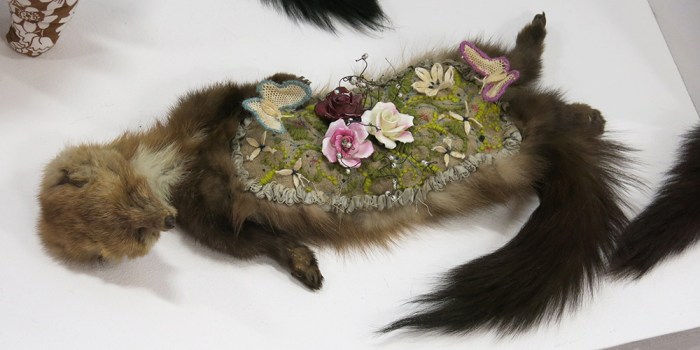
Taxidermy, once solely a method of preserving animal specimens for scientific study or hunting trophies, has undergone a remarkable transformation. Its evolution into a form of contemporary art reflects a shift in societal perspectives on nature, conservation, and artistic expression. Modern taxidermists are pushing boundaries, moving beyond simple representation to create thought-provoking and aesthetically stunning pieces that challenge traditional notions of the craft.
Taxidermy’s transition from preservation to art is a multifaceted process driven by both technological advancements and a growing appreciation for the artistry involved. Early taxidermy focused on meticulous anatomical accuracy, aiming for a lifelike representation of the animal. However, the limitations of traditional techniques – often resulting in stiff, unnatural poses – spurred innovation. The rise of contemporary art in the latter half of the 20th century provided a fertile ground for experimentation, leading to a fusion of taxidermy with sculpture, installation art, and other disciplines.
Unconventional Materials and Techniques in Modern Taxidermy
Modern taxidermists are increasingly incorporating unconventional materials and techniques into their work, blurring the lines between natural history and artistic expression. Instead of relying solely on traditional methods like stuffing and mounting, artists now utilize resins, mixed media, and found objects to create hybrid sculptures that incorporate taxidermied elements. For instance, an artist might combine a meticulously preserved bird with sculpted metal branches, creating a surreal and evocative piece that transcends the purely representational. Similarly, the use of glass, incorporating preserved specimens within transparent enclosures, creates an entirely new visual experience, allowing for the exploration of both form and decay. This contrasts sharply with the traditional focus on maintaining a pristine, lifelike appearance.
Comparison of Traditional and Contemporary Taxidermy Methods
Traditional taxidermy prioritizes anatomical accuracy and the preservation of the animal’s natural form. The process typically involves skinning the animal, preserving the hide, and mounting it onto an armature to recreate its pose. This method emphasizes realism and the accurate depiction of the animal’s physical attributes. Contemporary taxidermy, however, embraces a more expressive and artistic approach. Artists often manipulate the animal’s pose, incorporate other materials, and use techniques from other art forms to create pieces that are less about realism and more about conveying a specific concept or emotion. The focus shifts from accurate representation to artistic interpretation, making the animal a component within a broader artistic vision.
A Hypothetical Exhibition: The Evolution of Taxidermy as Art
An exhibition showcasing the evolution of taxidermy as art could trace its trajectory from purely scientific preservation to its current status as a recognized art form. The exhibition would be structured chronologically, highlighting key periods and artistic styles.
| Period | Artist/Movement | Technique | Description |
|---|---|---|---|
| Late 19th – Early 20th Century | Early Taxidermists (e.g., Carl Akeley) | Traditional stuffing and mounting | Focus on anatomical accuracy and lifelike representation. Often displayed in museums and natural history collections. |
| Mid-20th Century | Emerging artistic influences | Experimentation with poses and display methods | A shift towards more dynamic poses and artistic arrangement, moving away from purely scientific presentation. |
| Late 20th – Early 21st Century | Contemporary Taxidermy Artists (e.g., various contemporary artists working with taxidermy) | Mixed media, resin casting, unconventional materials | Incorporation of non-traditional materials, blurring the lines between taxidermy and sculpture, installation art, etc. Emphasis on artistic expression and conceptual themes. |
| Present | Emerging trends in sustainable and ethical taxidermy | Focus on ethically sourced specimens, innovative preservation techniques | Growing awareness of conservation and ethical considerations; exploration of new methods to minimize environmental impact. |
Exploring Different Artistic Styles in Modern Taxidermy
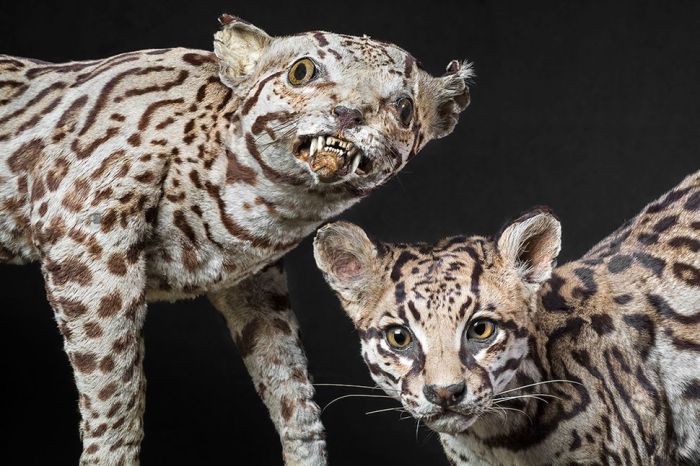
Modern taxidermy transcends its utilitarian origins, evolving into a vibrant art form that incorporates diverse artistic styles and techniques. Artists are pushing boundaries, employing innovative methods and materials to create compelling and thought-provoking works that challenge traditional notions of the medium. This exploration delves into the stylistic diversity within contemporary taxidermy, examining its relationship with established art movements and its capacity for large-scale installations and sculptural forms.
The integration of surrealism and hyperrealism exemplifies the breadth of artistic expression in modern taxidermy. Surrealism, with its emphasis on the juxtaposition of unexpected elements and dreamlike imagery, finds a natural home in the inherently unusual nature of taxidermied animals. Hyperrealism, conversely, focuses on meticulous detail and an almost photographic rendering of the subject, creating incredibly lifelike and sometimes unsettlingly realistic pieces. This contrast highlights the versatility of the medium and the diverse interpretations possible.
Surrealism and Hyperrealism in Contemporary Taxidermy
Surrealist taxidermy often involves the incorporation of unexpected elements into the presentation of the animal. Imagine a meticulously preserved fox, seemingly mid-leap, integrated into a fantastical landscape constructed from found objects and meticulously crafted miniature elements. This could involve incorporating clocks, antique keys, or other objects associated with the surrealist movement, creating a scene that is both bizarre and captivating. In contrast, hyperrealistic taxidermy aims for an almost flawless recreation of the animal’s natural appearance. Every detail, from the texture of the fur to the subtle nuances of the animal’s expression, is painstakingly recreated, resulting in a piece that is breathtaking in its realism. The contrast between these two approaches showcases the vast creative potential within the field.
Three Artistic Movements Influencing Modern Taxidermy
The evolution of taxidermy as an art form draws heavily from several established artistic movements.
Firstly, Surrealism, as mentioned previously, has a profound influence. Artists utilize unexpected combinations of animals and objects to create dreamlike or unsettling scenes that challenge viewers’ perceptions. Consider the work of a hypothetical artist who might combine a meticulously preserved bird with clockwork mechanisms, creating a piece that explores themes of time and mortality. The juxtaposition of the natural and the artificial creates a striking visual impact.
Secondly, Hyperrealism, with its intense focus on detail and realism, finds expression in taxidermy through the creation of incredibly lifelike animal mounts. Artists meticulously recreate every detail of the animal’s anatomy and texture, creating works that are both beautiful and unsettling in their realism. A hypothetical example might be a hyperrealistic taxidermy of a common house cat, so detailed that individual hairs are visible, capturing the subtle nuances of the animal’s fur and expression.
Thirdly, the influence of Contemporary Sculpture is undeniable. Many taxidermy artists utilize the medium to create larger-than-life installations and sculptures that push beyond the traditional limitations of animal mounts. This might involve the incorporation of other materials, such as metal, wood, or glass, to create complex and visually arresting works. A hypothetical example could be an artist creating a large-scale installation using numerous taxidermied birds arranged in a specific pattern to represent a constellation, combining the natural world with a celestial theme.
Characteristics of Artistic Styles in Modern Taxidermy
The following bullet points Artikel the key characteristics of each artistic style:
Understanding the unique characteristics of each style helps to appreciate the artistic diversity within modern taxidermy. The choice of materials and techniques directly reflects the artist’s intention and the overall aesthetic they aim to achieve.
- Surrealism: Characterized by unexpected juxtapositions, dreamlike imagery, and a focus on symbolic representation. Materials may include found objects, taxidermied animals, and various mixed media. Techniques involve careful arrangement and integration of disparate elements to create a cohesive, yet unsettling, narrative.
- Hyperrealism: Defined by its extreme realism and meticulous attention to detail. Materials typically include high-quality taxidermy supplies and potentially additional elements to enhance the realism. Techniques involve advanced taxidermy skills and a mastery of anatomical detail to create a lifelike representation.
- Contemporary Sculpture: Encompasses a wide range of styles and techniques, often incorporating taxidermy as one element within a larger sculptural work. Materials are highly variable and may include metal, wood, glass, resin, and taxidermied animals. Techniques involve a combination of sculptural and taxidermy skills to create complex and visually arresting installations or free-standing pieces.
Taxidermy in Installations and Sculptures
Taxidermy’s use extends far beyond simple animal mounts; it serves as a powerful medium for creating complex installations and sculptures. Artists use taxidermied animals to explore themes of nature, mortality, and the human relationship with the animal kingdom. For example, an artist might create a large-scale installation using dozens of taxidermied birds arranged to form a specific pattern, perhaps mimicking a constellation or a flock in flight. This transcends the simple act of preserving an animal, transforming it into a powerful statement about the natural world and our place within it. Another example might be a sculpture incorporating taxidermied animals alongside other materials, like metal or wood, to create a surreal or abstract representation of a specific idea or concept. These installations and sculptures often challenge viewers to engage with the art on a deeper level, prompting reflection on the relationship between art, nature, and human experience.
The Ethical and Conceptual Considerations of Taxidermy Art
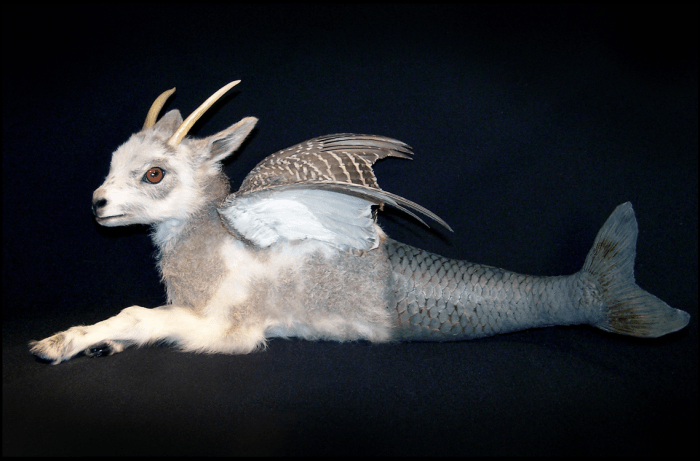
The burgeoning field of taxidermy art presents a complex ethical landscape, demanding careful consideration of its impact on animal welfare, conservation efforts, and the broader artistic discourse. The use of animal remains, even those sourced ethically, raises questions about our relationship with the natural world and the boundaries of artistic expression. This section will delve into these ethical and conceptual considerations, exploring the multifaceted perspectives surrounding this unique art form.
The ethical implications of using animal remains in art are significant and multifaceted. Concerns range from the potential for unethical sourcing practices, such as poaching or illegal wildlife trade, to the inherent question of whether using a deceased animal, regardless of its origin, constitutes a form of disrespect. Furthermore, the environmental impact of taxidermy, including the use of chemicals and the potential contribution to the demand for certain species, must be weighed against its artistic merit.
Ethical Sourcing and Animal Welfare
Ethical taxidermy relies heavily on responsible sourcing. The origin of the animal specimens used is paramount. Art created from animals obtained illegally undermines conservation efforts and fuels the black market. Conversely, utilizing animals that have died of natural causes or through euthanasia in veterinary care can minimize the negative ethical impact. Transparency regarding the animal’s origin is crucial for responsible practice, building trust and fostering a sense of accountability within the art community. This necessitates a robust system of documentation and verification to ensure the provenance of each specimen.
Taxidermy’s Role in Conservation Awareness
Paradoxically, taxidermy can play a positive role in raising awareness about endangered species and environmental issues. Lifelike taxidermy displays in museums and educational settings can powerfully illustrate the beauty and fragility of wildlife, fostering empathy and encouraging conservation efforts. By showcasing threatened species, taxidermy can serve as a poignant reminder of the consequences of habitat loss, climate change, and poaching. Artistic representations can highlight the urgency of conservation, far exceeding the impact of a simple photograph or infographic. For example, a realistic taxidermy piece of a critically endangered Sumatran rhino could be far more impactful than a photograph in raising public awareness and support for conservation initiatives.
Taxidermy and Found Object Art: A Comparison
Taxidermy shares common ground with other art forms utilizing found objects or natural materials, such as assemblage or land art. However, the use of animal remains introduces a unique ethical dimension absent in other media. While found object artists might utilize discarded materials, the ethical weight of using an animal’s body – even one that died naturally – is undeniably different. The artistic merit of taxidermy, therefore, must be evaluated alongside its ethical implications. A comparison between a sculpture crafted from driftwood and one created using a taxidermied bird highlights this difference: both use natural materials, but the latter carries a more significant ethical burden.
Hypothetical Panel Discussion: Ethical Perspectives on Taxidermy Art
A panel discussion on the ethics of taxidermy art would offer a diverse range of perspectives. The following Artikels potential arguments from key stakeholders:
- The Artist: Would argue for the artistic merit and expressive potential of taxidermy, emphasizing the skill involved and the ability to create lasting, evocative pieces that raise awareness or explore themes of mortality and nature. They might emphasize the ethical sourcing of their materials and the importance of transparency.
- The Conservationist: Would focus on the potential for taxidermy to promote conservation awareness, but would also stress the importance of strict regulations and ethical sourcing to prevent the exploitation of endangered species. They might advocate for the use of animals that have died naturally or through humane euthanasia, and for strict adherence to CITES regulations.
- The Animal Rights Activist: Would likely oppose the use of animal remains in art on the grounds of animal welfare and the inherent objectification of animals. They might argue that even ethically sourced animals are still being used as mere objects for artistic expression, and that alternative art forms should be explored.
Epilogue
The resurgence of taxidermy as a contemporary art form presents a compelling paradox: the delicate balance between artistic expression and ethical considerations. By examining diverse artistic styles and engaging with the ethical implications, we’ve seen how taxidermy can transcend its historical function, becoming a powerful medium for commentary on environmental issues and the human relationship with the natural world. The artistry, the controversy, and the enduring questions surrounding this practice ensure that taxidermy’s evolution as art will continue to fascinate and challenge us.