Building a strong network within the taxidermy community is crucial for professional growth and success. This guide offers three key strategies to help you connect with fellow taxidermists, learn from experienced professionals, and potentially collaborate on exciting projects. Whether you’re a seasoned artist or just starting, expanding your network can unlock new opportunities and enhance your craft.
We’ll explore the effective use of online forums and communities, the benefits of attending industry events, and the power of social media in fostering connections within the taxidermy world. Each strategy provides practical tips and examples to help you navigate these platforms and build meaningful relationships.
Online Forums and Communities
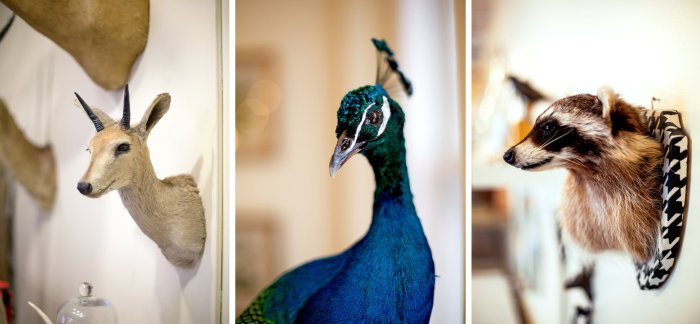
Online taxidermy forums offer invaluable opportunities for networking and professional development. Engaging effectively requires a strategic approach, focusing on building genuine relationships and contributing meaningfully to the community. By actively participating and sharing your expertise, you can establish yourself as a respected member and open doors to collaborations, mentorship, and new business opportunities.
Effective strategies for engaging in online taxidermy forums center around active participation and genuine interaction. Simply lurking won’t build connections. Instead, focus on providing helpful advice, sharing your own experiences, and engaging in respectful discussions. Avoid self-promotion; let your expertise shine through your contributions. Responding thoughtfully to others’ posts demonstrates genuine interest and fosters a sense of community.
Reputable Online Taxidermy Communities
Several online platforms serve as thriving hubs for taxidermists. Each offers unique features and benefits, catering to different interests and experience levels. Choosing the right platform depends on your specific goals and the type of interaction you seek.
- Taxidermy.net: This long-standing forum boasts a large and active community, offering diverse discussions on various taxidermy techniques, species, and business practices. Its extensive archives provide a wealth of information for both beginners and experienced professionals. Unique features include detailed tutorials and a dedicated section for showcasing finished work.
- The Taxidermy Forum: Known for its friendly and supportive atmosphere, this forum is particularly welcoming to newcomers. Members frequently share tips, advice, and resources, creating a collaborative learning environment. Its unique feature is a strong emphasis on ethical and sustainable taxidermy practices.
- Wildlife Taxidermy Supply: While primarily an online retailer, this website also features a forum section where customers and taxidermists can connect, discuss products, and share their experiences. Its unique feature is direct access to product support and advice from suppliers.
- Facebook Groups (Various): Numerous Facebook groups cater specifically to taxidermists, offering a more informal and readily accessible platform for networking. The unique aspect of Facebook groups is the potential for rapid information exchange and quick access to a broad range of perspectives.
- Reddit Subreddits (e.g., r/Taxidermy): Reddit offers a less structured but highly active community for taxidermy enthusiasts. Its unique feature is its dynamic and often fast-paced discussion style, fostering rapid idea exchange and collaborative problem-solving.
Successful Networking Strategies in Online Taxidermy Forums
Successful networking within online taxidermy communities often involves a proactive approach, demonstrating expertise and building trust.
- Offering Expert Advice: Providing insightful and helpful responses to others’ questions establishes you as a knowledgeable and reliable resource. For example, a member struggling with a difficult bird mount could receive detailed guidance on proper skinning techniques, leading to a positive interaction and potential future collaboration.
- Sharing Your Work and Processes: Posting high-quality photos of your work, along with detailed descriptions of your techniques, showcases your skills and encourages engagement. For example, sharing a time-lapse video of a deer mount creation could garner significant attention and admiration, potentially leading to commissions or mentorship opportunities.
- Participating in Collaborative Projects: Initiating or joining group projects fosters teamwork and strengthens professional bonds. For instance, organizing a collaborative project to mount a large animal, dividing tasks among several members, could lead to long-term professional relationships and shared expertise.
Sample Forum Post for Collaborative Project
Subject: Collaborative Project: Life-Size Mountain Lion Mount
Hello fellow taxidermists,
I’m reaching out to see if anyone would be interested in collaborating on a challenging and rewarding project: mounting a life-size mountain lion. I have secured a high-quality specimen and have experience with large mammal taxidermy, but I’m looking for additional skilled individuals to assist with specific aspects of the process. Ideally, I’d like to collaborate with someone experienced in pose creation and another skilled in painting and finishing. This project offers a unique opportunity to learn from each other and create an exceptional piece of taxidermy. If interested, please reply with your area of expertise and examples of your previous work.
Thank you,
[Your Name]
Attending Taxidermy Events and Workshops
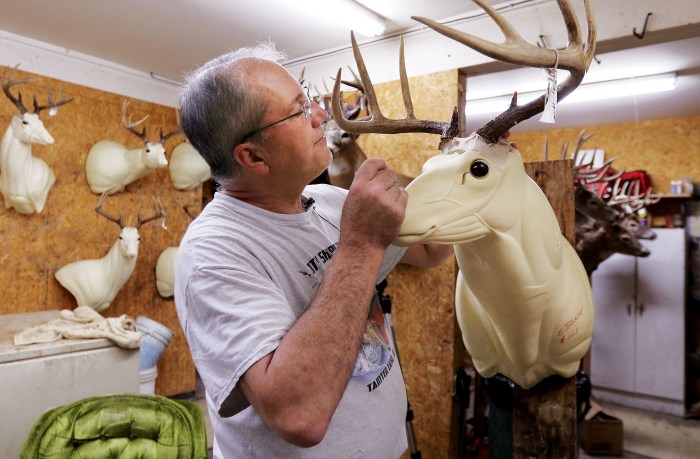
Networking is crucial for success in the taxidermy field, and attending events offers unparalleled opportunities to connect with fellow enthusiasts, experienced professionals, and potential clients. These events provide a concentrated environment for building relationships and expanding your professional network, far exceeding the possibilities offered by online interactions.
Attending taxidermy conventions and workshops offers numerous benefits for networking. These events bring together a large number of individuals with shared interests, providing a focused environment for building connections. Participants can learn from experienced professionals, share techniques, and discover new business opportunities. The informal atmosphere of many events encourages open communication and collaboration, leading to valuable relationships that can benefit your career in the long term. Moreover, workshops often provide hands-on learning opportunities, allowing you to demonstrate your skills and interact with instructors and peers in a practical setting.
Conversation Starters at Taxidermy Events
Effective conversation starters are essential for initiating meaningful interactions at taxidermy events. Choosing topics that demonstrate genuine interest and respect for others’ expertise will help foster positive connections.
- “I’ve been admiring your [specific piece of work/technique]. What materials did you use, and what challenges did you encounter?” This demonstrates appreciation for their skill and opens the conversation to a technical discussion.
- “What are some of the most rewarding aspects of your work in taxidermy?” This encourages the other person to share their passion and experience, revealing common ground and building rapport.
- “I’m looking to improve my skills in [specific area of taxidermy]. Do you have any recommendations for resources or techniques?” This shows you are actively seeking knowledge and positions the other person as a potential mentor or source of valuable information.
Networking Opportunities: Conventions vs. Workshops
Large-scale conventions and smaller, regional workshops offer distinct networking opportunities. Conventions generally attract a broader range of participants, including suppliers, artists, and collectors, alongside taxidermists of all skill levels. This diversity provides exposure to a wider professional network and access to a greater variety of products and services. However, the sheer size of these events can make it challenging to engage in in-depth conversations with individuals. Smaller workshops, conversely, foster a more intimate setting with focused learning and interaction. This allows for more personalized networking, leading to stronger relationships and potentially closer collaborations. The smaller scale can facilitate more meaningful discussions and mentorship opportunities.
Sample Taxidermy Event Itinerary
This itinerary prioritizes networking and engagement with professionals at a hypothetical three-day taxidermy convention.
| Time | Activity | Networking Focus |
|---|---|---|
| Day 1: 9:00 AM – 12:00 PM | Convention Registration & Vendor Hall Exploration | Introduce yourself to vendors, gather business cards, and observe the range of products and services. |
| Day 1: 12:00 PM – 1:00 PM | Lunch with a colleague or someone you met at registration. | Informal conversation to build rapport and exchange contact information. |
| Day 1: 1:00 PM – 4:00 PM | Attend workshops/demonstrations of interest. | Engage with instructors and other participants during breaks and Q&A sessions. |
| Day 1: 4:00 PM – 5:00 PM | Networking Reception | Actively engage in conversations, using prepared conversation starters. |
| Day 2: 9:00 AM – 12:00 PM | Attend seminars on advanced techniques. | Network with attendees during breaks and note-taking sessions. |
| Day 2: 12:00 PM – 1:00 PM | Lunch with a potential mentor or collaborator identified on Day 1. | In-depth discussion of shared interests and professional goals. |
| Day 2: 1:00 PM – 4:00 PM | Visit specific vendor booths for detailed discussions on supplies and equipment. | Develop relationships with key suppliers and explore potential partnerships. |
| Day 3: 9:00 AM – 12:00 PM | Attend a competition judging or exhibition. | Engage in discussions with judges and other competitors, exchanging feedback and insights. |
| Day 3: 12:00 PM – 1:00 PM | Final lunch with new contacts. | Exchange contact information and discuss future collaborations. |
Leveraging Social Media Platforms
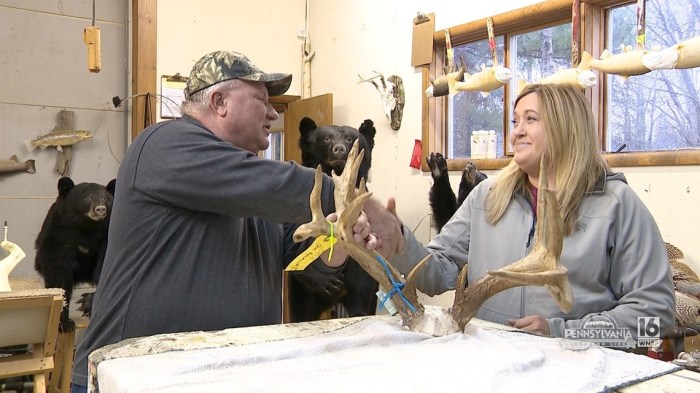
Social media offers taxidermists a powerful avenue for networking, showcasing their work, and attracting clients. However, success requires a strategic approach, understanding the nuances of each platform and creating engaging content. This section will explore how to effectively utilize social media to build your professional network and expand your business within the taxidermy community.
Effective use of social media requires understanding the strengths and weaknesses of different platforms. Instagram, for example, excels at visual storytelling, making it ideal for showcasing high-quality images and videos of your taxidermy work. Facebook, with its broader reach and group features, facilitates community engagement and allows for more detailed descriptions and client interaction. YouTube offers the opportunity to create tutorials, behind-the-scenes glimpses into your process, and even virtual tours of your studio. Each platform requires a slightly different approach to content creation and engagement.
Social Media Platform Advantages and Disadvantages
Instagram’s visual focus is a huge advantage for showcasing intricate details and the artistry of taxidermy. However, its algorithm can make organic reach challenging, necessitating the use of paid advertising for wider exposure. Facebook groups dedicated to taxidermy provide valuable networking opportunities, but can be time-consuming to manage and contribute to effectively. YouTube, while excellent for showcasing process videos, requires a significant time investment in creating high-quality video content and mastering video editing techniques. Choosing the right platform depends on your goals and available resources.
Examples of Compelling Social Media Content
Compelling content should showcase your skills, artistry, and personality. High-resolution images of your finished taxidermy pieces, displayed against aesthetically pleasing backgrounds, are essential. Short videos showcasing your techniques, such as a time-lapse of a mounting process or a close-up of detailed work, can also be very engaging. Behind-the-scenes glimpses of your workspace and interactions with clients humanize your brand and build trust. Consider using stories to highlight daily tasks, answer questions, or announce new projects. Remember to use a consistent brand aesthetic across all your platforms. For instance, a consistently styled image background across your Instagram feed enhances brand recognition and appeal.
Five Common Taxidermy Hashtags on Instagram
Hashtags are crucial for discoverability on Instagram. A well-chosen selection increases the visibility of your posts within the taxidermy community. Here are five commonly used hashtags: #taxidermy, #wildlifetaxidermy, #taxidermist, #europeanmount, #wildlifeart. Using a mix of broad and niche hashtags will maximize your reach.
Creating a Professional Social Media Profile
A professional social media profile should showcase your skills and build trust with potential clients. Use high-quality profile and cover images that showcase your best work. A concise and informative bio highlighting your specialization, experience, and contact information is essential. Maintain a consistent posting schedule to keep your audience engaged. Respond promptly to comments and messages to build relationships and address any concerns. Regularly showcase client testimonials to build credibility. Showcase your professional accreditation or awards to build confidence. Ensure your contact information is easily accessible.
Ultimate Conclusion
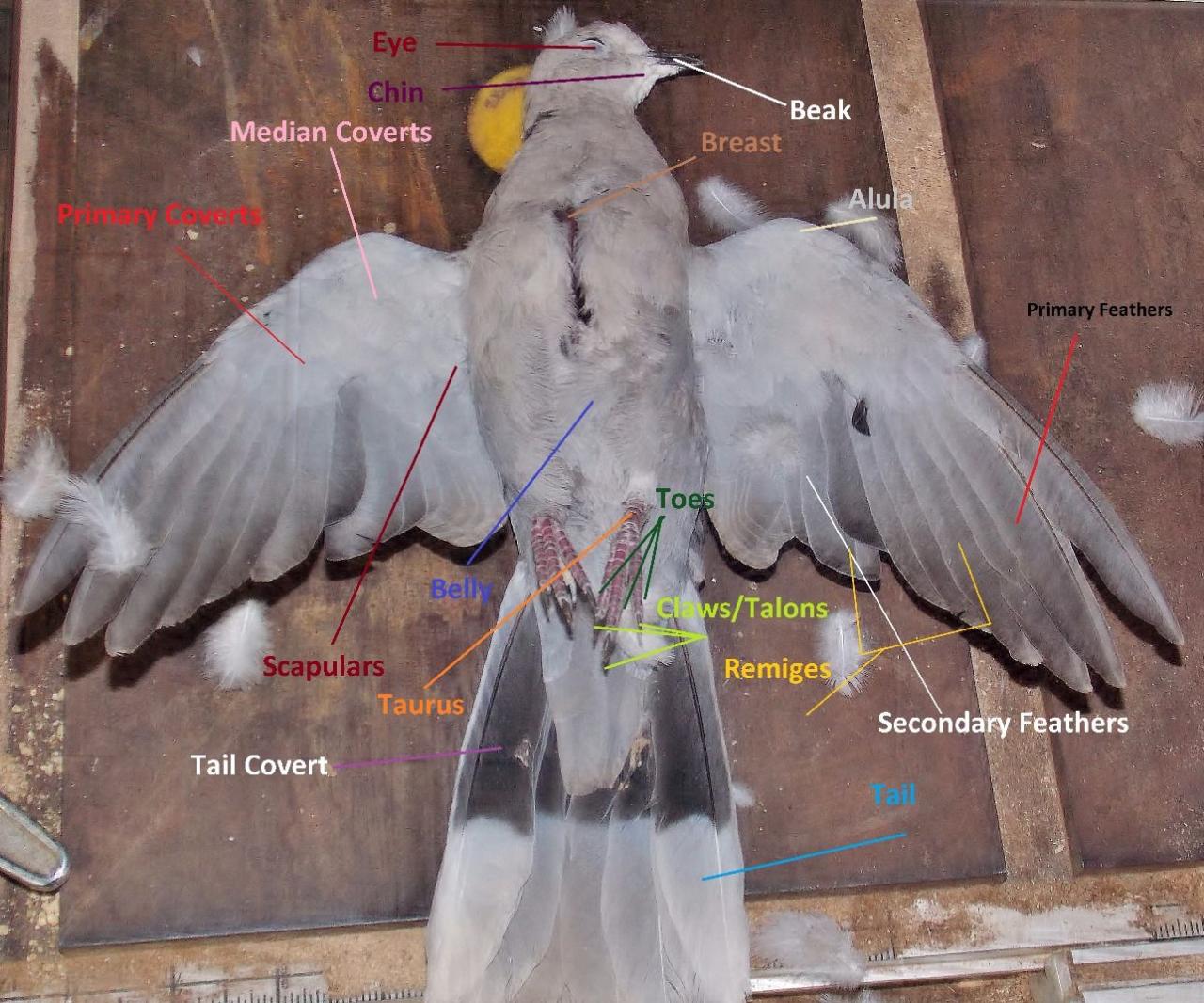
By actively engaging in online forums, attending taxidermy events, and leveraging social media strategically, you can significantly expand your professional network. Remember, building relationships takes time and effort, but the rewards – in terms of collaboration, knowledge sharing, and professional growth – are substantial. Embrace these networking opportunities to enrich your taxidermy journey and contribute to the thriving community of artists who share your passion.