The seemingly disparate fields of taxidermy and wildlife rehabilitation share surprising common ground. Both involve intimate knowledge of animal anatomy, handling techniques, and a deep respect for wildlife. This exploration delves into five key connections between these practices, examining ethical considerations, practical techniques, and the crucial role both play in education and public awareness surrounding wildlife conservation.
From the ethical responsibilities inherent in handling deceased versus injured animals to the surprisingly similar tools and techniques employed, we will uncover the unexpected synergies and potential conflicts between these two professions. We’ll also investigate how both contribute to educating the public about the importance of wildlife preservation and responsible interaction with the natural world.
Ethical Considerations in Handling Wildlife
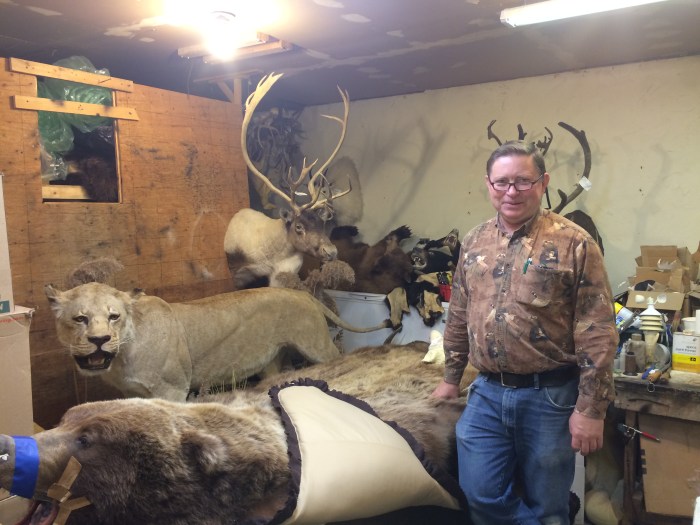
The intersection of taxidermy and wildlife rehabilitation presents a complex ethical landscape. Both fields involve handling wildlife, but their goals and practices differ significantly, leading to potential conflicts and requiring careful consideration of ethical responsibilities. Understanding these ethical nuances is crucial for ensuring the responsible and sustainable management of wildlife populations.
Ethical Responsibilities of Taxidermists and Wildlife Rehabilitators
Taxidermists and wildlife rehabilitators share the common goal of respecting wildlife, but their approaches diverge. Taxidermists aim to preserve the physical form of deceased animals, often for aesthetic or educational purposes. Their ethical responsibility lies in ensuring that the animals used are sourced legally and ethically, avoiding the exploitation of endangered or illegally hunted species. Rehabilitators, conversely, prioritize the health and survival of injured or orphaned wildlife, aiming to return them to their natural habitats. Their ethical duty is to provide the best possible care, adhering to strict protocols to minimize stress and ensure successful release. A key difference is the ultimate fate of the animal; taxidermy results in the permanent preservation of a deceased animal, while rehabilitation strives for the animal’s return to the wild.
Conflicts Between Taxidermy and Wildlife Conservation
Potential conflicts arise when taxidermy practices contradict wildlife conservation efforts. The use of illegally obtained animals for taxidermy directly undermines conservation initiatives. Furthermore, the demand for certain taxidermied specimens can incentivize poaching and illegal wildlife trade, threatening vulnerable populations. While taxidermy can contribute to education and appreciation for wildlife, it must be carefully regulated to prevent it from becoming a driver of wildlife exploitation. For example, the demand for specific exotic bird species can lead to unsustainable harvesting in their natural habitats, directly impacting their populations.
Importance of Permits and Regulations
Obtaining the necessary permits and adhering to all relevant regulations is paramount in both taxidermy and wildlife rehabilitation. These regulations are designed to protect wildlife populations and ensure ethical practices. Taxidermists must obtain permits to possess and work with specific animal species, often demonstrating proficiency and adhering to strict handling and disposal protocols. Wildlife rehabilitators must also secure licenses and permits, ensuring they meet the required standards of care and operate within legal frameworks. Failure to comply with these regulations can result in significant legal consequences and undermine the credibility of the profession. For instance, illegally operating a wildlife rehabilitation center can lead to the spread of disease and endanger both the animals in care and the wider ecosystem.
A Code of Ethics for Taxidermy and Wildlife Rehabilitation Professionals
A comprehensive code of ethics should encompass several key principles. These include: a commitment to legal and ethical sourcing of animals for taxidermy; adherence to strict hygiene and safety protocols to prevent the spread of disease; the provision of high-quality care for injured or orphaned wildlife; the commitment to successful rehabilitation and release; and transparent record-keeping and reporting practices. Furthermore, professionals should actively participate in educational initiatives to promote wildlife conservation and responsible practices. This code should be enforced through professional organizations and government agencies to maintain high standards and prevent unethical practices.
Ethical Standards Across Different Regions
| Region | Taxidermy Regulations | Wildlife Rehabilitation Standards | Enforcement Mechanisms |
|---|---|---|---|
| North America (e.g., USA) | Varied by state/province; permits required for certain species; regulated disposal of waste | Licenses and permits required; standards for care and release; regular inspections | State/provincial wildlife agencies; professional organizations |
| Europe (e.g., EU) | CITES regulations; strict controls on endangered species; traceability requirements | EU wildlife directives; national regulations; emphasis on natural habitat restoration | National wildlife agencies; EU commission; environmental protection organizations |
| Africa (e.g., South Africa) | Strict controls on hunting trophies; permits required; sustainable utilization practices | Focus on native species conservation; community involvement; anti-poaching efforts | National parks and wildlife services; anti-poaching units; international collaborations |
| Australia | Permits required; strict biosecurity measures; focus on native species protection | Emphasis on native fauna rehabilitation; strict quarantine protocols; research-based practices | State/territory wildlife agencies; national environmental protection laws |
Specimen Preparation and Rehabilitation Techniques
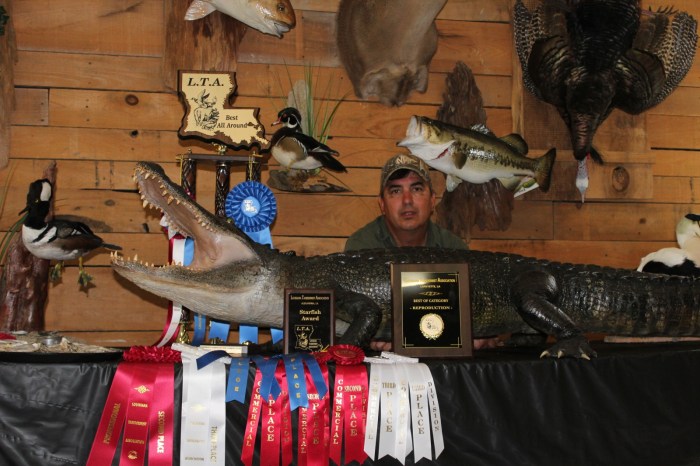
Taxidermy and wildlife rehabilitation, while seemingly disparate fields, share surprising common ground in their meticulous approach to handling animal remains and living creatures. Both require a deep understanding of animal anatomy, specialized tools, and a commitment to ethical practices. This section will delve into the specific techniques employed in each field, highlighting their similarities and differences.
The core difference lies in the ultimate goal: taxidermy aims to create a lifelike representation of a deceased animal, while rehabilitation focuses on restoring an injured animal to health and returning it to its natural habitat. However, both processes demand a precise understanding of the animal’s structure and physiology. This knowledge guides the careful handling of tissues, bones, and organs, ensuring the preservation of the specimen’s integrity in taxidermy and the promotion of healing in rehabilitation.
Comparison of Taxidermy and Rehabilitation Techniques
Preparing a deceased animal for taxidermy involves meticulous steps to preserve its form and appearance. This often includes skinning, fleshing, and tanning the hide, followed by mounting it onto a form that replicates the animal’s natural posture. In contrast, rehabilitating an injured animal prioritizes its immediate well-being. This involves stabilizing injuries, providing appropriate care (such as wound cleaning, medication, and supportive therapy), and monitoring the animal’s progress towards recovery. Both processes necessitate gentleness and precision to avoid causing further damage.
The Crucial Role of Animal Anatomy
A thorough understanding of animal anatomy is paramount in both taxidermy and wildlife rehabilitation. In taxidermy, precise knowledge of muscle structure, bone placement, and skin tension is essential for creating a realistic pose and minimizing distortions. For instance, accurate placement of the eye muscles is critical for achieving a natural gaze. In rehabilitation, anatomical knowledge allows for accurate diagnosis of injuries, effective treatment planning, and monitoring of healing progress. For example, understanding the intricate structure of a bird’s wing is crucial for successful repair of a fracture.
Tools and Materials: Similarities and Differences
While some tools and materials overlap between taxidermy and wildlife rehabilitation, their applications differ significantly. Both fields utilize scalpels, forceps, and needles, but a taxidermist uses these for skinning and stitching, while a rehabilitator uses them for wound cleaning, suturing, and administering medication. Similarly, both might use disinfectants, but their application is focused on preserving the specimen in taxidermy and preventing infection in rehabilitation. Taxidermists utilize tanning solutions and mounting forms, while rehabilitators might use splints, casts, and specialized enclosures.
Preparing a Small Mammal: Taxidermy and Release
The following Artikels the steps involved in preparing a small mammal (e.g., a squirrel) for either taxidermy or release, assuming the animal is already deceased (taxidermy) or injured (rehabilitation):
- Assessment: Determine the animal’s condition. If deceased, assess its state of decomposition. If injured, assess the severity and type of injuries.
- Initial Handling: Handle the animal gently, using appropriate gloves. If injured, prioritize stabilization and pain management.
- Taxidermy (deceased): Skin the animal carefully, preserving the hide intact. Flesh the hide thoroughly, removing all muscle and fat tissue. Tan the hide using appropriate tanning solutions. Mount the prepared hide onto a form, replicating the animal’s natural posture.
- Rehabilitation (injured): Clean and disinfect wounds. Stabilize fractures or dislocations using splints or casts. Provide appropriate supportive care, including hydration, nutrition, and warmth. Monitor the animal’s vital signs closely.
- Final Steps: For taxidermy, finish the mounting process, adding details such as eyes and whiskers. For rehabilitation, once the animal is fully recovered, gradually acclimate it to its natural environment before release.
Educational and Public Awareness Roles
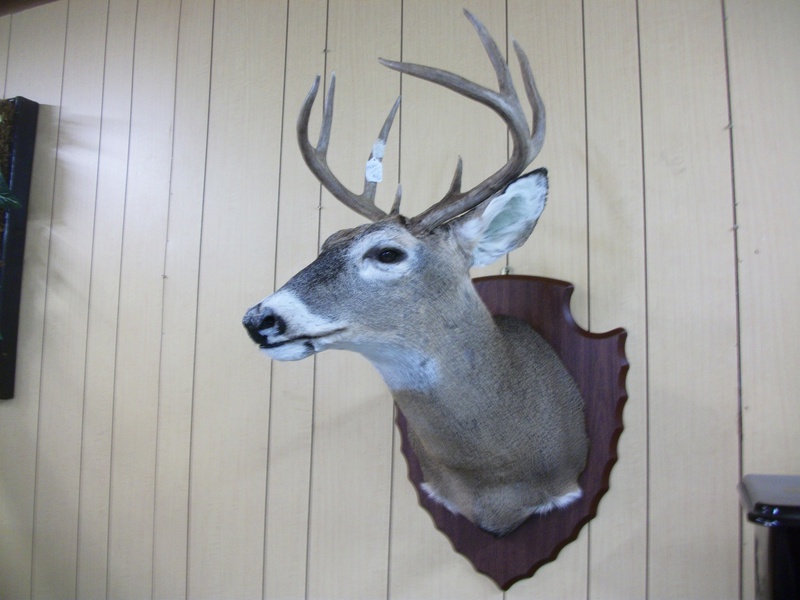
Taxidermy and wildlife rehabilitation, while seemingly disparate fields, offer powerful synergistic opportunities for public education and conservation awareness. By strategically combining these disciplines, we can create engaging and impactful experiences that foster a deeper understanding and appreciation for wildlife. The careful presentation of taxidermied specimens, alongside information on rehabilitation efforts, provides a compelling narrative that connects the fragility of wildlife with the importance of conservation.
Taxidermy specimens can serve as invaluable educational tools within wildlife rehabilitation centers. These meticulously preserved animals offer a unique opportunity for close examination, allowing visitors to observe anatomical details and appreciate the intricacies of wildlife morphology that might otherwise go unseen. They provide a tangible link between the live animals under rehabilitation and the potential consequences of habitat loss, human-wildlife conflict, and other threats.
Utilizing Taxidermy Specimens for Education in Rehabilitation Centers
Well-prepared taxidermy specimens can be used to illustrate the effects of injury or disease on wildlife, showing the impact of human activities or natural events. For example, a specimen showing the effects of lead poisoning in a bird of prey could serve as a powerful visual aid in explaining the dangers of lead ammunition to the public. Similarly, specimens displaying the results of entanglement in discarded fishing gear can effectively communicate the importance of responsible fishing practices. Educational signage accompanying the specimens should provide detailed information about the animal, its habitat, the cause of death, and relevant conservation messages.
The Role of Taxidermists in Wildlife Conservation Education
Taxidermists play a crucial role in educating the public about wildlife conservation by acting as knowledgeable ambassadors for the natural world. Their expertise in animal anatomy and preservation allows them to create accurate and aesthetically pleasing representations of wildlife. Through workshops, presentations, and museum exhibits, taxidermists can share their passion for wildlife and engage audiences in conversations about conservation challenges and solutions. They can also contribute to citizen science initiatives by identifying species, assisting with data collection, and helping to educate others about responsible wildlife observation and interaction.
Creating Engaging Displays Combining Taxidermy and Wildlife Rehabilitation Information
Effective displays require careful planning and execution. The arrangement of specimens should be visually appealing and informative, avoiding clutter. Interactive elements, such as touch screens providing detailed information on the animal and its habitat, can enhance engagement. The use of high-quality photography and illustrations can supplement the taxidermied specimens, offering additional visual information and emotional connection. For instance, a display featuring a rehabilitated bald eagle alongside a taxidermied specimen illustrating the effects of lead poisoning could powerfully demonstrate the success of rehabilitation efforts and the importance of conservation actions.
A Public Outreach Program Combining Taxidermy Demonstrations and Wildlife Rehabilitation Presentations
A successful public outreach program requires a well-structured plan to maximize engagement and educational impact. The program could incorporate a variety of activities, including live demonstrations of taxidermy techniques, presentations by wildlife rehabilitators, interactive exhibits, and opportunities for Q&A sessions with experts. The program should be tailored to the target audience, incorporating age-appropriate activities and information.
| Time | Activity | Presenter | Location |
|---|---|---|---|
| 9:00 AM – 10:00 AM | Wildlife Rehabilitation Presentation: Focus on Bald Eagles | Wildlife Rehabilitator, Dr. Emily Carter | Auditorium |
| 10:00 AM – 11:00 AM | Taxidermy Demonstration: Basic Techniques | Master Taxidermist, John Smith | Workshop Room |
| 11:00 AM – 12:00 PM | Interactive Exhibit: Meet the Animals (Live animals & educational panels) | Wildlife Rehabilitation Center Staff | Main Hall |
| 12:00 PM – 1:00 PM | Lunch Break & Networking | Cafeteria |
Outcome Summary
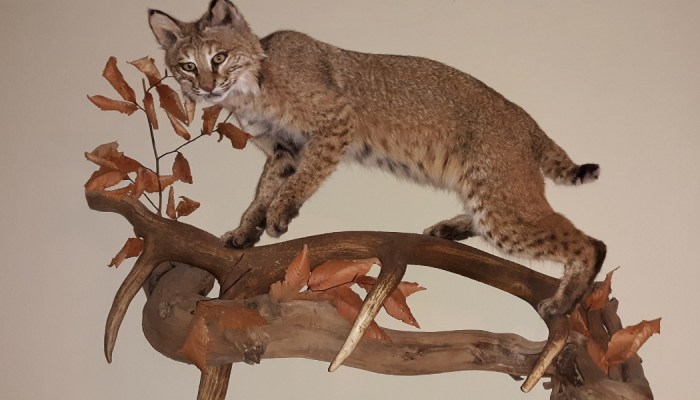
Ultimately, understanding the interplay between taxidermy and wildlife rehabilitation reveals a richer appreciation for the multifaceted relationship between humans and wildlife. By acknowledging both the ethical complexities and practical similarities, we can foster a more responsible and informed approach to wildlife conservation and education. The careful consideration of ethical practices, the shared expertise in animal anatomy, and the combined potential for public engagement highlight the importance of collaboration and responsible stewardship in these fields.