Preserving nature’s beauty through the art of taxidermy offers a unique and rewarding career path. More than just stuffing animals, taxidermy encompasses a diverse range of skills, from meticulous anatomical understanding to artistic flair and shrewd business acumen. This exploration delves into the various avenues available to those seeking a career in this specialized field, examining educational routes, niche markets, and the entrepreneurial aspects of building a successful taxidermy business.
From learning the intricate techniques of preserving different species to mastering the marketing strategies necessary to attract clients, this guide provides a comprehensive overview of the steps required to thrive in this fascinating industry. Whether you are a seasoned professional looking to expand your expertise or a budding enthusiast eager to embark on this unique career journey, this resource will equip you with the knowledge and insights necessary to navigate the world of taxidermy.
Educational Pathways & Training
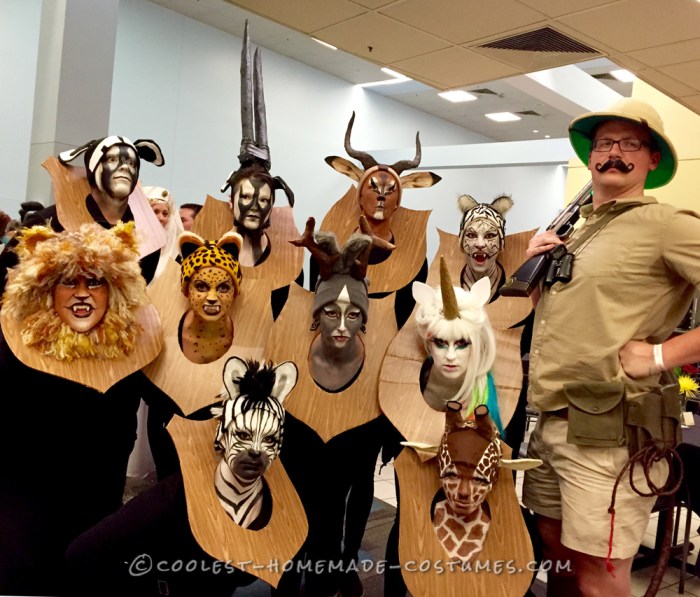
Aspiring taxidermists have several avenues for acquiring the necessary skills and knowledge to pursue this unique career. The path chosen will depend on individual learning styles, financial resources, and desired level of expertise. Formal training programs offer structured learning, while apprenticeships provide hands-on experience under the guidance of a master taxidermist.
Educational Routes for Taxidermists
Several educational pathways exist for those interested in becoming a taxidermist. These include apprenticeships, vocational schools, and online courses, each offering a unique learning experience. Apprenticeships provide immersive, hands-on training under the supervision of an experienced taxidermist. Vocational schools offer structured curricula covering various aspects of taxidermy, including anatomy, skinning techniques, and mounting methods. Online courses provide flexibility and accessibility, allowing students to learn at their own pace. However, they often lack the hands-on experience provided by apprenticeships and vocational schools.
Curriculum Comparison Across Training Methods
Apprenticeships typically involve a combination of shadowing, hands-on practice, and theoretical instruction. The curriculum is highly individualized, adapting to the apprentice’s progress and the mentor’s expertise. Vocational school curricula generally include anatomy and physiology of animals, skinning and fleshing techniques, tanning and preservation methods, mounting and posing techniques, eye and nose replacement, and finishing and display. Online courses vary greatly in content and quality but often cover similar topics, although hands-on practice is limited. They may offer videos, instructional materials, and sometimes access to online communities for support and feedback.
Advantages and Disadvantages of Training Methods
| Training Method | Advantages | Disadvantages |
|---|---|---|
| Apprenticeship | Hands-on learning, personalized instruction, direct mentorship. | Limited structure, dependent on mentor’s availability and teaching style, potential for inconsistent training quality. |
| Vocational School | Structured curriculum, access to equipment and supplies, networking opportunities. | Can be expensive, limited flexibility, less personalized attention. |
| Online Courses | Flexibility, affordability, accessibility. | Lack of hands-on experience, limited instructor interaction, variable quality of courses. |
Taxidermy School Comparison
| School Name | Location | Tuition (Approximate) | Program Length |
|---|---|---|---|
| (Example School 1) | (State, Country) | (USD Range) | (Weeks/Months) |
| (Example School 2) | (State, Country) | (USD Range) | (Weeks/Months) |
| (Example School 3) | (State, Country) | (USD Range) | (Weeks/Months) |
| (Example School 4) | (State, Country) | (USD Range) | (Weeks/Months) |
Note: Tuition costs and program lengths are subject to change. Contact schools directly for the most up-to-date information.
Continuing Education and Professional Development
Ongoing learning is crucial for taxidermists. New techniques, materials, and preservation methods constantly emerge. Participation in workshops, seminars, and conferences allows taxidermists to stay current with industry best practices and expand their skill sets. Membership in professional organizations also provides access to resources, networking opportunities, and continuing education opportunities. This commitment to ongoing professional development enhances the quality of work and ensures taxidermists remain competitive in the field.
Specialized Taxidermy Niches
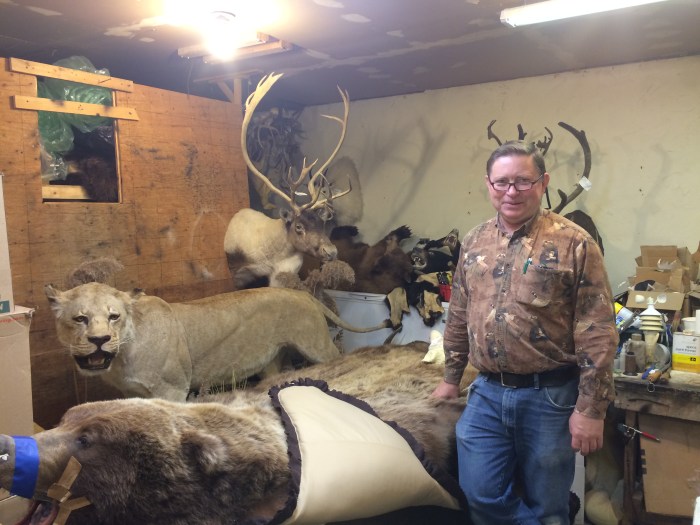
Taxidermy, while a broad field, offers diverse specialization opportunities, each requiring unique skills and promising varying market demands and earning potentials. Choosing a niche depends on individual interests, skillsets, and business acumen. The following sections detail five specialized areas within taxidermy, exploring their unique aspects and market dynamics.
Bird Taxidermy
Bird taxidermy demands meticulous attention to detail and a deep understanding of avian anatomy. Proper posing, feather manipulation, and eye placement are crucial for creating lifelike representations. Knowledge of different bird species, their unique characteristics, and appropriate display methods is essential. Market demand is relatively high, particularly for game birds and popular songbirds, leading to a potentially strong earning potential for skilled professionals who can meet the high standards expected by clients. Pricing often reflects the complexity of the species and the level of detail involved.
Fish Taxidermy
Fish taxidermy involves preserving fish specimens, often using techniques like replica mounting or freeze-drying. This niche requires a thorough understanding of fish anatomy, preservation methods, and sculpting skills for replica mounting. The ability to accurately recreate the fish’s natural coloration and texture is paramount. While demand is substantial, especially for trophy catches, competition can be relatively high. Earning potential is influenced by the size and type of fish, with larger, more exotic species commanding higher prices.
European Mounts
European mounts, which consist of cleaned and bleached skulls, are a popular choice for hunters and collectors. This niche requires expertise in skull cleaning, bleaching, and preservation techniques, along with an understanding of bone structure and proper handling to avoid damage. The market demand for European mounts is consistently strong, as they provide a cost-effective and aesthetically pleasing alternative to full-body taxidermy. Earning potential can be significant due to the relatively lower time investment compared to other taxidermy methods, allowing for higher volume work.
Mammal Taxidermy (Large Game)
Large game mammal taxidermy presents unique challenges due to the size and complexity of the animals involved. This requires advanced skills in skinning, fleshing, tanning, and mounting large specimens. A strong understanding of anatomy, musculature, and proper posing techniques is essential for creating lifelike and aesthetically pleasing mounts. The market for large game taxidermy is substantial, particularly in regions with active hunting communities. Earning potential can be high due to the high value of the specimens and the specialized skills required. However, the cost of materials and the time commitment are also significantly greater.
Reptile and Amphibian Taxidermy
Preserving reptiles and amphibians requires specialized knowledge of their delicate anatomy and unique preservation techniques. Careful handling is essential to avoid damage to the delicate skin and fragile structures. Market demand is growing, but remains niche compared to other areas. Earning potential can be moderate, with pricing often reflecting the rarity and complexity of the species. Successful practitioners often build a strong reputation through meticulous work and expertise in handling these often-overlooked creatures.
Marketing Strategy: European Mounts
A taxidermist specializing in European mounts could leverage several marketing strategies. A strong online presence through a professional website and social media platforms showcasing high-quality images of completed work is crucial. Partnering with hunting outfitters and guides to offer services directly to hunters is another effective approach. Participating in hunting and outdoor shows and events allows for direct interaction with potential clients and the opportunity to display finished products. Offering competitive pricing and guaranteed turnaround times can also attract clients. Focusing on high-quality craftsmanship and customer service will build a strong reputation and generate referrals, creating a sustainable business model.
Business & Entrepreneurial Aspects
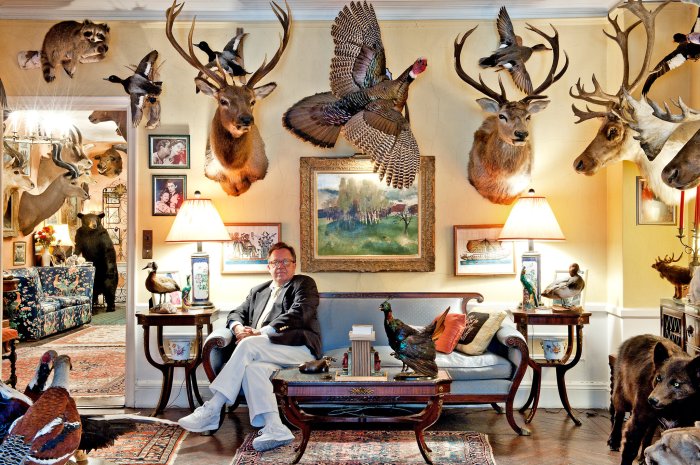
Launching a successful taxidermy business requires careful planning and execution, encompassing legal considerations, marketing strategies, and efficient workspace management. This section details the crucial steps involved in transforming your taxidermy skills into a thriving enterprise.
Starting a Taxidermy Business: A Step-by-Step Guide
Establishing a taxidermy business involves several key steps. First, conduct thorough market research to understand local demand and competition. Next, develop a comprehensive business plan outlining your services, pricing, target market, and financial projections. This plan will be invaluable when seeking funding or loans. Then, secure the necessary licenses and permits, which vary by location and may include business licenses, tax permits, and potentially specific permits related to handling wildlife. Obtain adequate liability insurance to protect your business from potential risks. Finally, create a dedicated workspace that meets safety regulations and provides ample space for your equipment and specimens.
Business Structures for Taxidermists
Choosing the right business structure is crucial for legal and financial reasons. A sole proprietorship is the simplest structure, where the business and owner are legally the same entity. This offers ease of setup but exposes personal assets to business liabilities. A partnership involves two or more individuals sharing ownership and responsibilities, pooling resources and expertise. A limited liability company (LLC) offers more protection by separating the owner’s personal assets from business liabilities, offering a balance between simplicity and liability protection. The choice depends on individual circumstances and risk tolerance. Consulting with a legal and financial professional is recommended to determine the best structure for your specific needs.
Marketing and Client Acquisition Strategies
Effective marketing is essential for attracting clients. Building a strong online presence through a professional website and social media platforms is crucial for showcasing your work and reaching potential customers. High-quality photographs of your finished pieces are vital. Networking with hunters, anglers, and other relevant groups through participation in trade shows, sporting events, and online forums can significantly expand your client base. Word-of-mouth referrals are also powerful; exceeding client expectations leads to positive reviews and recommendations. Consider offering specialized services or focusing on a niche market to differentiate yourself from competitors.
Essential Tools and Equipment
Investing in high-quality tools and equipment is crucial for producing professional-grade taxidermy work. The initial investment can be significant, but it’s an investment in the long-term success of your business. The following table provides a list of essential tools and estimated costs. Note that prices can vary depending on brand, quality, and retailer.
| Tool/Equipment | Description | Estimated Cost (USD) | Notes |
|---|---|---|---|
| Skinning Knives | Various sizes and styles for precise skinning. | $100 – $300 | Invest in high-quality, sharp blades. |
| Fleshing Tools | For removing excess fat and tissue from hides. | $50 – $150 | Consider both a beam and a flesher. |
| Tanning Supplies | Chemicals and equipment for preserving hides. | $200 – $500 | Costs depend on the tanning method chosen. |
| Mounting Forms | Mannequins for shaping and mounting animals. | $50 – $300+ per form | Costs vary widely depending on species and size. |
| Sewing Kit | Needles, thread, and other tools for stitching. | $50 – $100 | Invest in strong, durable thread. |
| Display Cases | For showcasing finished taxidermy pieces. | $100 – $1000+ | Costs depend on size and materials. |
| Workspace & Safety Equipment | Ventilation system, protective gear (gloves, mask), etc. | $500 – $2000+ | Essential for health and safety. |
End of Discussion
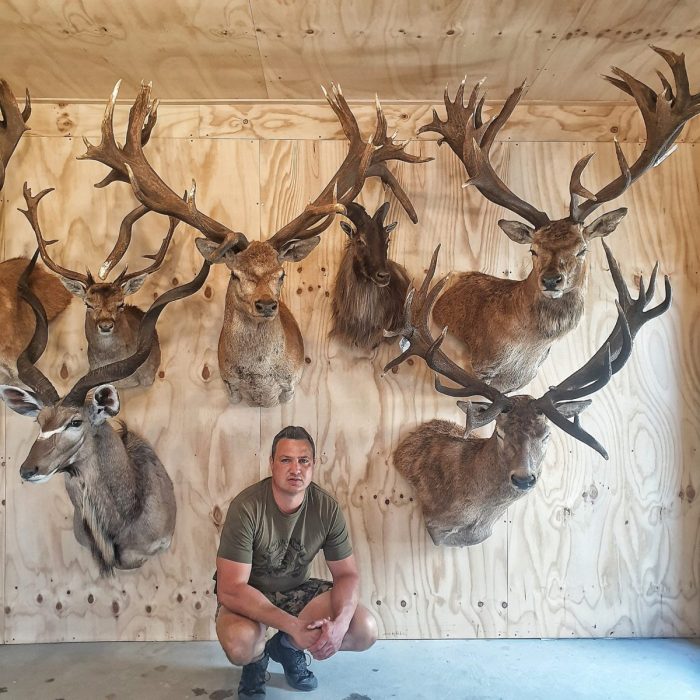
The path to becoming a successful taxidermist is multifaceted, requiring a blend of artistic talent, scientific knowledge, and business savvy. While the initial investment in education and equipment may seem significant, the potential rewards – both financial and personal – are substantial for those passionate about wildlife and skilled in the art of preservation. By carefully considering the various educational pathways, specializing in a niche market, and implementing effective business strategies, aspiring taxidermists can build thriving careers that celebrate the beauty and diversity of the natural world.