The practice of taxidermy, while often viewed as a purely artistic pursuit, carries significant ethical and environmental implications. This exploration delves into the complexities of responsible taxidermy, examining both its potential harms and its surprising role in wildlife conservation. We will uncover sustainable practices, explore effective public education strategies, and ultimately aim to foster a more conscious approach to this often-controversial craft.
By investigating the ethical sourcing of specimens, minimizing environmental impact through responsible chemical use and waste reduction, and leveraging taxidermy as a powerful educational tool, we can redefine its place within a broader context of environmental stewardship. This examination will offer a nuanced perspective, highlighting the need for responsible practices and showcasing the potential for positive contributions to conservation efforts.
The Ethical Dimensions of Taxidermy
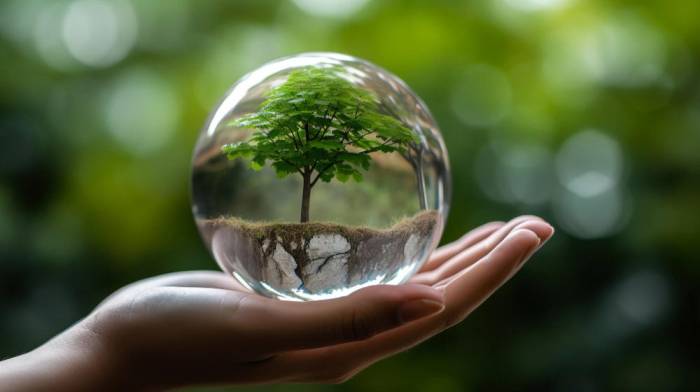
Taxidermy, the art of preserving animal bodies, presents a complex ethical landscape. While offering a means of appreciating wildlife and educating the public, it also raises concerns about animal welfare, conservation, and environmental impact. Understanding the ethical considerations surrounding taxidermy is crucial for ensuring its practice aligns with responsible environmental stewardship.
Arguments For and Against Taxidermy as a Sustainable Practice
The sustainability of taxidermy is a hotly debated topic. Proponents argue that using animals that have died naturally, such as roadkill or those found deceased by wildlife rehabilitators, can prevent waste and provide valuable educational specimens. Furthermore, taxidermied animals can serve as lasting reminders of the importance of conservation and biodiversity, inspiring future generations to protect wildlife. Conversely, critics argue that even using naturally deceased animals encourages the demand for hunting or collecting, potentially driving unsustainable practices. The possibility of misrepresenting the source of the animal – claiming a naturally deceased animal was ethically sourced when it wasn’t – further undermines the argument for sustainability. The environmental impact of the chemicals and processes involved in taxidermy also remains a significant concern.
Negative Impacts of Taxidermy on Wildlife Populations and Ecosystems
The negative impacts of taxidermy on wildlife populations and ecosystems are primarily linked to unethical sourcing. Poaching and illegal hunting, driven by the demand for taxidermied specimens, directly threaten vulnerable species and disrupt ecological balance. For example, the illegal trade in endangered birds’ feathers for decorative purposes directly impacts their populations and breeding cycles. The removal of animals from their natural habitats, even if they are already deceased, can indirectly impact ecosystem dynamics. A decrease in the number of naturally occurring scavengers can disrupt decomposition cycles and nutrient flow within an ecosystem. Furthermore, the use of unsustainable materials and processes in taxidermy can contribute to pollution and environmental degradation.
Ethical Taxidermy Practices Compared to Unethical Ones
Ethical taxidermy prioritizes responsible sourcing, ensuring animals are obtained legally and sustainably. This includes utilizing animals that have died naturally, working with wildlife rehabilitation centers, or sourcing from licensed hunters adhering to strict quotas. Ethical taxidermists also employ environmentally friendly preservation techniques, minimizing the use of harmful chemicals and prioritizing sustainable materials. In contrast, unethical taxidermy involves the poaching of endangered species, the illegal trade of protected animals, and the use of unsustainable or toxic chemicals in the preservation process. A lack of transparency regarding the source of the animal is also a hallmark of unethical practices.
A Code of Ethics for Responsible Taxidermy
A code of ethics for responsible taxidermy should encompass several key principles. First, all animals must be sourced legally and ethically, with complete transparency regarding their origin. Second, preservation techniques must minimize environmental impact by using non-toxic materials and responsible waste disposal methods. Third, taxidermists should adhere to strict standards of craftsmanship and accuracy in representing the animal. Fourth, taxidermists should actively promote conservation efforts and educate the public about the importance of wildlife protection. Finally, the disposal of taxidermied animals at the end of their lifespan should be environmentally responsible, avoiding landfill disposal where possible.
Comparison of Taxidermy Methods and Their Environmental Impacts
| Taxidermy Method | Chemicals Used | Environmental Impact | Sustainability Considerations |
|---|---|---|---|
| Traditional Tanning (using chrome) | Chromium salts, other chemicals | Water pollution from chemical runoff; chromium is toxic | Seek chrome-free alternatives; proper waste disposal |
| Traditional Tanning (vegetable tanning) | Plant-based tannins | Lower toxicity than chrome tanning, but still requires careful waste management | Preferable to chrome tanning, but still requires responsible disposal |
| Freeze-drying | None (primarily) | Low environmental impact, but energy intensive | Consider energy source; appropriate for smaller specimens |
| Polymer preservation | Synthetic polymers | Potential for microplastic pollution from disposal; long-term effects unknown | Requires further research into long-term effects and disposal methods |
Sustainable Practices in Taxidermy

Sustainable taxidermy is about minimizing the environmental impact of the craft while still preserving specimens for educational, scientific, or artistic purposes. This involves careful consideration at every stage, from sourcing materials to waste disposal. It requires a conscious effort to move away from practices that harm the environment and towards methods that promote conservation and reduce our ecological footprint.
Sustainable Sourcing of Animal Specimens
Ethically sourced specimens are crucial for sustainable taxidermy. This means prioritizing animals that have died of natural causes, roadkill (with proper permits), or those that are euthanized for humane reasons, such as those with incurable diseases or injuries. Working with wildlife rehabilitators can provide access to specimens that would otherwise be lost, offering a valuable alternative to hunting or trapping specifically for taxidermy. Furthermore, ensuring all necessary permits and licenses are obtained is paramount to legal and ethical practice. Obtaining specimens through illegal means severely undermines conservation efforts and is completely unacceptable.
Minimizing the Environmental Impact of Chemicals and Processes
Traditional taxidermy involves the use of several chemicals, some of which can be harmful to the environment. Sustainable practices focus on minimizing the use of such chemicals or replacing them with environmentally friendly alternatives. For example, using less toxic tanning agents, such as those based on vegetable tannins, is a significant step towards reducing the environmental impact. Proper ventilation during the tanning process is also crucial to minimize exposure to harmful fumes and protect both the taxidermist and the environment. Safe disposal of used chemicals is equally important, following all local regulations and utilizing appropriate waste management facilities.
Reducing Waste and Promoting Recycling in Taxidermy Workshops
Waste reduction in taxidermy involves careful planning and efficient use of materials. This includes reusing containers and minimizing the generation of chemical waste. Recycling is another vital aspect. Many materials used in taxidermy, such as glass jars, plastic containers, and certain types of paper, are recyclable. Implementing a robust recycling program within the workshop helps divert waste from landfills. Careful management of sawdust and other waste products generated during the preparation and mounting stages is crucial. This could include composting biodegradable materials, and responsible disposal of non-biodegradable waste.
Use of Alternative Materials in Taxidermy
The use of alternative materials represents a significant step towards more sustainable taxidermy. Bio-based resins, derived from renewable resources, can replace traditional, petroleum-based resins used in mounting and preservation. Recycled materials, such as repurposed wood or metal, can be incorporated into the construction of display cases and mounts, reducing the demand for newly harvested materials. Exploring and employing these alternative options significantly lessens the environmental impact of the craft.
Best Practices for Environmentally Responsible Taxidermy
Implementing sustainable practices requires a holistic approach. The following best practices provide a framework for environmentally responsible taxidermy:
- Source specimens ethically and legally.
- Minimize chemical usage and opt for eco-friendly alternatives.
- Implement a comprehensive waste reduction and recycling program.
- Utilize bio-based and recycled materials whenever possible.
- Properly dispose of all hazardous waste according to local regulations.
- Continuously seek and adopt new sustainable techniques and materials.
- Educate others about sustainable taxidermy practices.
- Support conservation efforts through donations or volunteer work.
- Advocate for stricter regulations regarding the ethical sourcing of specimens.
Educating the Public About Taxidermy and Conservation
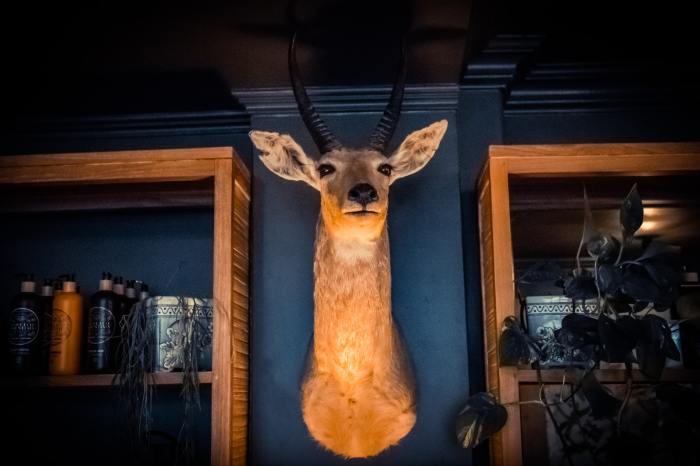
Taxidermy, often viewed with a mixture of fascination and apprehension, presents a unique opportunity to bridge the gap between human curiosity and wildlife conservation. By strategically employing taxidermy specimens and effective communication, we can foster a deeper understanding and appreciation for the natural world and the importance of its preservation. This approach allows for a powerful and engaging method of education, moving beyond simple lectures and into a realm of tangible interaction and impactful learning.
Taxidermy specimens can serve as powerful educational tools, providing a visceral connection to wildlife that photographs or videos simply cannot replicate. These specimens allow for detailed examination of anatomical features, showcasing the intricate beauty and diversity of the animal kingdom. This close-up interaction can spark curiosity and inspire a desire to learn more about the species’ natural history, habitat requirements, and conservation status. Moreover, well-curated displays can highlight the threats faced by these animals, emphasizing the urgent need for conservation efforts.
Utilizing Taxidermy Specimens for Wildlife Conservation Education
Effective communication is crucial for leveraging the educational potential of taxidermy. Museums and educational centers can create engaging exhibits that combine high-quality taxidermy specimens with informative signage, interactive displays, and multimedia presentations. These exhibits should clearly articulate the conservation challenges faced by the species represented, the role of human activity in these threats, and the steps being taken to mitigate them. For instance, an exhibit featuring a taxidermied mountain lion could highlight habitat loss due to deforestation and urbanization, while an exhibit showcasing a critically endangered bird could focus on the impacts of illegal wildlife trade. The use of interactive elements, such as touch screens and augmented reality applications, can further enhance engagement and knowledge retention.
Effective Communication Strategies for Raising Awareness
A comprehensive public awareness campaign promoting responsible taxidermy and wildlife conservation needs a multi-pronged approach. This includes utilizing traditional media outlets like television and print, alongside digital platforms such as social media and websites. Collaborations with conservation organizations, schools, and community groups are essential for maximizing reach and impact. The campaign should emphasize the ethical considerations of taxidermy, promoting the use of ethically sourced specimens and highlighting the importance of adhering to strict regulations. It should also underscore the role taxidermy can play in scientific research and education, demonstrating its potential as a valuable tool for conservation. Finally, the campaign should actively encourage responsible wildlife viewing and discourage activities that threaten animal populations.
Examples of Successful Educational Programs
The Smithsonian National Museum of Natural History’s extensive collection of taxidermied animals, integrated with interactive exhibits and educational programs, serves as a prime example of successful conservation education. Their displays not only showcase the beauty of wildlife but also provide in-depth information on conservation challenges and the museum’s role in research and preservation. Similarly, many zoos and wildlife parks incorporate taxidermy into their educational programs, using specimens to illustrate the anatomy, behavior, and ecology of various species, while simultaneously highlighting conservation efforts. These programs often incorporate interactive elements, such as hands-on activities and question-and-answer sessions, to further engage visitors.
Design of an Educational Exhibit Featuring Taxidermy and Conservation Information
The exhibit, titled “Guardians of the Wild: A Journey Through Conservation,” would feature a series of interconnected displays showcasing taxidermied specimens alongside interactive panels and multimedia presentations. The central display would feature a large diorama depicting a diverse ecosystem, with taxidermied animals integrated seamlessly into the landscape. Smaller displays would focus on specific species, highlighting their unique characteristics, conservation status, and the threats they face. Interactive elements, such as touch-screen kiosks with detailed information and videos, would allow visitors to delve deeper into each species’ story. A dedicated section would explore the ethical considerations of taxidermy, explaining the importance of sustainable practices and responsible sourcing. Finally, the exhibit would conclude with a call to action, encouraging visitors to participate in conservation efforts and learn more about protecting wildlife.
Ultimate Conclusion
Ultimately, the future of taxidermy hinges on a collective commitment to ethical and sustainable practices. By embracing responsible sourcing, minimizing environmental impact, and utilizing taxidermy as a vehicle for conservation education, we can transform this often-criticized practice into a powerful ally in protecting our planet’s biodiversity. The journey towards a more conscious approach requires ongoing dialogue, innovation, and a shared responsibility to ensure the preservation of wildlife for future generations.