Often viewed as a purely artistic pursuit, taxidermy plays a surprisingly significant role in scientific research. Far from being mere decorative displays, meticulously prepared taxidermy specimens provide invaluable data for a range of scientific disciplines. This exploration delves into six key contributions, highlighting how these preserved animals contribute to our understanding of biodiversity, anatomy, and evolutionary history.
From detailed anatomical studies enabled by preserved specimens to the crucial role taxidermy plays in understanding evolutionary relationships, the impact on scientific advancement is undeniable. This examination will consider both the advantages and limitations of using taxidermy in scientific research, comparing it to alternative preservation methods.
Preserving Biodiversity Through Taxidermy
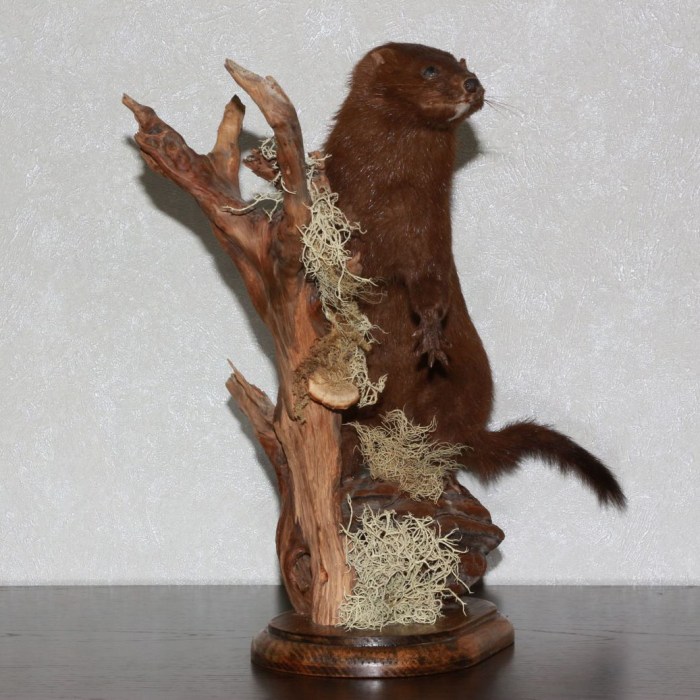
Taxidermy, the art of preserving animal specimens, plays a surprisingly significant role in modern biodiversity research and conservation. While often associated with hunting trophies, high-quality taxidermy provides invaluable scientific resources, particularly concerning endangered or extinct species. These meticulously preserved specimens offer a tangible link to the past, allowing researchers to study anatomical details, track population changes, and monitor the effects of environmental shifts.
Taxidermy specimens contribute significantly to biodiversity research and conservation by providing a permanent record of species morphology and anatomical features. This is especially crucial for species that are now extinct or critically endangered, where live specimens are unavailable for study. Researchers can examine these specimens to understand evolutionary relationships, track changes in size and morphology over time, and even extract DNA for genetic analysis. This information is vital for informing conservation strategies and guiding efforts to protect remaining populations.
Accurate Representation of Species in Taxidermy for Scientific Study
The accuracy of taxidermy specimens is paramount for their scientific value. To ensure accurate representation, skilled taxidermists meticulously document the collection location, date, sex, and any unique markings of the animal. They employ precise techniques to recreate the animal’s natural posture and musculature, avoiding any distortion that could compromise the specimen’s scientific utility. Furthermore, detailed photographic records are taken before, during, and after the taxidermy process, providing a complete visual record of the animal’s original condition. The use of standardized measurements and detailed field notes ensures that the specimen can be accurately compared to other specimens, both within and across collections. Any deviations from the natural state are meticulously documented, preserving the integrity of the scientific data.
Comparison of Preservation Methods
The choice of preservation method depends on the research goals and the available resources. While taxidermy offers a visually accessible record, other methods, such as cryopreservation and DNA preservation, offer different advantages and disadvantages.
| Method | Advantages | Disadvantages | Suitability for Research |
|---|---|---|---|
| Taxidermy | Visual inspection of morphology, accessible to a wide range of researchers, relatively inexpensive (compared to cryopreservation). | Can be susceptible to damage over time, requires specialized skills and knowledge, limited genetic information available. | Anatomical studies, morphological comparisons, educational displays. |
| Cryopreservation | Preserves DNA and cellular structures, potential for future technologies, minimal degradation. | Expensive, requires specialized equipment and facilities, limited visual access to morphology. | Genetic analysis, cellular studies, potential for future research applications. |
| DNA Preservation | Preserves genetic information, allows for phylogenetic analysis and population genetics studies. | Does not preserve morphology, requires careful handling and storage, can be degraded over time if not stored properly. | Genetic studies, population genetics, evolutionary studies. |
Anatomical Studies and Morphological Analysis
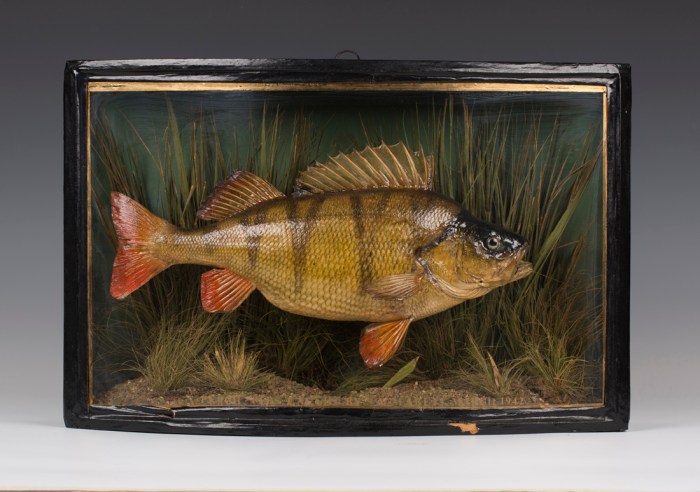
Taxidermy specimens, while primarily appreciated for their aesthetic value, serve as invaluable resources for detailed anatomical studies and morphological analyses. The meticulous preservation techniques employed in taxidermy allow researchers to examine both the skeletal structure and soft tissues of animals, providing insights unavailable through other methods. This access to preserved specimens is particularly crucial for studying rare or extinct species.
Taxidermy facilitates detailed anatomical studies by offering researchers a readily accessible, three-dimensional model of an animal’s form. Unlike skeletal remains, which often lack soft tissue context, taxidermy specimens preserve the relationships between muscles, organs, and other structures. This allows for precise measurements, detailed observations of anatomical features, and the extraction of tissue samples for further analysis.
Scientific Discoveries Enabled by Taxidermy Specimens
Examination of taxidermy specimens has contributed significantly to scientific understanding across various fields. For instance, the study of plumage patterns in taxidermied birds has aided in understanding species identification, evolutionary relationships, and sexual dimorphism. Similarly, analysis of the musculature of taxidermied mammals has provided insights into locomotion and behaviour. In some cases, re-examination of historical taxidermy specimens has led to the rediscovery of species previously thought to be extinct or to the reclassification of existing species based on newly observed anatomical features. A prime example involves the re-evaluation of certain bird species based on careful analysis of their preserved wing structure and feather arrangement, leading to a better understanding of their flight capabilities and evolutionary history.
Comparative Anatomy Using Taxidermy Specimens
Comparative anatomy, the study of similarities and differences in the anatomy of different species, relies heavily on the availability of preserved specimens. Taxidermy specimens provide an excellent resource for comparative studies, allowing researchers to directly compare and contrast the anatomical features of various animals. This is particularly useful for studying evolutionary relationships, identifying homologous structures (structures with a common evolutionary origin), and understanding the adaptations of different species to their respective environments. For example, comparing the skeletal structures of a cheetah and a lion, both preserved through taxidermy, highlights adaptations for speed and hunting strategies. The longer legs and more flexible spine of the cheetah are clearly visible in comparison to the more robust build of the lion.
Anatomical Data Extracted from Taxidermy Specimens
The following table Artikels the diverse types of anatomical data obtainable from taxidermy specimens:
| Data Type | Extraction Method | Applications | Limitations |
|---|---|---|---|
| Measurements (length, width, weight) | Direct measurement using calipers, scales | Determining size variation within and between species; assessing growth patterns; studying allometry | Accuracy can be affected by preservation techniques; shrinkage may occur over time. |
| Tissue Samples (muscle, skin, feathers) | Biopsy, excision | Genetic analysis; histological analysis; studying tissue composition and structure | Tissue degradation may occur; availability of viable tissue depends on preservation methods and specimen age. |
| Skeletal Features (bone shape, size, articulation) | Dissection, radiography | Studying skeletal morphology; analyzing locomotion; understanding evolutionary relationships | Damage to the specimen may occur during dissection; radiography requires specialized equipment. |
| External Morphology (fur, feather color, patterns) | Visual observation, photography, spectroscopy | Species identification; studying camouflage and mimicry; analyzing sexual dimorphism | Fading or alteration of coloration may occur over time; subjective interpretation of patterns is possible. |
Evolutionary Biology and Phylogenetic Research
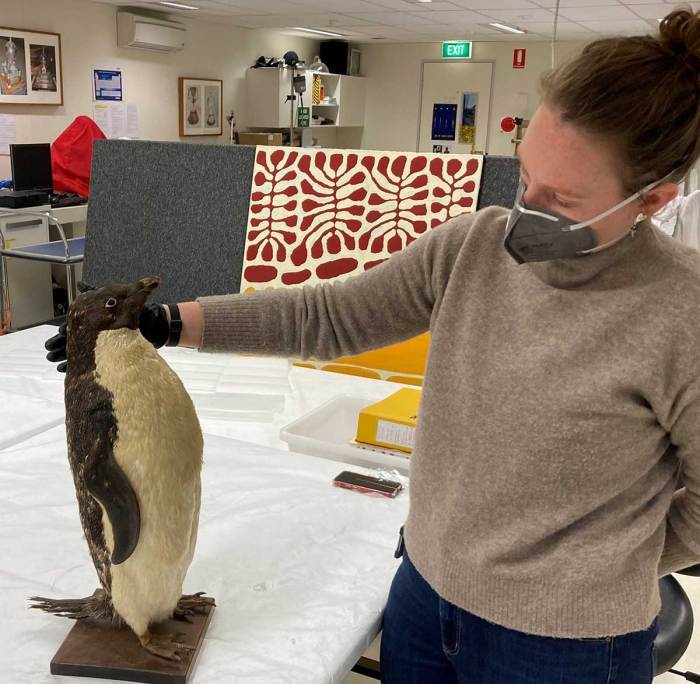
Taxidermy specimens, while often viewed as museum curiosities, have played a surprisingly significant role in advancing our understanding of evolutionary biology and phylogenetic relationships. These meticulously preserved animals provide a tangible record of past biodiversity, allowing researchers to examine morphological characteristics across different species and time periods, contributing to the reconstruction of evolutionary history. The careful preservation of external features, in particular, offers valuable insights often unavailable through other methods.
Taxidermy’s Contribution to Phylogenetic Analysis
The detailed preservation of plumage in birds, fur in mammals, and other external features in taxidermy specimens offers invaluable data for phylogenetic analysis. For instance, the subtle variations in feather coloration, pattern, and structure can be meticulously documented and compared across different bird species, helping to identify evolutionary relationships that might be missed using genetic data alone. Similarly, the shape and texture of fur, along with the presence or absence of specific markings, can be crucial in understanding the evolutionary history of mammals. These observable characteristics, coupled with careful measurements and detailed descriptions, provide a wealth of morphological data that can be used to construct phylogenetic trees and understand evolutionary divergence.
Limitations of Taxidermy Specimens in Evolutionary Studies
While taxidermy specimens offer numerous advantages, their use in evolutionary studies is not without limitations. The process of taxidermy itself can introduce artifacts, altering the original morphology of the specimen. Furthermore, taxidermy collections are often biased, representing species that were easier to collect and preserve, potentially skewing phylogenetic analyses. Finally, taxidermy specimens provide only limited information about soft tissues, internal anatomy, and genetic data. Alternative approaches, such as genetic analysis of preserved tissue samples, radiographic imaging, and the study of fossil records, offer complementary information that can help to mitigate these limitations and provide a more comprehensive understanding of evolutionary history.
Comparison of Taxidermy Specimens with Fossil Records and Genetic Data
Reconstructing evolutionary history requires a multi-faceted approach, combining data from various sources. Taxidermy specimens, fossil records, and genetic data each offer unique advantages and disadvantages.
The following table summarizes the strengths and weaknesses of each method:
| Method | Advantages | Disadvantages |
|---|---|---|
| Taxidermy Specimens |
|
|
| Fossil Records |
|
|
| Genetic Data |
|
|
Concluding Remarks
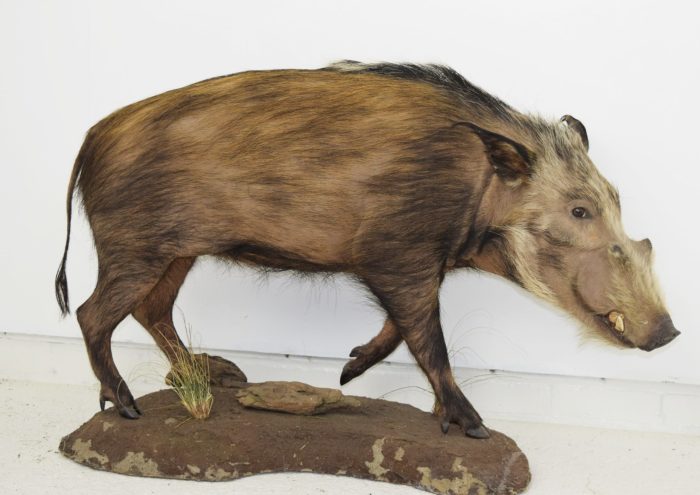
In conclusion, the contribution of taxidermy to scientific research is substantial and multifaceted. While alternative methods exist, taxidermy offers unique advantages, particularly in providing readily accessible, visually rich data for anatomical study and evolutionary analysis. Its role in preserving biodiversity records, particularly of endangered or extinct species, further solidifies its importance in advancing scientific knowledge and conservation efforts. Careful, ethical practices are paramount to ensure the continued value of this often-overlooked scientific tool.