The practice of taxidermy, while offering a fascinating glimpse into the natural world through preserved specimens, carries significant ethical and environmental implications. This exploration delves into five key considerations surrounding responsible sourcing and sustainable practices within the taxidermy industry, examining the complex interplay between artistry, conservation, and legal compliance.
From understanding the challenges of ethically sourcing animals to minimizing the environmental footprint of the taxidermy process itself, we will navigate the crucial aspects of responsible taxidermy. We will also investigate the legal frameworks governing the acquisition and trade of animal specimens, ensuring that the pursuit of this craft aligns with ethical and sustainable principles.
Understanding Ethical Sourcing in Taxidermy
Ethical sourcing in taxidermy is paramount, ensuring the preservation of wildlife populations and promoting sustainable practices. The industry faces significant challenges in guaranteeing the ethical origin of specimens, requiring careful consideration of the entire process, from acquisition to display. This section will explore the complexities of ethical sourcing, highlighting sustainable and unsustainable practices, relevant certifications, and responsible sourcing examples.
Challenges in Ensuring Ethical Sourcing
Ensuring the ethical sourcing of animals for taxidermy presents several challenges. The lack of universal standards and regulations across different jurisdictions makes it difficult to track the origin and legality of specimens. Furthermore, the traceability of animals throughout the supply chain is often opaque, hindering verification of ethical acquisition. The potential for illegal wildlife trade further complicates the issue, with many specimens entering the market through unregulated channels. Finally, the inherent subjectivity in defining “ethical” sourcing across different cultural and conservation contexts necessitates a nuanced approach.
Sustainable versus Unsustainable Taxidermy Practices
Sustainable taxidermy practices prioritize the conservation of wildlife populations and the responsible use of resources. This involves using animals sourced ethically, such as those from captive breeding programs, regulated hunts with permits, or salvaged animals found naturally deceased. Unsustainable practices, conversely, involve sourcing animals illegally, through poaching or unregulated hunting, or using animals that are endangered or protected by law. Unsustainable practices contribute to biodiversity loss and threaten wildlife populations. The difference lies in the impact on wildlife populations and ecosystems; sustainable practices aim to minimize negative impacts while unsustainable practices actively harm them.
Certifications and Labels Indicating Ethical Sourcing
Currently, there is no universally recognized certification specifically for ethically sourced taxidermy materials. However, some organizations offer certifications related to sustainable hunting practices or wildlife management, which can indirectly indicate ethical sourcing. For example, certifications related to fair chase hunting or sustainable forestry management might apply if the animal was legally hunted in a well-managed area. Consumers should carefully research the specific claims made by taxidermists and look for evidence supporting their claims of ethical sourcing. The absence of a formal certification system necessitates a critical assessment of the taxidermist’s practices and sourcing transparency.
Responsible Sourcing Practices for Different Animal Species
Responsible sourcing varies significantly depending on the species. For example, ethically sourcing a whitetail deer might involve participating in a regulated hunting program with a valid permit. For birds, ethically sourcing might involve utilizing salvaged birds found naturally deceased, provided they are legally obtained and handled appropriately. For exotic species, captive breeding programs are the most ethical option, ensuring that the animal was not taken from the wild. Always check local and international regulations before acquiring any animal for taxidermy.
Comparison of Sourcing Methods
| Sourcing Method | Pros | Cons | Ethical Considerations |
|---|---|---|---|
| Captive Breeding | Guaranteed legal origin, supports conservation efforts, predictable supply | Can be expensive, may not perfectly replicate wild specimens, ethical concerns regarding animal welfare in breeding facilities | Focus on ensuring high animal welfare standards within breeding programs. |
| Hunting (with permits) | Contributes to wildlife management, can be cost-effective, provides a natural specimen | Requires strict adherence to regulations, potential for misuse of permits, risk of unethical hunting practices | Strict adherence to hunting regulations and ethical hunting practices is crucial. |
| Salvage | Reduces waste, provides specimens without impacting wild populations | Uncertain cause of death, potential for damage to the animal, legality can be complex depending on circumstances and location | Proper documentation and legal acquisition are vital; ensure cause of death wasn’t illegal activity. |
The Environmental Impact of Taxidermy
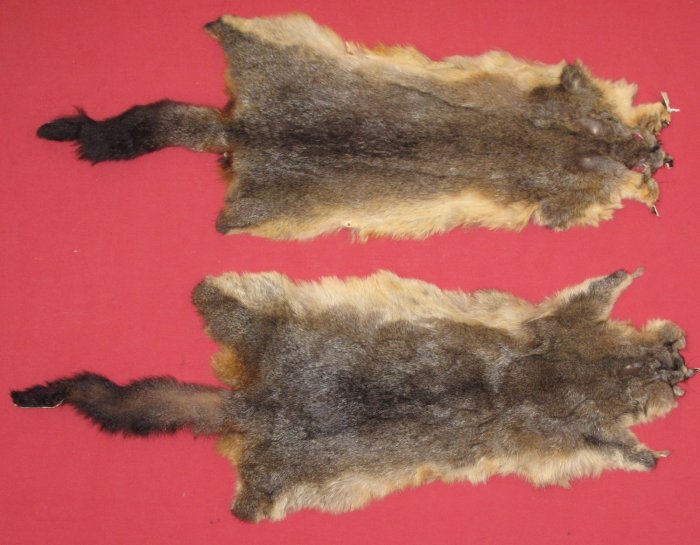
Taxidermy, while a valued art form and method of preserving specimens for scientific and educational purposes, carries inherent environmental implications. The process involves the use of various materials and chemicals, and the sourcing of animals, all of which can have a significant impact on the environment and biodiversity. Understanding these impacts is crucial for developing sustainable and responsible taxidermy practices.
The environmental impact of taxidermy is multifaceted, stemming from the materials used, the disposal of byproducts, and the potential effects on wildlife populations. The use of certain chemicals, such as arsenic-based preservatives, poses a risk to both the environment and the health of taxidermists. Furthermore, the sourcing of animals, particularly those obtained through unsustainable hunting or poaching, can negatively impact biodiversity and conservation efforts. Minimizing these impacts requires careful consideration of materials, techniques, and ethical sourcing.
Materials and Chemical Use in Taxidermy
Traditional taxidermy often involves the use of potentially harmful chemicals, including arsenic-based preservatives and formaldehyde. These substances can contaminate soil and water sources if improperly disposed of, posing risks to both wildlife and human health. Modern taxidermy is increasingly adopting safer alternatives, such as borax and non-toxic tanning agents. However, even these less harmful substances require careful handling and disposal to minimize environmental impact. The use of unsustainable materials, such as certain types of wood or glues, also contributes to the overall environmental footprint. Choosing sustainably sourced and biodegradable materials is essential for reducing the impact. For instance, opting for sustainably harvested wood for display bases and using water-based adhesives instead of harsh chemical-based ones reduces the environmental load.
Impact of Taxidermy on Biodiversity and Conservation
The impact of taxidermy on biodiversity and conservation depends largely on the source of the specimens. Unsustainable hunting or poaching practices to supply the taxidermy industry can decimate wildlife populations and disrupt delicate ecosystems. Therefore, ethical sourcing of specimens is paramount. Taxidermy should only be conducted using animals that have been legally hunted or obtained from reputable sources, such as zoos, wildlife rehabilitation centers, or natural deaths. Using animals that have already perished naturally reduces the environmental impact by avoiding additional hunting or trapping. Proper documentation of the origin and legality of specimens is crucial for transparency and accountability within the taxidermy community.
Minimizing the Environmental Footprint of Taxidermy
Minimizing the environmental footprint of taxidermy requires a multi-pronged approach focusing on material selection, waste reduction, and proper disposal. This involves choosing eco-friendly materials, such as sustainably harvested wood and non-toxic preservatives. Implementing waste reduction strategies, such as reusing containers and properly disposing of chemical waste, is also crucial. Adopting efficient techniques that minimize material usage further reduces environmental impact. For example, using precise cutting methods and avoiding excessive amounts of preservatives can significantly reduce waste. Furthermore, supporting sustainable forestry and responsible sourcing of materials ensures the long-term health of the environment.
Guide for Taxidermists on Reducing Waste and Using Eco-Friendly Materials and Techniques
A guide for taxidermists should emphasize the importance of minimizing waste and using eco-friendly materials and techniques. This guide should include detailed information on selecting sustainable materials, such as reclaimed wood for bases and non-toxic preservatives. It should also provide practical tips on reducing waste through precise cutting and efficient use of materials. Furthermore, the guide should Artikel best practices for the proper disposal or recycling of taxidermy byproducts, including the safe handling and disposal of chemical waste. The guide should also stress the importance of proper labeling and storage of materials to avoid accidental contamination or spills. Finally, the guide should include information on sourcing specimens ethically and legally.
Proper Disposal or Recycling of Taxidermy Byproducts
Proper disposal or recycling of taxidermy byproducts is essential for minimizing environmental impact. This involves the safe handling and disposal of chemical waste, following all relevant local and national regulations. Many hazardous chemicals used in traditional taxidermy require special disposal methods. It is crucial to identify local hazardous waste disposal facilities and follow their instructions carefully. Non-hazardous waste, such as scraps of wood or fabric, can be recycled or composted where appropriate. Properly disposing of waste minimizes the risk of soil and water contamination, protecting both human health and the environment. Understanding and adhering to these disposal protocols is crucial for responsible taxidermy practices.
Legal and Regulatory Aspects of Taxidermy

Navigating the legal landscape of taxidermy is crucial for ethical and responsible practice. Failure to comply with relevant laws can result in significant penalties, including fines and even imprisonment. Understanding these regulations is paramount for both the preservation of wildlife and the protection of taxidermists themselves. This section Artikels key legal considerations across various jurisdictions.
Relevant Laws and Regulations Governing the Acquisition and Trade of Animals Used in Taxidermy
Laws governing the acquisition and trade of animals for taxidermy vary significantly depending on geographical location. International treaties, such as CITES (the Convention on International Trade in Endangered Species of Wild Fauna and Flora), regulate the trade of endangered and threatened species globally. Many countries have their own national legislation mirroring or extending CITES provisions, often with specific regulations on protected native species. For example, the United States has the Endangered Species Act, while the European Union has its own Habitats Directive and associated legislation. These laws often dictate permissible hunting seasons, quotas, and required permits for harvesting animals. Furthermore, regulations may also exist concerning the import and export of animal specimens, including those intended for taxidermy. Specific state or provincial laws within larger countries often add further layers of complexity. It is essential to research the specific laws relevant to your location and the species you intend to work with.
Determining the Legality of Obtaining Specific Animal Specimens for Taxidermy
Determining the legality of obtaining a specific animal specimen involves several steps. First, identify the species precisely. Second, determine the animal’s origin (wild-caught, captive-bred, etc.). Third, research the applicable laws at both the national and sub-national levels. This involves consulting relevant government agencies’ websites, hunting regulations, and potentially seeking legal advice if uncertainty remains. For example, hunting a protected bird species outside of designated hunting seasons would be illegal, regardless of the taxidermist’s intentions. Similarly, importing a CITES-listed species without the proper permits would be a violation of international and potentially national laws. Captive-bred animals usually require documentation proving their legal origin and breeding conditions.
Permit Requirements and Licensing Procedures for Taxidermists
Many jurisdictions require taxidermists to obtain permits or licenses to operate legally. These requirements often include background checks, proof of training or competency, and adherence to specific handling and disposal protocols. The application process usually involves submitting documentation, paying fees, and potentially undergoing inspections of facilities. Failure to obtain the necessary permits before undertaking taxidermy work constitutes a violation of the law, leading to potential penalties. The specific requirements for permits and licenses vary greatly by location, necessitating research into the relevant regulatory body in your area. For instance, some states may require a general business license alongside a specific taxidermy permit.
Checklist for Taxidermists to Ensure Compliance with All Applicable Laws and Regulations
Prior to undertaking any taxidermy work, a comprehensive checklist can help ensure compliance:
- Identify the species and verify its legal status.
- Obtain all necessary permits and licenses.
- Confirm the legality of the animal’s acquisition (hunting permits, captive breeding certificates, etc.).
- Maintain accurate records of all transactions and activities.
- Adhere to all relevant handling and disposal regulations.
- Stay updated on changes to relevant laws and regulations.
- Consult legal counsel when uncertainty exists.
Penalties and Consequences of Violating Laws Related to Ethical Sourcing and Taxidermy
Violations of laws related to ethical sourcing and taxidermy can result in a range of penalties. These can include hefty fines, the revocation of licenses or permits, and even imprisonment, depending on the severity of the offense and the jurisdiction. Furthermore, the illegal trade of animal parts can lead to significant reputational damage for the taxidermist. In cases involving endangered species, international collaboration may result in cross-border legal action. The consequences can be far-reaching and severe, emphasizing the importance of strict adherence to all applicable laws and regulations. A single instance of non-compliance can have long-lasting repercussions for both the individual and the broader conservation effort.
Closing Summary

Ultimately, the future of taxidermy hinges on a commitment to ethical sourcing and sustainable practices. By carefully considering the environmental impact, legal regulations, and the welfare of animals, taxidermists can contribute to conservation efforts rather than hindering them. Adopting responsible methods ensures that the art of taxidermy continues to thrive while respecting the natural world and upholding the highest ethical standards.