The art of bird taxidermy transcends mere preservation; it’s a meticulous pursuit of recreating lifelike avian forms. Achieving this requires an exacting approach, demanding precise measurements to capture the subtle nuances of each species. This exploration delves into the critical role of accurate measurement in bird taxidermy, emphasizing ten key dimensions that determine the final product’s realism and aesthetic appeal. We will examine the tools, techniques, and data recording methods essential for achieving a truly masterful result.
From the delicate wingspan of a hummingbird to the powerful talons of a hawk, each measurement holds significance. Understanding how these measurements interact and influence the final pose is crucial for creating a mounted bird that is not only anatomically correct but also visually stunning. This guide will equip you with the knowledge and practical steps to ensure your taxidermy projects reach a level of precision that reflects the beauty and complexity of the avian world.
Essential Tools and Techniques in Bird Taxidermy

Precise measurements are paramount in bird taxidermy, ensuring the final mount accurately reflects the bird’s natural form and proportions. Accuracy in measurement directly impacts the realism and scientific value of the finished piece. The tools and techniques employed must therefore be of the highest quality and used with meticulous care.
The following section details the essential tools required for precise measurements, along with a step-by-step guide for accurately measuring a bird’s wingspan. Proper skinning techniques, crucial for maintaining anatomical integrity, are also discussed.
Specialized Tools for Precise Measurements
Several specialized tools are indispensable for achieving accurate measurements in bird taxidermy. The precision of these tools directly influences the accuracy of the final measurements and the overall quality of the taxidermy work.
| Tool Name | Function | Precision Level | Material |
|---|---|---|---|
| Digital Calipers | Measuring length, width, and depth of various bird parts. | +/- 0.1mm | Stainless Steel |
| Metric Ruler | Measuring linear dimensions; useful for quick checks. | +/- 0.5mm | Stainless Steel or Plastic |
| Flexible Measuring Tape | Measuring curved surfaces like wingspans. | +/- 1mm | Cloth or Fiberglass |
| Dissecting Scissors | Precise cutting during skinning and preparation. | N/A (sharpness crucial) | Stainless Steel |
Measuring a Bird’s Wingspan
Accurately measuring a bird’s wingspan is crucial for both aesthetic and scientific purposes. The following steps Artikel the procedure for obtaining precise measurements in both metric and imperial units.
- Preparation: Ensure the bird is properly positioned, lying flat on a clean, level surface. The wings should be fully extended and naturally positioned.
- Measurement: Using a flexible measuring tape, carefully measure the distance between the tips of the outstretched wings. Begin at the tip of one wing and extend the tape to the tip of the other.
- Recording: Record the measurement in both millimeters (mm) and centimeters (cm) for metric, and inches (in) and feet (ft) for imperial units. Note: Conversion factors should be used to ensure accuracy (1 inch = 25.4 mm; 1 foot = 304.8 mm).
- Verification: Repeat the measurement at least twice to ensure consistency and accuracy. Average the results if there are slight discrepancies.
Importance of Proper Skinning Techniques
Proper skinning techniques are essential for maintaining the anatomical integrity of the bird, which is crucial for accurate measurements. Damage to the wing bones or other structures during skinning can significantly affect the accuracy of measurements taken later in the process.
Careful and precise incisions, avoiding unnecessary cuts, are paramount. Gentle handling of the skin and underlying tissues minimizes distortion and ensures the bird’s natural form is preserved. This careful approach allows for more accurate measurements reflecting the bird’s true dimensions. For example, improper skinning can stretch or distort the wing membrane, leading to inaccurate wingspan measurements.
Key Measurements and Their Significance
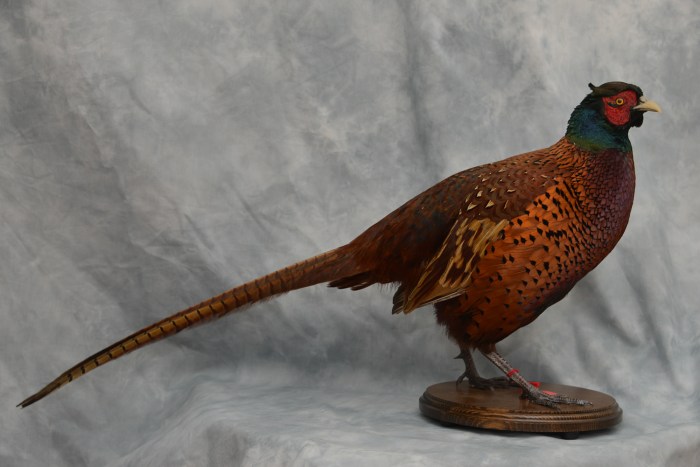
Accurate measurements are paramount in bird taxidermy. The realism and overall quality of the finished mount hinge on precise data collection, ensuring the final product accurately reflects the species’ natural proportions and posture. Failing to take these measurements meticulously can result in a mount that appears unnatural, distorted, or simply inaccurate. This section details ten critical measurements and their impact on the final piece.
The following table lists ten crucial measurements required for accurate bird taxidermy, alongside an explanation of their significance in achieving a lifelike representation.
| Measurement | Significance |
|---|---|
| Total Length (from beak tip to tail tip) | Establishes the overall scale of the bird, providing a fundamental reference point for all other measurements. |
| Wingspan (tip to tip) | Crucial for determining wing position and overall body proportions. An inaccurate wingspan leads to an unnatural posture. |
| Tail Length | Sets the length and shape of the tail, influencing the bird’s posture and overall appearance. |
| Bill Length (from base to tip) | Important for accurately representing the species’ unique beak shape and size. |
| Bill Depth (at widest point) | Complements bill length, contributing to the overall accuracy of the beak’s form. |
| Tarsus Length (leg length below the knee joint) | Affects leg length and the bird’s stance; incorrect measurements will lead to a disproportionate appearance. |
| Head Length (from beak base to nape) | Determines head size relative to the body, crucial for achieving a balanced and realistic appearance. |
| Head Width (at widest point) | Along with head length, it contributes to the accuracy of head shape and size. |
| Body Depth (at widest point) | Dictates the overall girth of the bird’s body, influencing its overall shape. |
| Eye Position (distance from the beak base) | Precise eye placement is essential for a lifelike expression. Incorrect placement can make the bird appear unnatural or even deformed. |
Effects of Measurement Inaccuracies
Even small variations in these measurements can significantly affect the final appearance and pose of the mounted bird. The cumulative effect of multiple minor errors can be substantial.
- Inaccurate Total Length: Results in a bird that appears too large or too small compared to its actual size.
- Incorrect Wingspan: Can lead to wings that are too short or too long, affecting the bird’s posture and flight attitude.
- Erroneous Tail Length: Creates a tail that is either too short or too long, distorting the bird’s overall silhouette.
- Inaccurate Bill Measurements: Results in a beak that is disproportionate to the head, making the bird appear unnatural.
- Incorrect Leg Length: Leads to a bird with legs that are too long or too short, altering its stance and balance.
- Head Measurement Errors: Creates a head that is either too large or too small in relation to the body, disrupting the overall proportions.
- Inaccurate Eye Placement: Can result in a blank or unsettling stare, detracting from the realism of the mount.
Measurement Techniques for Different Bird Species
Measurement techniques must adapt to the size and characteristics of the bird species. Small songbirds require delicate handling and precise instruments, while larger raptors necessitate different tools and approaches.
For example, measuring a hummingbird’s tiny bill requires fine-tipped calipers and a steady hand, while measuring a golden eagle’s wingspan necessitates a longer measuring tape and possibly assistance to hold the wings outstretched. Similarly, the delicate bones of a small songbird require gentler handling during measurement than the robust skeleton of a large raptor. The scale of the instruments and the level of care required are directly proportional to the size and fragility of the bird.
Creating a Detailed Measurement Record and Applying the Data
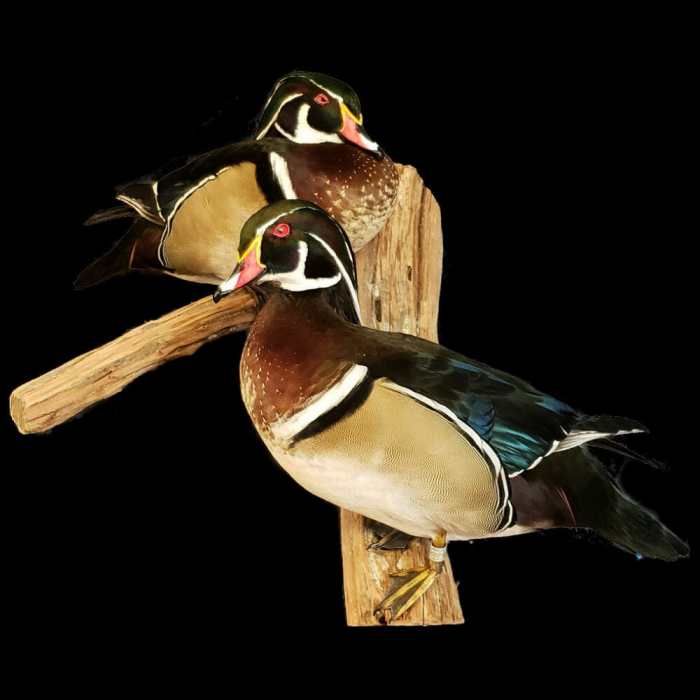
Accurate measurement recording is paramount in bird taxidermy. A meticulous record allows for the precise reconstruction of the bird’s natural posture and proportions, resulting in a lifelike and scientifically accurate mount. This process ensures consistency and allows for future reference, particularly beneficial for taxidermists working on multiple specimens of the same species.
The following data sheet provides a structured approach to recording crucial measurements. Consistent use of this form will improve accuracy and efficiency in your work.
Bird Measurement Data Sheet
| Specimen ID | Species | Date | Measurement | Right Side (mm) | Left Side (mm) | Notes/Sketch |
|---|---|---|---|---|---|---|
| 12345 | Northern Cardinal | 2024-10-27 | Bill Length | 25 | 24 | Slight curvature on right |
| 12345 | Northern Cardinal | 2024-10-27 | Wingspan (Folded) | 110 | 108 | |
| 12345 | Northern Cardinal | 2024-10-27 | Wing Length | 75 | 73 | |
| 12345 | Northern Cardinal | 2024-10-27 | Tail Length | 60 | 62 | Slightly asymmetrical |
| 12345 | Northern Cardinal | 2024-10-27 | Tarsus Length | 30 | 29 | |
| 12345 | Northern Cardinal | 2024-10-27 | Middle Toe Length | 22 | 21 | |
| 12345 | Northern Cardinal | 2024-10-27 | Head Length | 28 | 28 | |
| 12345 | Northern Cardinal | 2024-10-27 | Head Width | 18 | 18 | |
| 12345 | Northern Cardinal | 2024-10-27 | Body Length (from neck base to tail base) | 85 | 85 | |
| 12345 | Northern Cardinal | 2024-10-27 | Neck Length | 20 | 20 |
Applying Measurements to the Mounting Process
The recorded measurements serve as a blueprint for accurate positioning during the mounting process. Precise placement of the wings, legs, and head is crucial for achieving a lifelike pose. Slight deviations from perfect symmetry are often present in nature; the key is to replicate these natural asymmetries.
- Wing Placement: Using the folded wingspan and individual wing length measurements, position the wings against the body, ensuring the correct angle and ensuring they align with the body’s central axis. Consider the slight variations in length noted in the data sheet.
- Leg Placement: The tarsus and toe length measurements guide the leg positioning. Ensure the legs are appropriately spaced and angled to reflect the bird’s natural stance. Any asymmetry in leg length should be replicated.
- Head Placement: Use the head length and width measurements to ensure the head is properly positioned on the neck, maintaining the correct angle and alignment with the body. Reference any notes on bill curvature or head shape.
Compensating for Inconsistencies
Discrepancies in measurements, such as slight differences between the right and left sides, are common. These reflect natural variations in bird anatomy. Addressing these inconsistencies is crucial for a natural-looking pose.
- Asymmetrical Wings: If one wing is slightly shorter than the other, adjust the wing position to reflect this natural asymmetry. Avoid forcing symmetry where it doesn’t exist naturally.
- Leg Length Differences: Minor differences in leg length should be replicated in the mount to maintain a natural appearance. Avoid artificially equalizing leg length.
- Head and Bill Curvature: If the bill shows curvature or the head exhibits asymmetry, incorporate these features into the final pose. These subtle details enhance the realism of the mount.
Conclusive Thoughts
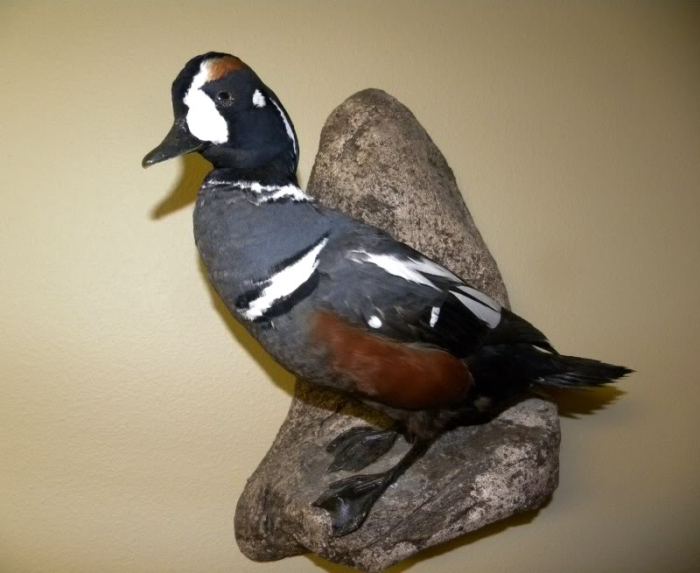
Mastering the precision of bird taxidermy involves a deep understanding of avian anatomy and a commitment to meticulous measurement. By employing the ten key measurements Artikeld, coupled with the appropriate tools and techniques, taxidermists can achieve remarkably lifelike results. The detailed recording of these measurements ensures consistency and allows for adjustments to compensate for individual variations, leading to a more natural and aesthetically pleasing final product. This approach elevates bird taxidermy from a simple preservation process to a true art form, celebrating the intricate beauty of birds.