Transforming a deceased animal into a lifelike tribute is the essence of taxidermy. This art form demands precision, patience, and a deep understanding of anatomy. “The Art of Creating Lifelike Mounts: 8 Taxidermy Secrets” delves into the intricate processes involved, guiding you through the essential and advanced techniques required to achieve breathtaking realism. From the initial skinning and preservation to the meticulous recreation of natural coloration and posture, this exploration reveals the secrets behind creating truly remarkable taxidermy mounts.
We’ll cover everything from selecting the right tools and materials to understanding the ethical considerations inherent in this practice. Whether you’re a seasoned taxidermist seeking to refine your skills or a curious beginner eager to learn, this guide offers a comprehensive journey into the fascinating world of bringing animals back to life—in a lasting and artful way.
Essential Taxidermy Techniques for Lifelike Mounts
Creating a truly lifelike taxidermy mount requires meticulous attention to detail and a mastery of several key techniques. From the initial skinning process to the final placement of the eyes, each step contributes to the overall realism and longevity of the finished piece. This section details crucial techniques for achieving exceptional results.
Skinning and Fleshing
Proper skinning and fleshing are foundational to a successful taxidermy mount. Begin by making a precise incision along the animal’s belly, carefully avoiding damage to the hide. Using sharp tools, such as a scalpel or specialized taxidermy knife, work your way around the animal, separating the skin from the muscle and fat tissue. It is crucial to work slowly and methodically, taking care not to tear the hide. Pay close attention to areas around the legs, head, and tail, as these are particularly delicate. Once the skin is removed, the fleshing process begins. This involves meticulously removing all remaining fat and muscle tissue from the inside of the skin using a fleshing knife. A clean, properly fleshed hide is essential for preventing decay and ensuring a long-lasting mount.
Hide Preservation Methods
Several methods exist for preserving animal hides, each with its advantages and disadvantages. Tanning is a common method involving the use of chemicals to convert the collagen in the hide into a more stable, durable material, resistant to decay. This process can be time-consuming and requires specialized chemicals and expertise. Another method is salting, a simpler process involving covering the inside of the skin with salt to draw out moisture and inhibit bacterial growth. Salting is a temporary preservation method, and the hide must eventually be tanned or otherwise processed. The choice of preservation method depends on factors such as the type of animal, the desired longevity of the mount, and the taxidermist’s skill level. Tanning generally results in a more durable and long-lasting mount, while salting is a more accessible method for beginners but requires further processing.
Creating Realistic Eyes
The eyes are a crucial element in achieving a lifelike taxidermy mount. Realistic eyes convey a sense of life and personality. Glass eyes are a popular choice, offering a wide range of sizes, colors, and patterns to match the animal. Selecting eyes that accurately reflect the animal’s species and age is vital. Once the eyes are selected, they are carefully inserted into the eye sockets. Using a specialized adhesive designed for taxidermy, secure the eyes in place. Afterward, paint the eyelids and surrounding areas to create a natural appearance, paying close attention to the subtle details of light and shadow. The final step is to carefully apply a thin layer of clear coat to protect the paint and enhance the eyes’ realism.
Mounting the Head and Neck
Mounting the head and neck onto a manikin requires precision and anatomical knowledge. The manikin should accurately represent the animal’s skull structure and muscle definition. Begin by carefully positioning the head and neck on the manikin, ensuring proper posture and alignment. Use taxidermy pins to secure the skin to the manikin, working systematically to avoid wrinkles or distortions. Pay close attention to the placement of the ears, eyes, and nose, ensuring they are positioned naturally. Once the skin is securely attached, carefully sew up any remaining openings. Finally, use modeling clay or other sculpting materials to subtly refine the muscle definition and create a lifelike appearance.
Manikin Material Comparison
| Material | Cost | Durability | Ease of Use |
|---|---|---|---|
| Foam | Low | Moderate | High |
| Clay | Medium | High | Medium |
| Wood | Medium | High | Low |
| Fiberglass | High | High | Low |
Advanced Techniques for Achieving Realism
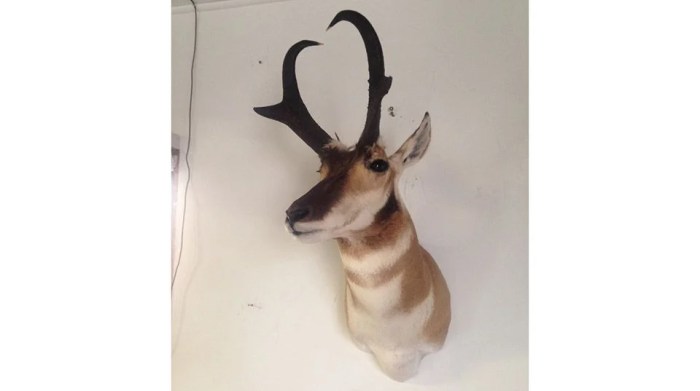
Creating truly lifelike taxidermy mounts requires attention to detail beyond basic techniques. This section delves into advanced methods for achieving anatomical accuracy, replicating natural coloration, and perfecting poses to create stunning and believable pieces. Mastering these skills elevates taxidermy from a craft to an art form.
Anatomical Accuracy in Taxidermy Mounts
Accurate anatomical representation is paramount in creating a convincing taxidermy mount. A poorly structured form will immediately betray the artifice, no matter how skillfully the fur or feathers are applied. Careful study of skeletal structure, muscle placement, and overall body proportions is essential. Using reference materials, such as anatomical diagrams and photographs of live animals, is crucial for achieving accuracy. For example, understanding the subtle differences in the musculature of a mature deer compared to a fawn will significantly impact the realism of the final product. Paying close attention to these details ensures a natural and believable form. Incorrect proportions or poorly defined muscle groups can lead to a stiff, unnatural appearance. The use of high-quality mannikins that accurately reflect the animal’s underlying structure provides a solid foundation for achieving realistic form.
Recreating Natural Coloration and Patterns
Replicating the animal’s natural coloration and patterns is another critical aspect of creating a lifelike mount. This involves more than simply applying a uniform coat of paint. It requires a deep understanding of how light interacts with fur and feathers, creating subtle variations in shading and tone. Techniques like dry brushing, airbrushing, and layering different colors can be used to achieve a realistic effect. For example, the subtle gradations of color on a bird’s plumage, from the deep blues of its back to the lighter tones of its underbelly, can be painstakingly recreated using these techniques. Additionally, understanding how natural wear and tear affect coloration, such as fading or bleaching in sun-exposed areas, adds another layer of realism.
Posing for Natural and Dynamic Stance
The pose of the animal is crucial in conveying a sense of life and movement. A stiff, unnatural pose will immediately detract from the realism of the mount. Careful consideration should be given to the animal’s natural posture, its typical behaviors, and the overall message the taxidermist wishes to convey. Using reference photographs and videos of live animals is invaluable in achieving a natural and dynamic pose. For instance, a predatory bird should be posed in a way that suggests alertness and readiness to strike, while a grazing deer should appear relaxed and at ease. The skillful use of armature wires and support structures allows the taxidermist to manipulate the pose and achieve a believable, lifelike stance.
Common Taxidermy Mistakes and Solutions
Several common mistakes can significantly detract from the realism of a taxidermy mount. One frequent error is the improper placement of eyes, which can result in an unnatural or vacant stare. Another common issue is inaccurate fur or feather placement, leading to a patchy or unnatural appearance. Inaccurate sizing and proportions are also frequent problems, resulting in a mount that appears disproportionate or unnatural. Solutions include meticulous planning and preparation, utilizing high-quality materials, and paying close attention to detail throughout the entire process. Careful study of anatomy, combined with practice and patience, is key to avoiding these pitfalls. Regular self-assessment and seeking feedback from experienced taxidermists can also significantly improve one’s skills and help identify areas for improvement.
Creating a Custom Base with Natural Elements
A custom-designed base can greatly enhance the realism of a taxidermy mount. Instead of using generic bases, incorporating natural elements such as rocks, wood, plants, and even water features can create a more immersive and believable scene. For example, a deer mount might be displayed on a custom-made base featuring a realistic representation of its natural habitat, complete with rocks, moss, and undergrowth. A step-by-step guide for creating such a base could involve: 1) Designing the base layout based on the animal’s natural habitat. 2) Selecting and preparing the natural elements. 3) Constructing a sturdy framework to support the mount and the natural elements. 4) Securely attaching the natural elements to the framework using appropriate adhesives. 5) Applying finishing touches such as paint or weathering effects to blend the elements seamlessly. This process adds depth and context to the mount, further enhancing its realism and artistic merit.
Specialized Considerations and Tools
Creating lifelike taxidermy mounts requires more than just skill; it demands a deep understanding of anatomy, careful attention to detail, and the use of specialized tools. The quality of your tools and your adherence to safety and ethical practices directly impact the final result and the overall integrity of your work.
Taxidermy Tool Comparison
A variety of tools are essential for successful taxidermy, each designed for specific tasks. Scalpels, for instance, offer precision for delicate skinning, while larger knives are better suited for coarser work on larger animals. Bone saws are necessary for skeletal preparation, particularly in larger projects. Specialized tools such as fleshing knives help remove excess tissue from the hide, while mounting forms provide the structural base for the final mount. The choice of tool depends heavily on the animal being mounted and the specific stage of the process. For example, fine-tipped forceps are invaluable for delicate work on birds, whereas a larger, heavier knife might be preferred for a larger mammal. The advantages of using the right tool are precision, efficiency, and a reduction in the risk of damage to the specimen.
Hygiene and Safety in Taxidermy
Maintaining proper hygiene and adhering to rigorous safety precautions is paramount in taxidermy. The handling of animal carcasses presents risks of exposure to bacteria and viruses. The use of protective gloves, eye protection, and a well-ventilated workspace is crucial. Proper disposal of waste materials is also essential to prevent the spread of disease and contamination. Thorough cleaning and disinfection of tools after each use is a non-negotiable practice. Failure to observe these precautions can lead to health risks and compromise the quality of the finished product. For example, improper handling can lead to the spread of zoonotic diseases.
Creating a Lifelike Bird Mount
Mounting a bird requires exceptional care due to the fragility of avian anatomy. The process begins with careful skinning, preserving the delicate feathers and avoiding damage to the underlying tissue. Proper tanning and preservation of the skin are crucial to maintain flexibility and prevent deterioration. The accurate shaping and positioning of the wings, legs, and tail are critical to achieving a lifelike pose. The use of specialized mounting forms designed for birds ensures proper support and shape. Attention to detail in feather placement and the creation of natural-looking eye placement are vital components of a successful bird mount.
Ethical Considerations in Taxidermy
Ethical taxidermy involves responsible sourcing of materials and a deep respect for wildlife. It is crucial to ensure that the animal was legally harvested and that the taxidermist is following all relevant regulations. The use of sustainably sourced materials, such as taxidermy forms made from recycled materials, also demonstrates a commitment to environmental responsibility. Respecting the animal throughout the process, treating it with dignity even in death, is a key aspect of ethical practice. It’s important to remember that taxidermy should never encourage or contribute to illegal hunting or poaching.
Essential Supplies for Beginner Taxidermy
A well-equipped beginner will find these supplies essential:
- Skinning: Scalpel, small knife, fleshing knife, scissors, bone saw (for larger animals).
- Mounting: Mounting form appropriate for the animal, wire, thread, cotton, sawdust or other stuffing material, mounting pins.
- Finishing: Brushes, paints (acrylics are recommended), artificial eyes, sealant, preservatives.
Wrap-Up
Mastering the art of lifelike taxidermy requires dedication and a keen eye for detail. “The Art of Creating Lifelike Mounts: 8 Taxidermy Secrets” provides a solid foundation, equipping you with the knowledge and techniques to create stunning and realistic mounts. By understanding the nuances of skinning, preservation, mounting, and finishing, you can transform your creations into captivating works of art. Remember that ethical sourcing and responsible practice are paramount; let your passion for taxidermy be matched by your respect for wildlife.