Taxidermy, often viewed as a niche hobby, offers a unique pathway for engaging communities in wildlife education and conservation. This exploration of eight community programs demonstrates the powerful potential of combining taxidermy techniques with educational outreach. By responsibly utilizing taxidermied specimens, these programs aim to foster a deeper understanding of animal anatomy, ecology, and the importance of biodiversity.
The programs detailed here encompass a range of activities, from hands-on workshops teaching fundamental taxidermy skills to interactive sessions focusing on wildlife conservation. Careful consideration is given to ethical sourcing of specimens and age-appropriate presentation, ensuring both educational effectiveness and responsible engagement with the subject matter. The success of these programs hinges on community partnerships and effective outreach strategies, creating a lasting impact on participants’ understanding of the natural world.
Taxidermy Techniques & Ethical Considerations in Educational Settings
Taxidermy, the art of preserving animal specimens, offers a unique opportunity for engaging and impactful educational outreach. By responsibly showcasing preserved animals, we can foster a deeper understanding of wildlife, anatomy, and conservation. However, ethical considerations and appropriate techniques are paramount to ensure both the educational value and the responsible treatment of animals. This section details the essential techniques, ethical considerations, and safety protocols involved in using taxidermy for educational purposes.
Fundamental Taxidermy Techniques for Educational Demonstrations
Effective educational demonstrations require simplified, accessible taxidermy techniques. For small animals like rodents or birds, a straightforward method involves tanning the hide using a commercially available tanning solution, followed by careful shaping and mounting onto a form. This process can be visually demonstrated, highlighting key steps such as skinning, fleshing, and preserving the hide. More complex techniques, such as sculpting missing parts or using epoxy resins for larger animals, are generally less suitable for live demonstrations due to time constraints and complexity. Focus should be on the core principles of preservation and anatomical accuracy.
Ethical Considerations in Using Taxidermied Animals for Educational Purposes
The ethical sourcing of specimens is crucial. Using animals that have died of natural causes or have been euthanized for veterinary reasons is preferable to acquiring specimens from the wild. Collaboration with wildlife rehabilitators, zoos, or museums can provide ethically sourced animals. Transparency about the origin of each specimen is vital; students should understand the animal’s history and the circumstances of its death. Furthermore, the educational use should be respectful of the animal, avoiding any trivialization or disrespectful presentation. Display should be informative and enhance understanding of the animal’s role in its ecosystem.
Step-by-Step Guide for Preparing a Small Animal Specimen
This guide Artikels the preparation of a small rodent for educational display. First, the animal should be carefully skinned, ensuring the hide remains intact. Next, all remaining flesh and fat are meticulously removed, leaving only the cleaned hide. The hide is then tanned using a commercially available tanning solution, following the manufacturer’s instructions. After tanning, the hide is carefully shaped and fitted onto a foam or wire armature that replicates the animal’s natural pose. Finally, the specimen is allowed to dry completely before being displayed in a protective case with informative labeling. This process emphasizes the importance of careful handling and respect for the animal.
Safety Protocol for Handling Taxidermied Animals in a Classroom Setting
To ensure safety, all taxidermied animals should be securely mounted and housed in protective display cases. Students should be instructed not to touch the specimens directly. Handwashing should be encouraged before and after any interaction with the display area. Any damaged specimens should be repaired or removed immediately to prevent accidental exposure to potentially harmful materials. Clear instructions and supervision are crucial to maintain a safe learning environment. Gloves should be used by those handling the specimens during preparation.
Comparative Analysis of Different Taxidermy Methods
Several taxidermy methods exist, each with varying degrees of complexity and suitability for educational settings. Traditional methods using tanning and stuffing are visually accessible and relatively simple to demonstrate. More advanced methods, such as freeze-drying or plastination, produce long-lasting specimens but are less suitable for classroom demonstrations due to their complexity and specialized equipment requirements. The choice of method should balance educational effectiveness with practicality and ethical considerations. For educational outreach, simpler methods focusing on core principles are generally preferred.
Developing Engaging Educational Programs Using Taxidermy
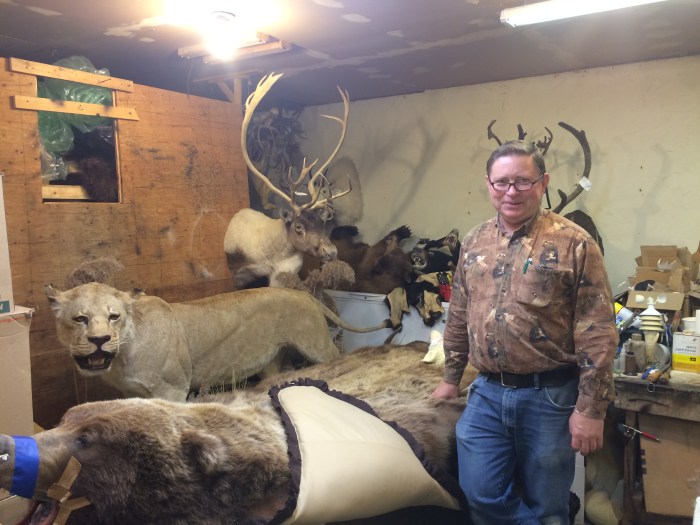
Taxidermy, often perceived as a niche hobby, offers a surprisingly powerful tool for engaging and enriching educational programs. By carefully integrating ethically sourced specimens and age-appropriate methods, educators can leverage taxidermy to foster a deeper understanding of wildlife biology, conservation, and biodiversity. This approach transforms the often-overlooked art of taxidermy into a dynamic teaching method, capable of captivating diverse audiences and inspiring a new generation of conservationists.
Successful community programs demonstrate the transformative potential of integrating taxidermy into educational settings. These programs provide hands-on learning experiences that enhance knowledge retention and inspire curiosity.
Examples of Successful Community Programs
Several community programs have successfully incorporated taxidermy for educational purposes. For instance, many natural history museums offer workshops where participants learn basic taxidermy techniques while simultaneously learning about the animals they are working with. These workshops often incorporate elements of wildlife conservation and ethical considerations, ensuring a holistic learning experience. Furthermore, some schools and environmental organizations have implemented after-school programs that use taxidermy specimens to teach about animal anatomy and ecology. These programs often involve interactive activities, such as dissecting owl pellets or comparing the skeletal structures of different animals, to reinforce learning. The success of these programs lies in their ability to combine practical skills with theoretical knowledge, creating a memorable and impactful learning experience.
Age-Appropriate Content and Presentation Styles
The effective use of taxidermy in education hinges on adapting content and presentation styles to the age and maturity of the audience. Younger children might benefit from focusing on the animal’s external features, habitat, and basic life cycle. Older students can delve into more complex topics such as anatomy, physiology, and ecological roles. For younger audiences, using engaging storytelling and interactive activities can make the learning process more enjoyable and accessible. For older students, more in-depth discussions about conservation challenges and the ethical implications of wildlife management can be incorporated. The key is to maintain a balance between providing accurate information and presenting it in a way that is both interesting and appropriate for the target audience. For example, a program for elementary school children might focus on the beauty and diversity of animals, while a program for high school students might explore the impact of human activities on wildlife populations.
Taxidermy’s Role in Enhancing Wildlife Conservation and Biodiversity Education
Taxidermy specimens provide a unique opportunity to teach about wildlife conservation and biodiversity. By closely examining these specimens, students can gain a deeper understanding of animal anatomy, physiology, and the adaptations that allow animals to thrive in their respective environments. This hands-on learning experience can foster a sense of empathy and respect for wildlife, which is crucial for promoting conservation efforts. Furthermore, taxidermy can be used to illustrate the impact of habitat loss, pollution, and climate change on wildlife populations. For instance, comparing specimens of endangered species with those of their less threatened relatives can highlight the vulnerability of certain species and the importance of conservation initiatives. By combining taxidermy with other educational tools, such as videos, presentations, and field trips, educators can create a comprehensive and engaging learning experience that fosters a deeper understanding of wildlife conservation and biodiversity.
Sample Curriculum: 4-Week Wildlife Biology Program
This four-week program utilizes taxidermy as a core element to explore various aspects of wildlife biology.
| Week | Topic | Activities | Assessment |
|---|---|---|---|
| 1 | Introduction to Wildlife Biology & Taxidermy Ethics | Introduction to wildlife biology concepts; ethical considerations in taxidermy; handling and examining prepared specimens. | Quiz on ethical considerations and basic wildlife biology terms. |
| 2 | Animal Anatomy & Physiology | Dissection of prepared specimens (e.g., bird, small mammal); comparison of skeletal structures; examination of organ systems. | Labelled diagram of a dissected specimen; short essay comparing the anatomy of two different animals. |
| 3 | Ecology & Habitats | Analysis of animal adaptations related to their habitats; discussion of ecological roles; investigation of food webs. | Presentation on a chosen animal’s habitat and ecological role; creation of a food web diagram. |
| 4 | Wildlife Conservation & Biodiversity | Discussion of conservation challenges; examination of endangered species; exploration of conservation strategies. | Research paper on a chosen endangered species and potential conservation strategies; class discussion on conservation efforts. |
Using Taxidermy Specimens to Teach About Animal Anatomy, Physiology, and Ecology
Taxidermy specimens offer a unique, tangible resource for teaching about animal anatomy, physiology, and ecology. Students can directly observe skeletal structures, muscle attachments, and external features, gaining a deeper understanding of how these aspects contribute to an animal’s overall function and survival. For instance, comparing the beaks of different bird species can illustrate how beak shape is adapted to different feeding strategies. Similarly, examining the fur or feathers of various animals can highlight adaptations for insulation, camouflage, or display. By carefully examining these specimens, students can develop a stronger understanding of the interconnectedness between an animal’s anatomy, physiology, and its ecological role. The three-dimensional nature of taxidermy specimens allows for a more comprehensive understanding than could be achieved through textbooks or photographs alone.
Community Engagement & Outreach Strategies

Successful community engagement is crucial for the long-term impact of taxidermy-based educational programs. By actively partnering with community organizations and employing effective marketing strategies, we can broaden the reach and effectiveness of our initiatives, fostering a deeper understanding and appreciation of wildlife among diverse age groups. This section Artikels strategies for maximizing community involvement and assessing the program’s success.
Effective outreach requires identifying key partners, creating compelling marketing materials, and implementing methods for evaluating the programs’ impact. Furthermore, interactive activities and feedback mechanisms are essential for ensuring the programs remain engaging and relevant to the community’s needs.
Potential Community Partners
Collaborating with established community organizations significantly enhances the reach and credibility of our educational programs. Potential partners include schools (elementary, middle, and high schools), museums of natural history, science centers, environmental education organizations, 4-H clubs, scouting groups, and local wildlife rehabilitation centers. These organizations already have established networks within the community and often possess the resources to assist with program delivery and participant recruitment. For example, a partnership with a local school could involve integrating taxidermy workshops into their science curriculum, while collaboration with a museum might lead to a joint exhibition showcasing both the art of taxidermy and the importance of wildlife conservation.
Marketing Materials for Program Promotion
Attractive and informative marketing materials are essential for attracting participants. Brochures should highlight the program’s key features, including dates, times, locations, age appropriateness, and a brief description of the activities. Posters, designed with visually appealing graphics and concise messaging, can be displayed in high-traffic areas such as schools, libraries, community centers, and partner organizations. Online promotion through social media platforms and the websites of partner organizations will further expand the program’s reach. For instance, a brochure could feature images of students engaging in a taxidermy workshop, highlighting the hands-on learning experience, while posters could use striking images of wildlife alongside program details.
Assessing Program Impact on Community Understanding
Evaluating the effectiveness of the programs is crucial for continuous improvement. Pre- and post-program surveys can measure changes in participants’ knowledge, attitudes, and behaviors related to wildlife and conservation. Focus groups can provide deeper insights into participants’ experiences and perspectives. Analyzing participation rates across different demographic groups helps identify areas for improvement in outreach strategies. For example, a pre-program survey could assess participants’ baseline knowledge of wildlife conservation, while a post-program survey could measure their understanding of ethical taxidermy practices. The data gathered can be used to refine future program offerings and maximize their impact.
Interactive Activities and Workshops
Engaging activities are vital for capturing the attention of participants across different age groups. Younger children might benefit from interactive games and crafts focused on animal identification and habitat awareness, incorporating elements of taxidermy such as learning about animal anatomy through prepared specimens. Older children and adults could participate in hands-on taxidermy workshops, learning basic techniques while discussing ethical considerations and conservation efforts. For example, a workshop for adults could involve the ethical preparation of a small bird, while a children’s activity could focus on creating models of animal habitats using recycled materials.
Collecting Feedback for Program Improvement
Gathering feedback from participants is essential for ensuring the programs remain relevant and effective. Post-program surveys, feedback forms, and informal conversations can provide valuable insights into participants’ experiences, suggestions for improvement, and areas of interest. This information can inform future program design, ensuring that the programs meet the needs and interests of the community. For example, a feedback form could include questions about the clarity of instructions, the engagement level of activities, and suggestions for future program topics. This feedback loop is vital for the continuous enhancement of the educational programs.
End of Discussion
Ultimately, these eight community programs showcase the transformative power of combining taxidermy with educational outreach. By creatively utilizing taxidermied specimens and fostering community engagement, these initiatives successfully bridge the gap between scientific understanding and public appreciation for wildlife. The lasting impact on participants’ knowledge and conservation awareness underscores the value of innovative and responsible approaches to environmental education.