Transforming lifeless specimens into captivating scenes requires a blend of artistry and scientific precision. This exploration into the craft of taxidermy habitat creation delves into five distinct display techniques, showcasing how meticulous preparation and creative design can breathe life back into these preserved animals. We will examine the diverse methods of posing specimens, constructing realistic environments, and utilizing both natural and artificial materials to achieve a compelling narrative. The goal is not just to display a specimen, but to tell a story about its natural habitat and its place within the ecosystem.
From meticulously crafting miniature woodland dioramas for birds to replicating the intricate details of an aquatic environment for fish, we will cover a range of techniques, materials, and aesthetic considerations. We will also address the ethical implications of sourcing materials and the crucial role taxidermy can play in conservation education. The resulting displays aim to be both visually stunning and informative, offering viewers a glimpse into the beauty and complexity of the natural world.
Taxidermy Display Techniques for Natural Habitats
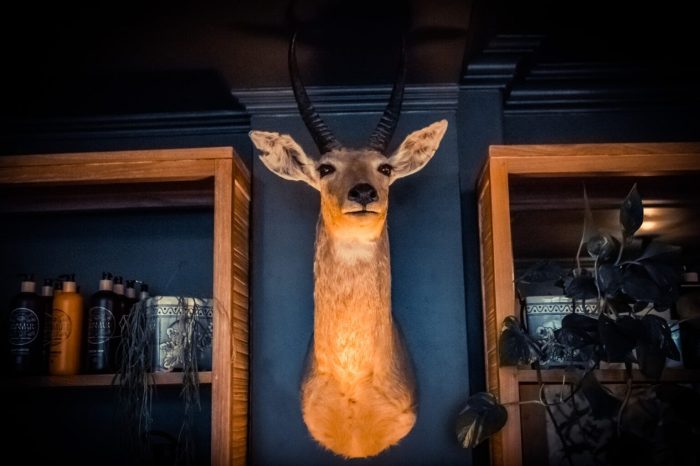
Creating compelling taxidermy displays that accurately represent a species’ natural habitat requires careful planning and execution. The goal is to seamlessly integrate the prepared specimen into a miniature ecosystem, enhancing its aesthetic appeal and providing valuable educational context. This involves selecting appropriate materials, employing realistic posing techniques, and carefully considering the overall composition of the diorama.
Bird Specimen Posing Techniques
Three distinct methods can be used to pose a bird specimen naturally within a miniature woodland diorama. The first involves utilizing thin, flexible wire armatures to support the bird in a lifelike perch. The wire is carefully shaped to mimic a natural branch, and the bird’s feet are subtly positioned to grasp the wire, creating a sense of stability and natural movement. This technique works well for smaller birds and allows for a greater degree of flexibility in posing. The second method involves creating a custom-made perch from natural materials such as twigs or small branches, carefully glued and shaped to match the desired pose. The bird’s feet are then secured to the perch using a combination of adhesive and fine wire. This approach offers a more robust and durable solution. Finally, for larger birds, a more substantial base may be necessary. This might involve sculpting a small section of a tree trunk or branch from modeling clay or foam, allowing for greater support and a more natural-looking resting place. The bird’s feet and legs are then secured to this base. In all methods, the use of high-quality, non-yellowing adhesives is crucial to maintaining the integrity and longevity of the display.
Creating a Realistic Miniature Aquatic Environment
Constructing a realistic miniature aquatic environment for a fish taxidermy display requires attention to detail in both water effects and substrate creation. For the water effect, a clear epoxy resin is often used, allowing for a transparent and convincing representation of water. The resin is carefully poured over a pre-prepared substrate, ensuring that air bubbles are minimized and the surface remains smooth. To enhance the realism, small additions such as carefully placed miniature plants or gravel can be incorporated into the resin before it sets. The substrate itself can be created using a variety of materials. A base layer of epoxy putty or modeling clay provides a firm foundation. This base can then be textured with fine sand, gravel, or even small rocks to simulate a natural riverbed or lake bottom. The addition of miniature aquatic plants, strategically placed, further enhances the realism of the scene. The color and texture of the substrate should be carefully chosen to complement the fish specimen and the overall aesthetic of the display.
Natural Versus Artificial Materials in Diorama Construction
Natural and artificial materials each offer distinct advantages and disadvantages in constructing taxidermy habitat dioramas. Natural materials, such as twigs, leaves, moss, and rocks, offer unmatched realism and textural depth. However, they can be more challenging to source, may require significant preparation and preservation to prevent deterioration, and can be susceptible to insect infestation or damage over time. Artificial materials, such as plastics, resins, and foams, offer greater durability and ease of use. They are readily available and less prone to damage or deterioration. However, they can sometimes appear less realistic, lacking the subtle nuances of texture and color found in natural materials. The choice between natural and artificial materials often depends on the specific requirements of the display, the skill level of the taxidermist, and the desired level of realism.
Habitat Display Case Comparison
The choice of display case significantly impacts the overall presentation of a taxidermy specimen. The following table compares four common types:
| Display Case Type | Suitability for Birds | Suitability for Mammals | Suitability for Fish |
|---|---|---|---|
| Shadow Box | Excellent for smaller birds; allows for detailed background | Suitable for smaller mammals; limits viewing angles | Not ideal; restricts viewing of the aquatic environment |
| Open-Air | Good for larger birds; allows for 360-degree viewing | Excellent for larger mammals; provides dynamic presentation | Not suitable; exposes the specimen to dust and damage |
| Glass Dome | Excellent for showcasing intricate details; provides protection | Suitable for smaller mammals; creates a contained environment | Good for smaller fish displays; protects the aquatic environment |
| Custom-Built Enclosure | Highly versatile; adaptable to any size or species | Highly versatile; allows for complex habitat recreations | Highly versatile; allows for large-scale aquatic displays |
Aesthetic Considerations and Habitat Representation
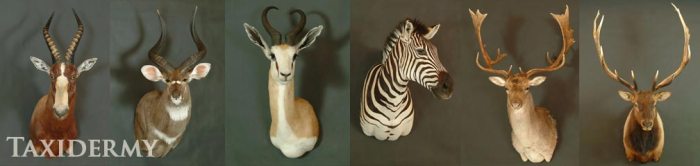
Creating a believable and aesthetically pleasing taxidermy habitat display requires careful attention to detail and a deep understanding of the natural world. The goal is not merely to present a preserved animal, but to recreate a slice of its natural environment, evoking a sense of place and time. Success hinges on mastering scale, proportion, lighting, and the overall artistic representation of the chosen ecosystem.
Scale and Proportion in Taxidermy Displays are crucial for realism. An animal that is too large or too small in relation to its surroundings immediately breaks the illusion. For instance, a miniature deer positioned in a vast, open meadow will look out of place, while a life-sized grizzly bear in a small diorama will appear cramped and unnatural. Maintaining accurate proportions between the animal and its habitat elements – plants, rocks, water features – is equally vital. Consider a diorama featuring a kingfisher perched on a branch over a stream. The branch should be proportionally sized to the bird, and the stream should realistically reflect the scale of the bird’s hunting territory. Similarly, the size of the rocks and vegetation should correlate with the size of the kingfisher and its natural habitat. Incorrect scaling can ruin the immersive quality of the diorama, making it appear artificial and unconvincing.
Incorporating Natural Lighting Effects in Taxidermy Dioramas
Effective lighting significantly enhances the realism of a taxidermy diorama. Five techniques for achieving natural lighting effects include: using fiber optics to simulate sunlight filtering through foliage; employing strategically placed LEDs to mimic the soft glow of dawn or dusk; using translucent materials, such as colored gels or frosted glass, to diffuse light sources and create a softer, more natural illumination; incorporating miniature spotlights to highlight key features, such as the animal’s eyes or a specific plant; and using a combination of these techniques to create depth and variation in the lighting, mirroring the complexities of natural light. For example, a diorama depicting a forest scene might utilize fiber optics to mimic dappled sunlight, LEDs to simulate the ambient light of the forest floor, and a translucent material to soften the overall illumination.
Diorama Depicting a High-Altitude Meadow Ecosystem
This diorama showcases a high-altitude meadow ecosystem in the European Alps. The central focus is a pair of chamois, realistically posed amidst a carefully crafted environment. The foreground features a rocky outcrop, covered in sparse, low-lying alpine grasses and wildflowers, such as Edelweiss and alpine gentian. Small, gnarled alpine pines and dwarf shrubs punctuate the landscape, creating a sense of windswept resilience. A small, clear stream trickles down from the background, reflecting the surrounding sky and vegetation. The background features a panoramic view of snow-capped mountains, painted on a meticulously textured backdrop to simulate distance and depth. The sky is painted with subtle variations in color and cloud formations to suggest a clear, high-altitude atmosphere. The overall palette is muted, reflecting the colors of the alpine environment. The diorama is lit to simulate the bright, clear light of a high-altitude sun, with shadows cast realistically to emphasize the three-dimensionality of the scene.
Painting and Texturing a Miniature Background for a Taxidermy Display
Creating a convincing background requires a multi-step process. First, select a suitable substrate, such as a high-quality illustration board or canvas. For a high-altitude meadow, a light beige or grey would serve as a good base. Next, apply a base coat of acrylic paint, ensuring even coverage. Then, using a variety of techniques, add texture. This might involve applying layers of different shades of paint, using dry brushing techniques to create the appearance of rocks and vegetation, and using sponges to create variations in color and texture. For the sky, use a gradient of colors to create depth and realism. Include subtle cloud formations. Finally, apply a matte varnish to protect the painted surface and enhance its realism. Materials include acrylic paints (various shades of browns, greens, greys, and blues), textured mediums, sponges, brushes (various sizes), and a matte varnish. Detailed rock formations can be created using modeling paste or putty, allowing for added realism and depth.
Ethical and Conservation Aspects of Taxidermy Displays
The ethical creation and display of taxidermied animals requires careful consideration of sourcing, conservation impact, and responsible presentation. This section explores the ethical responsibilities inherent in this art form, emphasizing the importance of sustainable practices and the potential for taxidermy to contribute positively to conservation efforts. A responsible approach ensures that the art form does not come at the expense of wildlife populations or their habitats.
Ethical sourcing of materials is paramount. Sustainable practices involve utilizing animals that have died of natural causes, or those that have been legally harvested through regulated hunting programs. Purchasing specimens from reputable sources that adhere to strict ethical guidelines and regulations is crucial. Avoidance of illegally sourced animals is essential for the preservation of wildlife populations. Supporting taxidermists who prioritize ethical sourcing helps to reinforce responsible practices within the industry.
Taxidermy’s Contribution to Conservation Education
Taxidermy displays, when thoughtfully curated, can serve as powerful tools for conservation education and awareness. They offer a tangible and impactful way to engage audiences with the beauty and fragility of wildlife.
Three key ways taxidermy contributes to conservation are:
- Raising Awareness of Endangered Species: Displays featuring endangered or threatened species can vividly illustrate the consequences of habitat loss, poaching, and other threats, fostering empathy and encouraging support for conservation initiatives. For example, a diorama depicting a critically endangered Sumatran rhinoceros in its dwindling habitat powerfully conveys the urgency of protecting this species.
- Educating on Habitat Importance: Dioramas accurately recreating natural habitats demonstrate the intricate relationships between species and their environment. By showcasing the complexities of ecosystems, these displays can educate viewers about the importance of habitat preservation and the interconnectedness of life. A meticulously crafted diorama of a boreal forest ecosystem, for instance, could highlight the dependence of various species on the forest’s unique features.
- Promoting Responsible Wildlife Management: Displays featuring legally hunted game animals, coupled with educational materials, can promote understanding of sustainable hunting practices and their role in wildlife management. This can help dispel misconceptions and encourage responsible participation in conservation efforts. For example, a display featuring a deer legally harvested in accordance with local regulations, alongside information on population management, could educate viewers on the importance of sustainable hunting.
Preservation and Maintenance of Taxidermy Dioramas
Proper preservation and maintenance are essential for ensuring the longevity and aesthetic appeal of taxidermy habitat dioramas. Neglect can lead to deterioration and damage, diminishing the educational and artistic value of the display.
Maintaining a taxidermy diorama involves several key steps:
- Environmental Control: Consistent temperature and humidity levels are crucial to prevent damage from mold, insects, and other environmental factors. Fluctuations should be minimized to maintain the integrity of the specimens and the diorama’s materials. This might involve climate control within the display case itself or in the surrounding environment.
- Regular Inspection and Cleaning: Regular inspections allow for early detection of any signs of damage or infestation. Gentle cleaning of the diorama, using appropriate methods and materials, helps to maintain its appearance and prevent the accumulation of dust and debris. This might include using soft brushes and specialized cleaning solutions designed for delicate materials.
- Pest Control: Implementing preventative measures against pests, such as insects and rodents, is essential. This might involve using natural pest deterrents, regular monitoring, or employing professional pest control services. Regular inspections are key to identifying any signs of infestation early on.
Creating a Compelling Narrative
A well-crafted narrative can significantly enhance the impact of a taxidermy display, transforming it from a mere collection of specimens into a powerful storytelling experience.
Narrative elements to consider include:
- Species’ Ecological Role: Detail the animal’s role within its ecosystem, emphasizing its interactions with other species and its contribution to the overall health of the habitat.
- Habitat Description: Provide a rich description of the animal’s natural habitat, including its geographical location, climate, vegetation, and other defining features.
- Conservation Status and Threats: Discuss the species’ conservation status, highlighting any threats it faces and the ongoing efforts to protect it.
- Species Behavior and Habits: Describe the animal’s behavior, social structures, diet, and other key characteristics, using engaging language to captivate the audience.
- Human Impact: Explore the impact of human activities on the species and its habitat, emphasizing the importance of responsible stewardship.
Last Recap
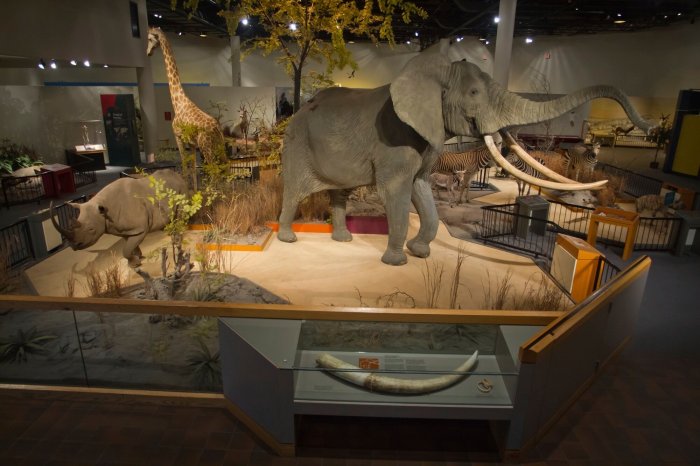
Creating compelling taxidermy displays that accurately and aesthetically represent natural habitats is a challenging but rewarding endeavor. By combining artistic skill with a deep understanding of natural history and ethical sourcing, we can create displays that are not only visually impressive but also serve as powerful tools for education and conservation. The five display techniques explored here offer a starting point for aspiring taxidermists and habitat creators, encouraging further exploration and innovation in this unique art form. The ultimate aim is to inspire appreciation for the natural world and the creatures that inhabit it.