Taxidermy, often viewed with mixed emotions, occupies a fascinating space where artistry meets conservation. This exploration delves into eight public awareness campaigns designed to bridge the gap between the practice of taxidermy and its crucial role in environmental protection. We will examine the ethical considerations surrounding sustainable sourcing, the valuable contributions of taxidermy to scientific research and education, and strategies to combat negative public perceptions. Ultimately, the goal is to foster a more nuanced understanding of taxidermy’s potential as a powerful tool for conservation advocacy.
Through careful analysis of existing practices and the development of innovative campaigns, we aim to demonstrate how responsible taxidermy can contribute to wildlife conservation efforts, scientific advancement, and a heightened public appreciation for biodiversity. This involves addressing misconceptions, promoting ethical sourcing, and showcasing the educational and research benefits of well-preserved specimens.
The Ethical Dimensions of Taxidermy and Conservation
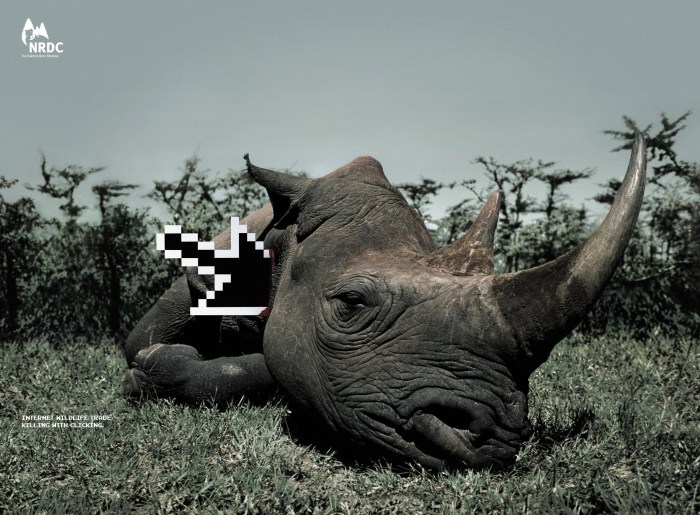
Taxidermy, the art of preserving animal bodies, finds itself at a fascinating crossroads. While often viewed as a purely aesthetic pursuit, its relationship with conservation is complex and multifaceted, raising significant ethical questions that demand careful consideration. This exploration delves into the arguments surrounding taxidermy’s role in conservation, the ethical sourcing of specimens, and the promotion of responsible practices.
Arguments For and Against Taxidermy as a Conservation Tool
The use of taxidermy in conservation is a contentious issue. Proponents argue that well-executed taxidermy can serve educational and awareness-raising purposes, particularly in museums and educational institutions. Taxidermied animals can vividly illustrate biodiversity, highlighting endangered species and the importance of conservation efforts. Furthermore, some argue that the revenue generated from the sale of ethically sourced taxidermied animals can contribute to conservation initiatives, directly supporting habitat protection and anti-poaching efforts. Conversely, critics contend that the practice normalizes the exploitation of animals, even when specimens are sourced ethically. The mere existence of a market for taxidermied animals, however ethically sourced, could incentivize illegal hunting and trafficking. The potential for misrepresentation, where unethical practices are masked as ethical, also fuels opposition.
Ethical Considerations Surrounding the Sourcing of Animals for Taxidermy
The ethical sourcing of animals for taxidermy is paramount. Ideally, specimens should originate from animals that have died of natural causes, roadkill, or from controlled culling programs designed to manage populations. The use of animals killed specifically for taxidermy raises serious ethical concerns, particularly if it contributes to unsustainable hunting practices. Transparency in the sourcing process is crucial, with clear documentation of the animal’s origin and cause of death. This allows for accountability and helps prevent the use of illegally obtained specimens. Furthermore, ethical considerations extend to the treatment of the animal post-mortem; proper handling and respectful preparation are essential.
Sustainable Taxidermy Practices Versus Unsustainable Ones
Sustainable taxidermy prioritizes ethical sourcing, minimal environmental impact, and responsible disposal of materials. This includes utilizing sustainable materials in the taxidermy process, minimizing waste, and ensuring that the entire process adheres to relevant laws and regulations. Unsustainable practices, on the other hand, often involve the use of illegally obtained specimens, unsustainable hunting practices, and the use of harmful chemicals or processes. A lack of transparency and accountability further characterizes unsustainable practices. The difference boils down to responsible resource management versus exploitation.
Public Awareness Campaign Promoting Ethical Sourcing and Responsible Taxidermy Practices
A successful public awareness campaign needs to clearly define ethical and unethical practices, emphasizing the importance of responsible consumption. The campaign should utilize various media platforms, including social media, educational materials, and collaborations with conservation organizations. The use of compelling visuals, such as side-by-side comparisons of ethical and unethical taxidermy, can effectively communicate the message. Furthermore, the campaign should empower consumers to make informed choices by providing resources to identify ethical taxidermists and to report unethical practices.
| Practice | Ethical Consideration | Impact on Wildlife | Solutions |
|---|---|---|---|
| Sourcing of animals | Animals from natural causes, controlled culling, or roadkill; transparency and traceability | Minimal impact; potentially contributes to population management | Stricter regulations, transparent certification programs, and public education |
| Taxidermy techniques | Use of sustainable materials, minimal waste, and safe disposal of chemicals | Reduces environmental pollution | Promoting best practices, training programs for taxidermists, and research into sustainable materials |
| Sale and trade | Transparent pricing reflecting ethical sourcing, avoidance of misleading marketing | Supports conservation efforts if profits are reinvested; minimizes demand for illegally sourced animals | Regulations on labeling and advertising, consumer education on ethical purchasing |
| Consumer awareness | Informed choices based on ethical considerations, reporting of unethical practices | Reduces demand for illegally sourced animals; promotes responsible consumption | Public awareness campaigns, educational resources, and easily accessible reporting mechanisms |
Taxidermy’s Role in Scientific Research and Education

Taxidermy, often viewed solely as a decorative art, plays a surprisingly significant role in scientific research and educational outreach. Preserved specimens provide invaluable data for researchers studying biodiversity, evolutionary biology, and conservation efforts, while meticulously prepared taxidermy mounts serve as engaging teaching tools in museums and educational institutions worldwide. The accuracy and detail of these specimens are crucial for their scientific and educational value.
Taxidermy Specimens Contribute to Scientific Research and Understanding of Biodiversity
High-quality taxidermy specimens offer a permanent record of species morphology, allowing researchers to track changes in physical characteristics over time. For instance, comparing historical taxidermy specimens of certain bird species with modern specimens can reveal subtle changes in size or plumage linked to environmental factors or evolutionary pressures. These specimens also provide essential data for researchers studying parasites and diseases, offering insights into the prevalence and evolution of various pathogens within specific populations. Moreover, the study of museum collections containing taxidermied animals has provided critical data for understanding the impacts of climate change on species distribution and morphology. Researchers can analyze historical data from specimens collected across different time periods to observe the effects of environmental shifts on animal size, coloration, and other physical traits.
Taxidermy Displays in Museums and Schools
Museum exhibits featuring taxidermied animals provide engaging and memorable learning experiences for visitors of all ages. These displays often incorporate detailed information about the animal’s habitat, behavior, and conservation status. For example, a museum might showcase a meticulously prepared diorama depicting a family of wolves in their natural environment, accompanied by educational panels detailing their social structure, hunting techniques, and conservation challenges. Schools also benefit from utilizing taxidermy specimens, particularly for hands-on learning experiences in biology and zoology classes. Examining the physical characteristics of a taxidermied animal allows students to gain a deeper understanding of anatomy, morphology, and adaptation. The tactile nature of these specimens enhances learning compared to simply studying photographs or diagrams.
Techniques for Creating Accurate and Scientifically Valuable Taxidermy Specimens
Creating scientifically valuable taxidermy specimens demands meticulous attention to detail and adherence to rigorous techniques. Accurate measurements are taken before the preservation process begins, and detailed notes are recorded on the animal’s age, sex, location of capture, and any observable physical characteristics. The taxidermist employs specialized tools and techniques to ensure that the final mount accurately reflects the animal’s natural posture, proportions, and coloration. Digital photography and 3D scanning are increasingly used to document the specimen before and during the taxidermy process, creating a comprehensive record that can be used for future research. The use of archival-quality materials is crucial to ensure the long-term preservation of the specimen and its scientific value.
Hypothetical Educational Program: Endangered Species
An educational program utilizing taxidermy to teach about endangered species could effectively engage students and raise awareness about conservation issues.
The program’s key elements would include:
- Interactive Exhibits: Life-sized, meticulously prepared taxidermy mounts of endangered species would be displayed alongside informative panels detailing the animal’s biology, habitat, threats, and conservation efforts.
- Hands-on Workshops: Students would participate in workshops where they learn about the taxidermy process, examining specimens under the guidance of experienced taxidermists and conservationists. This would provide a deeper understanding of the animals’ anatomy and the importance of accurate preservation.
- Guest Speakers: Conservation biologists and wildlife researchers would present lectures and discussions on the challenges facing endangered species and the role of conservation efforts in their survival.
- Case Studies: The program would incorporate case studies of successful conservation initiatives, highlighting the positive impact of collaborative efforts between scientists, conservationists, and local communities.
- Art and Creative Expression: Students would engage in creative activities, such as drawing, painting, and sculpting, inspired by the endangered species showcased in the program. This would allow for a multi-sensory approach to learning and promote emotional engagement with the topic.
Public Perception and Misconceptions about Taxidermy

Taxidermy, the art of preserving animal specimens, often faces significant public misconceptions, hindering its appreciation as both an art form and a valuable tool for conservation and scientific research. These negative perceptions stem from a variety of sources, including outdated practices, media portrayals, and a lack of understanding regarding the ethical and conservation-related aspects of the craft. Addressing these misconceptions is crucial for fostering a more positive and informed public opinion.
Many associate taxidermy with outdated and unethical practices, conjuring images of dusty, poorly preserved animals displayed in cluttered, dimly lit rooms. This negative stereotype is further fueled by fictional portrayals in media, often depicting taxidermists as eccentric or even sinister characters. Furthermore, a lack of awareness regarding the modern ethical standards and conservation efforts connected to taxidermy contributes to this negative perception. The reality is that modern taxidermy is a highly skilled profession that employs ethical and sustainable practices.
Common Misconceptions and Negative Stereotypes
The most prevalent misconceptions surround the ethics of the practice. Many believe that all taxidermy involves illegally obtained animals or contributes to poaching. Another common misconception is that taxidermy is inherently wasteful and disrespectful to animals. Finally, some believe that taxidermy is simply a morbid hobby with little scientific or educational value. These misconceptions often stem from a lack of understanding of the regulations governing the practice and the role taxidermy plays in scientific research and conservation.
Strategies to Counter Negative Public Perceptions
Effective communication is key to changing public perceptions. This involves actively promoting the ethical and conservation-related aspects of modern taxidermy. Highlighting the role of taxidermists in scientific research and education, and emphasizing the importance of sustainable and legal sourcing of specimens, is crucial. Furthermore, showcasing the artistry and skill involved in taxidermy can attract a broader audience and foster appreciation for the craft. Collaboration with conservation organizations and museums can further enhance the positive image of taxidermy.
Compelling Visual Content
A powerful image can effectively challenge negative stereotypes. Consider a photograph depicting a meticulously preserved bird of prey, perched realistically on a branch, its feathers detailed and lifelike. The background could be a carefully recreated natural habitat, emphasizing the beauty and artistry of the taxidermy, rather than the death of the animal. The focus should be on the skill and precision of the work, showcasing the taxidermist’s ability to capture the essence of the animal’s life. The overall tone should be one of respect and admiration for the animal and the art form.
Public Service Announcement Script
Announcer: Do you think of taxidermy as something old-fashioned, maybe even creepy? Think again. Modern taxidermy is about more than just preserving animals; it’s about celebrating their beauty and contributing to science and conservation.
Narrator: Many believe taxidermy is unethical, but reputable taxidermists adhere to strict regulations and only work with legally sourced specimens. They often collaborate with wildlife agencies and museums, contributing valuable specimens for research and education.
Announcer: Taxidermy helps us understand and appreciate wildlife, fostering conservation efforts. These carefully preserved animals can educate future generations about biodiversity and the importance of protecting our planet.
Narrator: So next time you see a taxidermied animal, remember that it’s a testament to the artistry and scientific value of this often misunderstood practice. Learn more about ethical taxidermy and its contribution to conservation at [website address – removed as per instructions].
Concluding Remarks
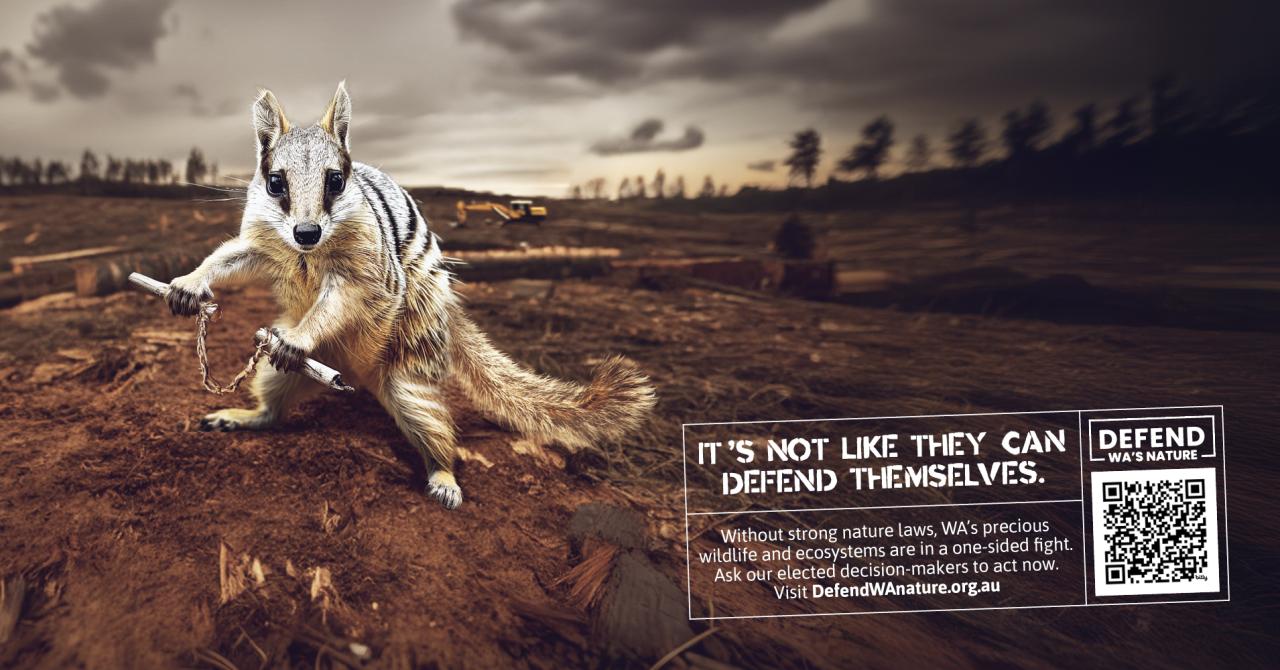
By critically examining the ethical, scientific, and public perception aspects of taxidermy, we have highlighted the potential for this often misunderstood practice to become a valuable ally in conservation efforts. The eight proposed public awareness campaigns, each targeting specific misconceptions and promoting responsible practices, aim to shift public opinion and foster a more informed and supportive environment for ethical taxidermy. The ultimate goal is not merely to defend taxidermy, but to harness its potential as a powerful tool for education, research, and the preservation of biodiversity for future generations.