Unexpectedly, taxidermied animals offer a unique window into past ecosystems. This exploration delves into twelve data collection methods using taxidermy specimens, revealing how their presence, condition, and even parasite loads can illuminate historical environmental changes. By comparing these historical records with modern techniques like remote sensing and camera trapping, we gain a richer, more nuanced understanding of long-term ecological shifts and environmental health.
We will examine the ethical considerations surrounding the use of taxidermied animals in research, emphasizing responsible data management and curation practices. This approach provides a fascinating blend of historical and contemporary methodologies, highlighting the surprising value of preserved specimens in modern environmental science.
Taxidermy Specimens as Environmental Indicators
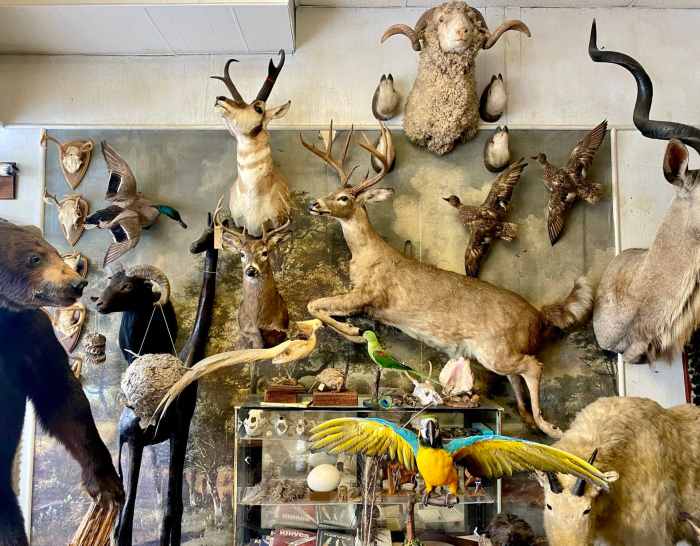
Taxidermy collections, often overlooked as mere displays of artistry, represent invaluable historical records of biodiversity and ecosystem health. The meticulous preservation of animals, spanning decades or even centuries, provides a unique window into past environmental conditions, allowing researchers to track changes in species distribution, abundance, and overall ecosystem integrity. Analyzing these collections can reveal crucial insights into the impacts of habitat loss, pollution, and climate change, offering a powerful tool for understanding long-term ecological trends.
Taxidermy specimens offer a tangible representation of past faunal communities. The presence or absence of specific species within a collection reflects the environmental conditions prevalent during the time of their collection. For instance, the abundance of wetland species like waterfowl in a collection might indicate a historically larger wetland area, while their scarcity might suggest habitat loss or degradation. Similarly, the presence of forest-dwelling species indicates the former extent of forested habitats.
Species Distribution as Indicators of Past Habitat Types
The following table illustrates how the presence of certain species in taxidermy collections can indicate different historical habitat types. Note that this is a simplified example and actual identification requires expertise and consideration of geographic location.
| Habitat Type | Indicative Species | Taxonomic Group | Key Characteristics (indicative of habitat) |
|---|---|---|---|
| Wetland | American Bittern | Aves | Prefers shallow marshes and swamps; cryptic plumage |
| Forest | Pileated Woodpecker | Aves | Requires large, mature forests for foraging and nesting |
| Grassland | Prairie Dog | Rodentia | Burrowing mammal dependent on extensive grasslands |
| Mountainous | Bighorn Sheep | Mammalia | Adapted to steep, rocky terrain and high altitudes |
Specimen Condition as a Reflection of Past Environmental Health
Beyond species presence, the physical condition of taxidermy specimens can reveal further insights into past environmental health. For example, the size and weight of specimens can reflect nutritional status and overall ecosystem productivity. Smaller or thinner specimens compared to modern counterparts might indicate periods of resource scarcity or environmental stress. Similarly, the presence of parasites on specimens can be an indicator of disease prevalence, potentially linked to environmental contamination or habitat degradation. Analyzing the condition of specimens alongside historical environmental data (e.g., pollution records, climate data) can strengthen these correlations.
Hypothetical Study: Assessing Long-Term Changes in a Coastal Ecosystem
A hypothetical study could utilize historical taxidermy collections from a coastal museum to assess long-term changes in a specific ecosystem. The study would focus on a collection spanning the last 100 years, examining changes in the abundance and condition of bird species known to inhabit coastal habitats (e.g., shorebirds, seabirds). Researchers would compare the size and weight of specimens from different decades, looking for trends indicative of changes in food availability or environmental stress. The presence of parasites could be analyzed to determine changes in disease prevalence. This data would be correlated with historical environmental data, such as changes in sea level, water quality, and coastal development, to identify potential causes of observed changes in the bird populations. The study would provide a valuable assessment of the long-term impacts of human activities and environmental change on the coastal ecosystem.
Integrating Taxidermy Data with Modern Monitoring Techniques
Taxidermy, while seemingly a relic of the past, offers a unique and surprisingly valuable dataset for understanding long-term environmental changes. Integrating historical taxidermy records with modern environmental monitoring techniques presents a powerful opportunity to enhance our understanding of ecological trends and biodiversity shifts over extended periods. This integration allows researchers to contextualize recent observations within a broader historical perspective, revealing patterns that might otherwise remain hidden.
The combination of traditional taxidermy data and contemporary environmental monitoring methods offers a multifaceted approach to environmental assessment. This synergistic approach leverages the strengths of each method, mitigating their individual limitations and creating a more comprehensive understanding of ecological systems.
Comparison of Traditional Taxidermy Data and Modern Monitoring Methods
A direct comparison highlights the contrasting nature and complementary strengths of these approaches. Traditional taxidermy data, while providing detailed morphological information and precise location data for specific time periods, suffers from limitations in sample size and biases related to collector preferences. Modern techniques, on the other hand, often offer broader spatial coverage and higher temporal resolution but may lack the detailed morphological information available from taxidermy specimens.
- Taxidermy Data: Provides detailed morphological data (size, weight, plumage/fur characteristics), precise location data (though accuracy may vary depending on historical record-keeping), and represents a historical snapshot of species presence and abundance at a specific time. However, it is limited by the biases of collectors (e.g., preference for larger or more striking specimens), the uneven geographical distribution of collection efforts, and the often incomplete or inaccurate associated metadata.
- Remote Sensing: Offers broad spatial coverage and allows for repeated observations over time, providing data on habitat changes, land use, and vegetation indices. However, it may lack the resolution to identify individual species or subtle morphological variations.
- Camera Trapping: Provides photographic or video evidence of species presence, abundance, and behavior. It offers high temporal resolution but may be limited by geographical accessibility and the potential for biases in camera placement and detection probabilities.
Advantages and Limitations of Combined Data Sources
Using taxidermy specimens in conjunction with modern data sources offers several advantages. The historical context provided by taxidermy specimens allows researchers to establish baselines against which modern data can be compared, revealing trends in species distribution, abundance, and morphological changes over time. This long-term perspective is crucial for understanding the impacts of climate change, habitat loss, and other environmental pressures. However, limitations exist, including potential biases in the historical data and challenges in standardizing measurements across different taxidermy collections.
Examples of Complementary Data Use
Taxidermy data can significantly enhance the results obtained from other environmental monitoring techniques. For instance, historical measurements of body size from taxidermy specimens can be compared to modern data from camera traps or other monitoring programs to detect changes in body condition, potentially reflecting shifts in resource availability or environmental stress. Similarly, historical records of species distribution can be used to inform the placement of modern monitoring equipment, maximizing the efficiency of data collection.
A study examining the decline of the North American wolverine (Gulo gulo) effectively combined historical museum specimen data with contemporary camera trapping data. Analysis of skull size from museum specimens spanning the last century, coupled with recent camera trap data indicating a decrease in wolverine sightings in specific regions, provided strong evidence supporting the hypothesis of habitat fragmentation and its effect on wolverine population dynamics and body size. The combined datasets provided a much stronger and more complete picture than either data source alone could have offered.
Ethical Considerations and Data Management in Taxidermy-Based Environmental Monitoring
The use of taxidermy specimens in environmental research presents a unique set of ethical challenges and necessitates robust data management strategies. Balancing the scientific value of these specimens with concerns for animal welfare and the responsible sourcing of materials is crucial for maintaining the integrity and credibility of this research approach. This section will detail ethical implications, best practices for specimen handling, and a hypothetical data management plan for a taxidermy-based environmental monitoring project.
Ethical Implications of Using Taxidermy Specimens
The ethical considerations surrounding the use of taxidermy specimens in environmental research are multifaceted. Primarily, researchers must ensure that the specimens were obtained legally and ethically, avoiding contributions to illegal wildlife trade or unsustainable practices. This necessitates rigorous documentation of the specimen’s origin, including date of collection, location, and any relevant permits or certifications. Furthermore, the welfare of the animal prior to its death must be considered. Ideally, specimens should originate from animals that died of natural causes or were humanely euthanized for legitimate reasons, such as disease control or wildlife management. The use of specimens obtained through poaching or unethical hunting practices is strictly unacceptable. Transparency and clear documentation regarding the source of specimens are paramount to ensuring ethical research.
Best Practices for Handling and Curation of Taxidermy Specimens
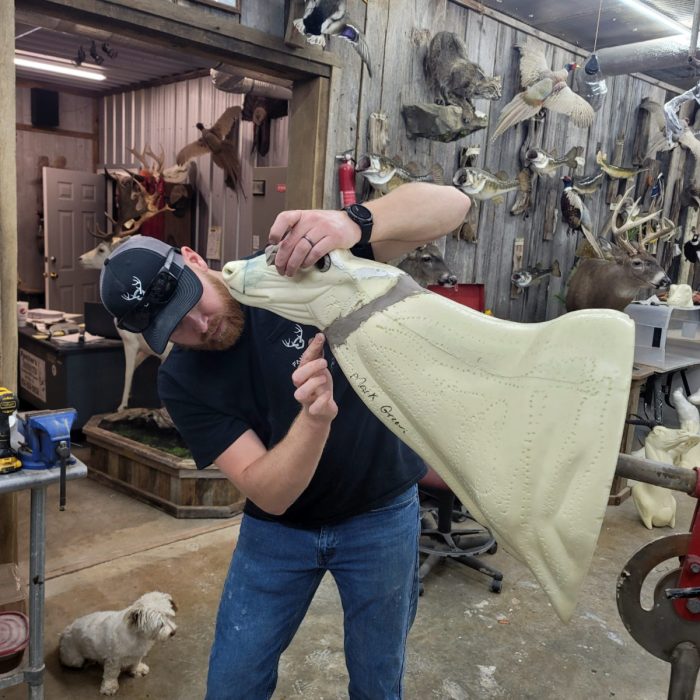
Responsible handling and curation of taxidermy specimens are critical for preserving their scientific value and ensuring the long-term integrity of the data derived from them. This involves meticulous record-keeping, appropriate storage conditions, and regular inspections to detect any signs of deterioration. Specimens should be stored in a cool, dry, and pest-free environment, protected from light and extreme temperature fluctuations. Regular cleaning and maintenance may be necessary to prevent damage and preserve the specimen’s condition. Detailed documentation should accompany each specimen, including information on its origin, preparation methods, and any relevant measurements or observations. The use of standardized protocols for data collection and specimen handling enhances the comparability and reproducibility of research findings. This standardization is vital for ensuring the reliability of data collected from different sources.
Hypothetical Data Management Plan for a Taxidermy-Based Environmental Monitoring Project
A robust data management plan is essential for any research project, and this is particularly true for taxidermy-based environmental monitoring. This plan should Artikel procedures for data storage, access, and sharing, ensuring data integrity, security, and compliance with relevant ethical guidelines and regulations. Data should be stored securely, using both physical and digital backups to prevent loss or damage. Access to data should be controlled, with appropriate permissions granted to authorized personnel only. Data sharing should follow established protocols, ensuring transparency and allowing for collaboration while protecting sensitive information. A metadata schema should be implemented, providing a standardized framework for describing each specimen and associated data. This schema ensures data consistency and facilitates efficient data retrieval and analysis.
Data Fields and Formats
The following table Artikels example data fields and their formats for a hypothetical taxidermy-based environmental monitoring project.
| Data Field | Data Type | Format | Example |
|---|---|---|---|
| Specimen ID | Text | Alphanumeric code | TM-2023-001 |
| Species | Text | Scientific name | Ursus arctos |
| Collection Date | Date | YYYY-MM-DD | 2023-03-15 |
| Collection Location | Geographic Coordinates | Latitude/Longitude (decimal degrees) | 45.1234,-122.5678 |
| Sex | Text | Male/Female | Male |
| Body Mass (kg) | Numeric | Decimal number | 150.5 |
| Tissue Sample ID | Text | Alphanumeric code | TS-2023-001-A |
| Contaminant Level (ppm) | Numeric | Decimal number | 0.25 |
Wrap-Up
Integrating taxidermy data with modern environmental monitoring techniques offers a powerful approach to understanding long-term ecological trends. The careful analysis of taxidermied specimens, coupled with responsible data management, provides invaluable insights that complement and enhance information gathered through contemporary methods. This interdisciplinary approach underscores the importance of preserving historical collections and recognizing their potential to inform our understanding of the ever-evolving natural world.