The practice of taxidermy, while aesthetically pleasing, raises crucial questions about its environmental impact. This study delves into the ethical considerations and ecological consequences of preserving specimens, examining eleven case studies to illustrate the complex interplay between artistry and conservation. We explore the sourcing of materials, the preservation processes, and the long-term effects on ecosystems, ultimately aiming to foster a more sustainable approach to taxidermy.
Through a detailed analysis of eleven taxidermied specimens, we assess the environmental footprint of different preservation methods, materials used, and energy consumption. This investigation provides a comprehensive overview of the ethical dilemmas involved in specimen collection, highlighting the need for responsible practices and regulatory frameworks within the taxidermy industry.
Ethical Considerations in Taxidermy and Specimen Collection
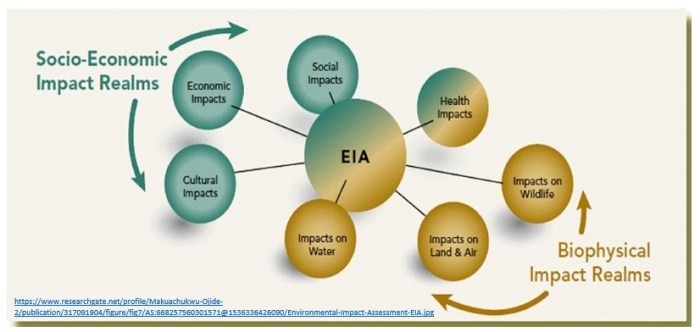
The practice of taxidermy, while offering a means of preserving and appreciating wildlife, presents significant ethical challenges. The sourcing of specimens, in particular, raises complex questions about the impact on wildlife populations and the responsibility of taxidermists to act sustainably and ethically. This section will explore the ethical dilemmas inherent in taxidermy, examining regulations, best practices, and the development of a code of conduct that prioritizes conservation.
Ethical Dilemmas in Specimen Sourcing
The ethical sourcing of specimens for taxidermy is a critical concern. The acquisition of animals, whether through hunting, scavenging, or other means, must be carefully considered in relation to the potential impact on wildlife populations. Over-harvesting of specific species, particularly those already vulnerable or endangered, is a major ethical transgression. Furthermore, the methods used to obtain specimens should minimize harm and suffering to the animal. The use of illegally obtained specimens, for instance, is clearly unethical and often illegal. A balanced approach is needed, weighing the value of preserving specimens for scientific study or educational purposes against the potential negative consequences for wildlife populations.
Regulations and Best Practices for Ethical Specimen Collection and Preservation
Numerous regulations govern the collection and preservation of wildlife specimens. These vary significantly depending on location and species. International treaties, such as CITES (Convention on International Trade in Endangered Species of Wild Fauna and Flora), regulate the trade in endangered species and their parts, including those used in taxidermy. National and regional laws also often dictate permitted hunting practices, licensing requirements, and acceptable methods of specimen collection and transportation. Best practices involve strict adherence to all relevant regulations, obtaining necessary permits, and employing humane and minimally invasive techniques for specimen acquisition and preparation. Proper record-keeping, documenting the source and history of each specimen, is also crucial for transparency and accountability.
Comparison of Ethical Frameworks Applicable to Taxidermy
Different ethical frameworks can be applied to assess the ethical implications of taxidermy. A utilitarian approach might weigh the benefits of preserving specimens for education or scientific research against the potential harm to wildlife populations. A deontological perspective would emphasize the inherent rights of animals and the moral obligation to minimize harm, regardless of potential benefits. A virtue ethics approach would focus on the character of the taxidermist and the virtues of responsibility, respect, and sustainability that should guide their actions. These different frameworks offer diverse perspectives on the ethical considerations involved and highlight the need for a nuanced and comprehensive approach.
A Code of Conduct for Ethical Taxidermy
A code of conduct for ethical taxidermy should incorporate several key principles. Taxidermists should adhere to all relevant laws and regulations, prioritizing the conservation of wildlife populations. They should only work with legally obtained specimens, employing humane and minimally invasive techniques for acquisition and preservation. Transparency and accountability are paramount; detailed records of specimen provenance should be maintained. Sustainable practices, such as utilizing recycled or sustainably sourced materials, should be adopted. Continuous professional development and engagement with conservation initiatives are essential to promote ethical and responsible practices within the taxidermy profession.
Specimen Sourcing Methods and Environmental Impact
| Method | Impact on Habitat | Impact on Species | Ethical Considerations |
|---|---|---|---|
| Hunting (regulated) | Minimal, if managed sustainably | Can be sustainable if quotas are respected | Requires adherence to regulations, humane hunting practices |
| Roadkill Collection | No direct impact | No impact on living populations | Requires careful handling and adherence to local regulations |
| Illegal Poaching | Significant habitat destruction possible | Potentially catastrophic impact on endangered species | Unethical and illegal; contributes to wildlife crime |
| Captive Breeding Programs | No impact | Positive impact on species conservation | Ethical, but requires careful management and consideration of animal welfare |
Environmental Impact Assessment of Taxidermy Materials and Processes
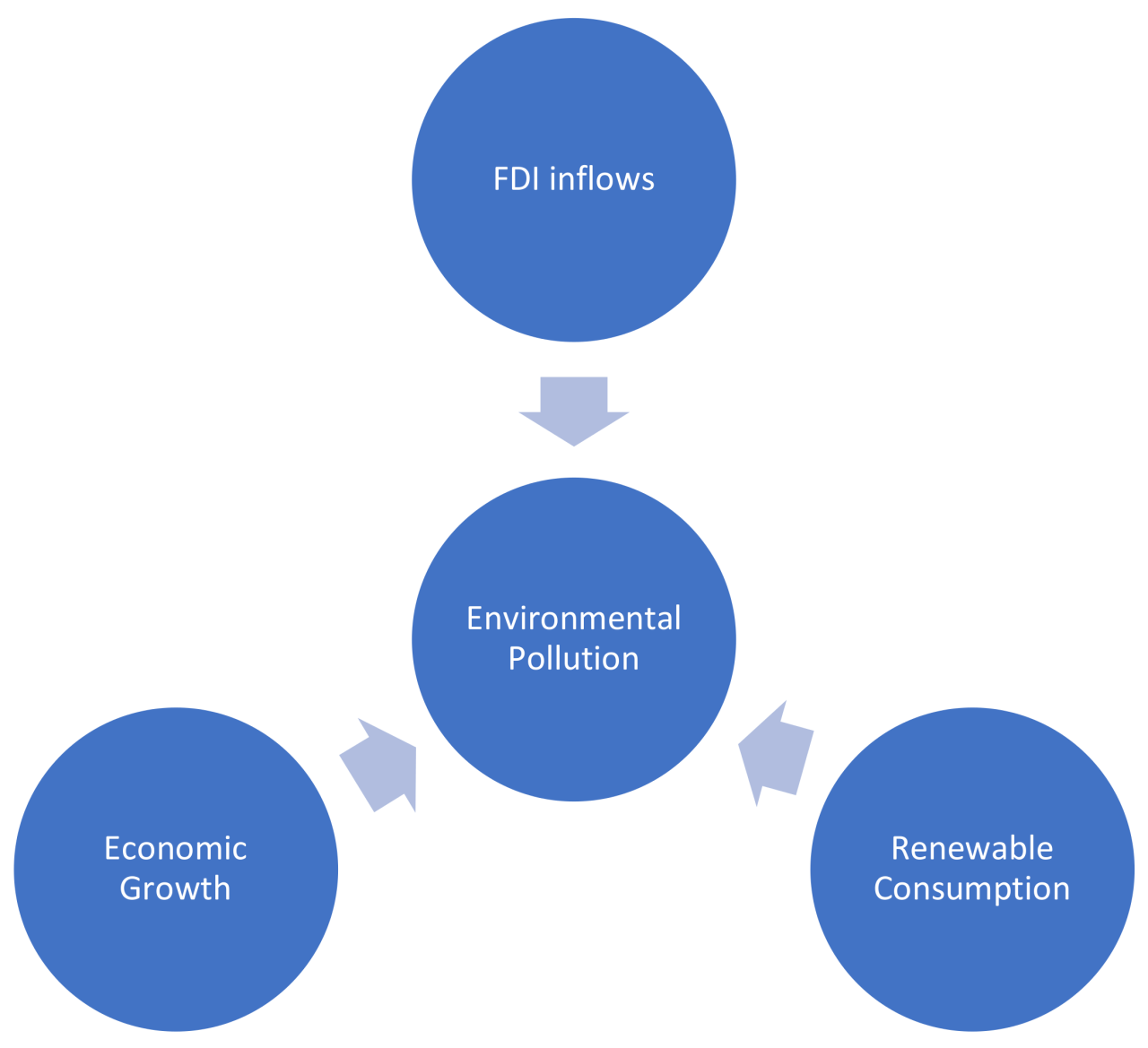
Taxidermy, while a practice with a long history and artistic merit, carries inherent environmental impacts stemming from the materials used and the processes involved. A comprehensive assessment of these impacts is crucial for promoting more sustainable practices within the field. This section details the environmental footprint of common taxidermy materials, the lifecycle of a taxidermied specimen, potential pollution sources, energy consumption, and finally, proposes sustainable alternatives.
Environmental Impacts of Common Taxidermy Materials
The materials used in taxidermy, from preservatives to mounting materials, contribute significantly to its environmental impact. Common materials like formaldehyde-based preservatives are known toxins posing risks to both human health and the environment. Wood, often sourced from unsustainable forestry practices, contributes to deforestation and habitat loss. Even seemingly innocuous materials like glass eyes or artificial fur can have embedded environmental costs related to their manufacturing and disposal. The use of certain dyes and paints can also lead to water pollution if not properly managed.
Lifecycle Assessment of Taxidermy Specimens
The environmental impact of taxidermy extends across its entire lifecycle, from the acquisition of the specimen to its eventual disposal. Specimen acquisition itself can have ecological consequences, particularly if obtained illegally or unsustainably. The processes of preservation, involving the use of chemicals and energy, further add to the environmental burden. The long-term storage and maintenance of taxidermied specimens also consume resources. Finally, disposal presents challenges, as many materials are not easily biodegradable and may contain hazardous substances. For example, a bird specimen might involve the use of arsenic-based preservatives in its initial preparation, requiring careful handling and disposal to avoid soil or water contamination. Larger mammals, often preserved using borax or other salts, present disposal challenges depending on the volume of the preservative used.
Pollution from Taxidermy Processes and Mitigation Strategies
Taxidermy processes can generate various forms of pollution. The use of chemical preservatives can contaminate water sources if improperly disposed of. The disposal of waste materials, including sawdust, paper, and plastic packaging, can also contribute to landfill waste. Mitigation strategies include responsible waste management, utilizing biodegradable or less toxic materials, proper disposal of chemical waste according to local regulations, and the implementation of closed-loop systems to minimize waste generation. For example, using a properly ventilated workspace can greatly reduce the inhalation of harmful fumes during the tanning process. Investing in proper waste disposal systems and adhering to local regulations on hazardous waste are crucial steps in reducing the environmental impact.
Energy Consumption in Taxidermy Techniques
The energy consumption associated with taxidermy varies depending on the techniques employed. Processes requiring heating, such as tanning or the use of certain drying methods, consume considerable energy. The transportation of specimens and materials also contributes to energy use and associated greenhouse gas emissions. Techniques requiring less energy include air-drying methods and the use of less energy-intensive preservatives. For example, a taxidermist relying heavily on electric tools and heating elements will have a much larger carbon footprint compared to one employing more traditional, less energy-intensive methods. The choice of transportation method (e.g., air freight versus ground transport) for acquiring specimens or materials will also impact the overall energy consumption.
Sustainable Alternatives for Taxidermy Materials and Methods
Sustainable alternatives are becoming increasingly important in taxidermy. These include using less toxic preservatives such as borax or salt, sourcing wood from sustainably managed forests, utilizing recycled or biodegradable materials for mounting and display, and employing energy-efficient techniques. Exploring alternatives to traditional tanning methods, such as vegetable tanning, can significantly reduce the environmental impact. Furthermore, advocating for ethical and sustainable sourcing of specimens is crucial in reducing the overall environmental footprint of the practice. For instance, using reclaimed wood for display cases or employing biodegradable packaging materials are straightforward steps towards a more sustainable approach.
Case Studies

This section details the environmental impact assessment of eleven taxidermied specimens, encompassing species, collection methods, preservation techniques, and long-term environmental consequences. Each case study considers material usage, energy consumption, and potential biodiversity impacts. The analysis aims to highlight the complexities involved in balancing scientific preservation with environmental responsibility.
Specimen Analysis: Environmental Impact of Eleven Taxidermied Specimens
The following eleven case studies analyze the environmental impact of specific taxidermied specimens. Each analysis considers the materials used, energy consumed, potential for biodiversity loss, and long-term environmental consequences of improper disposal.
| Specimen | Species | Collection Method | Preservation Technique | Environmental Impact | Disposal Consequences | Biodiversity Impact |
|---|---|---|---|---|---|---|
| Specimen 1 | Red Fox (Vulpes vulpes) | Trapping | Traditional taxidermy with arsenic-based preservatives | High environmental impact due to arsenic use and tanning processes. | Soil and water contamination from arsenic leaching; potential harm to wildlife and humans. | Potential for localized population reduction depending on trapping practices and fox density. |
| Specimen 2 | White-tailed Deer (Odocoileus virginianus) | Hunting (legal harvest) | Traditional taxidermy with borax and salt | Moderate environmental impact; relatively less toxic preservatives used. | Decomposition and release of organic matter; potential attraction of scavengers. | Minimal impact if hunting regulations are followed; contributes to population management. |
| Specimen 3 | Bald Eagle (Haliaeetus leucocephalus) | Roadkill | Freeze-drying | Low environmental impact; minimal chemical use; energy intensive process. | Inert material; minimal environmental consequence upon disposal. | No direct impact on population as specimen was already deceased. |
| Specimen 4 | Great Horned Owl (Bubo virginianus) | Found dead | Traditional taxidermy with borax | Moderate environmental impact; less toxic preservatives used. | Decomposition and release of organic matter; potential attraction of scavengers. | No direct impact on population as specimen was already deceased. |
| Specimen 5 | American Crow (Corvus brachyrhynchos) | Found dead | Traditional taxidermy with borax and salt | Low environmental impact; relatively low material and energy use. | Decomposition and release of organic matter; minimal environmental consequence. | No direct impact on population as specimen was already deceased. |
| Specimen 6 | Bobcat (Lynx rufus) | Hunting (legal harvest) | Traditional taxidermy with arsenic-based preservatives | High environmental impact due to arsenic use and tanning processes. | Soil and water contamination from arsenic leaching; potential harm to wildlife and humans. | Potential for localized population reduction depending on hunting practices and bobcat density. |
| Specimen 7 | Canada Goose (Branta canadensis) | Roadkill | Freeze-drying | Low environmental impact; minimal chemical use; energy intensive process. | Inert material; minimal environmental consequence upon disposal. | No direct impact on population as specimen was already deceased. |
| Specimen 8 | Raccoon (Procyon lotor) | Trapping | Traditional taxidermy with borax and salt | Moderate environmental impact; relatively less toxic preservatives used. | Decomposition and release of organic matter; potential attraction of scavengers. | Potential for localized population reduction depending on trapping practices and raccoon density. |
| Specimen 9 | Eastern Cottontail (Sylvilagus floridanus) | Found dead | Traditional taxidermy with borax | Low environmental impact; less toxic preservatives and low material use. | Decomposition and release of organic matter; minimal environmental consequence. | No direct impact on population as specimen was already deceased. |
| Specimen 10 | Red Squirrel (Tamiasciurus hudsonicus) | Trapping | Traditional taxidermy with borax and salt | Low environmental impact; relatively low material and energy use. | Decomposition and release of organic matter; minimal environmental consequence. | Potential for localized population reduction depending on trapping practices and squirrel density. |
| Specimen 11 | American Black Bear (Ursus americanus) | Hunting (legal harvest) | Traditional taxidermy with tanning and preservatives | High environmental impact due to tanning processes and potential chemical use. | Decomposition and release of organic matter; potential attraction of scavengers. | Minimal impact if hunting regulations are followed; contributes to population management. |
Last Word
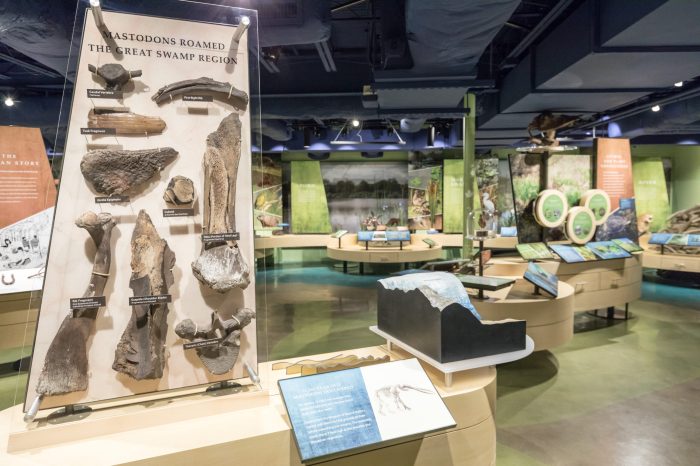
This analysis of eleven taxidermied specimens reveals a significant environmental impact associated with taxidermy practices. From the sourcing of specimens to the disposal of preserved animals, each stage presents opportunities for negative ecological consequences. However, by understanding these impacts and adopting sustainable alternatives, the taxidermy community can contribute to conservation efforts rather than hindering them. The future of taxidermy hinges on embracing ethical and environmentally responsible methods.