Preserving the beauty and majesty of wildlife through taxidermy is a rewarding but challenging art. Achieving a truly lifelike and lasting result requires precision and knowledge. Many aspiring taxidermists encounter common pitfalls that can lead to disappointing outcomes, from unpleasant odors to ruined specimens. This guide will illuminate five frequent mistakes, offering practical advice and techniques to help you avoid them and produce high-quality work.
From the initial skinning process to the final mounting, careful attention to detail is paramount. Understanding the nuances of each stage, from proper fleshing to appropriate tanning methods, is crucial for success. This guide aims to provide a comprehensive overview of these critical steps, equipping you with the knowledge to create taxidermy pieces that are both aesthetically pleasing and durable.
Improper Skinning and Fleshing
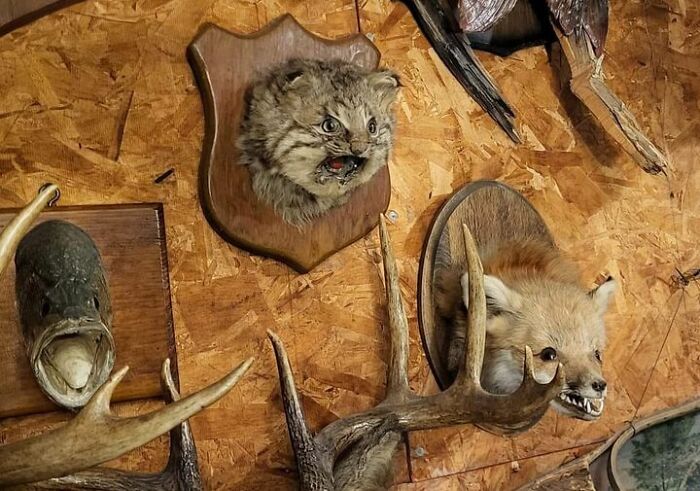
Proper skinning and fleshing are fundamental to successful taxidermy. These initial steps directly impact the final product’s appearance, longevity, and overall quality. Failing to execute these steps correctly can lead to significant problems, including rapid deterioration and unpleasant odors.
The techniques for skinning vary depending on the animal’s size, species, and hide characteristics. Small animals, like rodents, may require a simpler approach than large mammals like deer. Regardless of the animal, meticulous fleshing is crucial for preventing decay and ensuring long-term preservation. Incomplete fleshing leaves behind fat and muscle tissue, providing a breeding ground for bacteria and insects, leading to irreversible damage.
Consequences of Insufficient Fleshing
Insufficient fleshing results in several undesirable outcomes. The most immediate consequence is often a foul odor emanating from the decaying tissue trapped beneath the hide. This odor is not only unpleasant but can also attract insects, leading to infestations that can further damage the hide and potentially destroy the specimen. Beyond odor and infestation, incomplete fleshing accelerates the decomposition process, resulting in premature deterioration of the hide and a significantly shorter lifespan for the mounted animal. The hide may become brittle, discolored, and ultimately unusable.
Skinning and Fleshing Techniques and Tools
Proper skinning and fleshing require the use of appropriate tools. The selection of tools depends on the size and type of animal being processed. A sharp scalpel or skinning knife is essential for making precise incisions, while fleshing tools, such as fleshing knives and beavers, are used to remove fat and muscle tissue from the hide.
| Tool Name | Description | Use Case | Advantages/Disadvantages |
|---|---|---|---|
| Scalpel | Small, sharp blade with a handle. | Precise incisions during initial skinning, especially on delicate areas. | Advantages: Precision, control. Disadvantages: Can be fragile, requires careful handling. |
| Skinning Knife | Longer blade with a curved or pointed tip. | General skinning, separating hide from flesh. | Advantages: Versatility, good for larger animals. Disadvantages: Can be less precise than a scalpel. |
| Fleshing Knife | Broad, flat blade with a dull edge. | Removing fat and tissue from the hide. | Advantages: Efficient fat and tissue removal. Disadvantages: Requires skill to avoid damaging the hide. |
| Beaver | Two-handled tool with a curved blade. | Removing stubborn fat and tissue. | Advantages: Removes tough tissue effectively. Disadvantages: Potential for hide damage if used improperly. |
Visual Comparison: Correctly and Incorrectly Fleshed Hides
A correctly fleshed hide appears smooth, even in texture, and is relatively thin and pliable. The flesh side is a pale, consistent color, free of any lumps or thick patches of fat or muscle. In contrast, an incorrectly fleshed hide appears uneven, with noticeable lumps and patches of residual tissue. The color may be uneven, and the texture rough and thick. The hide might also exhibit a greasy appearance due to the presence of excess fat. The difference is readily apparent; a correctly fleshed hide has a clean, uniform appearance, while an incorrectly fleshed hide appears messy and poorly prepared.
Inadequate Tanning and Preservation
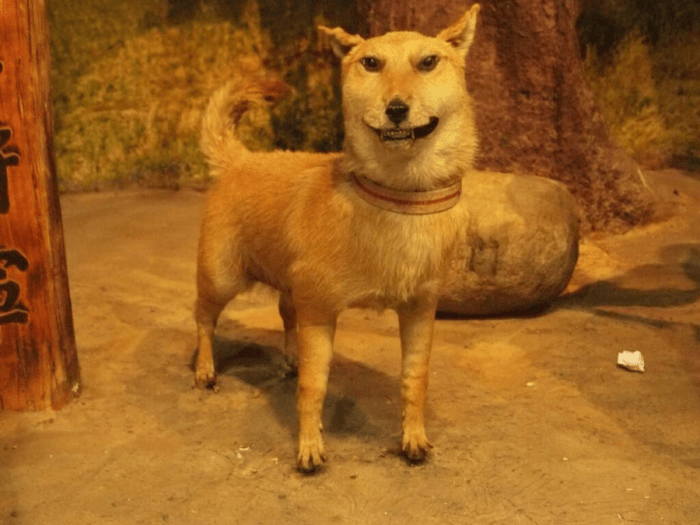
Proper tanning and preservation are critical for long-term taxidermy success. A poorly tanned hide is prone to decay, insect infestation, and unsightly shrinkage, ultimately ruining the final mount. Understanding the various tanning methods and employing meticulous techniques is paramount to achieving a lifelike and durable specimen.
Tanning Methods and Their Suitability
Several tanning methods exist, each with varying degrees of effectiveness and suitability for different animal hides. The choice depends on factors such as hide thickness, animal species, and the taxidermist’s experience level. Common methods include chrome tanning, brain tanning, and alum tanning. Chrome tanning, using chromium salts, is a rapid and efficient process, producing a supple and durable hide ideal for most mammals. However, it requires careful handling of chemicals and adherence to safety protocols. Brain tanning, a traditional method using the animal’s own brain matter, is slower but produces a naturally soft and pliable hide, particularly suitable for smaller animals and those with delicate hides. Alum tanning, employing aluminum salts, is a simpler, less toxic method, yielding a firmer hide suitable for certain applications but generally less durable than chrome tanning. The choice of method requires careful consideration of the specific hide and desired outcome.
Salt Application and Drying Techniques for Hide Preservation
Proper salting and drying are essential first steps in preventing bacterial growth and decay. The hide must be thoroughly salted immediately after skinning to draw out moisture and inhibit bacterial activity. Liberal application of non-iodized salt to both flesh and skin sides is crucial. Excessive salt can be detrimental, however, leading to excessive drying and potential hide damage. The drying process needs careful management to prevent rapid shrinking and uneven drying. Proper airflow is vital, with the hide ideally spread flat in a well-ventilated area, away from direct sunlight and heat. Regular turning and monitoring are necessary to ensure even drying. Improper salting or drying can result in putrefaction, leading to irreversible damage and rendering the hide unusable.
Common Tanning Mistakes and Their Effects
Several common mistakes can significantly impact the final product. Uneven tanning, often resulting from insufficient agitation or inconsistent chemical application during the tanning process, leads to areas of varying flexibility and durability. Shrinkage, caused by improper drying or inadequate tanning, results in a smaller, distorted final product. Stiffness, often a consequence of over-tanning or inadequate neutralization, reduces the flexibility and lifelike appearance of the mount. These issues highlight the importance of meticulous attention to detail and a thorough understanding of the tanning process.
Tanning Process Checklist
A detailed checklist helps ensure a successful tanning process. This checklist provides a structured approach to avoid common pitfalls:
- Thorough fleshing and degreasing of the hide.
- Liberal application of non-iodized salt to both flesh and skin sides.
- Proper drying in a well-ventilated area, away from direct sunlight and heat.
- Accurate measurement and mixing of tanning chemicals, according to manufacturer instructions.
- Consistent agitation during the tanning process to ensure even penetration of chemicals.
- Thorough rinsing and neutralization after tanning.
- Careful and even drying to prevent shrinkage and stiffness.
- Regular inspection for signs of uneven tanning, shrinkage, or damage.
Incorrect Mounting and Posing
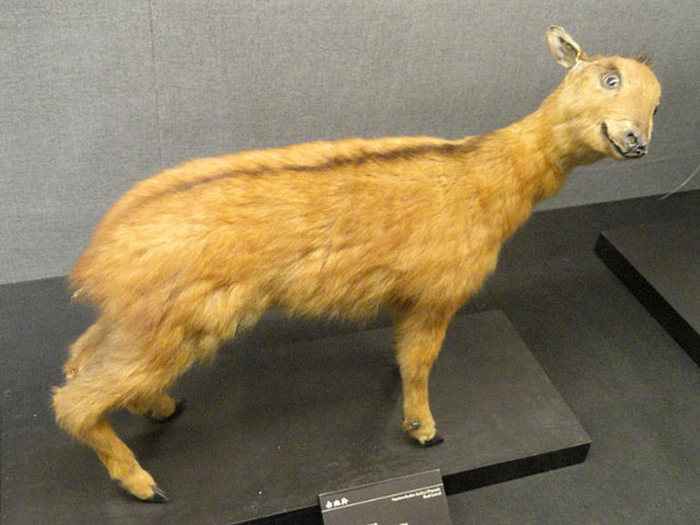
Achieving a lifelike and aesthetically pleasing taxidermy mount hinges critically on accurate posing and mounting. Incorrect positioning can drastically detract from the overall quality, rendering even meticulously prepared specimens unconvincing. Understanding animal anatomy and employing appropriate mounting techniques are essential to avoid these common pitfalls.
Common Posture Mistakes and Their Impact
Several common posture mistakes significantly impact the realism of a taxidermy mount. For instance, an unnatural head position, such as a head held too high or too low, immediately betrays the artificial nature of the piece. Similarly, stiff, unnatural limb positions—legs splayed awkwardly or paws positioned unconvincingly—detract from the overall aesthetic. In birds, improperly positioned wings or tails can create an unbalanced and unrealistic appearance. These errors can make the animal appear unnatural, lifeless, and ultimately, less appealing to the viewer. For example, a deer mount with its head tilted at an unnatural angle will lack the grace and majesty expected of a well-executed piece. A bird with wings held too far from its body appears strained and unnatural, lacking the dynamism of a living creature.
Mounting Methods for Various Animal Species
Mounting methods vary considerably depending on the animal species and its unique anatomical features. Birds, for example, often require a specialized form tailored to their skeletal structure and plumage. Mannikins, small, lightweight armatures, are commonly used to support the bird’s body and allow for natural wing and tail positioning. Mammals, conversely, frequently necessitate more robust armatures, often crafted from wire or foam, to support their larger and heavier bodies. The choice of armature material should consider the animal’s size, weight, and pose. For example, a small rodent might be adequately supported by a simple wire armature, while a large bear would require a more substantial structure, perhaps incorporating wood or metal components for added strength and stability.
Proper Positioning of Head, Limbs, and Body
Achieving a natural pose requires careful consideration of the animal’s anatomy and typical posture in life. The head should be positioned in a manner consistent with the animal’s natural bearing. Limbs should be flexed naturally at the joints, avoiding stiff, unnatural angles. The body should be sculpted to reflect the animal’s musculature and overall form. Detailed observation of reference photographs or even live animals is invaluable in achieving accurate positioning. For instance, a resting deer should have its legs positioned beneath its body, conveying a sense of repose. Conversely, a predatory animal in a stalking pose would require its limbs positioned dynamically, ready for action. A bird in flight demands meticulous attention to wing and tail positioning, ensuring they accurately reflect the aerodynamics of its movement.
Armature Construction for Proper Support and Stability
The armature serves as the foundational support for the taxidermy mount. It provides the framework upon which the skin and form are built, ensuring the final piece is stable and retains its intended pose. Materials used in armature construction range from simple wire for smaller animals to more complex structures of wood, metal, and foam for larger specimens. The construction method depends heavily on the animal’s size, shape, and intended pose. A properly constructed armature provides a secure and stable base, preventing sagging or distortion of the finished piece. For example, a simple wire armature might suffice for a small bird, but a large mammal would require a more robust structure using foam and wire, carefully sculpted to mimic the underlying musculature. Careful consideration must be given to weight distribution to prevent unnatural sagging or distortion of the final mount.
Final Conclusion
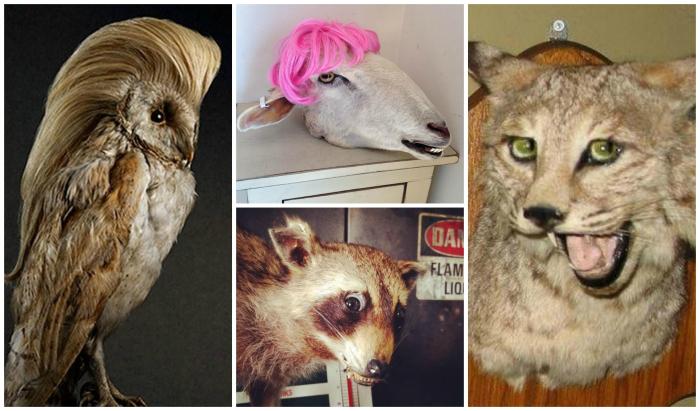
Mastering the art of taxidermy involves a meticulous approach and a deep understanding of the animal’s anatomy. By avoiding common mistakes like improper skinning, inadequate tanning, and incorrect mounting, you can significantly enhance the quality and longevity of your work. Remember, patience, attention to detail, and continuous learning are key to producing stunning and lasting taxidermy pieces that capture the essence of the animal. With practice and the right techniques, you can transform your passion into a skill that honors the beauty of the natural world.