Embark on a journey into the fascinating world of taxidermy with “The Ultimate Guide to Taxidermy: 25+ Tips and Tricks.” This comprehensive guide delves into the art and science of preserving animal specimens, providing a detailed exploration of techniques and essential knowledge for both beginners and experienced enthusiasts. From selecting the right tools and understanding safety precautions to mastering intricate skinning and mounting methods, this guide offers a wealth of information to help you create stunning and lifelike taxidermy pieces.
Whether you’re aiming to preserve a cherished pet or seeking to develop your skills in wildlife artistry, this guide offers a structured approach to learning the craft. We’ll cover everything from preparing the animal and selecting appropriate materials to the final stages of finishing and preservation, ensuring your creations stand the test of time. Prepare to be captivated by the intricate details and the rewarding experience of transforming a memory into a lasting work of art.
Essential Tools and Supplies for Taxidermy
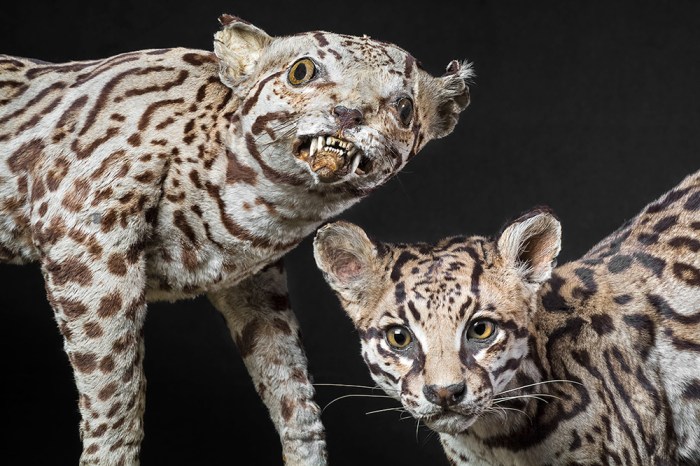
Beginning a taxidermy project requires careful preparation. Having the right tools and supplies readily available will ensure a smooth and efficient process, leading to a high-quality finished product. Properly equipping yourself beforehand minimizes interruptions and potential damage to the specimen.
Essential Tools and Supplies
A well-organized workspace is crucial for successful taxidermy. The following table categorizes the essential tools and supplies, detailing their purpose and use.
| Tool Category | Tool Name | Description | Usage |
|---|---|---|---|
| Preparation | Sharp Scalpel or Skinning Knife | A very sharp blade, ideally with a replaceable blade system for safety and consistent sharpness. | Used for initial skinning and fleshing of the animal. |
| Preparation | Scissors | Various sizes are useful, including fine-tipped and blunt-ended scissors. | Used for trimming excess tissue and fur, cutting sutures, and other precise cutting tasks. |
| Preparation | Fleshing Knife | A dull-edged knife specifically designed for removing fat and muscle tissue from the hide. | Used to carefully remove remaining flesh and fat from the skin after initial skinning. |
| Preparation | Brain Spoon | A long, thin spoon-like tool used to remove the brain from the skull cavity. | Essential for cleaning the skull and preventing decomposition. |
| Tanning | Tanning Solution (see below for details) | Chemical solution used to preserve the hide and prevent decay. | Soaks the hide to preserve it. |
| Mounting | Mounting Form | A sculpted form made of foam or other material, representing the animal’s body shape. | Provides the structure for the mounted animal. |
| Mounting | Sewing Needles and Thread | Strong, appropriately sized needles and thread are crucial for stitching the skin to the form. | Used to meticulously sew the skin onto the mounting form. |
| Finishing | Brushes (various sizes) | Soft brushes for cleaning and applying finishing materials. | Used for grooming fur and applying finishing touches. |
| Finishing | Artificial Eyes | Realistic artificial eyes are used to replace the natural eyes. | Essential for creating a lifelike appearance. |
| General | Gloves (nitrile or similar) | Protect hands from chemicals and potential pathogens. | Essential for hygiene and safety. |
| General | Work Surface (covered) | A clean, spacious, and easily cleaned surface is essential. | Provides a clean workspace to minimize contamination. |
Tanning Solutions
Several types of tanning solutions are available, each with its own advantages and disadvantages. The choice depends on the size and type of animal, the desired outcome, and the taxidermist’s experience.
- Chrome Tanning: This is the most common method, using chromium salts to preserve the hide. It’s relatively fast, produces a supple leather, and is widely accessible. However, it can be less durable than other methods over very long periods.
- Vegetable Tanning: Using plant-based tannins, this method is known for its environmentally friendly nature and the production of a strong, durable leather. However, it’s a much slower process, requiring more time and expertise.
- Alum Tanning: A simpler method using aluminum salts, it’s often used for smaller specimens and is relatively quick. However, the resulting leather is less durable than chrome or vegetable tanned hides.
Hygiene and Safety Precautions
Maintaining proper hygiene and following safety procedures is paramount in taxidermy. Working with animal tissues and chemicals carries inherent risks.
- Always wear appropriate personal protective equipment (PPE), including gloves, eye protection, and a mask.
- Work in a well-ventilated area to minimize exposure to fumes from tanning solutions and other chemicals.
- Properly dispose of all waste materials according to local regulations. Many tanning solutions and other materials are hazardous.
- Wash your hands thoroughly with soap and water after handling any animal tissue or chemicals.
- Be aware of potential hazards associated with sharp tools and use them carefully.
- If you are allergic to any materials or have any medical conditions, take appropriate precautions.
Skinning and Fleshing Techniques for Various Animals
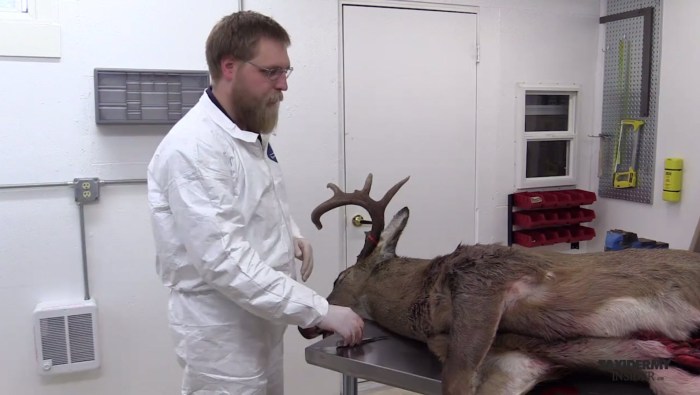
Proper skinning and fleshing are crucial steps in the taxidermy process, ensuring the preservation of the animal’s hide and creating a lifelike mount. Different techniques are employed depending on the size and species of the animal. Understanding these techniques is vital for achieving high-quality results.
Skinning a Small Mammal
Skinning a small mammal, such as a squirrel, requires careful attention to detail to avoid damaging the delicate hide. Begin by making an incision along the belly, from the bottom of the chin to the base of the tail. Carefully separate the skin from the underlying muscle and fat tissue using a sharp, pointed blade. Work your way around the legs, carefully cutting through the connective tissue. For the head, carefully work the skin away from the skull, taking care not to cut into the eyes or ears. Once the skin is completely removed from the body, carefully clean any remaining flesh and fat. Imagine the squirrel’s skin as a sock being peeled off, starting at the belly and working your way up and around the legs and head. The delicate nature of the skin requires slow, precise movements to prevent tears. The skull should remain intact within the skin until the final stages of tanning and mounting.
Skinning Methods for Birds and Larger Mammals
The methods for skinning birds and larger mammals differ significantly due to size and anatomical structure. Birds require a different approach because of their feathered skin and skeletal structure. Larger mammals, like deer, necessitate more robust tools and techniques due to the thickness of their hides and greater muscle mass.
| Animal Type | Skinning Method | Tools Used |
|---|---|---|
| Small Mammal (e.g., squirrel) | Incision along the belly, careful separation of skin from muscle and fat | Sharp scalpel or small knife, fleshing beam |
| Bird | Incision along the belly, careful separation of skin from breastbone, removal of wings and legs | Sharp scalpel or small knife, bone shears, fleshing beam |
| Large Mammal (e.g., deer) | Incision along the belly, careful separation of skin from muscle and fat, possibly using a skinning knife or a specialized tool to help peel the hide from the carcass | Skinning knife, fleshing knife, fleshing beam, possibly a skinning machine for larger animals |
Fleshing and Degreasing Techniques
Proper fleshing and degreasing are essential for preventing decay and ensuring the longevity of the taxidermy mount. Failure to adequately remove flesh and fat can lead to putrefaction and unpleasant odors.
- Fleshing: Use a fleshing knife or beam to carefully scrape away all remaining muscle tissue, fat, and connective tissue from the inside of the hide. Pay close attention to areas around the legs and head where fat often accumulates. The goal is to leave a clean, even hide with no remaining flesh or fat. This process can be quite time-consuming and requires patience and attention to detail.
- Degreasing: Once fleshed, the hide must be degreased to remove any remaining oil and fat. This can be achieved through various methods, including washing with degreasing detergents, soaking in degreasing solutions, or using a combination of both. Proper degreasing prevents the hide from becoming rancid and ensures its long-term preservation. The duration of degreasing depends on the thickness of the hide and the amount of fat present. Thorough degreasing is critical to preventing future issues.
Potential challenges include accidentally damaging the hide during fleshing, incomplete degreasing leading to spoilage, and the time-consuming nature of both processes. Careful and meticulous work is key to overcoming these challenges.
Mounting and Finishing Techniques for Taxidermy Specimens
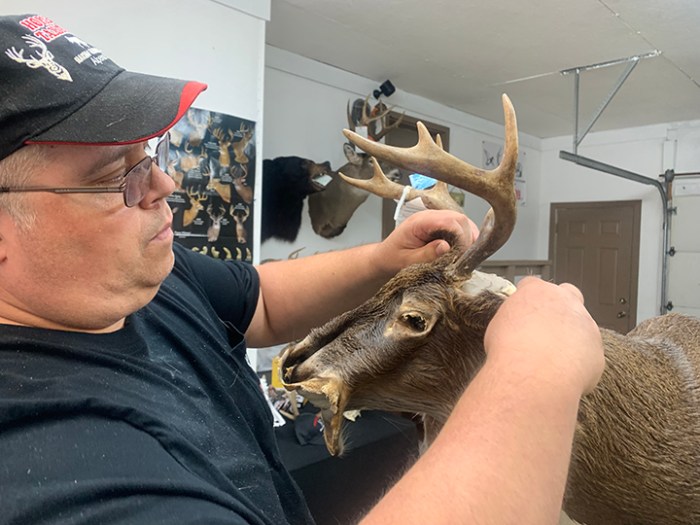
Proper mounting and finishing are crucial for creating a lifelike and lasting taxidermy specimen. These final steps transform a prepared animal hide into a realistic representation, preserving its form and beauty for years to come. Careful attention to detail at this stage is essential for achieving a high-quality finished product.
Bird Specimen Mounting: A Step-by-Step Guide
Mounting a bird requires precision and a delicate touch. The process involves carefully positioning the bird on a manikin, ensuring accurate posture and natural-looking stance. This section details the steps involved in achieving a lifelike mount.
- Manikin Selection and Preparation: Choose a manikin that accurately reflects the bird’s size and species. Ensure the manikin is clean and free of any debris.
- Positioning the Bird: Carefully position the bird’s body onto the manikin, ensuring the legs and wings are correctly placed. Reference photographs of the bird in its natural habitat to guide your posing. Pay close attention to the natural curvature of the body and the angle of the wings and legs.
- Securing the Bird: Use appropriate adhesives and pins to secure the bird’s skin to the manikin. Work methodically, starting with the body and then moving to the wings and legs. Ensure the skin is taut and free of wrinkles.
- Wire Support: For added support, especially in the wings and legs, insert thin wires into the manikin and through the skin. This will help maintain the pose and prevent sagging over time.
- Finishing Touches: Once the bird is securely mounted, carefully smooth out any remaining wrinkles in the skin. Pay close attention to detail in the feather arrangement to ensure a natural look.
Creating Realistic Eyes and Facial Features
Realistic eyes and facial features are essential for a convincing taxidermy mount. The eyes are particularly important as they often serve as the focal point of the specimen. Several materials are available for creating realistic eyes.
- Glass Eyes: These are the most common type of taxidermy eyes and are available in a wide variety of colors and sizes. They provide a lifelike appearance and are relatively easy to install.
- Plastic Eyes: A more affordable alternative, plastic eyes can offer a decent level of realism, though they may lack the depth and shine of glass eyes.
- Custom-Made Eyes: For highly specialized taxidermy work, custom-made eyes can be commissioned to achieve a truly unique and realistic appearance. This option is more expensive but offers unparalleled precision and detail.
The process of installing eyes involves carefully inserting them into the eye sockets, ensuring they are properly positioned and aligned. Fine detailing of facial features, such as the beak and nostrils, can be achieved using sculpting materials like epoxy putty or specialized paints. These materials allow for subtle adjustments and corrections to achieve a natural appearance.
Finishing and Preserving Taxidermied Animals
Proper finishing and preservation techniques are essential for ensuring the longevity and aesthetic appeal of your taxidermy specimen. This includes techniques to prevent damage, maintain the integrity of the specimen, and enhance its overall presentation. Display options should also be carefully considered to best showcase the animal.
- Final Cleaning and Detailing: After mounting, carefully clean the specimen to remove any residual dust or debris. This will ensure the specimen looks its best.
- Finishing Touches: Apply a final coat of sealant or preservative to protect the specimen from damage and deterioration. This will help maintain the integrity of the skin and fur.
- Display Options: Consider the best way to display your specimen, whether it be on a shelf, in a case, or mounted on a custom-made base. The display method should enhance the specimen’s aesthetic appeal and protect it from environmental factors.
- Long-Term Care: Regular inspection and cleaning will help to maintain the quality of the taxidermy specimen. This will involve dusting and occasionally cleaning the specimen to remove dirt and debris. Keep the specimen away from direct sunlight and excessive heat or moisture.
Proper aftercare is critical for preserving your taxidermy work. Ignoring these steps can lead to significant damage and reduce the lifespan of your specimen.
Conclusion
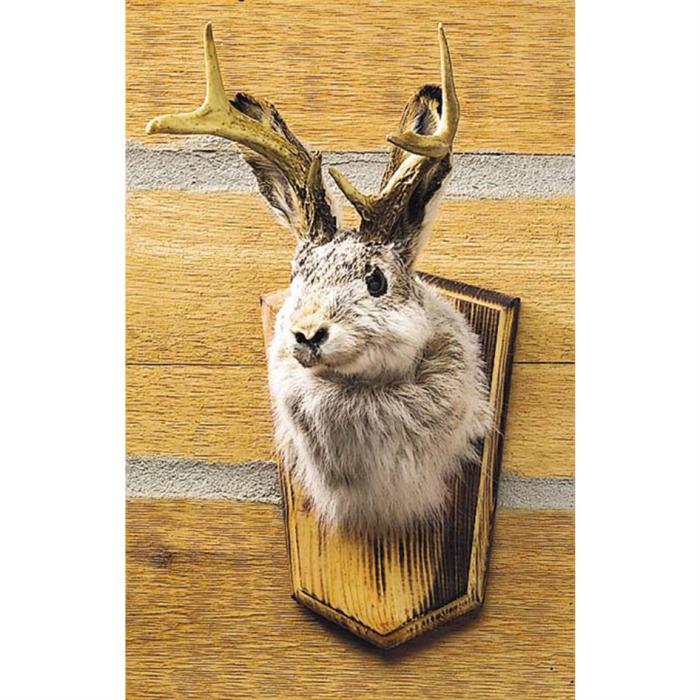
Mastering taxidermy requires patience, precision, and a deep respect for the animals being preserved. “The Ultimate Guide to Taxidermy: 25+ Tips and Tricks” equips you with the necessary knowledge and practical skills to embark on this rewarding journey. By following the step-by-step instructions and safety guidelines, you can confidently create beautiful and enduring taxidermy pieces, transforming your passion into stunning works of art that will be treasured for generations. Remember that ethical sourcing and responsible practices are paramount throughout the entire process.