Taxidermy, the art of preserving animal specimens, boasts a rich and diverse history spanning the globe. From the meticulous realism of Victorian-era European techniques to the innovative, stylized approaches of contemporary artists, the practice reflects cultural values and technological advancements across different regions. This exploration delves into ten unique styles of taxidermy, revealing the fascinating interplay between tradition, artistry, and modern innovation.
We will examine regional variations, comparing traditional North American and European methods with the specialized techniques of East Asia and Africa. Further, we’ll trace the evolution of artistic styles, from realistic representations to contemporary interpretations, and explore how cultural beliefs influence aesthetic preferences. Finally, we’ll consider the impact of modern materials, technologies, and ethical concerns on the future of this compelling art form.
Regional Variations in Taxidermy Techniques
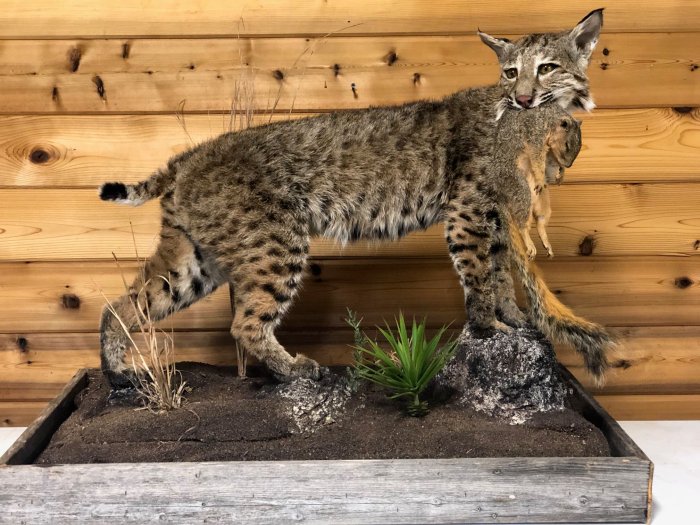
Taxidermy, the art of preserving animal specimens, boasts a rich history with diverse regional approaches reflecting available materials, cultural influences, and aesthetic preferences. Significant variations exist in techniques and materials used across different parts of the world, shaping the final presentation and longevity of the preserved animals. This section will explore some key regional differences in taxidermy practices.
North American and European Taxidermy Techniques
Traditional taxidermy methods in North America and Europe, while sharing some common ground, exhibit distinct characteristics. North American taxidermy often emphasizes a lifelike pose and realistic representation of the animal in its natural habitat. European techniques, particularly in older traditions, sometimes prioritize the display of the animal’s form and structure, sometimes with a less overtly naturalistic presentation.
| Region | Common Techniques | Materials | Aesthetic Emphasis |
|---|---|---|---|
| North America | Form-building using man-made materials, careful skinning and fleshing, detailed eye and mouth replacement, advanced posing techniques | Polymer clays, artificial eyes, synthetic materials, various paints and dyes | Lifelike representation, natural poses |
| Europe | Traditional methods involving careful skin preservation, stuffing with natural materials (e.g., straw, cotton), simpler posing techniques | Natural fibers (straw, cotton, wood wool), glass eyes, natural pigments | Display of form and structure, sometimes less emphasis on precise natural pose |
East Asian Bird Taxidermy
East Asian bird taxidermy, particularly in countries like Japan and China, features unique approaches that often differ significantly from Western methods. A focus on meticulous detail and the preservation of the bird’s plumage is paramount. Specialized tools and preservation methods are frequently employed to achieve a high level of artistry and longevity.
| Region | Preparation Techniques | Tools/Materials | Aesthetic Emphasis |
|---|---|---|---|
| East Asia | Careful removal of internal organs, meticulous cleaning and drying of plumage, use of traditional adhesives and preservatives, intricate posing techniques. | Specialized needles, fine brushes, natural adhesives (e.g., plant-based gums), specialized drying techniques. | Intricate detail, pristine plumage, often stylized poses |
| North America | Removal of internal organs, tanning or preservation of skin, form building, replacement of eyes and mouth, posing. | Form-making materials, artificial eyes, paints, adhesives, modern tanning chemicals | Lifelike representation, natural poses |
Historical Influences on African Taxidermy
African taxidermy reflects a rich history intertwined with indigenous knowledge and the availability of local materials. Traditional methods often utilized readily available resources, leading to unique techniques and aesthetic styles.
The following points illustrate the use of indigenous materials and techniques in historical African taxidermy:
- Use of plant-based materials for stuffing and padding, such as grasses, reeds, and cotton.
- Employment of natural dyes and pigments derived from plants and minerals for coloration.
- Utilization of locally sourced adhesives, including resins and gums.
- Incorporation of traditional artistic elements in the presentation of the specimens.
- Adaptations of techniques to suit the specific needs of preserving local fauna.
Artistic Styles and Aesthetic Approaches in Taxidermy
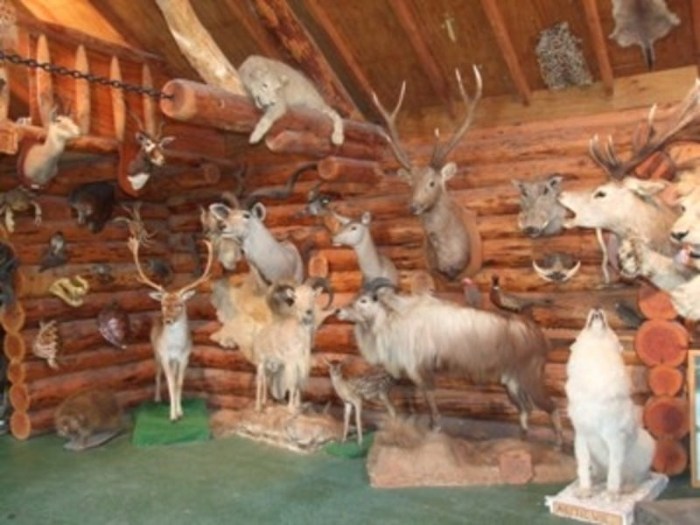
Taxidermy, far from being a mere preservation technique, has evolved into a sophisticated art form reflecting cultural values and aesthetic sensibilities across time and geography. The artistic expression within taxidermy has undergone a significant transformation, moving from strictly realistic representations to increasingly stylized and creative interpretations. This evolution reflects broader changes in artistic movements and societal attitudes towards nature and its representation.
The evolution of artistic styles in taxidermy mirrors broader artistic movements. Early taxidermy, particularly prevalent during the Victorian era, prioritized realism. The goal was to create a lifelike replica of the animal, emphasizing anatomical accuracy and meticulous detail. However, as artistic styles shifted in the 20th and 21st centuries, so too did taxidermy. Contemporary taxidermy embraces a wider range of styles, including surrealism, minimalism, and even pop art influences.
Historical Overview of Artistic Styles in Taxidermy
The following points Artikel the key shifts in artistic approaches within taxidermy throughout history:
- Victorian Era (late 19th Century): Emphasis on meticulous realism, aiming for perfect anatomical accuracy and lifelike poses. Animals were often displayed in highly formal, almost staged settings.
- Early to Mid-20th Century: A gradual shift towards more natural poses and habitat displays. Dioramas became popular, incorporating realistic backgrounds and vegetation to create immersive scenes.
- Late 20th and Early 21st Century: A significant increase in artistic license. Contemporary taxidermists experiment with unconventional poses, materials, and techniques, pushing the boundaries of the traditional form.
Contemporary Artistic Styles in Taxidermy
Three distinct artistic styles currently dominate the world of contemporary taxidermy. These styles demonstrate the diverse creative approaches employed by taxidermists today.
| Style | Techniques | Aesthetic Effect |
|---|---|---|
| Realistic Taxidermy | Meticulous attention to detail, precise anatomical reconstruction, use of high-quality materials, lifelike posing, often integrated into diorama settings. | Creates an illusion of a living animal, capturing its essence and natural beauty with exceptional accuracy. |
| Artistic/Stylized Taxidermy | Unconventional poses, incorporation of found objects or unconventional materials, manipulation of animal forms, focus on texture and color, often surreal or abstract elements. | Evokes emotion and contemplation; the focus shifts from pure representation to artistic expression and emotional impact. |
| Minimalist Taxidermy | Clean lines, simple forms, reduction of extraneous detail, often featuring monochromatic color palettes, focus on the essential structure of the animal. | Creates a sense of elegance and sophistication; highlights the animal’s inherent form and structure without distracting details. |
Cultural Variations in Taxidermy Aesthetics
Aesthetic preferences in taxidermy vary significantly across cultures, reflecting deeply ingrained beliefs and values. These differences illustrate how art forms can be profoundly shaped by cultural contexts.
For example, in some indigenous cultures, taxidermy might be integrated into ceremonial practices or spiritual beliefs. The treatment of the animal may prioritize respect and reverence, rather than a solely aesthetic presentation. In contrast, Western taxidermy traditions have often emphasized the display of trophies, reflecting a more utilitarian or celebratory approach. A taxidermied eagle displayed prominently in a Native American ceremonial setting would convey a vastly different meaning compared to a similarly prepared eagle in a Western hunting lodge. The former may represent spiritual power or ancestral connection, while the latter might symbolize hunting prowess or achievement. The use of specific poses, materials, and even the type of animal chosen can all carry significant cultural weight.
Modern Innovations and Trends in Taxidermy
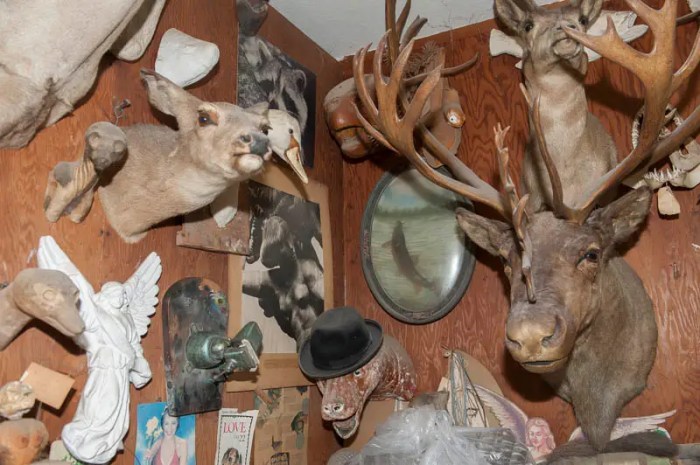
The field of taxidermy, once primarily focused on preserving the physical form of animals, has undergone a significant transformation in recent decades. Driven by technological advancements and evolving ethical considerations, modern taxidermy is embracing new materials, techniques, and artistic approaches, resulting in more lifelike and ethically responsible practices. This evolution reflects a growing appreciation for both the artistry and the scientific aspects of the craft.
The integration of new materials and technologies has profoundly impacted modern taxidermy techniques. Traditional methods, while effective in preserving specimens, often resulted in a somewhat stiff and unnatural appearance. Modern taxidermists now utilize advanced techniques and materials to achieve remarkable realism.
Comparison of Traditional and Modern Taxidermy Techniques
The following points highlight the key differences between traditional and modern approaches:
- Preservation Methods: Traditional taxidermy relied heavily on arsenic-based preservatives, which are now largely considered unsafe and environmentally harmful. Modern methods utilize less toxic alternatives, including borax, salt, and specialized tanning solutions. This shift significantly reduces the environmental impact of the process.
- Form Creation: Historically, forms were often carved from wood or sculpted from plaster, resulting in somewhat rigid poses. Modern taxidermists utilize polyurethane foam forms, which are lightweight, durable, and easily sculpted into lifelike poses, allowing for a much more dynamic and natural representation of the animal.
- Skinning and Mounting: Traditional skinning techniques could sometimes damage the delicate features of the animal’s skin. Modern techniques, coupled with improved tools and a deeper understanding of animal anatomy, result in more careful and precise skinning, leading to a more natural-looking finished product.
- Finishing Touches: The final stages of taxidermy have also seen considerable advancements. The use of airbrushing and specialized paints allows for incredibly realistic detailing of fur, feathers, and scales. Modern taxidermists often employ advanced techniques to recreate subtle variations in color and texture, further enhancing the realism of the mounted specimen.
Innovative Approaches to Taxidermy
Beyond technical improvements, modern taxidermy is pushing creative boundaries. Innovative approaches are transforming the art form, blurring the lines between traditional taxidermy and contemporary art.
| Innovative Approach | Description |
|---|---|
| Lifelike Dioramas | Modern taxidermists are creating incredibly realistic dioramas that place the mounted animal within its natural habitat. These meticulously crafted scenes incorporate realistic backgrounds, vegetation, and other elements to create a truly immersive experience, effectively telling a story about the animal’s life. For instance, a diorama might depict a majestic eagle perched atop a windswept cliff, complete with realistic rocks, windswept grasses, and a convincingly painted sky. |
| Contemporary Art Installations | Taxidermied specimens are increasingly being incorporated into contemporary art installations, challenging traditional notions of the art form. Artists are using taxidermy as a medium to explore themes of conservation, mortality, and the human relationship with the natural world. An example might be a piece featuring a meticulously preserved bird positioned within a complex metal sculpture, representing the fragility of nature in the face of industrialization. |
Ethical Considerations and Sustainable Practices in Taxidermy
The growing awareness of ethical considerations and conservation efforts is significantly influencing current trends in taxidermy. Modern practitioners are increasingly focused on sustainable practices and responsible sourcing of materials.
- Sustainable Sourcing: Many taxidermists now prioritize using animals that have died of natural causes or are sourced from reputable wildlife rehabilitation centers. This ensures that the practice does not contribute to the illegal poaching or killing of animals.
- Conservation Partnerships: Some taxidermists collaborate with conservation organizations, donating a portion of their proceeds to support wildlife conservation initiatives. This demonstrates a commitment to environmental stewardship and the preservation of biodiversity.
- Education and Awareness: Modern taxidermists often use their work as a platform to educate the public about wildlife conservation and the importance of protecting endangered species. This can include creating educational displays in museums or giving presentations to schools and community groups.
- Minimizing Environmental Impact: The use of less toxic preservation methods and the recycling of materials are becoming standard practice among ethical taxidermists, reducing the environmental footprint of the craft.
Closing Notes
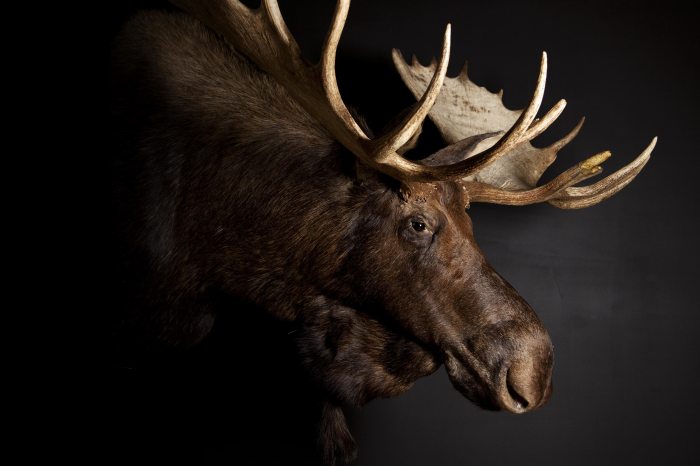
The global tapestry of taxidermy reveals a captivating blend of historical practices, artistic expression, and evolving ethical considerations. From the meticulous craftsmanship of traditional methods to the innovative artistry of modern approaches, taxidermy showcases humanity’s enduring fascination with the natural world. Understanding the diverse styles and techniques not only enriches our appreciation for this art form but also highlights the importance of responsible preservation and sustainable practices in the future of taxidermy.