Taxidermy, often viewed as a traditional craft, is undergoing a fascinating evolution. Increasingly, it’s becoming intertwined with conservation efforts, offering unique opportunities for scientific research, education, and even hands-on wildlife protection. This exploration delves into twelve key areas where these seemingly disparate fields converge, revealing unexpected synergies and highlighting the potential for a more sustainable future for both.
From ethical sourcing of materials to the crucial role taxidermied specimens play in scientific studies and educational outreach, the connection between taxidermy and conservation is multifaceted. We will examine how taxidermy skills can be repurposed for wildlife rehabilitation, anti-poaching initiatives, and the creation of powerful educational tools. The ethical considerations involved, and the potential for conflict between hobby and conservation goals, will be carefully addressed.
Ethical Considerations in Taxidermy and Conservation
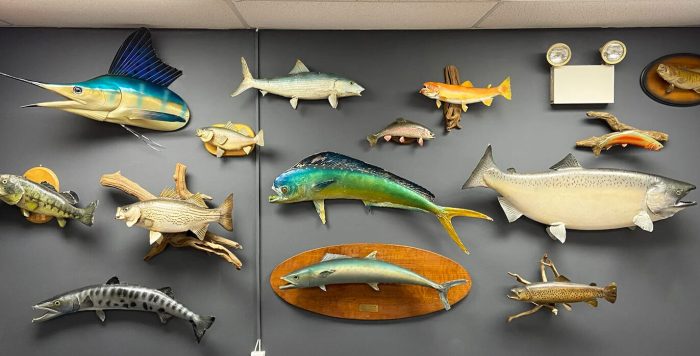
The intersection of taxidermy and conservation presents a complex ethical landscape. Traditional taxidermy practices often prioritized aesthetic appeal, sometimes overlooking the origins of the specimens. Modern, conservation-focused approaches, however, emphasize ethical sourcing and the potential for taxidermy to contribute to conservation efforts, such as through educational displays or research. This shift necessitates a careful examination of the ethical implications inherent in each approach.
Traditional versus Modern Taxidermy Practices
Traditional taxidermy often lacked stringent regulations regarding the sourcing of specimens. Animals might have been obtained illegally, through unsustainable hunting practices, or even from questionable sources like the illegal wildlife trade. This contrasts sharply with modern, conservation-focused taxidermy, which prioritizes legally and ethically sourced specimens. Modern practitioners frequently utilize animals that have died of natural causes, been euthanized for humane reasons by wildlife professionals, or are roadkill appropriately salvaged under permits. This approach minimizes the impact on wildlife populations and promotes responsible resource management. The difference lies not just in the origin of the specimen but also in the overall philosophy: a shift from mere aesthetic creation to a practice that can complement conservation initiatives.
Sustainable Sourcing of Materials in Ethical Taxidermy
Ethical taxidermy relies heavily on sustainable sourcing of materials. This extends beyond the animal itself to encompass the materials used in the mounting process. For example, sourcing sustainably harvested wood for bases, utilizing non-toxic preservatives and dyes, and employing recycled or repurposed materials demonstrate a commitment to minimizing environmental impact. Furthermore, supporting suppliers who adhere to ethical and sustainable practices contributes to the overall ecological responsibility of the taxidermy process. A commitment to sustainability extends beyond the immediate materials to include responsible waste management and energy conservation during the taxidermy process itself.
Conflicts Between Taxidermy as a Hobby and Wildlife Conservation Goals
While many view taxidermy as a hobby, potential conflicts with wildlife conservation goals can arise. The demand for certain species, even from ethically sourced animals, can inadvertently drive unsustainable hunting practices if not carefully managed. Over-collection of certain species, even from legal and sustainable sources, could potentially impact population dynamics. Therefore, a balance must be struck between individual enjoyment of taxidermy and the broader goals of protecting biodiversity. Responsible self-regulation within the taxidermy community and strong adherence to legal frameworks are crucial in mitigating these potential conflicts.
A Code of Ethics for Conservation-Oriented Taxidermists
A code of ethics for conservation-oriented taxidermists should include several key principles. First, a commitment to only using legally and ethically sourced specimens, obtained through means that do not threaten wildlife populations. Second, a commitment to sustainable sourcing of all materials used in the taxidermy process. Third, a commitment to ongoing education and professional development to stay abreast of best practices in wildlife conservation and ethical taxidermy techniques. Fourth, a commitment to transparency and accountability in sourcing and practices. Fifth, a commitment to actively promoting conservation awareness and education through their work. Such a code would provide a framework for responsible practice and contribute to the positive perception of taxidermy within the conservation community.
Taxidermy’s Role in Scientific Research and Education
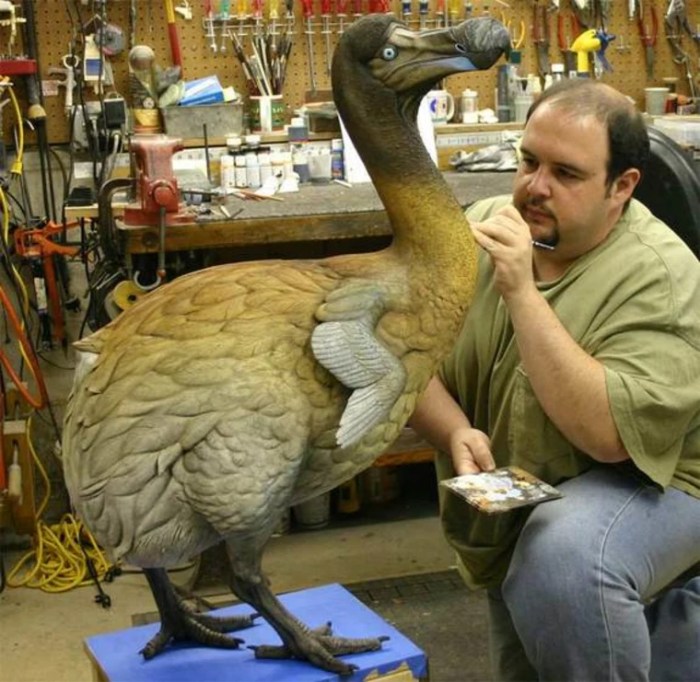
Taxidermy, often viewed as a craft, plays a surprisingly significant role in scientific research and educational initiatives. Preserved specimens provide invaluable resources for studying animal anatomy, evolutionary pathways, and the impact of environmental changes. Furthermore, skillfully prepared taxidermied animals serve as powerful tools for engaging the public in wildlife conservation and promoting a deeper understanding of biodiversity.
Taxidermied specimens contribute significantly to various scientific studies.
Taxidermy’s Contribution to Scientific Studies
The detailed preservation offered by taxidermy allows for meticulous anatomical study. Researchers can examine skeletal structures, muscle arrangements, and organ systems in a way that isn’t possible with decaying specimens. For instance, studying the skeletal structure of a taxidermied bird can reveal adaptations for flight, while examining the musculature of a taxidermied mammal can illustrate locomotion patterns. Comparative anatomy studies, essential for understanding evolutionary relationships, heavily rely on the availability of well-preserved specimens. Long-term monitoring of changes in animal populations, such as size or coloration, also relies on the existence of historically taxidermied specimens for comparison. For example, changes in the size of a particular fish species over several decades could be documented by comparing contemporary taxidermied specimens to those from earlier years.
Utilizing Taxidermy in Educational Settings
Taxidermy offers a unique and engaging method for teaching about wildlife. The realistic representation of animals allows for close examination of features that might otherwise be missed in photographs or videos. Museums and educational institutions use taxidermied animals to illustrate biodiversity, ecological roles, and conservation challenges. Hands-on learning experiences, such as examining the texture of fur or the shape of a bird’s beak, can enhance understanding and appreciation for wildlife. For example, a taxidermied owl can be used to demonstrate the adaptations for nocturnal hunting, showcasing the owl’s exceptional hearing and vision.
Preparing a Taxidermied Specimen for Museum Display and Research
Preparing a specimen for museum display and research requires meticulous attention to detail. The process typically begins with careful skinning and preservation of the animal’s hide. The underlying skeletal structure may be retained for anatomical studies. The skin is then tanned and meticulously shaped over an artificial form that accurately reflects the animal’s natural posture. Finally, the specimen is mounted and displayed in a manner that is both aesthetically pleasing and scientifically informative. Detailed records, including the animal’s species, location of collection, date of collection, and any other relevant information, are meticulously documented and preserved alongside the specimen. This detailed documentation is crucial for scientific accuracy and future research.
Hypothetical Educational Program: Biodiversity and Conservation
A hypothetical educational program utilizing taxidermied animals to teach about biodiversity and conservation could be structured as follows:
| Topic | Activity | Learning Objective | Materials Needed |
|---|---|---|---|
| Mammalian Adaptations | Hands-on examination of taxidermied mammals (e.g., fox, rabbit, deer) to identify physical adaptations related to diet, habitat, and predator-prey relationships. | Students will be able to identify and explain the relationship between physical adaptations and an animal’s survival. | Taxidermied mammals, anatomical diagrams, magnifying glasses. |
| Avian Diversity | Comparative analysis of taxidermied birds representing different species and habitats (e.g., hummingbird, owl, eagle). | Students will be able to describe the diversity of avian species and relate physical characteristics to ecological roles. | Taxidermied birds, field guides, binoculars (optional). |
| Conservation Challenges | Discussion and presentation on endangered species, habitat loss, and the role of conservation efforts. Examples using taxidermied animals from threatened populations. | Students will understand the challenges facing wildlife conservation and the importance of protecting biodiversity. | Taxidermied animals (representing endangered or threatened species), posters, presentations. |
| Ecosystem Interactions | Interactive game or simulation illustrating food webs and predator-prey relationships using taxidermied animals. | Students will understand the interconnectedness of species within an ecosystem. | Taxidermied animals, game boards (optional), markers. |
Conservation Techniques Utilizing Taxidermy Skills
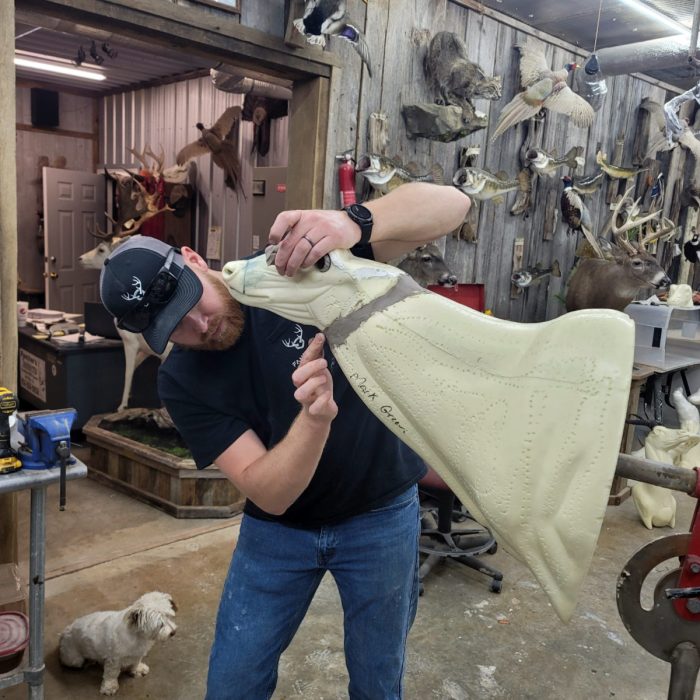
Taxidermy, often associated with hunting trophies, possesses a surprising versatility applicable to various conservation efforts. The meticulous techniques involved in preserving animal specimens translate remarkably well into practical applications for wildlife rehabilitation, anti-poaching initiatives, and educational programs, ultimately contributing to broader conservation goals.
Taxidermy techniques offer a unique blend of artistry and scientific precision, making them invaluable tools in several conservation contexts. The skills involved in careful skinning, preservation, and mounting can be adapted and applied to help injured animals, analyze poaching evidence, and create engaging educational resources.
Wildlife Rehabilitation and Reconstruction
Taxidermy skills are directly applicable to wildlife rehabilitation. For example, reconstructive taxidermy can be used to repair damaged wings of birds injured by collisions or predation. This involves carefully cleaning and preparing the damaged area, using specialized adhesives and materials to reconstruct missing feathers or bone structures, ultimately aiding the bird’s recovery and increasing its chances of release back into the wild. Similarly, taxidermists can reconstruct damaged limbs or tails of small mammals, restoring functionality and improving their survival prospects. The process often involves creating artificial replacements from carefully selected materials that mimic the original anatomy and texture, ensuring the animal’s overall appearance and mobility are as close to natural as possible.
Contribution to Anti-Poaching Efforts
Taxidermists can play a crucial role in anti-poaching efforts through detailed specimen analysis and reconstruction. By meticulously examining confiscated poached animal parts, taxidermists can identify the species, age, and sex of the animal, providing crucial information for law enforcement investigations. Furthermore, reconstructing partially damaged specimens can help create more complete evidence for prosecution, strengthening cases against poachers. This detailed analysis of confiscated items allows for better understanding of poaching patterns, enabling more effective strategies to combat illegal wildlife trade. For instance, a taxidermist might reconstruct a partially decomposed elephant tusk to determine its size and origin, aiding in the identification of the poaching group and the illegal trade routes involved.
Educational Models for Conservation Programs
Taxidermy skills are instrumental in creating highly realistic and engaging educational models for conservation programs. These models can be used to educate the public about endangered species, highlighting their unique characteristics and the threats they face. Creating accurate and lifelike representations allows for a more impactful and memorable learning experience. For instance, a meticulously crafted model of a critically endangered Sumatran orangutan can be used to demonstrate the species’ physical attributes and habitat, raising awareness about deforestation and the importance of conservation efforts. These models can be used in museums, schools, and environmental education centers to promote conservation awareness.
Restoration of a Damaged Endangered Species Specimen
A fictional project exemplifies the use of taxidermy in conservation education. Imagine a damaged specimen of the critically endangered Javan rhinoceros, recovered from a museum after a natural disaster. The horn is broken, and parts of the skin are damaged and deteriorated. The project aims to restore the specimen for educational display.
The process begins with careful cleaning and assessment of the damage. Missing skin sections would be replaced using a combination of archival-quality leather, carefully matched in color and texture to the existing skin. The broken horn would be meticulously repaired using a strong, stable resin carefully colored to match the original horn’s natural pigmentation. Specialized adhesives, designed for long-term stability and minimal impact on the original material, would be employed throughout the restoration. The final result would be a remarkably lifelike representation of a Javan rhinoceros, showcasing the species’ features and highlighting the importance of its conservation. The accompanying educational display would explain the restoration process, the species’ endangered status, and the threats it faces, fostering a deeper understanding and appreciation for wildlife conservation. This restored specimen would serve as a powerful educational tool, illustrating the species’ anatomy and contributing to public awareness efforts.
Final Review
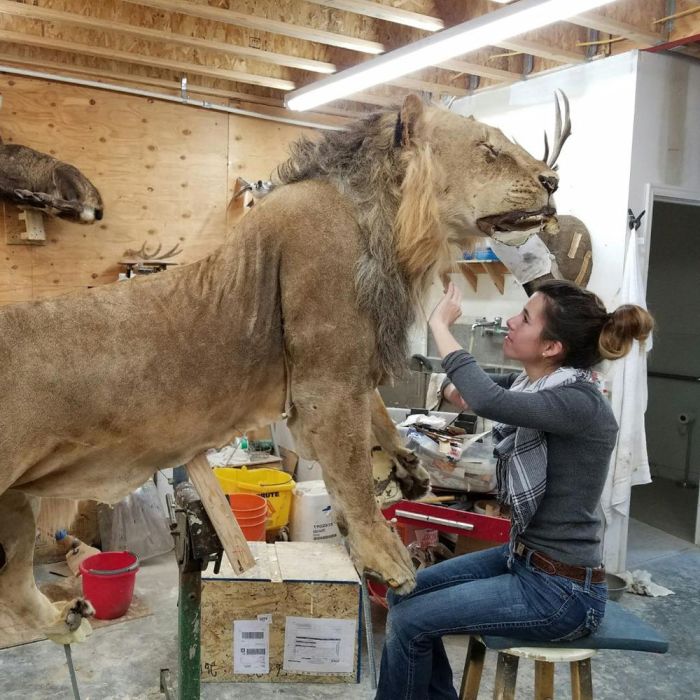
The relationship between taxidermy and conservation is complex but ultimately symbiotic. By embracing ethical practices and leveraging the unique skills of taxidermists, we can harness the power of this craft to advance scientific understanding, improve educational outreach, and contribute directly to the protection of wildlife. The future holds exciting possibilities for collaboration between these two fields, leading to innovative approaches to conservation and a deeper appreciation for the natural world.