Discover the captivating world of taxidermy, a unique hobby blending artistic skill with scientific precision. More than just preservation, taxidermy offers a creative outlet, allowing you to transform natural specimens into lasting works of art. From meticulous anatomical study to the delicate application of finishing touches, the process demands patience and attention to detail, rewarding the practitioner with a tangible representation of nature’s beauty.
This exploration delves into the practical aspects of taxidermy, providing guidance on sourcing materials, mastering essential techniques, and navigating ethical considerations. We’ll examine the learning resources available to aspiring taxidermists, highlighting the numerous benefits – both personal and artistic – that this rewarding hobby offers.
The Allure of Taxidermy
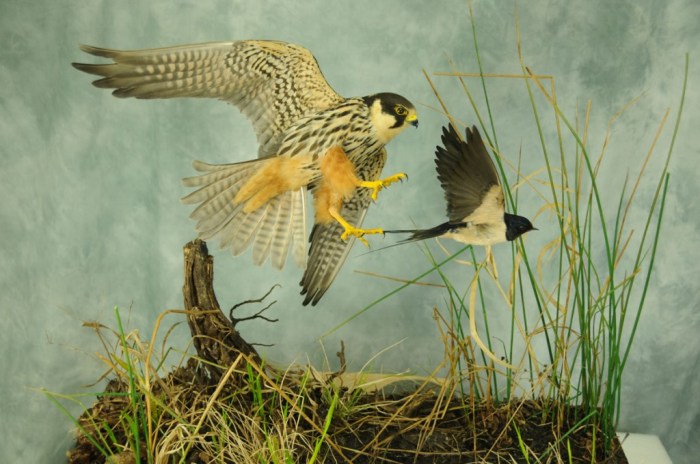
Taxidermy, often perceived as a niche hobby, offers a unique blend of scientific precision and artistic expression. It’s a fascinating pursuit that allows individuals to preserve the beauty and majesty of animals, transforming them into lasting works of art that can be cherished for generations. The process involves far more than simply stuffing an animal; it requires a deep understanding of anatomy, artistry, and meticulous attention to detail.
Taxidermy as Artistic Expression and Preservation
Taxidermy shares similarities with other art forms, particularly sculpture. Both involve shaping and manipulating materials to create a three-dimensional representation. However, unlike sculptors who work with inert materials like clay or bronze, taxidermists work with the delicate and complex form of a deceased animal, striving to recreate its lifelike appearance and posture. The artistic challenge lies in capturing the animal’s unique character, its individual nuances, and its natural grace. The preservation aspect adds another layer of complexity, demanding careful techniques to prevent decay and maintain the animal’s integrity for years to come. This careful preservation acts as a form of memorialization, allowing for the continued appreciation of the animal’s beauty.
Taxidermy Techniques and Styles
The process of taxidermy begins with careful preparation of the animal’s hide. This involves removing the skin, meticulously cleaning it, and then tanning it to prevent decomposition. The tanner’s skill is crucial here, as it affects the final look and feel of the finished piece. Once tanned, the hide is carefully shaped and fitted onto an artificial form, which is usually crafted from materials like foam or wood, meticulously sculpted to match the animal’s body shape. The eyes are carefully set, and the final touches, such as detailing the fur or feathers, are applied to ensure a lifelike representation. Different taxidermy styles emphasize various aspects of the animal. For instance, a “museum-quality” mount might focus on anatomical accuracy, while a more artistic approach might emphasize a dynamic pose or a specific moment in the animal’s behavior. Realistic taxidermy aims for a perfect replication of the animal in its natural state, while artistic taxidermy might take liberties to enhance the aesthetic appeal. These styles can be seen in the differences between a meticulously posed bird in flight and a more formally presented mammal.
Tools and Materials for Different Taxidermy Projects
The tools and materials needed for taxidermy vary depending on the size and type of animal being mounted. Smaller animals, such as birds, require a different set of tools than larger mammals.
| Project Type | Tools | Materials | Other Considerations |
|---|---|---|---|
| Small Bird | Scalpel, forceps, small scissors, sewing needles | Borax, tanning solution, artificial eyes, wire, cotton | Requires delicate handling and precise stitching |
| Medium-Sized Mammal (e.g., Fox) | Larger scalpel, bone saw (possibly), fleshing knife, tanning tools | Borax, tanning solution, artificial eyes, manikin form, clay | Requires knowledge of mammalian anatomy |
| Large Mammal (e.g., Deer) | Large bone saw, fleshing knife, heavy-duty tanning tools, large sewing needles | Borax, tanning solution, artificial eyes, large manikin form, armature | Often requires specialized equipment and significant physical strength |
| Fish | Sharp scalpel, fish fleshing knife, form, epoxy | Borax, tanning solution (optional), artificial eyes, display base | Requires careful attention to preserving the scales and fins |
Practical Skills and Learning Resources for Aspiring Taxidermists
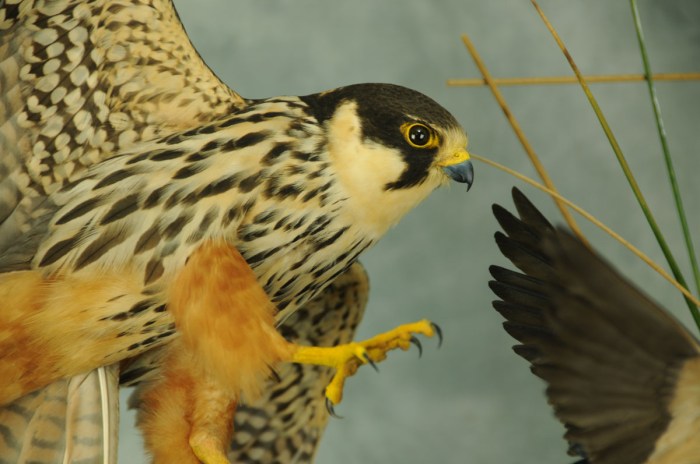
Taxidermy, the art of preserving animal specimens, demands a unique blend of artistic skill and scientific understanding. Success requires mastering several key techniques and a commitment to ethical practices. This section will explore the essential skills, reliable learning resources, and ethical considerations involved in this fascinating hobby.
Taxidermy involves meticulous handwork and a thorough understanding of animal anatomy. Aspiring taxidermists must develop a keen eye for detail, patience, and dexterity to accurately recreate the natural posture and appearance of the animal. A foundational knowledge of musculature, skeletal structure, and skinning techniques is crucial for achieving lifelike results. Furthermore, proficiency in various taxidermy techniques, including tanning, mounting, and posing, is essential.
Essential Skills in Taxidermy
Developing proficiency in taxidermy requires a multifaceted approach. Precision is paramount; improperly handled tools or techniques can severely damage the specimen. Understanding animal anatomy is critical for accurate posing and mounting. Knowledge of different tanning methods ensures the long-term preservation of the specimen. Finally, artistic skills in sculpting and painting can enhance the realism of the final product. For example, a taxidermist needs to understand how the muscles of a bird’s wing work to accurately position it in flight. Without this knowledge, the final product will look unnatural and stiff.
Reputable Resources for Learning Taxidermy
Numerous resources are available for those interested in learning taxidermy. Many experienced taxidermists offer workshops and courses, providing hands-on instruction and personalized feedback. These workshops cover a range of topics, from basic skinning techniques to advanced mounting procedures. Furthermore, a wealth of information is available in books, covering various aspects of the craft. Finally, online platforms and forums offer a space for aspiring taxidermists to connect with others, share experiences, and access a wealth of information. For instance, a beginner might start with a book focusing on small mammal taxidermy before progressing to larger, more complex animals.
Ethical Considerations in Sourcing Specimens
Ethical sourcing of specimens is paramount in taxidermy. It is crucial to only work with legally obtained specimens. This means ensuring that all necessary permits and licenses are acquired, and that the animals were obtained legally and humanely. Additionally, taxidermists should prioritize working with animals that have died naturally or have been euthanized for humane reasons, avoiding the unnecessary killing of animals for taxidermy purposes. Respect for the animal and its natural habitat is crucial. For example, using roadkill animals can be a sustainable way to source specimens, as long as it is legal and safe to handle.
Step-by-Step Guide: Preparing a Small Animal for Taxidermy
Preparing a small animal for taxidermy requires careful and methodical execution. The following steps provide a general guideline. It’s important to note that specific techniques may vary depending on the animal species.
- Initial Preparation: Carefully examine the animal for any injuries or damage. Take photographs to aid in accurate reconstruction.
- Skinning: Begin the skinning process using sharp, specialized tools. Carefully separate the skin from the body, avoiding cuts or tears. Pay close attention to delicate areas like the eyes and paws.
- Fleshing: Remove any remaining muscle tissue and fat from the inside of the skin. This step is crucial for preventing decay and preserving the skin.
- Tanning: Apply a tanning solution to preserve the skin and prevent it from decaying. Follow the manufacturer’s instructions carefully.
- Mounting: Create a manikin (form) that accurately represents the animal’s body shape and size. Carefully stretch the tanned skin over the manikin, ensuring a natural fit.
- Finishing: Once the skin is mounted, add any necessary details like eyes and whiskers. The final touches may include grooming and posing the animal.
The Rewards and Challenges of Taxidermy as a Hobby
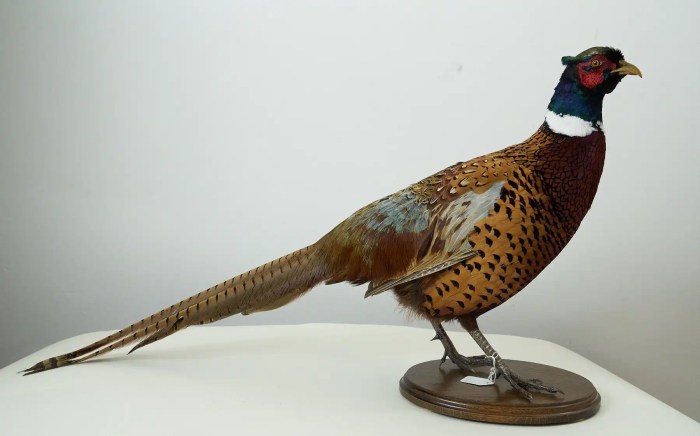
Taxidermy, the art of preserving animals, offers a unique blend of artistic expression and scientific precision. It’s a rewarding hobby that can lead to incredible personal satisfaction, but it also presents significant challenges that require dedication and patience. Understanding both the rewards and the hurdles is crucial before embarking on this fascinating journey.
Taxidermy’s appeal lies in its ability to transform a fleeting moment – the capture or discovery of a remarkable animal – into a lasting memory. It combines meticulous craftsmanship with a deep appreciation for nature, creating tangible works of art that can be cherished for generations. However, this artistry comes at a cost, both in terms of time and financial investment.
Cost and Time Commitment Compared to Other Hobbies
The initial investment in taxidermy can be substantial. High-quality tools, such as specialized knives, tanning solutions, and forms, can be expensive. Furthermore, the cost of acquiring specimens, whether through hunting, purchasing, or finding roadkill, must be factored in. Compared to hobbies like photography or knitting, where the initial investment is relatively low, taxidermy requires a more significant upfront commitment. However, once the initial tools are acquired, the ongoing costs are primarily associated with the specimens themselves and any specialized supplies. The time commitment is also considerable; a single project can take many hours, even days, to complete, depending on the complexity of the animal and the taxidermist’s skill level. Hobbies like painting or playing a musical instrument may require consistent practice, but the time spent per session might be less intensive.
Personal Growth and Skill Development Through Taxidermy
Taxidermy fosters significant personal growth and skill development. The process demands patience, precision, and attention to detail. Learners hone their dexterity, develop problem-solving skills when tackling challenging poses or repairs, and refine their artistic sensibilities in accurately representing the animal’s natural form. Successful taxidermy requires a thorough understanding of anatomy, and the practice encourages continuous learning as taxidermists strive to improve their techniques and expand their repertoire. The ability to meticulously follow instructions and maintain a high level of concentration are also developed through the process. For instance, a beginner learning to properly skin a bird will significantly improve their fine motor skills and patience compared to their starting point.
Examples of Successful Taxidermists
Many individuals find immense fulfillment in taxidermy. Consider the example of renowned taxidermist, [Insert Name and a brief, verifiable description of their success]. Their work showcases the artistry and skill achievable through dedicated practice. Similarly, online forums and communities dedicated to taxidermy are filled with stories of hobbyists who have transformed their passion into a source of personal satisfaction and even a supplemental income. These individuals often share their journey, offering encouragement and guidance to newcomers. They demonstrate that with perseverance and a willingness to learn, taxidermy can be a truly enriching experience.
Challenges Faced by Beginners and Solutions
Beginners often encounter various challenges. One common issue is difficulty in properly skinning and fleshing an animal. This requires practice and the use of appropriate tools; attending a workshop or finding a mentor can greatly assist. Another hurdle is achieving a natural-looking pose; studying animal anatomy and using reference materials helps to overcome this. Finally, accurate eye placement and the creation of realistic expressions are often difficult for beginners; practicing on smaller specimens and utilizing detailed tutorials can aid in this process. For example, starting with a small bird or rodent allows for easier manipulation and less chance of damaging the specimen, thus allowing the beginner to focus on mastering the fundamental techniques. Through persistent practice and continuous learning, these challenges can be overcome.
Final Summary
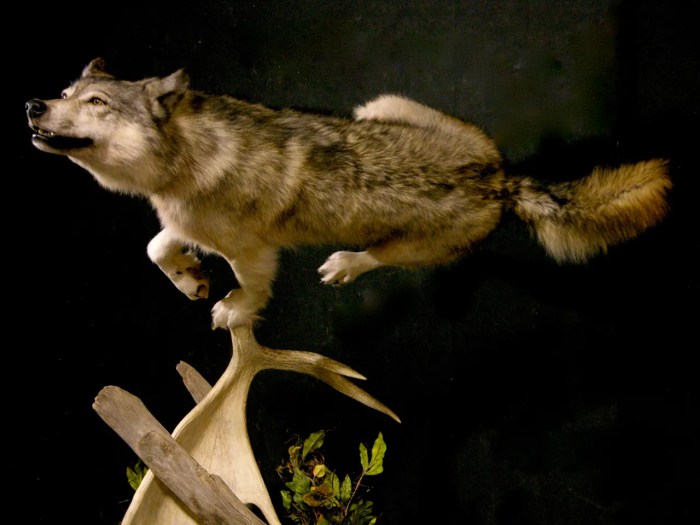
Embarking on the journey of taxidermy is to embrace a blend of artistry and scientific understanding. While challenges exist, the rewards – the creation of enduring works of art, the development of valuable skills, and the profound connection with the natural world – far outweigh the effort. Whether you are drawn to the artistic expression or the scientific precision, taxidermy presents a unique and enriching hobby for those seeking a creative and intellectually stimulating pursuit.