Preserving the beauty and majesty of mammals through taxidermy is a skill honed over time and practice. This guide delves into the intricate art of mammal taxidermy, offering eight expert secrets to help you achieve truly remarkable results. From essential preparation and tool selection to mastering the nuances of skinning, mannequin creation, and finishing touches, we’ll navigate each step with clarity and precision. Whether you’re a seasoned taxidermist seeking to refine your techniques or a curious beginner eager to learn, this comprehensive resource will equip you with the knowledge and confidence to create stunning, lifelike representations of your favorite animals.
We will explore various techniques, comparing approaches for different mammal sizes and species, and emphasize the importance of maintaining a clean and safe workspace throughout the entire process. Detailed step-by-step instructions, coupled with illustrative examples, will guide you through each stage, from initial preparation to the final display of your meticulously crafted piece. Discover the secrets to achieving realistic facial expressions, perfecting the placement of delicate features, and creating custom display bases that enhance the overall presentation of your taxidermy work.
Essential Preparation
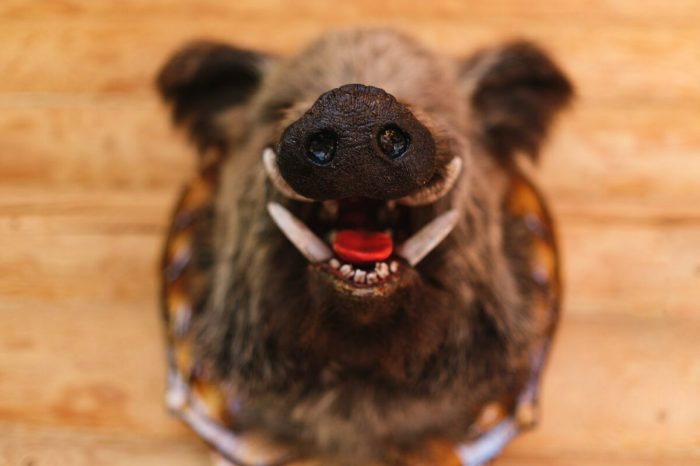
Mastering the art of mammal taxidermy requires meticulous preparation. A well-organized workspace, the right tools, and a thorough understanding of sanitation and preservation techniques are crucial for achieving high-quality results and ensuring the longevity of your work. This section details the essential tools, hygiene practices, skinning techniques, and preservation methods necessary for successful mammal taxidermy.
Essential Tools for Mammal Taxidermy
The following table categorizes essential tools for mammal taxidermy, outlining their usage and associated safety precautions. Proper tool selection and maintenance are paramount to achieving precise and safe work.
| Tool Name | Description | Usage | Safety Precautions |
|---|---|---|---|
| Scalpel | Sharp, surgical-grade blade | Precise skin incision and flesh removal | Handle with extreme care; always cut away from yourself. |
| Scissors | Sharp, strong blades; various sizes helpful | Cutting skin, flesh, and cartilage | Keep blades sharp for clean cuts; avoid accidental cuts. |
| Fleshing Knife | Short, curved blade; dull edge | Removing fat and muscle tissue from the hide | Use gentle pressure to avoid damaging the hide. |
| Borax | Powdered mineral salt | Absorbs moisture, prevents decay | Avoid inhalation; use in a well-ventilated area. |
| Tanning Solution | Chemical solution for preserving hide | Preserves the hide, preventing decay and rot | Follow manufacturer’s instructions carefully; wear gloves and eye protection. |
| Sewing Needles and Thread | Strong, appropriately sized needles and thread | Stitching the hide together | Use appropriate size needle for the hide thickness. |
| Mounting Form | Mannequin representing the animal’s shape | Provides structure for the mounted animal | Choose a form appropriate for the size and species. |
| Measuring Tape | Flexible tape for accurate measurements | Accurate measurements of the animal | Handle carefully to avoid damage. |
Sanitation and Hygiene Practices
Maintaining a clean and sterile workspace is critical throughout the taxidermy process to prevent bacterial growth and ensure the longevity of the specimen. This involves meticulous cleaning before, during, and after each step.
Before beginning, thoroughly disinfect your workspace with a suitable disinfectant, such as a 10% bleach solution. Wear disposable gloves and eye protection throughout the entire process. Regularly wash and disinfect your tools with soap and water, followed by a disinfectant. Dispose of all waste materials appropriately in sealed bags to prevent contamination and adhere to local regulations.
During skinning, take frequent breaks to wash your hands and tools. Keep the animal’s carcass and its hide separated to prevent contamination. After completion, thoroughly clean and disinfect your entire workspace, including tools and surfaces. Proper sanitation is essential to prevent disease transmission and maintain a safe working environment.
Skinning Techniques for Different Mammals
Skinning techniques vary depending on the size and species of the mammal. Small rodents require a different approach compared to larger animals like deer.
Small rodents, such as mice or rats, are skinned using a small incision along the belly. The skin is carefully peeled back, separating it from the muscle and fat. Care must be taken to avoid damaging the delicate skin. Larger animals, such as deer, require a more extensive incision, often along the belly and extending around the legs. The skin is carefully peeled back, paying close attention to avoiding cuts and tears.
Skin Preservation and Tanning
Proper skin preservation is essential to prevent decay and ensure the long-term integrity of the taxidermy mount. This involves several key steps and the use of appropriate chemicals.
After skinning, the hide needs to be thoroughly cleaned and fleshed to remove all muscle tissue and fat. Then, it is treated with a tanning solution, which converts the collagen in the hide into a more stable form, preventing decay. The tanning process involves soaking the hide in the solution for a specific duration, as indicated by the manufacturer’s instructions. Finally, the hide is neutralized and rinsed thoroughly. After tanning, the hide is carefully cleaned, softened and prepared for mounting. Properly preserved hides are pliable and maintain their natural appearance and integrity.
- Problem: Hide too stiff after tanning.
- Solution: Soak the hide in a softening solution (such as a commercial product or a mixture of water and a mild conditioner).
- Problem: Hide too dry.
- Solution: Condition the hide with a suitable oil or conditioner to restore its flexibility.
- Problem: Uneven tanning.
- Solution: Ensure the hide is evenly saturated with the tanning solution during the process. Agitate the solution regularly and use enough solution to cover the hide completely.
Forming the Mannequin and Mounting
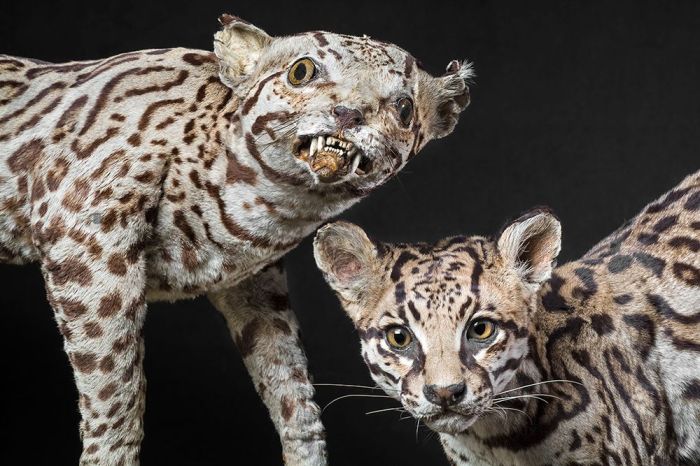
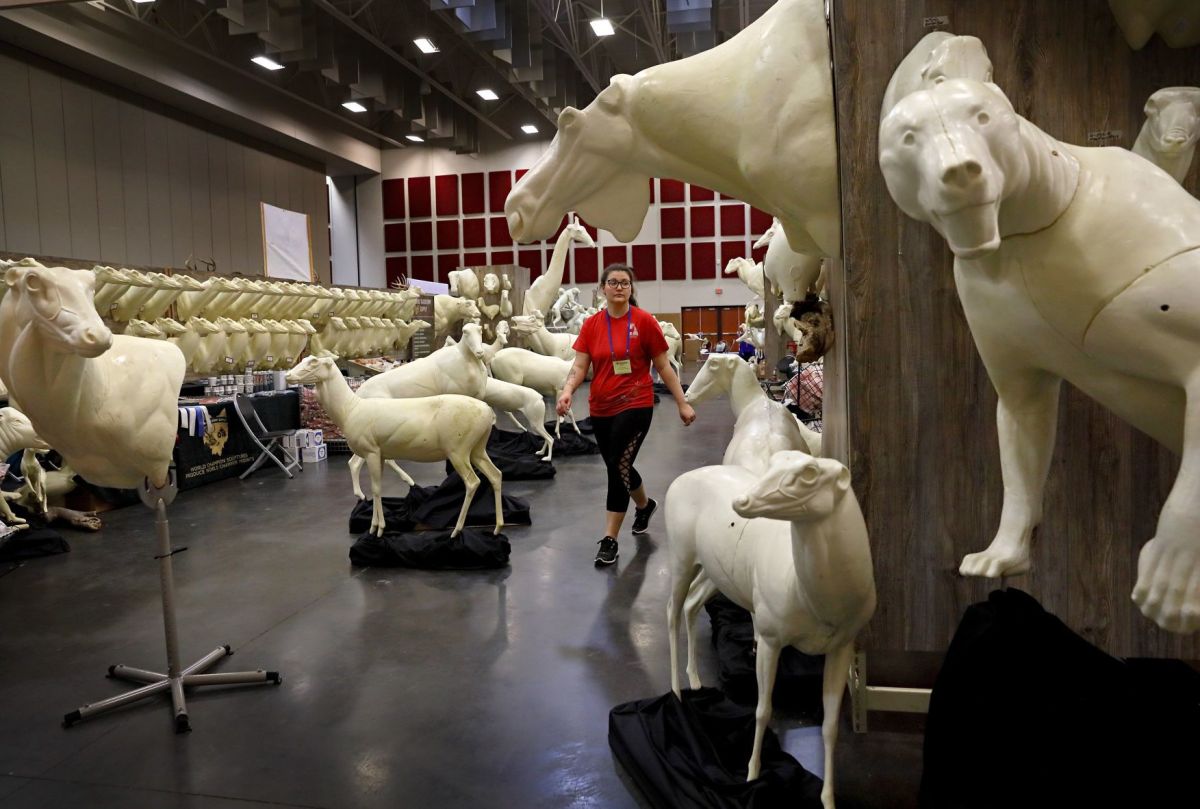
Creating a realistic and accurate taxidermy mount hinges on the quality of the mannequin. A well-formed mannequin provides the structural support necessary to display the animal’s preserved skin naturally and accurately. Careful consideration of material selection and construction techniques is crucial for achieving a professional finish.
Mannequin Material Comparison
The choice of mannequin material significantly impacts the final product. Different materials offer varying levels of workability, durability, and suitability for different animal sizes and species. The following table summarizes the key characteristics of common mannequin materials:
| Material | Pros | Cons | Suitable for |
|---|---|---|---|
| Foam | Easy to carve and shape, lightweight, relatively inexpensive | Can be brittle, prone to damage, may not hold detail well in larger pieces | Small to medium-sized mammals, birds |
| Wood | Strong, durable, holds detail well, can be easily modified | More challenging to carve, heavier, more expensive | Large mammals, animals requiring intricate detail |
| Balsa Wood | Lightweight, easy to carve, relatively inexpensive | Can be brittle, requires careful handling | Small to medium-sized mammals, birds |
| Polymer Clay | Highly versatile, allows for intricate detail, durable when cured | Requires specialized tools and knowledge, can be expensive | Small to medium mammals, where fine detail is important |
Custom Mannequin Creation
Constructing a custom mannequin ensures a perfect fit for the preserved skin. This process requires precise measurements and careful sculpting.
The following steps Artikel the creation of a custom foam mannequin:
- Measurements: Accurately measure the preserved animal’s body, noting length, width, and girth at various points. Include measurements of the head, neck, legs, and tail.
- Form Creation: Using the measurements, create a rough form from a suitable material such as foam. This can involve carving, cutting, or layering foam pieces.
- Sculpting: Refine the form, sculpting the muscles, bones, and other anatomical details to achieve a lifelike representation. Use sculpting tools and techniques to add definition.
- Finishing: Smooth the surface of the mannequin using sandpaper and other finishing tools. Apply a sealant or primer to prepare the surface for the skin.
Attaching the Skin to the Mannequin
Proper skin attachment is crucial for a natural appearance. This process requires patience and attention to detail.
Imagine an image showing the placement of the preserved skin over the foam mannequin form. The skin is carefully stretched and positioned, ensuring even tension to prevent wrinkles or distortions. The image clearly shows the process of pinning the skin into place using fine needles and appropriate pins, following the natural contours of the animal.
The next image depicts the careful sewing of the skin, using a fine needle and thread, to secure it to the mannequin. The stitches are almost invisible, blending seamlessly with the fur or hair.
A final image showcases the completed mount, with the skin seamlessly attached and the animal posed naturally. The detail work, including the positioning of the ears and other features, is clearly visible.
Facial Expression and Feature Positioning
Achieving realistic facial expressions and positioning of features requires a keen eye for detail and anatomical accuracy.
To create a realistic facial expression, consider the animal’s natural demeanor. Subtle adjustments to the mouth, eyes, and brow can convey a range of emotions. For example, a slightly open mouth might suggest alertness, while closed eyes could indicate repose. The use of fine wire or other supports can help maintain the desired expression.
Ear placement is critical. Carefully position the ears to match the animal’s natural posture and orientation. Use small pins or stitches to secure them to the mannequin. Any asymmetry should be carefully considered to mirror the natural variations found in live animals. Similarly, precise positioning of other features such as whiskers, claws, and tail are crucial for a realistic representation.
Finishing Touches and Display
The final stages of mammal taxidermy are crucial for achieving a truly lifelike and aesthetically pleasing result. Careful attention to detail during these steps will elevate your work from good to exceptional. This section covers common pitfalls, advanced techniques for realism, and effective display strategies to showcase your finished piece.
Common Mistakes and Corrections in Mammal Taxidermy
Addressing common errors is vital for improving the quality of your taxidermy. Neglecting these details can significantly detract from the overall realism and artistry of the final product. Here are some frequent mistakes and their solutions:
- Uneven fur or hair: This often results from improper drying or insufficient grooming. Solution: Use a fine-toothed comb or brush to carefully smooth the fur, paying attention to the natural direction of growth. For stubborn areas, consider using a small amount of hairspray to help hold the fur in place.
- Poorly positioned ears or other features: Incorrect placement of features can make the animal appear unnatural or distorted. Solution: Refer to reference photos of the species to ensure accurate placement. Use pins or other temporary supports during the drying process to hold the features in the desired position.
- Unnatural eye placement or expression: Eyes are a focal point, and poorly crafted eyes can ruin the overall effect. Solution: Use high-quality glass eyes that accurately match the species’ coloration and size. Ensure they are correctly set into the eye sockets, maintaining the proper depth and angle.
- Inconsistent coloration: Discoloration or uneven application of paint can detract from realism. Solution: Use high-quality paints specifically designed for taxidermy. Apply thin, even coats, allowing each coat to dry completely before applying the next. Blend colors seamlessly to avoid harsh lines.
- Improper mounting techniques: Incorrectly attaching the skin to the form can lead to wrinkles, creases, and an unnatural appearance. Solution: Ensure the skin is properly stretched and aligned before mounting. Use appropriate adhesives and techniques to secure the skin to the form without causing distortion.
Advanced Techniques for Realistic Eyes and Details
Creating realistic eyes and other minute details elevates the overall realism. The level of detail achieved can transform an acceptable piece into a truly remarkable work of art.
- Realistic Eyes: Beyond selecting the correct glass eyes, consider adding subtle highlights and shadows to the eyes using specialized paints. This can give the eyes a lifelike sparkle and depth. For example, a small dot of white paint in the corner of the eye can simulate a catchlight.
- Whisker Placement: Carefully place whiskers using a fine-tipped adhesive and tweezers. Pay attention to the natural pattern and density of whiskers for the specific species. Using individually placed whiskers, rather than clumps, creates a more natural look.
- Fine Detail Painting: Use fine-tipped brushes and acrylic paints to add details like scars, markings, or variations in fur coloration. These subtle details add to the overall realism and uniqueness of the piece. For example, subtly painting variations in fur color can mimic the natural variations found in a living animal.
Appropriate Display Methods for Taxidermied Mammals
The display method significantly impacts the overall presentation. Careful consideration of size, species, and desired aesthetic will determine the most suitable option.
| Display Option | Suitable for | Pros | Cons |
|---|---|---|---|
| Wall Mount | Most mammals | Space-saving, visually striking | Can be less natural-looking |
| Diorama | Larger mammals, specific habitats | Highly realistic, immersive | Requires significant space and skill |
| Tabletop Display | Smaller mammals | Versatile, adaptable | Less visually dominant |
| Full-Body Mount (on base) | Most mammals | Classic, versatile | Requires a suitable base |
Creating a Custom Display Base
A custom base enhances the presentation and complements the mounted mammal. This allows for a personalized touch and can be tailored to the specific characteristics of the animal.
- Design and Planning: Sketch a design for your base, considering the size and shape of the mounted mammal. Consider the overall aesthetic you want to achieve, such as rustic, modern, or natural.
- Material Selection: Choose materials that complement the animal and the desired aesthetic. Options include wood (various types), stone, faux rock, or even a combination of materials. Consider using natural materials to create a more organic feel.
- Base Construction: Cut and shape the base materials according to your design. For wooden bases, use woodworking tools such as saws, drills, and sanders. For stone bases, you may need specialized tools depending on the type of stone.
- Finishing Touches: Apply a finish to the base to protect it and enhance its appearance. Options include stains, paints, sealants, or even a clear coat. Consider adding additional elements such as moss, lichen, or small plants to create a more naturalistic scene.
- Mounting the Mammal: Securely attach the mounted mammal to the base using appropriate fasteners, ensuring stability and a secure fit.
Final Wrap-Up
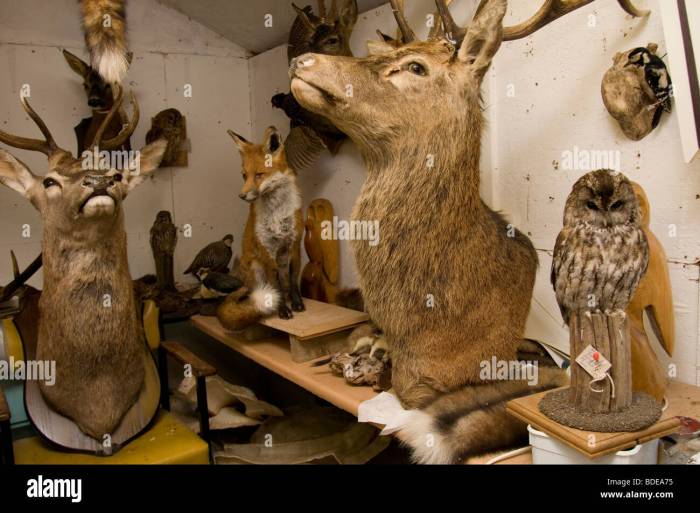
Mastering the art of mammal taxidermy requires dedication, precision, and a keen eye for detail. By following the expert secrets Artikeld in this guide, you’ll not only develop proficiency in the fundamental techniques but also gain the confidence to experiment with advanced methods and create truly exceptional pieces. Remember that practice and patience are key to refining your skills, and with each project, you’ll refine your approach and elevate your craft. The resulting works will stand as testaments to the beauty of the natural world and your dedication to preserving its memory in a lasting, artistic form. This journey into the world of mammal taxidermy is one of continuous learning and refinement, and we hope this guide serves as a valuable companion along the way.