Taxidermy, the art of preserving animal bodies, often evokes strong reactions. This exploration delves into the multifaceted psychology surrounding this practice, examining it not merely as a craft, but as a complex interplay of artistic expression, scientific endeavor, and personal motivations. We’ll consider the perspectives of artists, collectors, and scientists, revealing the ethical dilemmas and rewarding aspects inherent in this unique field.
From the emotional labor of transforming a deceased animal into a work of art, to the intricate scientific techniques involved in preservation, and the cultural significance of collecting taxidermied specimens, this examination unveils the surprising depth and complexity of human engagement with taxidermy. We’ll explore the motivations behind creating, collecting, and studying these preserved animals, highlighting the diverse values and beliefs that shape our relationship with the natural world and its representation.
The Artist’s Perspective
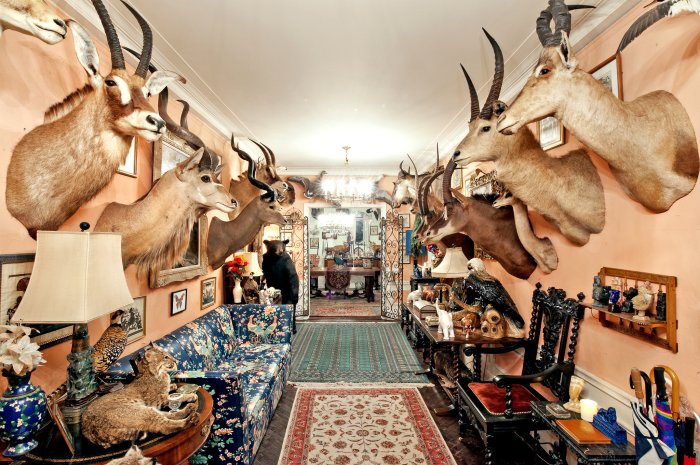
Taxidermy, often viewed solely through a lens of scientific preservation or hunting trophy, possesses a compelling artistic dimension. For many skilled practitioners, the process transcends mere preservation; it becomes a creative act, imbued with emotional weight and demanding meticulous attention to detail. The transformation of a deceased animal into an art piece is a journey fraught with both technical challenges and profound emotional considerations.
The emotional process of transforming a deceased animal into art is complex and deeply personal. The taxidermist works intimately with the animal’s remains, acknowledging its life and death. There’s a responsibility to honor the creature’s essence, to capture not just its physical form, but also a sense of its spirit or character. This process can be both deeply moving and intensely challenging, requiring a delicate balance between respect and artistic vision. Some taxidermists may find solace in preserving the animal’s memory, while others might feel a profound connection to nature and the circle of life through their work.
Artistic Choices in Taxidermy
Artistic choices in taxidermy are multifaceted, impacting the final presentation significantly. The pose of the animal is crucial, conveying action, repose, or a specific mood. A majestic eagle soaring against a backdrop of clouds communicates a different story than an eagle perched regally on a branch. Presentation extends beyond the pose to include the background, mount type (full-body, head, or partial), and the overall aesthetic—whether realistic, stylized, or even whimsical. Materials, such as the base, display case, and even the lighting, all contribute to the final artistic effect. The taxidermist must consider the animal’s natural characteristics and integrate them harmoniously with their artistic vision.
Ethical Considerations: Art versus Science
Taxidermists focused on scientific accuracy prioritize precise anatomical representation and factual display. Their goal is to provide an accurate record of the animal’s species, morphology, and potentially, even its habitat. Artistic taxidermy, on the other hand, may involve liberties taken with pose, setting, or even the addition of artificial elements to enhance the artistic impact. While both approaches require respect for the animal, the ethical considerations differ. Scientific taxidermy prioritizes accuracy and objectivity, while artistic taxidermy introduces subjectivity and creative interpretation, potentially raising concerns about misrepresentation or anthropomorphism. The ethical line blurs when artistic license might compromise the animal’s natural appearance or even obscure scientifically important details.
A Hypothetical Scenario: Artistic Vision vs. Natural Form
The following scenario illustrates the potential conflict between artistic vision and the preservation of the animal’s natural form:
| Conflict | Artist’s Choice | Ethical Consideration | Resolution |
|---|---|---|---|
| A taxidermist receives a magnificent red fox, known for its sleek, streamlined body. The artist envisions a dramatic pose, with the fox mid-leap, showcasing its powerful muscles. However, this pose requires significant manipulation of the fox’s body, potentially distorting its natural anatomy. | The taxidermist opts for the dramatic mid-leap pose, emphasizing the fox’s athleticism. They use subtle sculpting and posing techniques to maintain a degree of realism. | The manipulation could compromise the fox’s anatomical accuracy, potentially misrepresenting the species’ natural posture and physique. The artist must weigh the artistic merit against the scientific integrity of the piece. | The taxidermist carefully documents the modifications made to the fox’s pose, acknowledging the artistic liberties taken while maintaining a clear distinction between the artistic interpretation and the animal’s natural form. They might include a detailed note explaining the artistic choices and their impact on the animal’s presentation. They could even present the piece in a way that highlights the artistry while still respecting the animal’s natural anatomy. |
The Collector’s Perspective
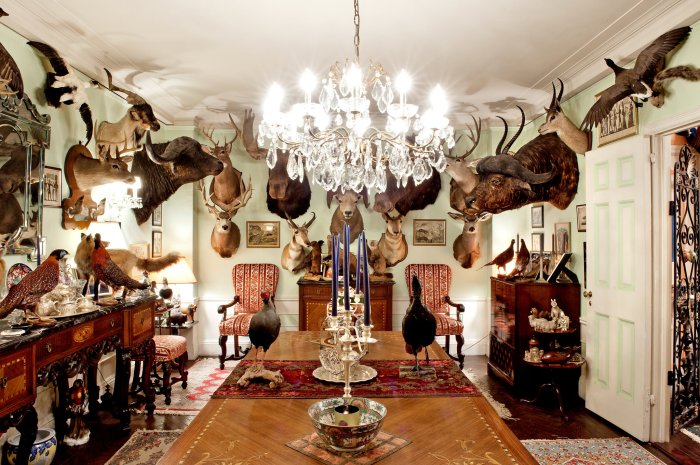
The acquisition and appreciation of taxidermied animals represent a multifaceted collecting pursuit, driven by a complex interplay of scientific curiosity, aesthetic appreciation, and personal narratives. Collectors are drawn to these specimens for a variety of reasons, ranging from a deep interest in natural history to the sheer artistry involved in their creation. The social and cultural significance of taxidermy collections is equally compelling, reflecting shifts in societal attitudes towards nature, conservation, and the display of natural wonders.
Collectors are motivated by a range of factors. Some are driven by a desire to possess a tangible piece of the natural world, a memento of a specific hunting trip or a cherished memory associated with a particular animal. Others approach collecting taxidermy from a purely scientific perspective, seeking to build comprehensive collections representing specific species, geographical regions, or evolutionary lineages. Still others are captivated by the artistic skill demonstrated in the preparation and presentation of the specimens, viewing them as unique works of art that blend natural history with human creativity.
Motivations Behind Collecting Taxidermied Animals
The motivations behind collecting taxidermied animals are diverse and often intertwined. They can be broadly categorized into scientific, aesthetic, and sentimental reasons. A scientific collector might focus on building a comprehensive collection representing a specific species or geographical area, meticulously documenting each specimen’s origin and characteristics. An aesthetically-driven collector might prioritize the quality of the taxidermy work itself, seeking out pieces that showcase exceptional artistry and realism. A sentimental collector might value specimens for their personal significance, such as a trophy from a memorable hunting trip or a cherished family heirloom. These different approaches highlight the broad appeal of taxidermy collecting.
Social and Cultural Aspects of Taxidermy Collecting
Taxidermy collecting exists within a complex social and cultural landscape. Historically, the possession of taxidermied animals, particularly large game trophies, has been associated with status and wealth, signifying success in hunting and exploration. In some cultures, taxidermied animals hold significant spiritual or ceremonial value, acting as symbols of power, prosperity, or connection to the natural world. However, evolving conservation concerns and ethical considerations surrounding hunting and wildlife preservation have significantly altered the social perception of taxidermy collecting in recent decades. Today, many collectors emphasize the importance of ethical sourcing and responsible practices, supporting sustainable hunting initiatives and adhering to strict regulations regarding the acquisition and display of taxidermied specimens. Furthermore, taxidermy collecting is increasingly viewed as a specialized hobby, fostering a sense of community among enthusiasts who share a common interest in natural history and artistic craftsmanship.
Value of Taxidermied Specimens
The value placed on taxidermied specimens is determined by a combination of rarity, condition, and artistic merit. Rarity is a significant factor, with specimens of endangered or extinct species commanding significantly higher prices. The condition of a specimen is equally crucial, with well-preserved, expertly taxidermied animals being more valuable than those showing signs of damage or deterioration. Finally, the artistic merit of the taxidermy work itself significantly impacts value. Specimens exhibiting exceptional realism, anatomical accuracy, and artistic skill can command premium prices.
Here are some examples illustrating the interplay of these factors:
- A perfectly preserved, taxidermied Dodo bird (extinct) would be priceless due to its rarity and historical significance.
- A high-quality taxidermied African Lion, expertly posed and exhibiting exceptional anatomical accuracy, might fetch a price significantly higher than a poorly preserved specimen of the same species.
- A rare albino deer, taxidermied with meticulous attention to detail, would be valued more than a common deer, even if both were in excellent condition.
Fictional Museum Exhibit: “Whispers of the Wild”
The fictional “Whispers of the Wild” museum exhibit showcases a diverse collection of taxidermied animals, arranged thematically to highlight both the artistic merit and scientific significance of the specimens. The exhibit’s layout is designed to be both educational and aesthetically pleasing.
The exhibit begins with a section dedicated to “Masters of Camouflage,” featuring expertly taxidermied specimens of animals known for their exceptional camouflage abilities, such as a snow leopard perfectly integrated into a snowy landscape diorama, and a chameleon blending seamlessly with the branches of a meticulously recreated arboreal habitat. Accompanying text describes the evolutionary adaptations that enable these animals to evade predators and ambush prey.
The next section, “Feathers and Flight,” focuses on avian specimens, highlighting the diversity of birdlife through a series of dioramas depicting different habitats. A vibrant collection of hummingbirds is showcased in a meticulously recreated tropical garden, while majestic birds of prey are displayed in dramatic hunting poses, their sharp talons and piercing eyes capturing their predatory nature. Informative panels detail the adaptations that enable birds to fly and the ecological roles they play in their respective ecosystems.
The final section, “Giants of the Earth,” features large mammals, such as a majestic African elephant, its massive form capturing the grandeur of the species. The exhibit concludes with a poignant display of endangered species, serving as a reminder of the fragility of ecosystems and the importance of conservation efforts. Accompanying text emphasizes the threats facing these animals and highlights ongoing initiatives aimed at their protection. Each specimen is accompanied by a detailed label providing information on the species, geographical origin, and date of acquisition. The overall effect is one of both scientific rigor and artistic beauty, creating a captivating experience for visitors.
The Scientist’s Perspective
Taxidermy, often viewed as an artistic pursuit, holds significant value within the scientific community. The meticulous preservation of animal specimens through taxidermy provides invaluable resources for research, education, and the advancement of our understanding of the natural world. This perspective explores the scientific applications of taxidermy, the ethical considerations involved, and its comparative advantages and disadvantages against alternative preservation methods.
Scientific Techniques in Specimen Preservation
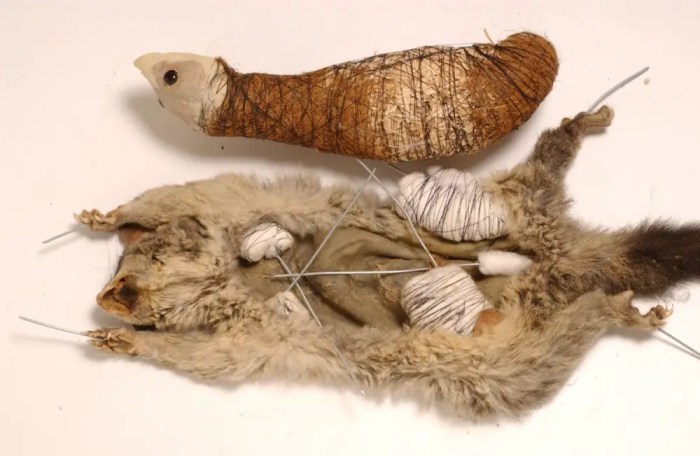
Taxidermy, in a scientific context, is a precise process demanding a high level of skill and knowledge of anatomy. The goal is to create an accurate representation of the animal, preserving its form and features for long-term study. This involves careful skinning, cleaning, and preservation of the hide, followed by the creation of a realistic form using materials like foam or clay, upon which the skin is carefully mounted. Internal structures might be preserved separately, such as skeletons, which offer additional avenues for research. The entire process requires meticulous attention to detail to ensure the specimen’s scientific integrity. Modern techniques incorporate the use of preservatives and specialized tools to minimize decay and maximize longevity.
Ethical Implications of Using Taxidermied Animals for Scientific Purposes
The ethical use of taxidermied animals in scientific research is paramount. Researchers must ensure specimens are sourced responsibly, ideally from animals that have died of natural causes or through humane euthanasia in controlled settings such as zoos or wildlife rehabilitation centers. The acquisition of specimens should adhere to strict regulations and permits, avoiding any contribution to illegal poaching or the exploitation of endangered species. Transparency and rigorous documentation of the specimen’s origin and handling are essential to maintain ethical standards. The welfare of the animal, both before and after its death, is a central consideration.
Comparison of Taxidermy with Other Preservation Methods
Taxidermy offers several advantages over other preservation methods. Unlike freezing, which can be costly and requires specialized equipment and consistent power, taxidermy allows for visual examination of the specimen’s external morphology without thawing. Compared to specimen fixation (using chemicals like formalin), taxidermy provides a more visually appealing and readily accessible resource for educational purposes. However, taxidermy is time-consuming and requires specialized expertise. It can also be susceptible to damage from pests and environmental factors if not properly stored and maintained. Furthermore, the process can alter the specimen’s original size and shape, although skilled taxidermists strive to minimize these alterations. Freezing, on the other hand, preserves the original state of the specimen, but access for study requires thawing, potentially causing damage. Specimen fixation preserves internal structures, but external features may be less readily observable.
Contribution of Taxidermied Animals to Scientific Understanding
Taxidermied animals play a crucial role in advancing scientific knowledge across various disciplines. They provide tangible examples for research and education, facilitating detailed examination of anatomy, morphology, and other crucial aspects.
| Field of Study | Specimen Type | Information Gained | Significance of the Findings |
|---|---|---|---|
| Zoology | Birds of prey | Detailed analysis of feather structure, wingspan, and beak morphology; identification of species and subspecies variations. | Improved understanding of avian evolution, flight mechanics, and adaptation to different environments. |
| Anatomy | Mammalian skeletons | Detailed study of bone structure, muscle attachment points, and overall skeletal arrangement; comparison across different species. | Improved understanding of mammalian evolution, locomotion, and functional morphology. |
| Ecology | Small mammals | Examination of fur coloration, body condition, and parasite load; analysis of stomach contents to determine diet. | Improved understanding of population dynamics, habitat use, and predator-prey relationships. |
Summary
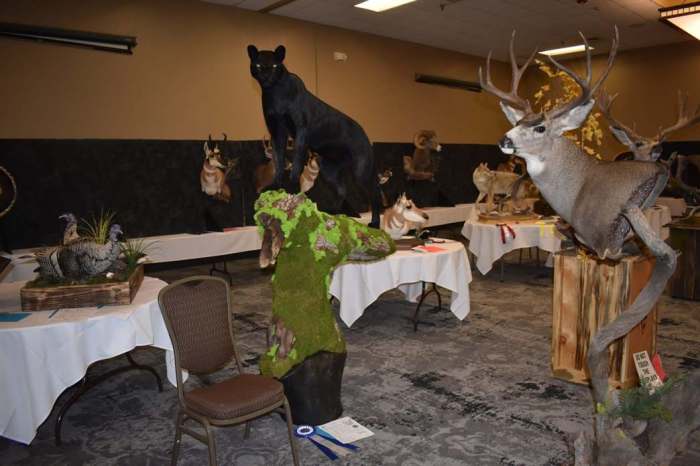
Ultimately, “The Psychology of Taxidermy: 5 Perspectives” reveals that the practice is far more nuanced than a simple preservation of animal remains. It’s a reflection of our relationship with nature, a testament to human creativity, and a window into the complex interplay between art, science, and the ethical considerations of our interactions with the animal kingdom. The diverse perspectives explored here illuminate the profound emotional and intellectual connections we forge with the animals we preserve, challenging preconceived notions and prompting deeper reflection on our role within the ecosystem.