Taxidermy, the art of preserving animal specimens, transcends mere preservation; it’s a rich tapestry woven with threads of cultural significance, artistic expression, and socioeconomic impact. This exploration delves into ten global traditions, revealing how taxidermy has evolved across continents, reflecting diverse cultural values and artistic styles. From ancient rituals to contemporary art installations, we’ll uncover the fascinating history and multifaceted roles of taxidermy in societies worldwide.
We will examine the historical evolution of taxidermy techniques across regions like Europe, Asia, and North America, highlighting the unique materials and methods employed. The role of taxidermy in preserving cultural heritage and its use in ceremonies and rituals will be explored. Further, we will analyze taxidermy’s position as an art form, considering ethical debates and showcasing the work of contemporary artists who utilize this medium. Finally, the socioeconomic aspects of taxidermy, from traditional livelihoods to modern industries, will be examined, considering globalization’s impact and the importance of sustainability.
Taxidermy’s Historical and Cultural Significance Across Continents
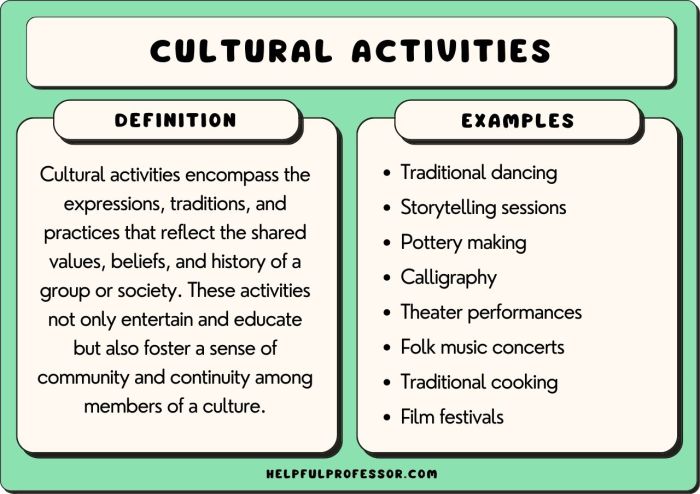
Taxidermy, the art of preserving animal bodies, holds a multifaceted significance across diverse cultures and historical periods. Its evolution reflects not only advancements in techniques and materials but also shifting cultural values and societal interactions with the natural world. From its early practical applications to its role in scientific study and artistic expression, taxidermy’s journey offers a compelling glimpse into human history and our relationship with animals.
Taxidermy’s development varied considerably across different global regions, influenced by local resources, artistic traditions, and cultural beliefs. The methods employed, the animals chosen for preservation, and the ultimate purpose of the preserved specimens all contributed to a rich tapestry of regional variations in this practice.
Regional Variations in Taxidermy Techniques
The following table summarizes key differences in taxidermy practices across three distinct regions:
| Region | Common Animals Taxidermied | Traditional Techniques | Cultural Significance |
|---|---|---|---|
| Europe | Big game animals (deer, boar, bear), birds of prey, smaller mammals (foxes, hares). Historically, also included less common or exotic species acquired through trade or exploration. | Early methods involved stuffing with straw or tow. Later techniques incorporated the use of artificial eyes, wires for posing, and eventually, the development of more advanced tanning and preservation methods using arsenic and other chemicals. Artistic focus on realistic representation became prominent. | Initially, taxidermy served practical purposes, such as showcasing hunting prowess or displaying specimens in natural history museums. Later, it evolved into a form of art, with taxidermists striving for realistic and aesthetically pleasing representations. Wealthy landowners often commissioned elaborate taxidermy displays in their homes. |
| Asia | A wide range, varying regionally. In some areas, birds were particularly common, while in others, larger mammals or specific animals with cultural significance (e.g., certain species of deer or tigers) were favored. | Techniques varied significantly across the continent. Some regions utilized traditional methods involving drying, smoking, or other preservation techniques passed down through generations. The use of natural materials was common. More recently, Western techniques have influenced Asian taxidermy. | The cultural significance of taxidermy in Asia is deeply rooted in local traditions and beliefs. In some cultures, taxidermied animals might be used in religious ceremonies or displayed as symbols of status or power. In other areas, they might hold a more utilitarian purpose, such as being used in traditional medicine or crafts. |
| North America | Large mammals (bison, elk, bear, moose), birds (eagles, waterfowl), and smaller mammals. | Early North American taxidermy was heavily influenced by European techniques, but also adapted to the local fauna and available resources. The development of commercially available taxidermy supplies in the 20th century led to greater standardization of methods. | Taxidermy played a crucial role in documenting the continent’s diverse wildlife, particularly during periods of westward expansion and increased hunting. Museums and private collectors played significant roles in preserving specimens, contributing to the scientific study and understanding of North American fauna. The practice also reflected prevailing attitudes towards wildlife conservation and hunting ethics. |
Taxidermy’s Role in Preserving Cultural Heritage
Taxidermy served as a crucial method for preserving cultural heritage and traditional knowledge in various cultures. In many Indigenous communities across the Americas, for example, the preservation of sacred animals through taxidermy was and is a vital aspect of maintaining cultural identity and passing down traditional knowledge. Specific techniques, often involving minimal intervention and respect for the animal’s spirit, were employed. These taxidermied animals were often incorporated into ceremonies and rituals, acting as powerful symbols of ancestral connections and spiritual beliefs. Similarly, in some Asian cultures, certain taxidermied animals were integral to religious ceremonies or ancestral veneration practices. The specific animal and the manner of its preservation held deep symbolic meaning, reflecting beliefs about the animal’s spirit and its role in the natural and spiritual world.
Artistic Styles and Aesthetics in Taxidermy
The artistic styles and aesthetics of taxidermy varied considerably across different cultures and historical periods. Early European taxidermy often focused on realistic representation, aiming to recreate the animal as it appeared in life. This approach emphasized anatomical accuracy and lifelike poses. In contrast, some Asian traditions incorporated elements of stylized representation, emphasizing symbolic or spiritual aspects rather than strict realism. For instance, a taxidermied bird might be presented in a pose that reflects its role in mythology or folklore. Similarly, North American taxidermy, influenced by both European realism and the unique wildlife of the continent, often reflected the artistic sensibilities of the time, sometimes incorporating elements of romanticism or naturalism in the presentation of the animal. The choice of background, the inclusion of props, and the overall composition all contributed to the unique aesthetic of the piece. These variations highlight the extent to which taxidermy, while rooted in a practical preservation technique, also served as a powerful medium for artistic expression and cultural communication.
Taxidermy as a Form of Artistic Expression and Craft
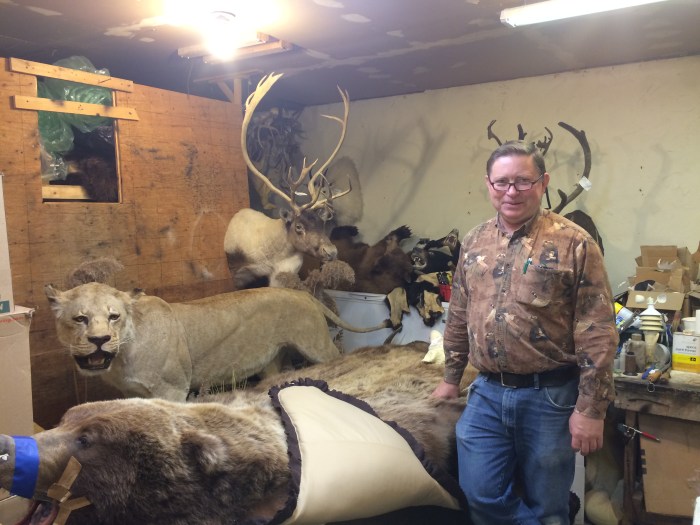
Taxidermy, often viewed solely as a method of preservation, transcends its scientific origins to become a powerful medium for artistic expression and skilled craftsmanship. The meticulous detail involved in recreating lifelike poses, capturing nuanced expressions, and selecting appropriate settings elevates taxidermy beyond mere preservation, transforming it into a unique art form with a rich history and evolving contemporary practice. This multifaceted approach to taxidermy reflects both the skill of the artist and the inherent beauty of the natural world.
A Hypothetical Museum Exhibit on Taxidermy as Art
A museum exhibit showcasing taxidermy as art could be thematically organized around geographical regions, highlighting the diverse styles and traditions across the globe. Selection criteria for artifacts would prioritize pieces demonstrating exceptional craftsmanship, innovative artistic approaches, and significant cultural relevance. The exhibit could be divided into sections representing different continents, each showcasing representative examples of taxidermy artistry from that region. For instance, one section might focus on the intricate and often highly stylized taxidermy prevalent in some Asian cultures, contrasting with the more naturalistic styles favored in Western traditions. Another section might explore the use of taxidermy in contemporary art installations, demonstrating the medium’s evolution and its ongoing relevance in the art world. Accompanying each piece would be detailed information about the artist, the animal depicted, the techniques employed, and the cultural context of the work.
Ethical Considerations in Taxidermy Art
The ethical implications of using animal specimens in artistic creations are complex and have been debated extensively. Historically, the acquisition of specimens was often unregulated, leading to unsustainable practices and the depletion of certain animal populations. Contemporary ethical concerns center on the source of the specimens, ensuring they are obtained legally and sustainably, often through collaboration with wildlife rehabilitation centers or natural history museums. Artists are increasingly called upon to demonstrate transparency regarding the origin of their materials and to adhere to strict ethical guidelines to avoid contributing to illegal wildlife trade or harming endangered species. The debate also considers the inherent value of the animal itself versus its potential as an artistic medium, prompting ongoing discussions about responsible sourcing and sustainable practices within the art world.
Contemporary Artists Utilizing Taxidermy
The use of taxidermy in contemporary art challenges traditional notions of the medium. Several artists are pushing boundaries, incorporating taxidermy into their works in innovative and thought-provoking ways.
- Allison Reimus: Reimus’ work often involves creating fantastical and surreal scenes using taxidermied animals, challenging viewers to reconsider their perceptions of nature and the human relationship with the natural world. Her pieces often involve carefully constructed narratives and symbolic representations, transforming the animals into elements within a larger artistic concept.
- Kate Clark: Clark creates intricate and detailed taxidermy sculptures that are often highly stylized and incorporate other materials such as found objects and repurposed materials. Her work explores themes of mortality, beauty, and decay, pushing the boundaries of what is considered traditional taxidermy. She carefully considers the ethical sourcing of her materials and strives for a respectful approach to the animals she uses in her art.
- Bart Jansen: Jansen is known for his provocative and often controversial work, which frequently involves incorporating technology into his taxidermy creations. For instance, he created a drone controlled by a taxidermied cat. His art challenges the boundaries of art and technology, raising questions about the relationship between humans, animals, and technology in the modern world.
The Socioeconomic Aspects of Taxidermy
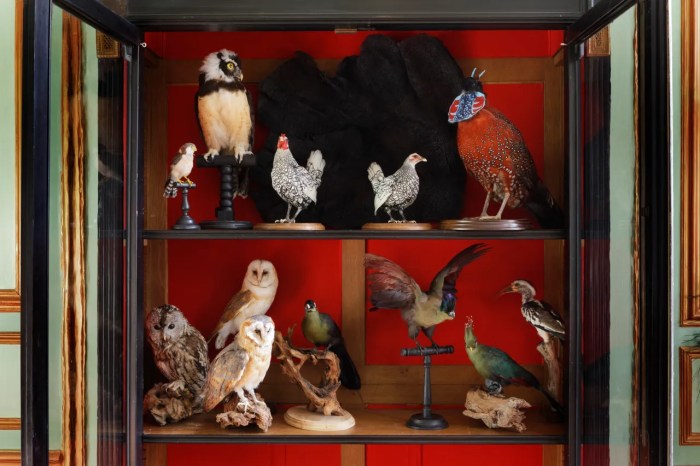
Taxidermy, beyond its artistic and historical significance, plays a multifaceted role in the socioeconomic landscapes of various communities worldwide. From traditional livelihoods to modern commercial enterprises, the practice’s economic impact is substantial, yet often intertwined with complex sustainability concerns. This section explores the diverse ways taxidermy contributes to economies and the challenges it faces in a globalized world.
Taxidermy’s contribution to income and livelihoods varies significantly depending on the scale and nature of the practice. In some regions, it remains a crucial element of traditional economies, while in others, it has evolved into a specialized, commercially driven industry. The following table illustrates this diversity.
Taxidermy’s Economic Impact Across Regions
| Country/Region | Taxidermy Practice Type | Economic Impact | Sustainability Concerns |
|---|---|---|---|
| Rural Nepal | Traditional (primarily subsistence) | Provides supplemental income for hunters and villagers through the sale of small animal specimens to local markets and tourists. | Overharvesting of certain species due to unregulated hunting and lack of sustainable practices. |
| United States (Montana) | Commercial (large-scale studios and individual taxidermists) | Significant contribution to local economies through employment, sales of taxidermied animals, and tourism related to hunting and wildlife viewing. | Ethical concerns regarding the sourcing of specimens and potential impacts on wildlife populations if not properly regulated. Strict licensing and permitting requirements aim to mitigate these concerns. |
| South Africa | Commercial (wildlife farms and trophy hunting) | Major contributor to the economy, particularly in rural areas, through employment in trophy hunting operations, taxidermy services, and associated tourism. However, this sector is highly controversial. | Significant debate surrounds the ethical implications of trophy hunting and the sustainability of wildlife farming practices. The industry is subject to stringent regulations and monitoring. |
| Kenya | Traditional and emerging commercial (craft markets and international sales) | Provides income for artisans, especially in rural areas, through the creation and sale of taxidermied animals (often smaller specimens) in local and international markets. | Potential for exploitation of endangered species if not properly regulated. The balance between cultural practices and conservation is a key challenge. |
Globalization and Technological Advancements in Taxidermy
Globalization and technological advancements have profoundly impacted the taxidermy industry. The rise of e-commerce has expanded market access for taxidermists, facilitating international trade and increasing competition. New techniques and materials have improved the quality and longevity of taxidermied specimens, leading to higher prices and increased demand. However, this globalization has also led to challenges. The ease of international trade has facilitated the illegal trafficking of endangered species, highlighting the need for robust international cooperation and stricter regulations. Moreover, the increasing affordability of taxidermy services has potentially increased the demand, placing further pressure on vulnerable wildlife populations.
Environmental Regulations and Conservation Efforts
Environmental regulations and conservation efforts play a vital role in shaping the sustainability of taxidermy practices. In countries like the United States, stringent regulations govern the hunting and trade of wildlife, including licensing requirements for taxidermists and restrictions on the species that can be legally taxidermied. These regulations help to prevent overhunting and protect endangered species. In contrast, the enforcement of these regulations can vary significantly, with some areas having more stringent controls than others. Similarly, in Kenya, the use of certain species in taxidermy is heavily restricted to protect biodiversity. The government works closely with local communities to promote sustainable practices, often integrating taxidermy with eco-tourism initiatives to incentivize conservation. However, the challenge remains in balancing the economic benefits of taxidermy with the need to safeguard wildlife populations and prevent illegal activities.
Closing Summary

From its ancient origins to its contemporary artistic expressions, taxidermy reveals a compelling interplay between human culture and the natural world. This journey through ten global traditions has illuminated the diverse ways in which societies have interacted with, and represented, the animal kingdom. By understanding the historical, artistic, and socioeconomic dimensions of taxidermy, we gain a deeper appreciation for the complex relationship between humanity and nature, and the enduring legacy of this unique practice. The ethical considerations surrounding taxidermy remain crucial, prompting ongoing dialogues about conservation and sustainable practices in the years to come.