Taxidermy, the art of preserving animal specimens, often carries an environmental footprint. However, a growing movement champions sustainable practices, minimizing the impact on ecosystems and promoting ethical sourcing. This exploration delves into nine eco-conscious methods transforming traditional taxidermy into a more responsible craft, highlighting the importance of ethical sourcing, sustainable materials, and waste reduction.
From responsibly sourced animal specimens to the use of eco-friendly tanning agents and water-based preservatives, this guide provides a comprehensive overview of sustainable taxidermy techniques. It also emphasizes the crucial role of education and transparency in fostering responsible consumption and promoting a more environmentally conscious industry.
Sustainable Sourcing of Materials for Taxidermy

Ethical and environmentally responsible taxidermy requires careful consideration of the sourcing of all materials, from the animal specimen itself to the chemicals and tools used in the process. Sustainable practices are crucial for minimizing the impact on wildlife populations and the environment.
Ethical Sourcing of Animal Specimens
Responsible sourcing of animal specimens is paramount. This begins with ensuring the animals are obtained legally and ethically. For example, hunters should adhere to all relevant regulations, including bag limits and hunting seasons, and utilize fair chase practices. Partnerships with conservation organizations can further enhance ethical sourcing. These organizations often work with landowners and hunters to manage wildlife populations sustainably, ensuring that harvests contribute to the overall health of the ecosystem. Furthermore, taxidermists should verify the legality of specimens before accepting them for processing, refusing any that are suspected to be illegally obtained. The documentation trail, from harvest to taxidermy, should be transparent and easily accessible.
Environmental Impact of Tanning Agents
Traditional tanning methods often involve the use of chromium, a heavy metal that poses significant environmental risks. Chromium-based tanning can contaminate water sources and harm wildlife. Eco-friendly alternatives are increasingly available, including vegetable tanning using natural tannins derived from plant materials like tree bark or leaves. Vegetable tanning is a slower process but results in a more sustainable product with a lower environmental impact. Other alternatives include using formaldehyde-free tanning solutions, which reduce the release of harmful chemicals into the environment. The choice of tanning agent significantly influences the overall sustainability of the taxidermy process. A comparison of the environmental impact should be undertaken before choosing the tanning method.
Waste Reduction in Taxidermy
Minimizing waste is a key aspect of sustainable taxidermy. This can be achieved through careful planning and efficient use of materials. For instance, accurate measurements and precise cutting techniques reduce the amount of material discarded. Leftover scraps of leather or fur can be repurposed for smaller projects or donated to artisans for other craft uses. Proper disposal of hazardous waste, such as tanning solutions and cleaning agents, is essential to prevent environmental contamination. Implementing a robust waste management system, including segregation and recycling where possible, significantly reduces the overall environmental footprint.
Comparison of Taxidermy Material Sustainability
| Material | Source | Environmental Impact | Alternatives |
|---|---|---|---|
| Wood (for bases) | Sustainably harvested forests (FSC certified) | Low, if sustainably sourced; high if from unsustainable logging | Recycled wood, plastics (with caveats about recyclability and durability) |
| Glass Eyes | Manufactured, often using recycled glass | Relatively low, depending on manufacturing processes | High-quality acrylic eyes (consider lifespan and durability) |
| Artificial Fur | Synthetic fibers, often petroleum-based | Moderate to high, depending on fiber type and disposal method; microplastic pollution concern | Recycled synthetic fibers (where available), natural fibers (limited availability and ethical sourcing needed) |
| Metal (for armatures) | Mining and manufacturing processes | Moderate to high, depending on the metal and its sourcing; consider recyclability | Recycled metals, biodegradable alternatives (limited options available) |
Eco-Friendly Taxidermy Techniques and Practices

Sustainable taxidermy isn’t just about sourcing materials responsibly; it’s also about minimizing environmental impact throughout the entire process. By adopting eco-friendly techniques, taxidermists can significantly reduce their carbon footprint and contribute to a healthier planet. This section will explore several key practices that promote environmentally conscious taxidermy.
Benefits of Water-Based Preservatives and Dyes
Traditional taxidermy often relies on solvent-based chemicals, which can be harmful to both the environment and the taxidermist. Water-based alternatives, however, offer a significantly safer and more sustainable approach. These products generally have lower toxicity, reducing the risk of air and water pollution from spills or disposal. They also tend to produce less harmful byproducts during the preservation process, making them a better choice for both the environment and the health of the practitioner. Furthermore, many water-based dyes offer a vibrant and durable color range comparable to their solvent-based counterparts, eliminating the need to compromise on aesthetic quality.
Sustainable Taxidermy Process: A Step-by-Step Guide
The following steps Artikel a sustainable taxidermy procedure focusing on waste reduction and responsible disposal:
- Preparation: Begin by carefully removing the animal’s skin, taking care to minimize waste. Use sharp, clean tools to avoid unnecessary damage. Collect all tissues and organs in separate, clearly labeled containers for appropriate disposal.
- Cleaning: Clean the skin thoroughly using water-based detergents. Avoid harsh chemicals. Rinse thoroughly to remove all residue.
- Preservation: Apply a water-based preservative according to the manufacturer’s instructions. Ensure proper ventilation during this stage to avoid inhaling fumes.
- Tanning: Opt for a vegetable-tanned leather process which is less environmentally damaging than chrome tanning. This traditional method uses natural tannins derived from plant extracts.
- Forming and Mounting: Use recycled or sustainably sourced materials for mannikins and armatures. Consider using reclaimed wood or other repurposed materials.
- Finishing: Use water-based dyes and sealants. Avoid excessive use of materials to minimize waste.
- Waste Disposal: Dispose of all hazardous materials responsibly, following local regulations. Contact your local waste management authority for guidance on proper disposal of animal remains and chemical waste. Many areas have dedicated hazardous waste disposal centers.
Innovative Taxidermy Techniques
Several innovative techniques are emerging to minimize the environmental impact of taxidermy. One approach involves using recycled materials for mannikins and armatures. For instance, reclaimed wood or plastic can be repurposed to create forms for mounting animals. Another method focuses on reducing the amount of preservative used. By carefully preparing the skin and using efficient application techniques, taxidermists can significantly decrease the volume of chemicals needed, reducing waste and potential environmental harm. Some taxidermists are even exploring the use of bio-based materials derived from renewable resources for mannikins and other components, further minimizing the environmental footprint of their work.
Infographic: Eco-Friendly Taxidermy
Imagine an infographic with six panels. Panel 1 shows a deer being carefully skinned with minimal waste, tools are clearly clean. Panel 2 depicts the cleaning of the skin with water-based detergents. Panel 3 illustrates the application of a water-based preservative, emphasizing proper ventilation. Panel 4 shows the tanning process using vegetable-tanned leather. Panel 5 showcases the use of a recycled wood mannikin. Panel 6 depicts the final mounted piece with the proper disposal of hazardous waste in clearly labeled containers. The overall aesthetic is clean and professional, highlighting the sustainable practices throughout the process. The colors are earth tones, reinforcing the natural and eco-friendly aspects. The text is concise and easy to understand, using clear and simple language to explain each step.
Promoting Responsible Consumption and Education in Taxidermy
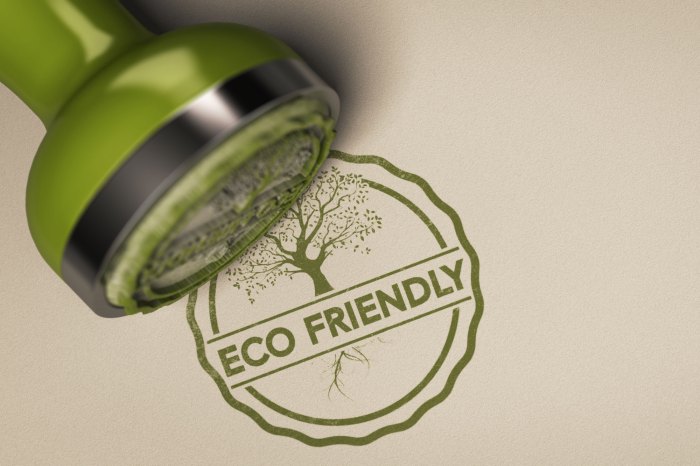
The ethical and sustainable practice of taxidermy hinges not only on responsible sourcing and techniques but also on informed consumer choices. Educating the public about sustainable practices and the ethical implications of acquiring taxidermied specimens is crucial for the long-term health of both the industry and wildlife populations. Transparency and traceability throughout the supply chain are equally vital in ensuring that consumers are making truly ethical purchases.
Educating consumers about sustainable taxidermy requires a multifaceted approach. This includes providing clear information about the sourcing of specimens, the materials used in the process, and the environmental impact of different taxidermy methods. Highlighting the importance of choosing taxidermists who prioritize ethical sourcing and sustainable practices is also key. This education can be disseminated through various channels, including workshops, online resources, and partnerships with conservation organizations. Moreover, emphasizing the longevity and aesthetic value of ethically sourced taxidermy can incentivize consumers to make more responsible choices.
Strategies for Promoting Transparency and Traceability
Transparency and traceability are essential for ensuring ethical sourcing and responsible practices in the taxidermy industry. This involves implementing systems that allow consumers to trace the origin of a taxidermied specimen, from its acquisition to its preparation. This might involve detailed documentation provided by the taxidermist, including permits, harvest information, and photographs of the animal in its natural habitat. Furthermore, promoting the use of digital platforms to record and share this information can enhance transparency and accountability. A standardized system of record-keeping and reporting would also help to improve traceability throughout the supply chain, allowing for greater scrutiny and consumer confidence. Such a system could include barcodes or RFID tags linked to online databases containing detailed information about the specimen’s origin and the taxidermy process.
Existing and Proposed Certifications for Sustainable Taxidermy
Currently, there is a lack of widely recognized certifications specifically for sustainable taxidermy practices. However, some organizations promote ethical hunting and wildlife conservation, which indirectly support responsible taxidermy. These organizations often have standards and guidelines that taxidermists can follow to demonstrate their commitment to ethical practices. A new eco-friendly taxidermy certification could build upon these existing efforts, establishing clear criteria for sustainable sourcing, environmentally friendly materials, and ethical preparation techniques. The criteria for such a certification could include:
- Verification of legal and ethical sourcing of specimens, with documentation of permits and harvest information.
- Use of non-toxic and biodegradable materials in the taxidermy process.
- Compliance with best practices for minimizing environmental impact during the taxidermy process.
- Commitment to ongoing education and professional development in sustainable taxidermy practices.
- Transparency and traceability throughout the supply chain, with readily available information for consumers.
This certification would offer consumers a clear indication of a taxidermist’s commitment to sustainability and ethical practices, fostering trust and promoting responsible consumption.
Resources for Consumers Seeking Ethically Sourced Taxidermy
Consumers interested in ethically sourced and sustainably produced taxidermy specimens and services can utilize several resources to make informed decisions. These resources provide valuable information and help ensure responsible consumption.
- Professional Associations: Many professional taxidermy associations have codes of ethics and guidelines that promote responsible practices. Checking with these associations can help consumers identify taxidermists who adhere to these standards.
- Online Directories: Several online directories list taxidermists who specialize in sustainable or ethical practices. These directories often include reviews and testimonials from previous clients.
- Conservation Organizations: Conservation organizations often work with taxidermists who support their mission. They may be able to recommend ethical and sustainable taxidermists in your area.
- Direct Communication: Consumers should not hesitate to directly contact taxidermists and inquire about their sourcing practices, materials used, and environmental considerations.
Closing Notes

By embracing sustainable sourcing, eco-friendly materials, and innovative techniques, the taxidermy community can significantly reduce its environmental impact. Promoting transparency, educating consumers, and establishing clear certifications are vital steps towards a more responsible future for this age-old art form. The shift towards sustainable taxidermy isn’t just about preserving animals; it’s about preserving the planet for future generations to appreciate.