Taxidermy, often viewed as a purely preservational art, offers a surprisingly rich canvas for storytelling. This exploration delves into eleven unique methods of weaving narratives through the careful arrangement and presentation of taxidermied animals. We’ll examine how the techniques themselves, from traditional methods to modern approaches, contribute to the overall narrative impact, considering the animal’s natural history and the strategic integration of artifacts to enhance the story.
From meticulously crafting lifelike poses to designing immersive dioramas, we’ll uncover how each element—the animal’s posture, the chosen setting, and even the inclusion of personal objects—plays a crucial role in constructing a compelling and engaging narrative. Whether it’s a solitary creature or a group interacting within a meticulously recreated habitat, the potential for storytelling is vast and deeply rewarding.
Taxidermy Techniques & Narrative Potential
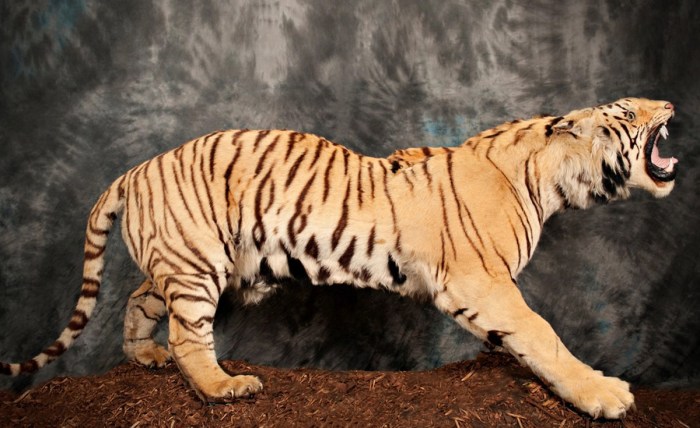
Taxidermy, the art of preserving animal specimens, offers a unique opportunity to blend artistic skill with storytelling. The process itself, from initial preparation to final display, provides numerous points where the narrative can be subtly shaped or dramatically emphasized. The careful consideration of pose, presentation, and technique allows the taxidermist to communicate far more than just the animal’s physical attributes; they can convey a story about its life, its habitat, and even its death.
The taxidermy process typically begins with the careful skinning and preservation of the animal’s hide. This initial stage is crucial, as any damage or mishandling can significantly impact the final result and the story it tells. The careful cleaning and tanning of the hide ensures its longevity and allows for the creation of a realistic representation. Next, a form, usually sculpted from foam or other materials, is created to replicate the animal’s body shape. This is where the narrative begins to take form. The choice of posture, the expression sculpted into the face, even the subtle positioning of the limbs—all these contribute to the overall message. The final stages involve meticulously attaching the preserved hide to the form, adding artificial eyes, and carefully detailing the fur or feathers. Each step requires skill and precision, impacting the ultimate narrative impact.
Pose and Presentation’s Influence on Narrative
The pose and presentation of a taxidermied animal are key elements in shaping the narrative. A majestic eagle perched atop a craggy rock conveys a sense of power and dominance, a stark contrast to the same eagle depicted in mid-flight, suggesting speed and freedom. Similarly, a deer presented in a relaxed, grazing posture evokes a sense of peace and tranquility, while a deer depicted in a startled pose, perhaps with its head turned sharply, might suggest a moment of danger or escape. The background and setting in which the animal is displayed further enhance the narrative. A meticulously crafted diorama, for example, can transport the viewer to the animal’s natural habitat, enriching the story and adding depth to the experience.
Impact of Different Taxidermy Techniques on Narrative
Lifelike taxidermy aims for a hyper-realistic representation of the animal, striving for anatomical accuracy and a natural appearance. This approach lends itself to narratives that focus on the animal’s physical characteristics and its place within its ecosystem. In contrast, artistic taxidermy allows for greater creative freedom. The taxidermist might employ stylized poses, incorporate unconventional materials, or even alter the animal’s appearance to convey a particular emotion or message. This technique opens up possibilities for more abstract or symbolic narratives, allowing the artist to explore themes beyond simple representation. For instance, a stylized taxidermied fox, depicted in an almost fantastical pose, could convey a story about cunning, magic, or folklore, moving beyond a straightforward portrayal of the animal’s physical attributes.
Comparison of Traditional and Modern Taxidermy Methods
| Method | Traditional Approach | Modern Approach | Narrative Impact |
|---|---|---|---|
| Form Construction | Often used readily available materials like wood or wire, leading to simpler, less detailed forms. | Advanced materials like polyurethane foams allow for highly detailed and anatomically accurate forms. | Traditional methods might lend a more stylized, less realistic feel; modern approaches allow for hyper-realism and detailed storytelling. |
| Hide Preparation | Often involved simpler tanning methods, potentially leading to less durable and less realistic results. | Advanced tanning and preservation techniques ensure longer-lasting, more lifelike hides. | Modern techniques enhance the realism and longevity of the piece, allowing the narrative to remain impactful for longer. |
| Pose and Mounting | Often limited by available materials and techniques, resulting in more static poses. | Advanced armatures and mounting techniques allow for dynamic and lifelike poses. | Modern methods allow for a more active and engaging narrative, conveying movement and emotion more effectively. |
| Finishing and Detailing | Finishing techniques were often less refined, resulting in a less detailed final product. | Airbrushing, advanced sculpting techniques, and meticulous attention to detail create hyper-realistic results. | Modern techniques enhance realism and allow for a richer, more nuanced narrative. |
Animal Stories & Their Taxidermic Representations
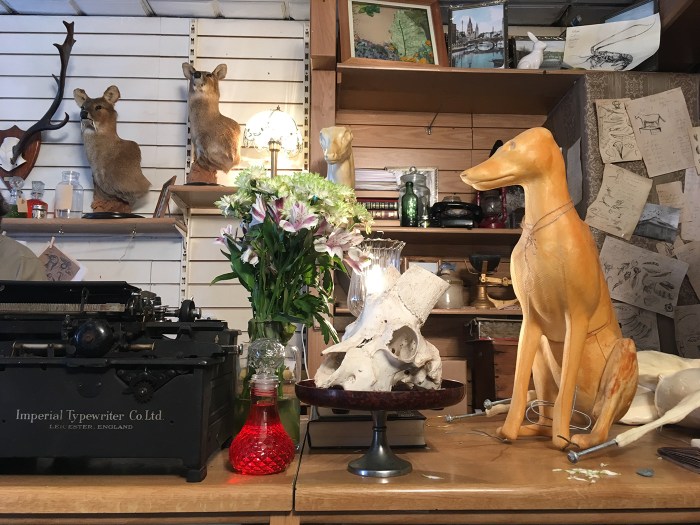
Taxidermy, when approached creatively, transcends mere preservation; it becomes a powerful tool for storytelling, capable of breathing life—or at least the illusion of life—back into animals long deceased. By carefully considering an animal’s natural history and crafting a compelling narrative, taxidermists can create truly captivating displays that educate and inspire. The careful arrangement of the animal, its setting, and accompanying elements all contribute to the overall narrative.
The effectiveness of a taxidermic display is directly linked to its ability to communicate a story. This requires understanding not just the animal’s physical characteristics, but also its behavior, habitat, and place within its ecosystem. A well-executed taxidermy piece can transport the viewer to another time and place, offering a glimpse into the animal’s life and the world it inhabited. This process requires meticulous attention to detail and a deep understanding of both taxidermy techniques and narrative structure.
Narratives for Taxidermic Display
Three distinct narratives, each featuring a different animal, can exemplify the storytelling potential of taxidermy. First, a majestic bald eagle, perched atop a weathered branch overlooking a miniature diorama of a pristine Alaskan lake. Its powerful gaze and outstretched wings suggest a moment of silent vigilance, hinting at the eagle’s role as apex predator and its importance within its ecosystem. The diorama would incorporate realistic elements like miniature fish, reflecting the eagle’s diet. Second, a family group of North American grey wolves, depicted mid-hunt, surrounding a fallen elk. The wolves’ postures and expressions communicate the dynamics of their pack and the challenges of survival in a harsh environment. The elk’s inclusion adds another layer of narrative, depicting the predator-prey relationship central to the wolves’ existence. Finally, a vibrant monarch butterfly, wings outstretched, delicately poised on a cluster of milkweed. This scene would highlight the butterfly’s life cycle and its crucial role in pollination, emphasizing the delicate beauty and importance of even the smallest creatures. The milkweed would be meticulously recreated, showcasing its significance as the monarch’s primary food source.
Natural History & Taxidermic Presentation
The natural history of each animal profoundly influences its taxidermic representation. For the bald eagle, the focus would be on conveying its power and majesty. The pose, the setting, and even the subtle details of its plumage would all contribute to this image. For the wolves, the emphasis would shift to conveying a sense of family and teamwork, requiring careful positioning to showcase their social dynamics. The monarch butterfly’s presentation would emphasize its fragility and beauty, demanding meticulous attention to the accuracy of its wing coloration and the delicate rendering of the milkweed. In each case, careful research into the animal’s behavior, habitat, and ecological role is crucial to creating an accurate and compelling narrative.
Single Animal vs. Group Interactions
Showcasing a single animal allows for a more intimate and focused narrative, emphasizing individual characteristics and behavior. However, a group of interacting animals offers a broader perspective, enabling the exploration of social dynamics, predator-prey relationships, and other complex ecological interactions. The choice depends on the specific story to be told. A lone wolf, for instance, might tell a story of solitude and resilience, while a pack of wolves might illustrate cooperation and the challenges of survival within a social structure. Similarly, a single majestic lion could project power and dominance, whereas a pride of lions could reveal the complex social hierarchy and hunting strategies of this species.
Choosing Appropriate Background Elements
The background elements are integral to the narrative. Careful selection of these elements can significantly enhance the story being told.
- Accuracy: The background should accurately reflect the animal’s natural habitat. Avoid anachronisms or inconsistencies.
- Scale: Maintain appropriate scale between the animal and the background elements. A tiny animal in an immense landscape might look lost, while a large animal in a cramped space feels unnatural.
- Depth: Use depth of field and perspective to create a sense of space and realism. Avoid flat, two-dimensional backgrounds.
- Lighting: Lighting plays a crucial role in setting the mood and highlighting key features. Consider the time of day and the animal’s natural environment.
- Details: Include subtle details that enhance the narrative, such as tracks in the snow, scattered foliage, or signs of recent prey.
Integrating Objects & Artifacts into the Narrative
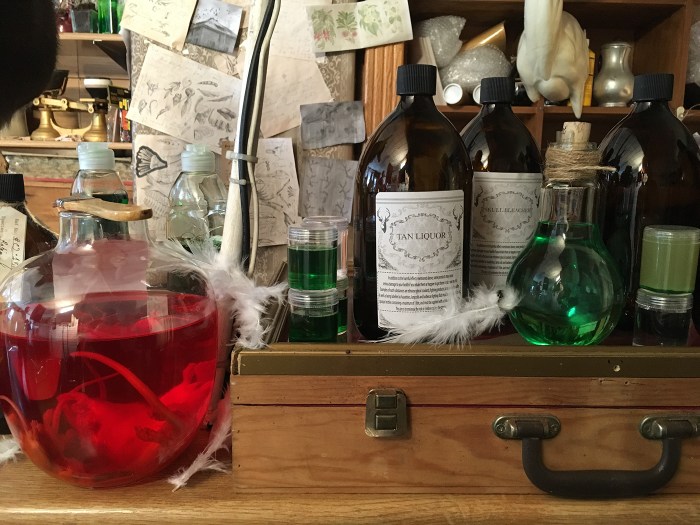
Integrating additional objects and artifacts into a taxidermy display significantly enhances the storytelling potential, moving beyond a simple presentation of the animal to a richer, more evocative narrative. By carefully selecting and placing these elements, the artist can create a compelling scene that immerses the viewer in a specific time and place, adding depth and context to the animal’s story. This process requires careful consideration of both the aesthetic and narrative impact of each addition.
Adding objects to a taxidermy display requires a thoughtful design process. The goal is to create a cohesive diorama that complements the animal and strengthens the overall narrative. This involves selecting objects relevant to the animal’s habitat, behavior, or even its story (if it’s a known individual). The placement of these objects within the diorama is crucial, as it helps to direct the viewer’s eye and build a sense of depth and realism. Careful attention should be paid to scale, color, and texture to ensure a harmonious and believable scene. Lighting also plays a vital role in creating mood and highlighting key elements of the display.
Diorama Design for Narrative Enhancement
The design of a diorama begins with a clear narrative concept. What story are you trying to tell? Once this is established, research into the animal’s natural habitat and behaviors is essential. This research informs the selection of appropriate background materials, plants, and other objects. The next step involves sketching the diorama layout, considering the placement of the taxidermied animal and the supporting objects. This helps to visualize the final product and identify any potential issues early on. Finally, the construction phase involves assembling the diorama, carefully placing each element to create a believable and visually appealing scene. Consider the use of perspective and depth of field to guide the viewer’s gaze and emphasize key elements of the narrative. For instance, a diorama depicting a mountain lion stalking its prey might utilize a shallow depth of field to focus attention on the lion and its immediate surroundings, blurring the background to create a sense of distance and suspense.
Types of Artifacts Enhancing Taxidermy Storytelling
Three types of artifacts that significantly enhance the storytelling aspect of a taxidermy piece are tools, personal belongings, and environmental elements.
Tools can represent the animal’s interaction with humans or its environment. For example, a fishing net near a taxidermied salmon could suggest a successful fishing expedition, while a broken arrow near a deer might indicate a hunting encounter.
Personal belongings, when appropriate, can personalize the animal’s story. For instance, a worn-out collar near a dog could tell a tale of companionship and loyalty. This adds an emotional element to the display, creating a connection between the viewer and the animal.
Environmental elements can provide context and realism to the scene. For example, a meticulously recreated section of a forest floor around a fox could vividly illustrate its natural habitat, enhancing the overall believability and immersion of the diorama.
Narrative Themes Suitable for Integration with Taxidermy and Artifacts
The following narrative themes are particularly well-suited for integration with taxidermy and accompanying artifacts:
A hunter’s trophy, showcasing the skill and dedication of the hunter and the majesty of the animal.
A predator and prey scene, illustrating the delicate balance of the ecosystem and the harsh realities of survival in the wild.
A depiction of an animal’s life cycle, showcasing its growth, development, and eventual demise.
Final Review

Ultimately, the art of taxidermy transcends mere preservation; it becomes a powerful tool for sharing stories, celebrating the natural world, and connecting with audiences on an emotional level. By understanding the nuances of pose, setting, and artifact integration, taxidermists can transform their creations into captivating narratives that resonate long after the viewer has left. The careful consideration of each element, from the animal’s natural history to the carefully selected background, allows for the creation of truly unforgettable stories, breathing new life into the art of taxidermy.