Taxidermy, the art of preserving animal specimens, transcends mere preservation; it’s a meticulous craft demanding artistry and technical skill. This exploration delves into the six core artisanal skills that elevate taxidermy from a simple preservation method to a true art form. From the initial delicate skinning process to the final, lifelike finishing touches, each step requires precision, patience, and a deep understanding of animal anatomy. We will examine the diverse techniques employed to achieve realistic representations of various species, highlighting the unique challenges and rewards of this fascinating profession.
This detailed guide will walk you through the intricacies of skinning and preparing different animal types, the creation of accurate and lifelike manikins, and the application of artistic skills to achieve a truly breathtaking final product. We’ll cover everything from choosing the right tools and materials to mastering the subtle art of recreating natural coloration and texture, ensuring that your finished piece captures the essence of the animal in a respectful and aesthetically pleasing manner.
The Art of Skinning and Preparation
Proper skinning and preparation are foundational to successful taxidermy. The meticulous removal of the hide, followed by thorough fleshing and degreasing, directly impacts the final product’s quality and longevity. Careful attention to detail at this stage prevents future problems like slippage, odor, and insect infestation. The choice of tanning method also significantly influences the hide’s durability and appearance.
Skinning Methods for Different Species
Different animal species require unique skinning approaches due to variations in their skeletal structure, skin thickness, and hair or feather density. Improper techniques can easily damage the hide, rendering it unsuitable for mounting. The following table summarizes common methods:
| Species | Method | Tools | Considerations |
|---|---|---|---|
| Birds | Incision along the midline of the abdomen, careful separation of skin from muscle, removal of wings and legs. | Sharp scalpel, small scissors, bone cutters, fleshing knife | Fragile skin requires delicate handling; careful attention to avoid feather damage. |
| Mammals (Small) | Incision along the belly, careful skinning around legs and head. | Sharp scalpel, fleshing knife, scraping tools | Small incisions are crucial to minimize damage; attention to detail around delicate areas like eyes and ears. |
| Mammals (Large) | Incisions along the belly and legs, using a combination of cutting and pulling techniques. | Sharp knife, fleshing knife, skinning beam, scraping tools | Requires significant strength and experience; proper support is necessary to avoid stretching or tearing the hide. |
| Reptiles | Incision along the belly, careful separation of skin from scales, removal of internal organs. | Sharp scalpel, scissors, fleshing knife | Scales require careful handling; avoid damaging them during the process. |
Fleshing and Degreasing
Fleshing involves the meticulous removal of all remaining muscle tissue, fat, and connective tissue from the inside of the hide. This is a crucial step in preventing decay and ensuring the hide’s longevity. Thorough fleshing is accomplished using a fleshing knife, carefully scraping the inner surface until only the clean skin remains. Degreasing follows fleshing and removes residual oils and fats, preventing rancidity and attracting insects. This can be done using various methods, including washing with detergents or soaking in degreasing solutions. The thoroughness of both processes significantly affects the final product’s quality, preventing undesirable odors and ensuring a long-lasting mount.
Tanning Methods
Tanning transforms the hide from a perishable material into a durable, stable substance. Several methods exist, each with its own advantages and disadvantages.
- Chrome Tanning: A common method using chromium salts, offering rapid processing and a soft, pliable leather. However, it can be less durable than other methods and may present environmental concerns due to the chemicals involved.
- Alum Tanning: A traditional method using aluminum salts, resulting in a softer leather suitable for smaller animals. It’s less durable than chrome tanning and may not be suitable for all species or climates.
- Brain Tanning: A historic method using animal brains to soften and preserve the hide. This method is time-consuming and requires specialized knowledge but produces a very durable and natural-feeling leather.
The choice of tanning method depends on factors such as the species, size, and desired final product characteristics.
Forming and Shaping the Animal
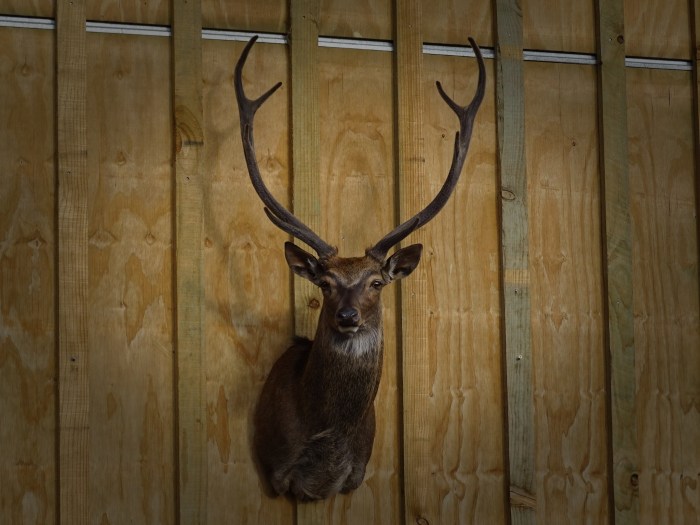
Creating a lifelike taxidermied animal requires meticulous attention to form and shape. The manikin, or artificial body, serves as the foundation upon which the skin is carefully draped and secured, ultimately determining the final pose and overall realism of the piece. The process varies significantly depending on the animal’s size, species, and desired pose.
Bird Manikin Creation
Constructing a manikin for a bird involves careful consideration of the bird’s skeletal structure and musculature to achieve a natural pose. The following steps Artikel the process:
The creation of a realistic bird manikin requires precise attention to detail. Materials like wire, cotton, and balsa wood are commonly used, allowing for flexibility and accurate shaping. The process mimics the bird’s underlying structure, creating a form that will support the skin naturally.
- Wire Frame: Begin by constructing a wire armature mirroring the bird’s skeleton. Use fine gauge wire for smaller birds and heavier gauge wire for larger species. Shape the wire to match the desired pose, paying close attention to the curve of the neck, the position of the wings, and the angle of the legs.
- Body Shaping: Build up the body using cotton or other soft filler material around the wire frame. Carefully sculpt the form, ensuring accurate proportions and a smooth, even surface. Use a sculpting tool to refine the shape and create muscle definition where appropriate.
- Balsa Wood Details: For areas requiring more rigidity, such as the beak and legs, use balsa wood. Carve the balsa wood to the correct size and shape, and attach it securely to the wire frame and cotton body.
- Finishing and Refinement: Once the basic form is complete, refine the surface by adding or removing filler material as needed. The goal is to achieve a smooth, even surface that accurately represents the bird’s musculature and body contours.
Mammal Posing and Mounting
Posing and mounting a mammal requires a different approach compared to birds, owing to their larger size and more complex musculature. The key is to create a natural and lifelike posture that captures the essence of the animal.
Achieving a natural pose for a mammal manikin requires understanding the animal’s anatomy and typical postures. The manikin should support the skin without distortion, allowing for a realistic representation of the animal’s form. Consider the animal’s natural habitat and typical behaviors when choosing a pose.
The process generally involves creating a manikin from materials such as polyurethane foam, which can be carved and shaped to match the animal’s specific dimensions. Once the form is complete, the taxidermist carefully drapes the tanned skin over the manikin, making adjustments to ensure a natural appearance. Careful stitching and detailing are crucial in achieving a lifelike result. The final step often involves adding glass eyes and other finishing touches.
Form Creation for Varying Animal Sizes
The techniques for creating forms vary significantly depending on the animal’s size and shape. For small animals like rodents, a simple wire armature with cotton padding might suffice. Larger animals, such as deer or bears, require more robust forms, often constructed from polyurethane foam or even carved wood.
Small animals, due to their delicate structure, often require more intricate manikin construction using fine wires and minimal filler. Larger animals, conversely, necessitate strong, supportive forms capable of withstanding the weight of the skin and maintaining the desired pose. The material selection and construction methods are tailored to the specific animal’s size and weight.
Manikin Adjustment and Fine-Tuning
Fine-tuning the manikin to match the animal’s unique characteristics is crucial for achieving realism. This involves making subtle adjustments to the form, such as refining muscle definition, adjusting the position of limbs, and ensuring proper alignment of the head and body.
Imagine a meticulously crafted manikin for a fox. The taxidermist might subtly adjust the form to reflect the individual fox’s unique features: the slightly longer right leg, the subtle curve of the back, or the characteristic tilt of the head. These minute adjustments, often made through careful sculpting or repositioning of the filler material, are what elevate a taxidermied animal from a mere replica to a work of art.
A detailed illustration would show a taxidermist using sculpting tools to refine the musculature of a manikin’s leg, adjusting the position of a wing on a bird manikin with fine wire adjustments, or repositioning the head of a deer manikin to achieve a more natural, alert posture. The illustration would highlight the precision and attention to detail involved in this crucial step of the process.
Finishing Touches and Artistic Expression
The final stages of taxidermy are where the artistry truly shines, transforming a prepared animal form into a lifelike representation. Meticulous attention to detail is crucial in this phase, elevating the piece from a mere anatomical reconstruction to a captivating work of art. The skill lies in subtly enhancing natural features and correcting any imperfections, resulting in a piece that evokes a sense of realism and captures the essence of the animal.
This section delves into the techniques used to achieve these lifelike qualities, focusing on eye placement, painting and airbrushing, the creation of realistic features like claws and beaks, and the replication of fur and feather textures.
Eye Placement and Realistic Eye Creation
Precise eye placement is paramount to a successful taxidermy mount. Incorrect placement can dramatically alter the animal’s expression and overall realism. Experienced taxidermists utilize anatomical references and careful measurements to ensure the eyes are positioned correctly relative to the skull and other facial features. Realistic eyes are typically crafted from glass or plastic eyes, selected to match the species’ size and color. These artificial eyes are then carefully inserted into the eye sockets, often with the aid of specialized tools, ensuring a secure and natural fit. The surrounding tissues are meticulously sculpted to create a smooth transition between the eye and the surrounding skin, eliminating any unnatural gaps or inconsistencies.
Painting and Airbrushing Techniques
Painting and airbrushing are essential for achieving accurate coloration and textural detail in taxidermy mounts. A wide range of paints, specifically designed for taxidermy, are available, including acrylics and water-based paints. These paints offer excellent adhesion, durability, and the ability to create subtle color gradations. Color mixing is a crucial skill; taxidermists often blend several shades to achieve the precise hue needed for a specific animal, taking into account variations in lighting and age. For example, a subtle blend of browns, grays, and blacks might be used to create the realistic coloration of a deer’s coat. Airbrushing allows for fine control over paint application, creating smooth transitions and realistic patterns. Different airbrush techniques, such as stippling and dry brushing, can be used to simulate different fur or feather textures.
Creating Realistic Claws, Beaks, and Other Features
The creation of realistic claws, beaks, and other features significantly contributes to the overall realism of a taxidermy mount. Claws are often sculpted from epoxy putty or other sculpting mediums, shaped and painted to precisely mimic the animal’s natural claws. Similarly, beaks are carefully crafted and positioned, paying close attention to the shape, size, and coloration. Other minute details, such as whiskers, teeth, and even individual scales on reptiles, are meticulously recreated using specialized tools and materials. The precision required in this phase necessitates patience and a keen eye for detail. For example, a slight variation in the curve of a bird’s beak can significantly impact the overall impression of the mount.
Comparative Analysis of Fur and Feather Texture Replication
The realistic representation of fur and feather textures is a crucial aspect of taxidermy artistry. Various techniques exist to achieve this, each with its strengths and weaknesses.
| Technique | Description |
|---|---|
| Sculpting with Epoxy Putty | This method involves using epoxy putty to carefully sculpt individual hairs or feathers, creating a very detailed and realistic texture. It’s time-consuming but yields highly accurate results. |
| Using Synthetic Fur or Feathers | Pre-made synthetic fur or feathers are available in a variety of colors and textures. This is a quicker and more accessible method, although it might not achieve the same level of realism as sculpting. |
| Airbrushing and Texturing Techniques | Using airbrushing techniques, such as stippling and dry brushing, along with specialized texturing tools, allows for the creation of realistic fur and feather patterns and textures on the base material. |
Closing Summary
Mastering the craftsmanship of taxidermy requires a blend of scientific precision and artistic flair. Through careful attention to detail, a deep understanding of anatomy, and the skillful application of various techniques, taxidermists create enduring tributes to the natural world. The journey from raw hide to a lifelike representation is a testament to both the skill of the artist and the enduring beauty of the animal kingdom. This exploration of the six key artisanal skills has illuminated the depth and complexity of this unique craft, showcasing the dedication and expertise required to create truly exceptional pieces.