For centuries, taxidermy has served as a window into the natural world, preserving animals for scientific study and public display. However, the methods employed have evolved dramatically, impacting the accuracy and longevity of these specimens. This exploration delves into the historical evolution of taxidermy techniques, examining how advancements (or lack thereof) influenced the representation of animals throughout history. We will explore eight historically significant examples, revealing both the triumphs and the pitfalls of this fascinating art and science.
From early stuffing techniques using straw and arsenic to the more sophisticated methods of today, the journey of taxidermy reveals much about our evolving understanding of the natural world and our relationship with it. This examination considers the impact of these techniques on the accuracy of preserved animals, the controversies surrounding certain famous specimens, and the role taxidermy has played in shaping public perception and scientific understanding.
Early Taxidermy Techniques and Their Impact on Historical Accuracy
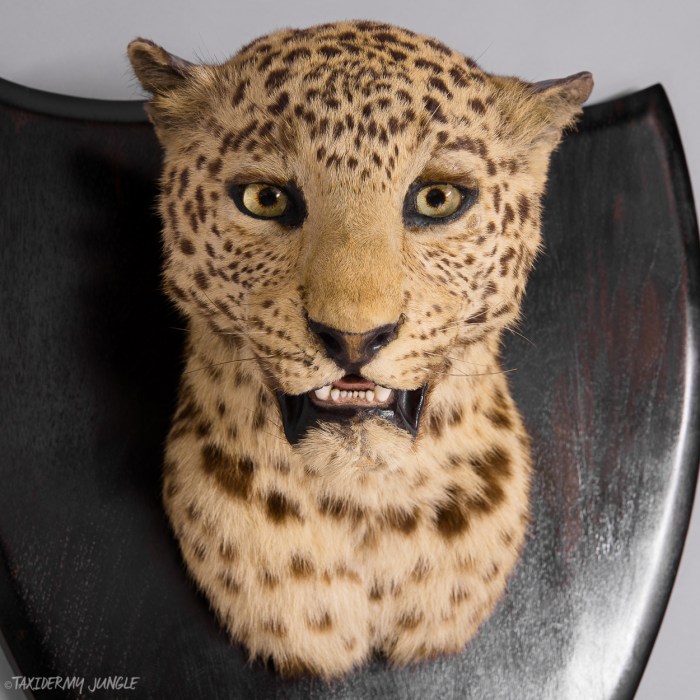
Early taxidermy, far from the precise science it is today, involved techniques that significantly impacted the accuracy and longevity of preserved specimens. The evolution of these methods, from crude stuffing to more sophisticated preservation techniques, directly reflects the developing understanding of anatomy and materials science. This evolution, however, also left its mark on the historical record, often obscuring the true appearance and even the species of the animals being preserved.
The evolution of taxidermy from the 18th to the 20th centuries witnessed a dramatic shift in both materials and methodology. Early taxidermists relied heavily on readily available materials, often resulting in specimens that were far from lifelike. The transition to more sophisticated techniques involved the adoption of new materials and a greater understanding of anatomical structure. This transition, while improving the quality of taxidermy, also introduced its own set of challenges and biases.
Early Taxidermy Techniques and Their Visual Impact
Early taxidermy methods, while ingenious for their time, often resulted in distorted representations of animals. The focus was primarily on preserving the basic form, with less emphasis on anatomical accuracy or lifelike poses. Early taxidermists lacked the detailed anatomical knowledge and sophisticated tools available to their modern counterparts. This often led to unnatural postures, distorted features, and a general lack of realism. Modern taxidermy, in contrast, strives for meticulous accuracy, employing detailed anatomical studies and advanced sculpting techniques to create lifelike representations. The difference is stark, highlighting the limitations of earlier practices and their impact on the historical record.
Comparison of Early Taxidermy Techniques
The following table compares three common early taxidermy techniques, highlighting their impact on the animal’s appearance and the longevity of the preserved specimen.
| Technique | Materials | Impact on Appearance | Longevity |
|---|---|---|---|
| Stuffing with Straw | Straw, cotton, or other readily available plant materials | Often resulted in misshapen animals, lacking detail and realism. The animal would appear stiff and unnatural. | Low; Straw is susceptible to decay and insect infestation, leading to rapid deterioration. |
| Arsenic Preservation | Arsenic-based solutions | Could preserve the skin reasonably well, but the arsenic could cause discoloration and brittleness over time. The process also posed significant health risks to the taxidermist. | Moderate; While preserving the skin, arsenic’s toxicity could damage the skin over the long term and it was prone to leaching. |
| Early Glass Eyes | Glass eyes, often poorly fitted and lacking detail | Glass eyes, while intended to add realism, often appeared unnatural and mismatched, detracting from the overall appearance. | Moderate; The glass eyes themselves could last, but the surrounding tissue could deteriorate, making the eyes appear sunken or misaligned. |
Famous Taxidermied Animals and Their Historical Significance

The preservation of animals through taxidermy has played a significant role in shaping scientific understanding and public perception of the natural world. Many famous taxidermied animals hold historical significance, not only for their individual stories but also for the techniques used in their preservation and the controversies surrounding their authenticity. Examining these cases reveals the evolution of taxidermy and its impact on our understanding of animal life.
This section will explore eight historically significant taxidermied animals, detailing their lives, preservation, and the controversies surrounding their taxidermy. We will also examine how their preservation contributed to scientific understanding or public perception.
The Taxidermied Animals and Their Stories
The following examples highlight the diverse range of animals preserved through taxidermy and the varying degrees of accuracy and controversy surrounding their presentations.
- Martha the Passenger Pigeon: The last known passenger pigeon, Martha, died in captivity in 1914. Her taxidermied remains are housed at the Smithsonian National Museum of Natural History. The taxidermy itself is relatively straightforward, reflecting the common practices of the early 20th century, but its significance lies in representing the extinction of an entire species. The condition of her mount has been debated, with concerns raised about the accuracy of its representation of her in life.
- “Old Abe” the War Eagle: This bald eagle served as a mascot for the 8th Wisconsin Volunteer Infantry Regiment during the American Civil War. His taxidermied body, a somewhat crude preparation by the standards of today, is on display in the Wisconsin State Capitol. The taxidermy’s historical importance far outweighs any concerns about technical precision; it represents a powerful symbol of patriotism and military history. The aging and damage to the mount over the years have also been a subject of discussion among preservationists.
- The Giant Panda, Su Lin: Su Lin, one of the first giant pandas brought to the United States, was a significant figure in the early days of zoological conservation. Her taxidermied remains are a testament to the increasing sophistication of taxidermy in the mid-20th century, showcasing a more lifelike pose and attention to detail than earlier examples. However, debates regarding the ethics of capturing and exhibiting these endangered animals have overshadowed the technical aspects of her taxidermy.
- “Stuffie” the Gorilla: This gorilla, a well-known inhabitant of the London Zoo in the early 20th century, attracted much attention. His taxidermied body, reflecting the somewhat stiff and posed mounts of the era, remains on display. The techniques used were typical of the time, and the taxidermy’s historical significance stems from its connection to early zoology and public fascination with exotic animals. Discussions about the ethical implications of keeping gorillas in captivity and the representation of animals in taxidermy mounts remain prevalent.
- The Dodo Bird: While only a few Dodo remains exist, several museum specimens, including some taxidermied parts, represent the species. The quality of the taxidermy varies widely depending on the specimen and era of preservation. The extreme rarity of these specimens overshadows the technical aspects of the taxidermy; their significance lies in representing an extinct species and highlighting the impact of human activity on biodiversity. Authenticity issues, including potential mixing of parts from different individuals, have been discussed in scientific literature.
- The Quagga: Extinct in the late 19th century, a few Quagga specimens exist as taxidermied mounts. The taxidermy, reflecting the techniques of its time, often shows limitations in capturing the animal’s natural appearance. The limited number of preserved specimens adds to their significance. The accuracy of these mounts, given the limited understanding of the animal’s appearance at the time of taxidermy, has been questioned.
- “Shot” the Tasmanian Tiger: The last known Tasmanian Tiger, nicknamed “Shot,” was killed in 1936. His taxidermied remains are a subject of ongoing controversy. The quality of the taxidermy has been debated, with questions raised about its accuracy and the possibility of damage or alteration over time. The scientific value of the mount is tempered by the ethical questions surrounding the extinction of the species and the circumstances of his death.
- “Jackie” the Giant Squid: The preservation of giant squid specimens is exceptionally challenging. “Jackie,” a specimen captured in 2004, required specialized techniques due to the animal’s size and fragility. While not strictly taxidermy in the traditional sense, the preservation methods used are of considerable historical and scientific importance. The challenges of preserving such a large and delicate specimen highlight the evolution of techniques in handling and preserving unusual specimens. The accuracy of the preserved form is still debated due to the challenges in preserving the animal’s natural form.
The Role of Taxidermy in Museums and Collections
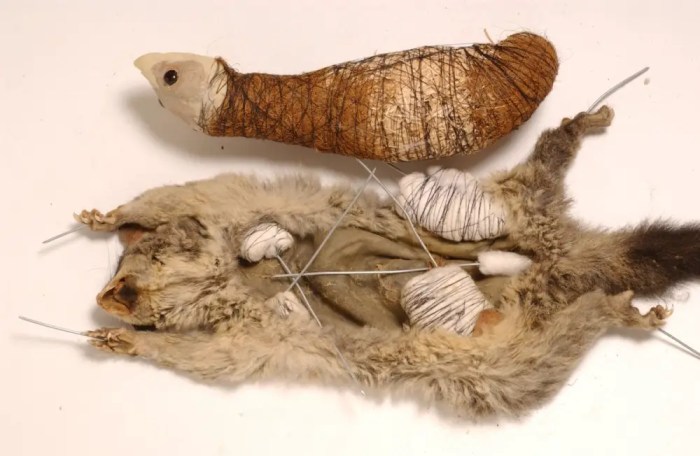
Taxidermy, the art of preserving animal bodies, has played a pivotal role in shaping the public’s understanding of the natural world. Museums, as repositories of knowledge and cultural heritage, have utilized taxidermied specimens for centuries, influencing how we perceive biodiversity, evolution, and conservation. The presentation of these specimens, however, has evolved significantly, reflecting changing scientific understanding and curatorial approaches.
Museums have historically employed taxidermy to create visually striking displays, often prioritizing aesthetic appeal over scientific accuracy. Early taxidermied animals were frequently posed in unnatural or dynamic positions, intended to capture a sense of life and movement. This artistic license, while visually engaging, often compromised the factual representation of the animal’s natural behavior and anatomy. The educational value was often secondary to the spectacle. This contrasts sharply with modern approaches, which emphasize accurate anatomical representation and scientifically informed contextualization.
Changes in Museum Taxidermy Displays and Educational Approaches
The evolution of museum displays mirrors the progress in zoological science and our understanding of animal behavior. Early 20th-century exhibits often featured dioramas, meticulously crafted scenes that attempted to recreate the animal’s natural habitat. These dioramas, while striving for realism, sometimes perpetuated inaccuracies due to limited knowledge of animal ecology and behavior. More recently, museums have shifted towards more minimalist displays, focusing on individual specimens presented with detailed scientific information. Interactive elements, digital technologies, and comparative anatomy displays are increasingly common, providing a richer and more nuanced learning experience. The focus has shifted from simply showcasing the beauty of the animal to emphasizing its ecological role, evolutionary history, and conservation status. For example, a museum might display a taxidermied passenger pigeon alongside information on its extinction, highlighting the impact of human activity on biodiversity.
Hypothetical Museum Exhibit: “Eight Windows into the Natural World”
This exhibit would showcase eight taxidermied animals, each presented in a scientifically accurate and engaging manner. The layout would be linear, with each specimen occupying its own distinct space, allowing for detailed examination. Soft, diffused lighting would minimize glare and highlight the details of each animal’s plumage or fur. Neutral-colored backgrounds would avoid distracting from the specimens. Informational panels would accompany each animal, providing scientific classification, geographic range, habitat, behavior, and conservation status.
- Specimen 1: African Lion (Panthera leo): Displayed in a naturalistic resting pose, with informational text detailing its social structure, hunting techniques, and conservation challenges. The background would depict the savanna landscape, using subtle lighting to mimic the golden hues of sunset.
- Specimen 2: Arctic Fox (Vulpes lagopus): Presented in a snow-covered habitat diorama, with text focusing on its adaptations to extreme cold and its role in the Arctic ecosystem. Subtle blue lighting would simulate the cool tones of the Arctic environment.
- Specimen 3: Giant Anteater (Myrmecophaga tridactyla): Shown in a foraging pose, with information on its specialized diet, feeding behavior, and habitat preferences. The background would feature a realistic depiction of a tropical rainforest.
- Specimen 4: Bald Eagle (Haliaeetus leucocephalus): Displayed perched on a branch, with information highlighting its role as an apex predator and its recovery from near extinction. The background would be a simple, neutral gray, drawing attention to the bird’s plumage.
- Specimen 5: California Condor (Gymnogyps californianus): Presented with information on its critical endangerment and the conservation efforts undertaken to save it. The background would be a muted landscape image, to emphasize the seriousness of the condor’s situation.
- Specimen 6: Gray Wolf (Canis lupus): Displayed in a natural hunting stance, with detailed information on its pack behavior, role in the ecosystem, and historical persecution. The background would be a muted forest scene.
- Specimen 7: Dodo (Raphus cucullatus): A historically significant example, presented with detailed information on its extinction and the implications for conservation. The background would be a simple, neutral backdrop, emphasizing the animal’s unique features.
- Specimen 8: Tasmanian Tiger (Thylacinus cynocephalus): Another extinct animal, presented with information on its unique evolutionary history and the reasons for its extinction. The background would be a simple, neutral backdrop, highlighting the animal’s unique features.
The exhibit’s educational goals are to promote scientific literacy, enhance appreciation for biodiversity, and foster a deeper understanding of conservation issues. By combining accurate scientific information with visually appealing displays, this exhibit would aim to engage visitors of all ages and backgrounds, promoting a more informed and responsible approach to the natural world.
Final Thoughts
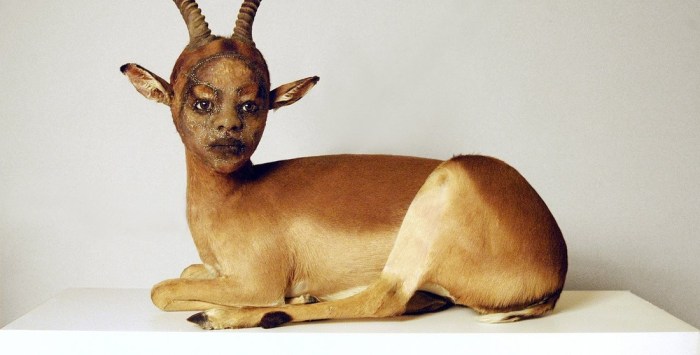
Examining the historical accuracy of taxidermy reveals a complex interplay between artistic skill, scientific understanding, and the limitations of available technology. While early methods often resulted in distorted or inaccurate representations, they nonetheless offer valuable insights into the past. The eight examples highlighted demonstrate how the evolution of taxidermy has influenced our appreciation of the animal kingdom, underscoring the importance of critical analysis when interpreting these historical artifacts. By understanding the techniques and limitations of each era, we can better appreciate the historical context and scientific value of taxidermied specimens.