From ancient Egyptian mummification to the intricate artistry of modern taxidermy, the preservation of animals has undergone a remarkable transformation. This journey, spanning millennia, reflects not only advancements in scientific understanding and technique but also evolving cultural attitudes towards nature and art. We will explore six key milestones that shaped this fascinating field, revealing how taxidermy evolved from a purely practical method of preservation to a sophisticated art form.
This exploration will delve into the historical context of early taxidermy practices, examining the materials and techniques employed by various cultures. We’ll then trace the key innovations of the 18th and 19th centuries, highlighting the impact of scientific progress on the craft. Finally, we’ll consider the ethical dilemmas and artistic expressions that define contemporary taxidermy, pondering its future role in conservation, education, and the art world.
Early Taxidermy
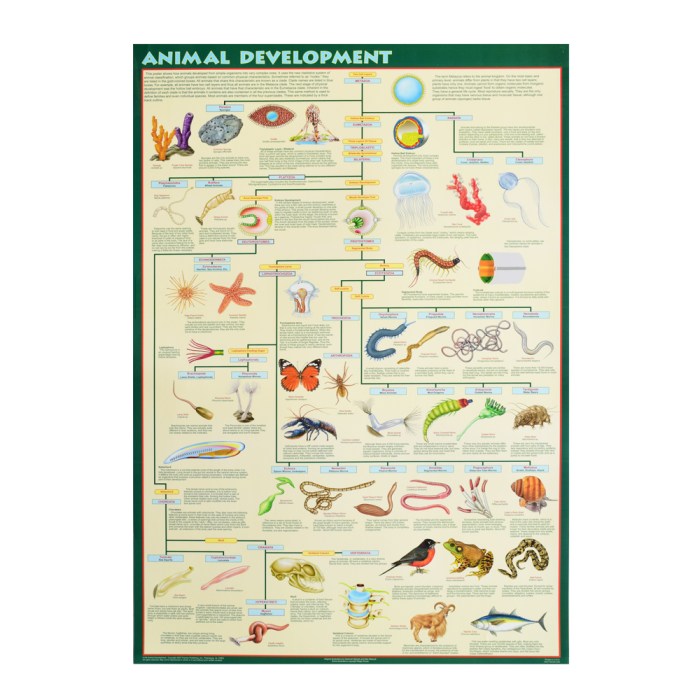
The earliest forms of animal preservation weren’t what we’d consider taxidermy today. Instead, they focused primarily on preserving parts of animals, often for ritualistic or practical purposes, rather than creating lifelike representations. These early methods, while effective in some ways, were limited by a lack of understanding of decomposition processes and available materials. The transition from simple preservation to the art of taxidermy involved a gradual refinement of techniques and a growing appreciation for the aesthetic possibilities of recreating animals in a lifelike manner.
Ancient Preservation Methods
Ancient civilizations employed diverse methods for preserving animal remains, each reflecting their unique cultural and technological capabilities. In ancient Egypt, mummification, while primarily applied to humans, was also used for select animals, particularly those considered sacred. This involved a complex process of evisceration, desiccation, and wrapping in linen bandages, resulting in a relatively well-preserved, though often stiff and desiccated, specimen. Other cultures, lacking the resources and expertise of the Egyptians, relied on simpler methods such as smoking, drying, and even freezing (in colder climates). These techniques, however, often resulted in significant shrinkage, distortion, and loss of detail, limiting their effectiveness in preserving the animal’s original form. The limitations were largely due to a lack of understanding of the biological processes involved in decomposition and the absence of suitable preservation chemicals.
A Comparison of Early Taxidermic Techniques
The following table highlights the differences in materials and techniques employed across various early cultures in their attempts at animal preservation and early forms of taxidermy.
| Culture | Time Period | Materials Used | Techniques |
|---|---|---|---|
| Ancient Egypt | c. 3000-30 BCE | Natron, linen bandages, resins | Evisceration, desiccation, wrapping |
| Various Indigenous Cultures (e.g., North America) | Pre-Columbian Era onwards | Smokes, hides, natural oils | Smoking, drying, stretching hides |
| Ancient Greece/Rome | c. 8th Century BCE – 5th Century CE | Stuffed materials, clay, wax | Basic stuffing, molding, sometimes incorporating painted elements |
| Various Asian Cultures | Varying time periods | Various materials including lacquered wood, paper mache, and natural fibers. | Carving, molding, painting, and layering techniques to achieve desired effect. |
The Emergence of Taxidermy as Art
The transition from purely functional preservation to taxidermy as an art form began gradually. As knowledge of anatomy and artistic techniques improved, so did the ability to create more lifelike representations of animals. Early taxidermists, often naturalists or collectors, began to experiment with different stuffing materials and posing techniques, aiming for a more natural and aesthetically pleasing result. The rise of museums and private collections further fueled this development, creating a demand for high-quality, aesthetically pleasing specimens that could be displayed as both scientific objects and works of art. The increasing sophistication of techniques and materials used gradually shifted the focus from simple preservation to the creation of accurate and artistic representations of animals.
The Rise of Modern Taxidermy
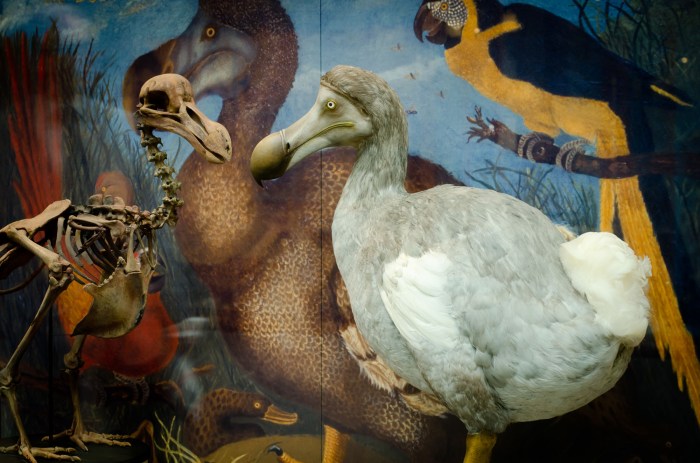
The 18th and 19th centuries witnessed a dramatic transformation in taxidermy, moving from rudimentary preservation methods to a more scientific and artistic approach. This evolution was fueled by advancements in chemistry, anatomy, and a growing appreciation for natural history. The resulting techniques allowed for more lifelike and accurate representations of animals, elevating taxidermy from a simple preservation practice to a respected art form.
The development of modern taxidermy involved significant innovations and breakthroughs. A deeper understanding of animal anatomy enabled taxidermists to create more accurate poses and expressions. The discovery and application of new chemicals revolutionized the preservation process, combating decay and preserving specimens for longer periods. Furthermore, the rise of museums and private collections created a growing demand for high-quality taxidermy specimens, driving innovation and competition within the field.
Advancements in Chemistry and Anatomy
The application of arsenic, a highly toxic preservative, became widespread in the 18th century. While effective in preventing decay, arsenic’s toxicity presented significant health risks to both taxidermists and those handling the specimens. Later, less toxic preservatives like borax and formaldehyde were developed and adopted, improving safety and preservation quality. Simultaneously, a growing understanding of animal musculature and skeletal structure allowed taxidermists to create more natural and lifelike poses, moving away from the stiff, unnatural postures characteristic of earlier taxidermy. Detailed anatomical studies became essential for achieving accurate representations.
Key Figures in Modern Taxidermy
Several individuals significantly contributed to the development of modern taxidermy techniques. Carl Akeley (1864-1926), a renowned American taxidermist and explorer, is credited with developing innovative methods for posing animals in dynamic, lifelike positions. His work emphasized anatomical accuracy and naturalistic representation, setting a new standard for the field. Another notable figure is William T. Hornaday (1854-1937), who championed ethical hunting practices and advocated for the conservation of wildlife. His contributions extended beyond taxidermy itself, influencing the development of zoos and wildlife management. These pioneers advanced both the artistry and the ethical considerations surrounding taxidermy.
Timeline of Taxidermy Techniques (18th-20th Centuries)
The following timeline highlights key advancements in taxidermy techniques over this period:
- Late 18th Century: Widespread use of arsenic as a preservative, although its toxicity was a major concern.
- Early 19th Century: Improved understanding of animal anatomy leads to more natural poses and increased attention to detail.
- Mid-19th Century: Introduction of less toxic preservatives like borax and formaldehyde, improving safety and preservation.
- Late 19th Century: Carl Akeley pioneers techniques for creating dynamic and lifelike poses, emphasizing anatomical accuracy.
- Early 20th Century: Development of more sophisticated methods for skinning, tanning, and mounting specimens, leading to higher-quality results.
- Mid-20th Century onwards: Increased focus on ethical considerations and conservation, alongside continued refinement of techniques.
Taxidermy in the 20th and 21st Centuries
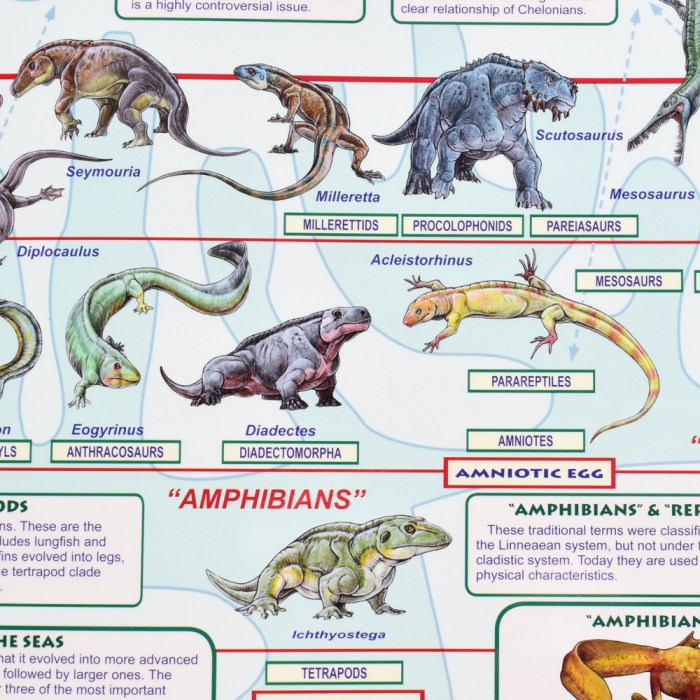
The 20th and 21st centuries have witnessed a significant shift in the practice of taxidermy, moving beyond mere preservation to encompass ethical considerations and artistic expression. The increasing awareness of animal welfare and conservation has profoundly impacted the field, leading to stricter regulations and a reevaluation of its purpose. Simultaneously, a new wave of artistic taxidermists has emerged, pushing the boundaries of the craft and transforming taxidermy into a unique form of contemporary art.
The growing awareness of wildlife conservation and the ethical sourcing of specimens has significantly altered the landscape of taxidermy. The once-common practice of hunting solely for taxidermy purposes is now largely frowned upon, with many taxidermists prioritizing the use of ethically sourced specimens, such as animals that have died of natural causes or those salvaged from wildlife rehabilitation centers. Regulations regarding the trade and possession of certain species have also become stricter, further limiting the availability of specimens for taxidermy. This has encouraged a greater focus on responsible and sustainable practices within the field.
Ethical Concerns and Conservation Efforts
The ethical implications of taxidermy are now central to the practice. Concerns about the impact on wildlife populations, the potential for illegal wildlife trade, and the overall environmental footprint of taxidermy have led to increased scrutiny. Many taxidermists now actively participate in conservation efforts, supporting organizations dedicated to wildlife protection and habitat preservation. The use of sustainable materials and environmentally friendly techniques is also becoming increasingly prevalent. Furthermore, some artists are using recycled or reclaimed materials in their work, reducing the environmental impact of their creations. The responsible sourcing of specimens is now a key aspect of ethical taxidermy.
Traditional vs. Contemporary Taxidermy
Traditional taxidermy focused primarily on accurate anatomical representation, aiming to create a lifelike replica of the animal. The focus was on meticulous detail and preservation, with artistic expression playing a secondary role. Contemporary taxidermy, however, embraces a broader range of artistic approaches. Artists are now using taxidermy as a medium to explore themes of mortality, beauty, and the relationship between humans and nature. They incorporate unconventional materials, experiment with poses and compositions, and often challenge traditional notions of realism. The emphasis has shifted from simply preserving the animal to using it as a component within a larger artistic statement.
Modern Taxidermy Artists and Their Styles
Several contemporary artists are pushing the boundaries of taxidermy. For example, the work of [Artist Name 1], known for their [description of their unique style and techniques, e.g., surreal and fantastical compositions using found objects and taxidermied animals], exemplifies this shift. Another artist, [Artist Name 2], focuses on [description of their unique style and techniques, e.g., minimalist representations that emphasize the animal’s form and texture], creating a stark contrast to more traditional styles. These artists demonstrate the versatility of taxidermy as an art form, highlighting its potential for creative expression beyond mere representation.
The Future of Taxidermy
The future of taxidermy hinges on its ability to adapt and evolve in response to changing ethical and societal concerns.
- Education: Taxidermy can play a valuable role in educating the public about wildlife, anatomy, and conservation. Museums and educational institutions can utilize taxidermied specimens to teach about biodiversity and the importance of protecting endangered species.
- Conservation: Ethical taxidermy can contribute to conservation efforts by providing valuable specimens for research and education, and by promoting awareness of the importance of wildlife protection.
- Art: Taxidermy’s future lies in its potential as a dynamic and evolving art form. The integration of innovative techniques, materials, and artistic concepts will continue to shape its expression.
Closure
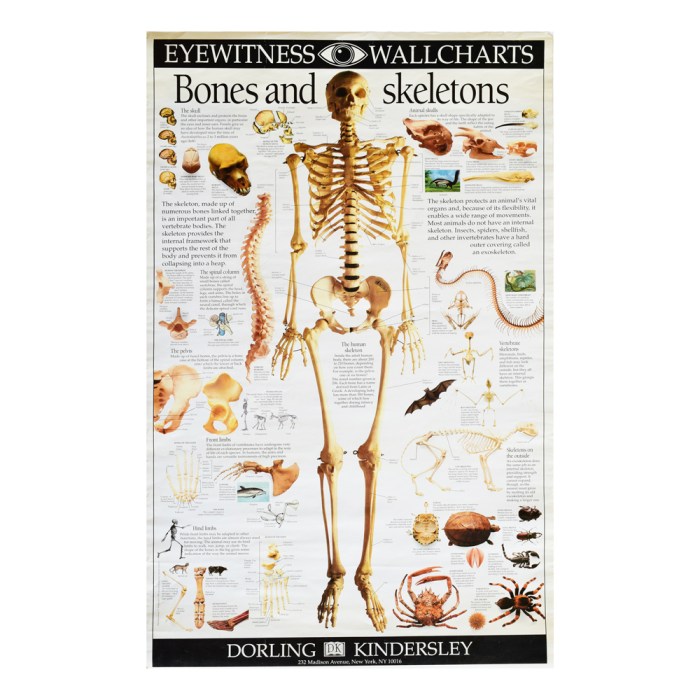
The evolution of taxidermy reveals a compelling narrative of human ingenuity and our ever-changing relationship with the natural world. From rudimentary preservation methods to the sophisticated artistry seen today, the journey reflects both scientific progress and shifting cultural values. As we look to the future, the ethical considerations surrounding taxidermy remain paramount, necessitating a responsible approach that balances artistic expression with conservation efforts. The enduring legacy of taxidermy lies not only in its ability to preserve specimens but also in its power to educate, inspire, and foster a deeper appreciation for the diversity of life on Earth.