The delicate dance between preservation and decay is a constant challenge for both taxidermy and archaeology. From the meticulous techniques of Victorian-era taxidermists to the cutting-edge methods employed in modern laboratories, the effort to safeguard these artifacts reflects a deep-seated human desire to connect with the past. This exploration delves into six key preservation efforts, comparing and contrasting the challenges of maintaining taxidermied specimens with those of archaeological finds, while also addressing the ethical considerations inherent in such endeavors.
We’ll journey through historical preservation methods, examining the evolution of techniques and the impact of scientific advancements. A comparative analysis of the challenges faced in preserving both taxidermied animals and archaeological artifacts will highlight the unique vulnerabilities of each. Furthermore, we’ll delve into modern preservation techniques, such as freeze-drying and resin embedding, analyzing their efficacy and ethical implications. The goal is to provide a comprehensive overview of the multifaceted world of preservation, showcasing the delicate balance between scientific progress and ethical responsibility.
Taxidermy Preservation Techniques
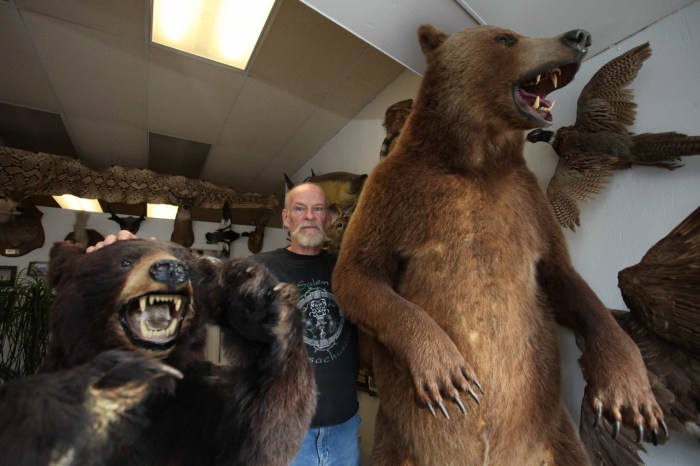
Taxidermy, the art of preserving animal bodies, has undergone a dramatic evolution since its early forms. Initially driven by aesthetic desires to showcase trophies and curiosities, the practice has increasingly incorporated scientific principles to achieve more accurate and long-lasting preservation. This shift reflects a growing understanding of animal anatomy, materials science, and the impact of environmental factors on organic matter.
A Historical Overview of Taxidermy Techniques
Early taxidermy, prevalent from the 17th and 18th centuries, involved rudimentary techniques often resulting in distorted and poorly preserved specimens. Animals were frequently stuffed with straw or other readily available materials, leading to rapid deterioration and an unnatural appearance. The 19th century saw significant advancements, particularly with the introduction of arsenic as a preservative. While effective in preventing decay, arsenic posed significant health risks to both taxidermists and those handling the specimens. The 20th and 21st centuries have witnessed a move towards safer and more sophisticated techniques, driven by ethical concerns and a greater understanding of preservation chemistry.
Comparison of 19th Century and Modern Taxidermy Techniques
| Period | Technique | Materials | Advantages/Disadvantages |
|---|---|---|---|
| 19th Century | Stuffing with straw, cotton, or sawdust; arsenic used as preservative | Straw, cotton, sawdust, arsenic, paint, glass eyes | Relatively inexpensive and readily available materials; effective (though toxic) preservation. However, resulted in unnatural poses and rapid deterioration due to material breakdown and arsenic leaching. |
| Modern | Form making with man-made materials; tanning and freezing; use of borax or other non-toxic preservatives; careful attention to anatomical accuracy. | Polymer clays, foams, synthetic tanning solutions, borax, non-toxic preservatives, glass eyes, realistic paints | More lifelike poses; longer lasting preservation; safer for handlers; improved anatomical accuracy. More expensive and requires specialized training and equipment. |
The Impact of Scientific Understanding on Taxidermy Practices
The initial focus of taxidermy was purely aesthetic—creating visually appealing displays. However, advancements in zoology and anatomy significantly influenced the practice. A deeper understanding of musculature, skeletal structure, and skin properties led to more accurate representations of animals. The development of safer preservatives and improved techniques minimized the damage caused by earlier methods, leading to better preservation and the ability to maintain specimens for significantly longer periods. This shift has moved taxidermy from a purely artistic pursuit to a scientific endeavor, where accuracy and preservation are paramount.
Examples of Significant Taxidermy Pieces
One example is the “Bigfoot” taxidermy from the early 20th century, which, though not scientifically accurate, is a noteworthy example of the era’s stylistic choices and methods. The creature was likely constructed using a combination of animal parts and artificial materials, including possibly straw or cotton for stuffing, painted canvas for skin, and glass eyes. Its current condition is likely poor due to the materials used and the lack of advanced preservation techniques. In contrast, modern museum specimens often utilize specialized mannequins made from durable materials and advanced tanning techniques. These specimens are often posed realistically, reflecting a more scientific approach to representation. The materials include high-quality synthetic foams, polymer clays, and non-toxic preservatives, ensuring both lifelike appearance and long-term preservation. A comparison of these two examples highlights the significant shift in taxidermy practices over time.
Preservation Challenges in Archaeological Finds and Taxidermy
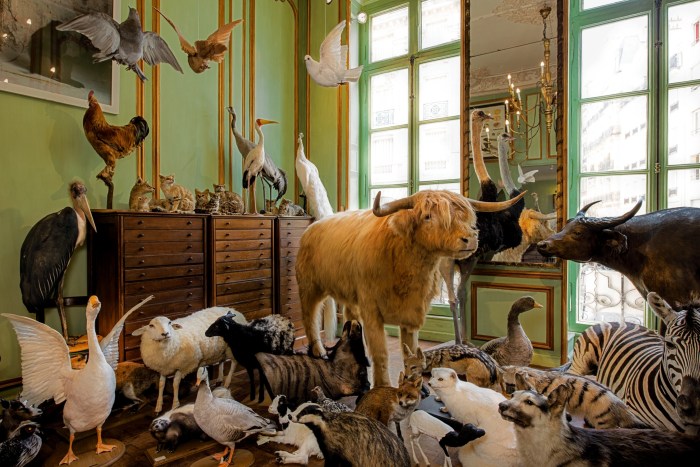
Preserving both taxidermied specimens and archaeological artifacts presents unique and significant challenges. While seemingly disparate fields, both endeavors grapple with the deterioration of organic and inorganic materials over time, necessitating careful consideration of environmental factors and potential threats. A comparative analysis reveals striking similarities and crucial differences in the preservation strategies required for each.
The successful long-term preservation of both taxidermied animals and archaeological finds hinges on understanding and mitigating the various threats to their integrity. These threats are multifaceted and often interact, creating complex preservation scenarios requiring tailored approaches.
Comparative Analysis of Preservation Challenges
The following points highlight the key challenges encountered in preserving taxidermied specimens and archaeological artifacts:
- Material Degradation: Taxidermy relies heavily on organic materials (skin, fur, bones) susceptible to decomposition, insect infestation, and fungal growth. These processes are accelerated by fluctuating temperatures and humidity. Archaeological finds, especially organic materials like wood, textiles, and bone, face similar degradation but also suffer from chemical changes due to soil acidity and mineralization. Inorganic materials like pottery and stone are more resistant but can still be affected by erosion, cracking, and salt damage.
- Environmental Conditions: Both taxidermied specimens and archaeological artifacts are highly sensitive to environmental fluctuations. Excessive humidity can promote mold growth and encourage insect infestations in taxidermy, while causing swelling and cracking in pottery. Fluctuations in temperature can cause expansion and contraction, leading to stress fractures in both types of materials. Light exposure can cause fading and discoloration in both, particularly in organic materials.
- Pest Infestation: Taxidermied specimens are vulnerable to insect infestations, especially dermestid beetles, which feed on keratinous materials like hair and skin. Archaeological finds, particularly organic materials, are also prone to insect and rodent damage. Preventing and controlling these infestations is crucial for long-term preservation.
Ethical Considerations in Preservation
Ethical considerations are paramount in the preservation of both taxidermied animals and human remains. The ethical treatment of animals in taxidermy necessitates ensuring specimens were obtained legally and ethically, with proper documentation and adherence to relevant regulations. The display and preservation of taxidermied animals also raise questions regarding the potential for trivializing animal life and the need for responsible and respectful presentation.
The preservation of human remains discovered in archaeological contexts presents a particularly complex ethical landscape. The rights and dignity of the deceased must be respected, requiring careful consideration of cultural sensitivities, repatriation practices, and consultation with relevant Indigenous communities and stakeholders. Decisions regarding the display, research, and storage of human remains should prioritize ethical considerations and respect for ancestral heritage.
Hypothetical Preservation Plan: Taxidermied Birds and Ancient Pottery
This plan Artikels the preservation of a collection encompassing both taxidermied birds and ancient pottery.
Phase 1: Assessment and Documentation
Thorough documentation of the condition of each item, including detailed photographic records and condition reports, is essential. This initial assessment will inform subsequent preservation strategies. Environmental monitoring will be implemented to establish baseline temperature and humidity levels.
Phase 2: Environmental Control
The storage environment must be carefully controlled to minimize environmental damage. This involves maintaining stable temperature and humidity levels within optimal ranges for both taxidermied birds (low humidity to prevent mold) and pottery (stable conditions to prevent cracking). The storage area should be protected from light exposure.
Phase 3: Pest Management
A preventative pest management program should be implemented, including regular inspections, the use of insect traps, and, if necessary, targeted treatments with approved insecticides or fumigants. Strict quarantine procedures will be followed for any new acquisitions.
Phase 4: Consolidation and Treatment
Any immediate conservation needs will be addressed. This may involve the repair of damaged pottery, the cleaning of taxidermied birds (dust removal), or the treatment of any signs of insect infestation. Specialized conservation techniques, such as the use of consolidants for fragile pottery, may be employed.
Phase 5: Long-Term Storage and Monitoring
The collection will be stored in appropriate archival materials, such as acid-free boxes and archival-quality packaging. Regular monitoring of environmental conditions and the condition of the items will be conducted to ensure ongoing preservation.
Modern Preservation Methods and Ethical Considerations
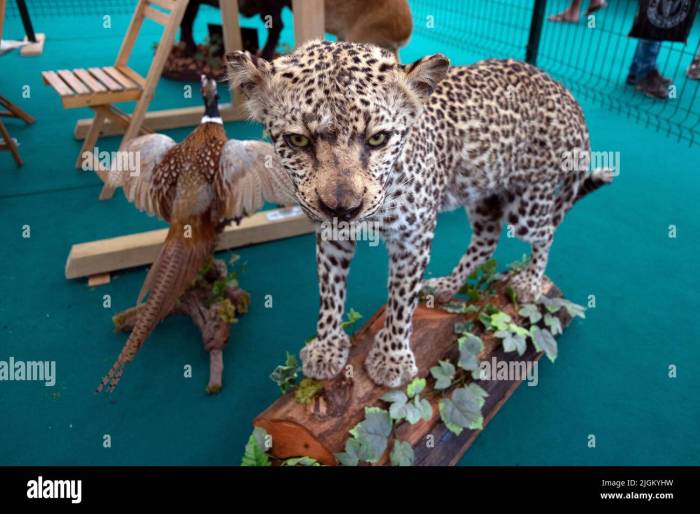
The preservation of taxidermied animals and archaeological finds requires careful consideration of both the scientific and ethical implications. Modern techniques offer significant advancements over traditional methods, allowing for more accurate and long-lasting preservation, but their use necessitates a nuanced understanding of the potential impacts on cultural heritage and animal welfare. This section will explore three modern preservation methods, analyze their ethical considerations, and illustrate these concepts through a hypothetical scenario.
Freeze-Drying
Freeze-drying, or lyophilization, is a process that removes water from a specimen by freezing it and then subjecting it to a vacuum. This sublimation process prevents the formation of ice crystals that could damage the specimen’s structure. The process begins by slowly freezing the specimen, usually in a cryoprotectant solution to minimize ice crystal formation. This is followed by placing the frozen specimen in a vacuum chamber where the ice is directly converted to vapor, leaving behind a dry, brittle specimen. The advantages of freeze-drying include minimizing shrinkage and distortion, preserving the specimen’s original form and color, and inhibiting microbial growth. However, freeze-drying can be time-consuming and expensive, and it may not be suitable for all materials, particularly those containing high concentrations of fats or oils.
Vacuum Freeze-Drying
Vacuum freeze-drying enhances the standard freeze-drying process by incorporating a vacuum pump to create a more efficient sublimation environment. This improves the speed and effectiveness of water removal, reducing processing time and minimizing the risk of structural damage. The process is similar to standard freeze-drying, but the enhanced vacuum significantly accelerates the sublimation process, leading to a higher quality preservation. Advantages include faster processing times compared to traditional freeze-drying, reduced risk of structural damage, and improved preservation of delicate specimens. Disadvantages remain similar to standard freeze-drying, with cost and suitability being key factors.
Resin Embedding
Resin embedding involves encasing a specimen in a resin polymer, which hardens to create a protective shell. This method is particularly useful for fragile or delicate artifacts and specimens, providing excellent structural support and protection against environmental degradation. The process typically involves carefully preparing the specimen, ensuring it is clean and free of debris. The specimen is then carefully placed within a mold, and a liquid resin is poured over it, filling the mold completely. The resin is then allowed to cure, typically under specific temperature and pressure conditions, resulting in a solid, transparent block containing the preserved specimen. Advantages include excellent protection from environmental factors, increased structural stability, and enhanced visibility for study and display. However, the process can be irreversible, making it difficult to later access the specimen for further analysis. Additionally, the resin itself may undergo changes over time, potentially affecting the specimen within.
Ethical Considerations in Preservation
The use of preservation techniques, especially on human remains and taxidermied animals, raises important ethical considerations. It’s crucial to balance the scientific value of preservation with the respect for cultural heritage and animal welfare.
- Respect for Cultural Heritage: When dealing with human remains or artifacts with cultural significance, preservation methods must be chosen in consultation with relevant communities and stakeholders. The process should respect the beliefs and traditions associated with the remains or artifacts. Improper handling or preservation can cause significant offense and damage to cultural heritage.
- Animal Welfare: In the case of taxidermied animals, ethical considerations relate to the origin of the specimen. The use of animals obtained illegally or unethically should be avoided. Furthermore, the preservation process itself should be carried out with respect for the animal, ensuring its integrity and minimizing further damage.
- Transparency and Access: Preservation efforts should be transparent and accessible to the public and relevant stakeholders. Information regarding the origin, history, and preservation methods used should be readily available, fostering accountability and promoting ethical practices.
Hypothetical Scenario: Preserving a Historically Significant Taxidermied Animal
Imagine the discovery of a remarkably preserved taxidermied passenger pigeon, a species extinct since the early 20th century. Its historical significance is immense. The preservation process would involve several key ethical considerations:
- Provenance Verification: First, the origin of the specimen would need to be meticulously investigated to determine its legality and ethical acquisition. This would involve tracing its history, possibly through documentation or interviews with previous owners.
- Consultation with Experts: A team of experts – taxidermists, ornithologists, and potentially representatives of relevant conservation organizations – would be consulted to determine the most appropriate preservation technique. This ensures that the preservation method aligns with best practices and respects the scientific value of the specimen.
- Non-Destructive Analysis: Prior to any intervention, non-destructive analytical techniques (e.g., X-ray imaging) would be employed to assess the specimen’s condition and identify potential areas of damage or deterioration. This minimizes invasive procedures.
- Method Selection: Based on the assessment, a suitable preservation method, such as vacuum freeze-drying or a carefully chosen resin embedding technique, would be selected. The choice would consider the specimen’s fragility and the long-term preservation goals.
- Documentation and Archiving: Every step of the process would be meticulously documented, including photographs, detailed notes, and records of the materials used. This documentation would be archived to ensure transparency and enable future researchers to understand the preservation methods employed.
- Public Display and Education: After preservation, the specimen could be displayed in a museum or other suitable location, accompanied by information about its history, significance, and the ethical considerations involved in its preservation. This serves educational purposes and promotes public engagement.
Final Thoughts
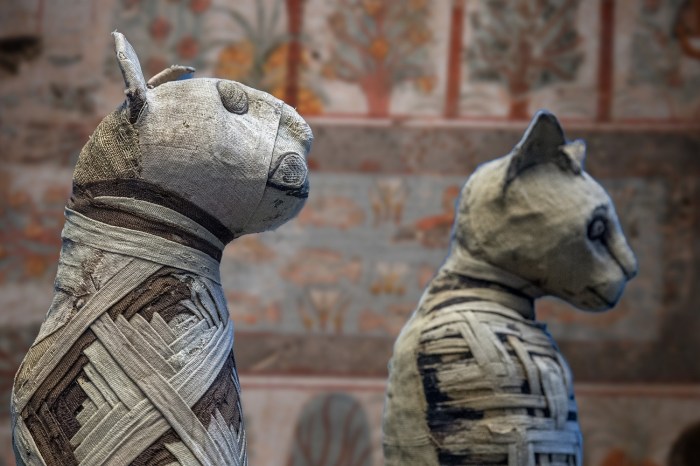
Ultimately, the preservation of taxidermied specimens and archaeological finds represents a commitment to understanding our shared past. The careful consideration of historical techniques, modern advancements, and ethical implications underscores the importance of responsible stewardship for future generations. By continuing to refine our methods and engage in thoughtful dialogue, we can ensure that these invaluable pieces of history remain accessible and meaningful for years to come. The ongoing evolution of preservation techniques highlights the enduring human fascination with the past and our commitment to safeguarding its legacy.