The intersection of taxidermy and technological advancements is reshaping how we preserve, study, and experience the natural world. This exploration delves into nine key innovations that are revolutionizing the field, from the digital preservation of specimens using cutting-edge imaging and AI techniques to the application of 3D printing, laser scanning, and virtual/augmented reality to create more accurate, sustainable, and engaging experiences. We’ll examine how these technologies are not only improving the quality and longevity of taxidermy work but also enhancing educational opportunities and broadening public access to natural history collections.
This examination will cover the practical applications of these technologies, outlining specific workflows and procedures, while also considering the ethical implications of using AI and digital technologies to represent and interpret natural history. We will also explore the potential of virtual and augmented reality to transform museum exhibits and training programs for aspiring taxidermists, fostering a more sustainable and responsible approach to this time-honored craft.
Digital Preservation and Taxidermy
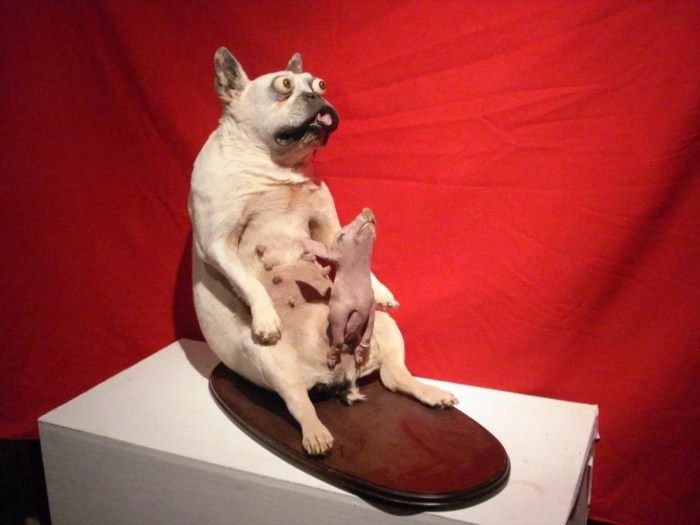
The integration of digital technologies into taxidermy offers unprecedented opportunities for preserving and accessing valuable collections. This approach not only safeguards specimens from deterioration but also expands accessibility for researchers, educators, and the public, fostering a deeper understanding of biodiversity and conservation efforts. The creation of detailed digital archives allows for the study of specimens without the risks associated with handling delicate physical artifacts.
Digital preservation techniques, particularly 3D modeling and AI-enhanced image processing, are transforming how we archive and interact with taxidermied specimens. These methods enable the creation of virtual replicas that can be easily shared, studied, and analyzed, minimizing the risk of damage to the original specimens while maximizing research potential.
3D Modeling of Taxidermied Specimens using Photogrammetry
Photogrammetry, the science of extracting 3D information from photographs, provides a powerful method for creating detailed digital models of taxidermied specimens. The process involves taking numerous overlapping photographs of the specimen from various angles. Specialized software, such as Meshroom (open-source) or RealityCapture (commercial), then uses these images to generate a point cloud, which is subsequently processed to create a textured 3D mesh. Hardware requirements include a high-resolution digital camera (DSLR or mirrorless), a tripod for stability, and a computer with sufficient processing power and RAM to handle the computationally intensive software. Accurate and high-quality images are crucial for obtaining precise 3D models. The level of detail achievable depends on the number and quality of photographs, as well as the software used.
AI-Powered Image Enhancement of Taxidermied Animal Archives
AI-powered image enhancement techniques can significantly improve the quality of digital archives. Algorithms can automatically remove blemishes, enhance resolution, and restore faded colors, making older photographs more useful for research and educational purposes. For instance, AI can address issues such as scratches, dust, and discoloration, revealing finer details of the taxidermied specimens. These techniques can also help standardize the appearance of images within a digital archive, improving the overall visual consistency. Specific AI algorithms employed might include super-resolution techniques, noise reduction filters, and color correction algorithms tailored for historical photographs.
Creating a Searchable Online Database of Taxidermied Specimens
A well-organized online database enhances the accessibility and utility of taxidermied specimen collections. Such a database would ideally include high-resolution images, detailed metadata (species, date acquired, location, collector, etc.), and advanced search functionalities. The database can be implemented using various technologies, including relational databases (MySQL, PostgreSQL) and content management systems (WordPress, Drupal) coupled with appropriate image management systems.
| Specimen ID | Species | Date Acquired | Image |
|---|---|---|---|
| TAX-001 | Panthera leo (African Lion) | 1920-03-15 | [High-resolution image data would be embedded here] |
| TAX-002 | Ursus arctos horribilis (Grizzly Bear) | 1955-11-08 | [High-resolution image data would be embedded here] |
| TAX-003 | Bison bison (American Bison) | 1982-06-22 | [High-resolution image data would be embedded here] |
Ethical Implications of AI-Generated Images of Extinct or Endangered Species
The use of AI to generate realistic images of extinct or endangered species based on taxidermied specimens raises several ethical considerations. While such images can be valuable educational tools, there is a risk of misrepresenting the appearance of these animals, potentially leading to inaccurate depictions in educational materials. It is crucial to ensure transparency about the methods used to generate these images and to emphasize that they are interpretations based on limited data. Furthermore, the potential for misuse, such as the creation of fake images for fraudulent purposes, needs to be carefully considered. Clear guidelines and ethical standards are necessary to govern the creation and dissemination of AI-generated images of extinct or endangered species.
Advanced Materials and Techniques in Taxidermy
The field of taxidermy is undergoing a significant transformation, moving beyond traditional methods to embrace innovative materials and techniques that enhance durability, realism, and sustainability. This evolution is driven by advancements in polymer science, 3D printing technology, and digital imaging, resulting in more lifelike and ethically produced mounts.
Traditional taxidermy relies heavily on natural materials like cotton, wire, and wood for armatures, and preservatives like arsenic for the preservation of specimens. While effective in preserving the specimen, these methods often lack the precision and durability offered by modern techniques. Furthermore, the use of arsenic and other potentially harmful chemicals raises environmental concerns.
Advanced Polymers and Resins in Taxidermy
Modern taxidermists are increasingly incorporating advanced polymers and resins into their work. These materials offer superior durability and flexibility compared to traditional methods. For instance, polyurethane foams provide lightweight yet strong armatures that can be sculpted to accurately replicate the animal’s musculature. Epoxy resins are employed to create incredibly durable and waterproof mounts, protecting specimens from environmental degradation. These materials allow for finer detail and a more lifelike representation of the animal’s form. In contrast to traditional methods that often result in stiff, unnatural poses, the use of these polymers enables the creation of dynamic and natural-looking poses. The improved durability also extends the lifespan of the taxidermy mount, preserving the specimen for significantly longer periods.
3D Printing in Taxidermy Armature Creation
3D printing offers a revolutionary approach to armature creation. Custom armatures can be designed and printed using various materials like PLA (polylactic acid), ABS (acrylonitrile butadiene styrene), and resin, each with its own properties. PLA is a biodegradable and relatively inexpensive option, suitable for less demanding projects. ABS offers greater strength and durability, making it ideal for larger and more complex mounts. Resin-based 3D printing provides exceptional detail and smooth surfaces, allowing for highly accurate anatomical representations. For example, a detailed skeletal structure can be 3D printed and then used as the foundation for a taxidermy mount, ensuring precise positioning of the preserved animal tissues. This method allows for the creation of bespoke armatures tailored to the unique anatomy of each specimen, significantly enhancing the accuracy and realism of the final mount.
Laser Scanning for Precise Anatomical Data Capture
A workflow incorporating laser scanning offers a non-destructive method for capturing highly accurate anatomical data. This data is then used to create precise 3D models for armature design and mount construction.
The step-by-step procedure involves:
- Specimen Preparation: The animal specimen is carefully cleaned and positioned to ensure accurate scanning.
- Laser Scanning: A 3D laser scanner captures a point cloud of the specimen’s surface, creating a detailed digital representation of its form and dimensions.
- Data Processing: The point cloud data is processed using specialized software to create a 3D mesh model. This involves cleaning the data, removing noise, and filling any gaps.
- Armature Design: The 3D model is used to design a custom armature, ensuring a perfect fit for the specimen. This can be done using CAD software.
- Armature Fabrication: The designed armature is then fabricated, either through 3D printing or traditional methods, using the digital model as a guide.
- Mount Construction: The preserved specimen is carefully positioned and attached to the custom armature, resulting in a highly accurate and lifelike taxidermy mount.
Sustainable and Environmentally Friendly Taxidermy Techniques
The growing awareness of environmental concerns has led to the development of innovative taxidermy techniques that minimize environmental impact.
- Biodegradable Armatures: Utilizing materials like sustainably sourced wood, bamboo, or biodegradable plastics for armatures reduces the environmental footprint.
- Water-Based Preservatives: Replacing traditional chemical preservatives with water-based alternatives significantly reduces the risk of soil and water contamination.
- Recycling and Reuse of Materials: Implementing practices that recycle and reuse materials from previous projects minimizes waste and resource consumption.
- Ethical Sourcing of Specimens: Ensuring that specimens are ethically sourced, such as through roadkill salvage programs or from reputable breeders, reduces the negative impact on wildlife populations.
Taxidermy and Virtual/Augmented Reality Applications
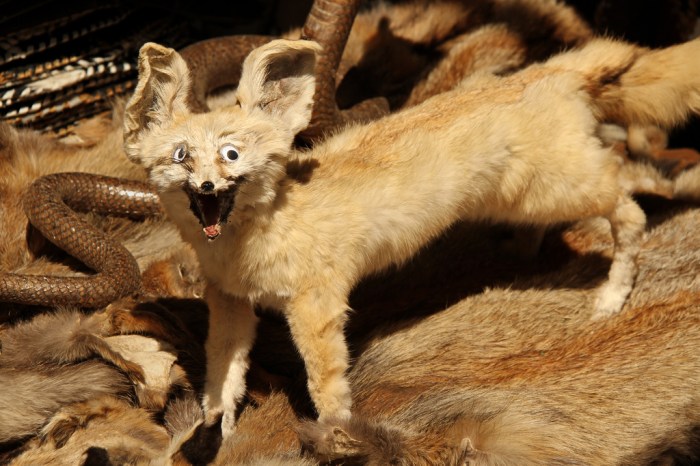
The integration of virtual and augmented reality technologies presents exciting new avenues for experiencing and understanding taxidermy, offering both innovative educational opportunities and enhanced engagement with museum collections. These technologies can transcend the limitations of physical space and preservation challenges, creating immersive and interactive experiences for a wider audience.
Virtual Museum Exhibit Design using VR Technology
A virtual museum exhibit showcasing taxidermied specimens via VR technology could be developed using a phased approach. First, high-resolution 3D scans of select specimens would be created, ensuring accurate representation of size, texture, and color. These scans would then be integrated into a virtual environment designed to mimic a museum setting, complete with virtual walls, lighting, and interactive elements. The virtual specimens would be placed strategically within this environment, allowing users to navigate and examine them closely. Interactive elements could include clickable labels providing detailed information on each species, its habitat, and conservation status. Furthermore, users could potentially manipulate virtual models to observe anatomical details, compare different specimens, or even engage in virtual quizzes to test their knowledge. The educational value could be significantly enhanced through the inclusion of videos, animations, and 360° views of the specimens’ natural habitats.
Augmented Reality Applications in Physical Taxidermy Museums
Augmented reality offers the potential to dramatically enhance the visitor experience in a physical taxidermy museum. For example, visitors could use a smartphone or tablet app to point at a taxidermied animal and instantly receive detailed information about its species, behavior, and conservation status. This information could be presented as text overlays, 3D models appearing alongside the physical specimen, or even short videos showcasing the animal in its natural habitat. Another application could be an interactive game where visitors identify different species based on augmented reality overlays, providing an engaging and educational experience, particularly for children. Furthermore, AR could be used to provide virtual reconstructions of extinct species, allowing visitors to “see” animals that are no longer alive. This would offer a powerful tool for conveying the impact of habitat loss and the importance of conservation efforts.
Virtual Reality Training for Aspiring Taxidermists
Virtual reality provides a safe and controlled environment for aspiring taxidermists to practice their skills ethically and sustainably. A VR training program could simulate the entire taxidermy process, from skinning and fleshing to mounting and posing. Trainees could practice on virtual specimens without harming any real animals, experimenting with different techniques and receiving immediate feedback on their performance. Furthermore, the VR environment could emphasize ethical considerations, such as the importance of obtaining permits and adhering to best practices for animal welfare. The program could also include modules on sustainable taxidermy techniques, promoting the use of eco-friendly materials and minimizing environmental impact. This would ensure that future taxidermists are equipped with the knowledge and skills to practice their craft responsibly.
Creating Immersive Virtual Tours with 360° Photography
High-quality 360° photography is crucial for creating immersive virtual tours of taxidermy collections. The ideal setup would involve using a high-resolution camera capable of capturing 360° images, such as a dedicated 360° camera or a system using multiple cameras stitched together. Consistent and even lighting is essential to avoid harsh shadows and reflections, which can detract from the quality of the images. Soft, diffused lighting is ideal, perhaps achieved using softboxes or umbrellas to create a more natural and appealing look. Post-processing is vital for enhancing image quality. This includes color correction, exposure adjustments, and potentially removing any minor blemishes or imperfections. Stitching software is needed to combine multiple images into a seamless 360° panorama. Finally, the images can be integrated into a virtual tour platform, allowing users to navigate the collection at their own pace and explore each specimen in detail. Careful attention to detail in both image capture and post-processing will ensure that the virtual tour is visually appealing and accurately represents the taxidermied specimens.
Conclusion
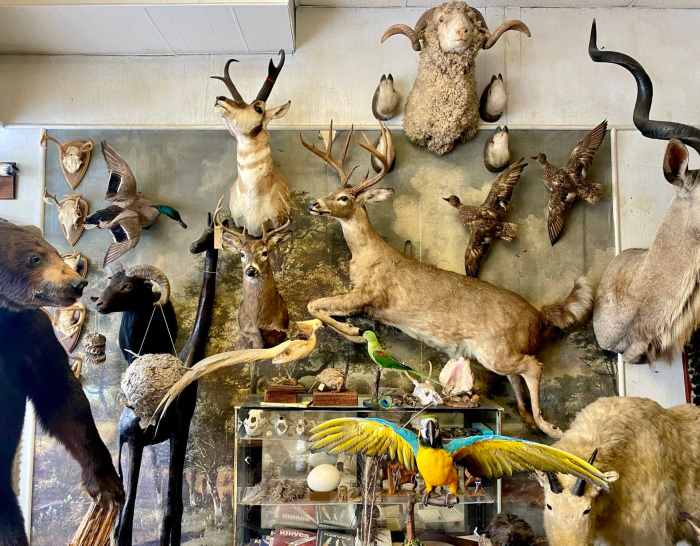
From digital archives that transcend the limitations of physical space to innovative materials and techniques that prioritize sustainability, technological advancements are transforming the landscape of taxidermy. The integration of 3D modeling, AI, virtual and augmented reality, and sustainable practices offers exciting possibilities for preserving biodiversity, enhancing educational outreach, and ensuring that the artistry and science of taxidermy continue to thrive in the digital age. The innovations discussed highlight a future where technology serves not only to improve the craft but also to promote a deeper understanding and appreciation for the natural world.