The delicate artistry of preserving arthropod wings demands precision and expertise. This exploration delves into five distinct taxidermy techniques, each offering unique advantages and challenges in capturing the intricate beauty and fragility of these natural wonders. From meticulous preparation to the final display, we’ll examine the steps, materials, and best practices for achieving long-lasting, aesthetically pleasing results.
This guide provides a comprehensive comparison of these methods, highlighting their respective strengths and weaknesses. We will cover everything from selecting appropriate materials and tools to troubleshooting common preservation issues, ensuring a thorough understanding for both novice and experienced taxidermists. The goal is to equip you with the knowledge and confidence to successfully preserve these fascinating specimens.
Taxidermy Techniques for Advanced Arthropod Wing Preservation
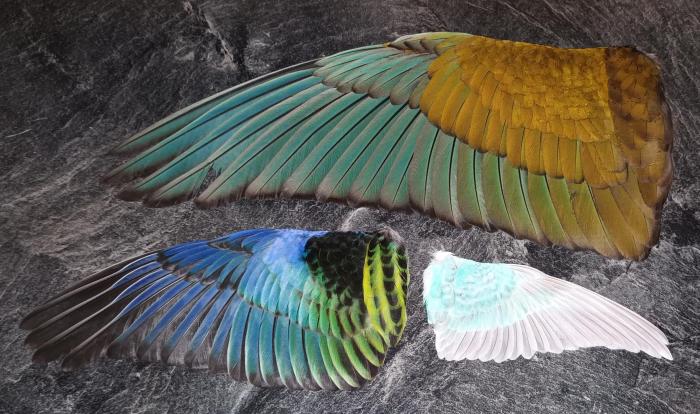
Preserving the delicate structures of arthropod wings requires specialized techniques to maintain their intricate venation and coloration. This discussion compares five distinct methods, analyzing their efficacy, required materials, and aesthetic outcomes. Proper preservation is crucial for both scientific study and aesthetic display, demanding careful consideration of each technique’s strengths and weaknesses.
Comparative Analysis of Five Arthropod Wing Preservation Techniques
The following table summarizes the key aspects of five common taxidermy techniques for arthropod wing preservation. Each method offers a unique balance between preservation quality, time investment, and material accessibility. The choice of technique often depends on the specific arthropod, the desired outcome (scientific study or artistic display), and the available resources.
| Technique | Advantages | Disadvantages | Materials |
|---|---|---|---|
| Dry Mounting | Simple, inexpensive, relatively quick. Good for small, robust wings. | Can lead to brittleness and fragility; not suitable for all wing types; susceptible to damage from pests. | Pins, mounting board, archival-quality glue (if needed). |
| Fluid Preservation | Preserves wing flexibility and color well; suitable for a wide range of specimens. | Requires ongoing maintenance; specimens are not easily viewable without removal from fluid; potential for discoloration over time. | 70-95% ethanol or isopropyl alcohol, vials, labels. |
| Resin Embedding | Creates a durable, long-lasting preservation; protects from damage and degradation; allows for three-dimensional viewing. | Can be time-consuming; requires specialized materials; may obscure fine details depending on resin type. | Epoxy resin, curing agent, molds, possibly pigments for color enhancement. |
| Microscope Slide Mounting | Excellent for detailed study of wing venation; creates a permanent, easily stored preparation. | Only suitable for very small wings; preparation is time-consuming and requires specialized equipment. | Microscope slides, coverslips, mounting medium (e.g., Canada balsam), dissecting tools. |
| Spreading and Drying (with relaxation) | Allows for precise wing positioning; good for larger wings; maintains natural appearance. | Requires patience and skill; time-consuming process; risk of damage during manipulation. | Relaxing chamber, spreading board, pins, archival-quality glue. |
Detailed Steps for Each Technique
Each preservation technique requires a series of carefully executed steps to ensure optimal results. Improper handling can lead to damage or degradation of the delicate wing structures. Attention to detail at each stage is paramount.
Dry Mounting
1. Preparation: Carefully clean the wings using a soft brush.
2. Mounting: Position the wings on the mounting board using pins, ensuring proper alignment and minimal damage.
3. Drying: Allow the wings to dry completely in a cool, dry, and dark environment, avoiding direct sunlight.
Fluid Preservation
1. Specimen Preparation: Clean the wings gently.
2. Immersion: Submerge the wings in 70-95% ethanol or isopropyl alcohol.
3. Storage: Store the vial in a cool, dark place, replacing the alcohol as needed to maintain optimal preservation.
Resin Embedding
1. Specimen Preparation: Carefully clean and dry the wings.
2. Mold Preparation: Prepare a suitable mold for casting.
3. Resin Mixing: Mix the epoxy resin and hardener according to the manufacturer’s instructions.
4. Casting: Carefully position the wings in the mold and pour the resin mixture.
5. Curing: Allow the resin to cure completely according to the manufacturer’s instructions.
Microscope Slide Mounting
1. Specimen Preparation: Carefully dissect the wing and clean it.
2. Mounting: Place the wing on the microscope slide and add a drop of mounting medium.
3. Coverslip Application: Carefully apply a coverslip to avoid air bubbles.
4. Curing: Allow the mounting medium to cure completely.
Spreading and Drying (with relaxation)
1. Relaxation: Place the specimen in a relaxing chamber to restore flexibility.
2. Spreading: Carefully spread the wings on a spreading board using pins.
3. Drying: Allow the wings to dry completely in a cool, dry, and dark environment.
Materials and Tools for Advanced Arthropod Wing Preservation
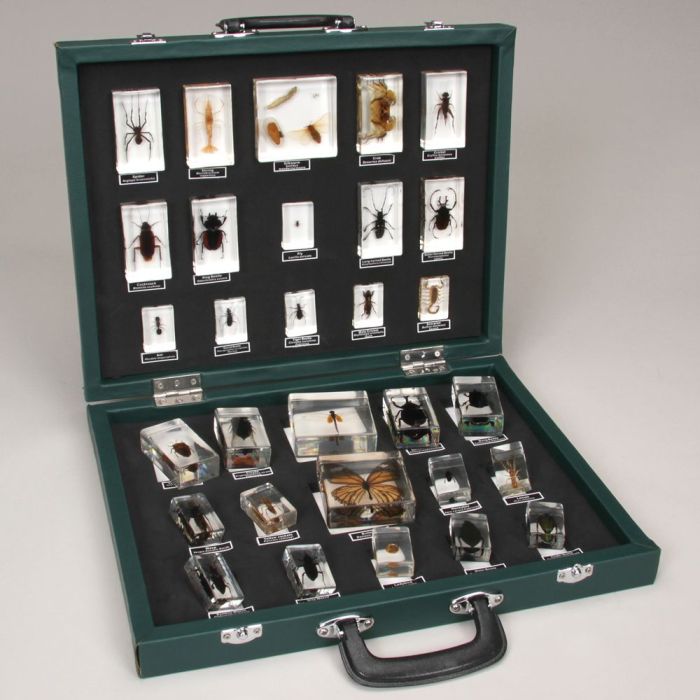
Proper material selection and tool maintenance are crucial for successful and long-lasting arthropod wing preservation. The choice of materials directly impacts the integrity and aesthetic appeal of the preserved specimen, while well-maintained tools ensure precision and prevent damage. The techniques described below require different materials, highlighting the importance of careful consideration before embarking on the preservation process.
Material Selection and its Impact on Long-Term Preservation
The longevity of preserved arthropod wings is heavily dependent on the materials used. Materials must be inert, preventing chemical reactions that could degrade the wings over time. For example, using acidic materials can lead to discoloration and fragility. Conversely, using archival-quality materials ensures the wings remain stable and vibrant for years, even decades. This is especially important for delicate specimens, such as butterfly wings, which are susceptible to damage from moisture and environmental factors. The selection of appropriate mounting media, adhesives, and storage containers is paramount to preventing damage from light exposure, pests, and environmental fluctuations. Using high-quality, archival-grade materials is a critical investment for long-term preservation.
Materials and Tools for Each Taxidermy Technique
The five taxidermy techniques require different materials and tools. A detailed list, categorized by technique, is provided below. Note that some materials may overlap across techniques.
- Dry Mounting: This technique involves adhering the wings to a substrate. Essential materials include: archival-quality mounting boards (acid-free foam core is ideal), archival-quality adhesive (e.g., wheat paste or a specifically formulated entomological adhesive), fine-tipped tweezers, and a soft brush for dust removal. The use of acid-free materials is crucial to prevent degradation over time. A small, sharp scalpel or entomological pins may be helpful for precise placement and adjustments.
- Fluid Preservation: This method involves submerging the wings in a preserving fluid. Necessary materials include: glass vials or jars with airtight seals, 70-95% ethanol or isopropyl alcohol (the concentration will depend on the arthropod and the desired preservation outcome), labels for identification, and appropriate personal protective equipment (PPE), such as gloves and eye protection. Proper labeling is crucial for tracking the specimen and its preservation fluid.
- Spreading and Drying: This technique involves carefully spreading the wings and allowing them to dry. Materials include: spreading boards (customizable for different wing sizes), entomological pins, fine-tipped forceps, and a relaxing chamber (if the specimen needs to be softened before spreading). A humid relaxing chamber ensures the wings remain pliable during the spreading process.
- Resin Embedding: This method involves embedding the wings in a clear resin. Materials needed are: a suitable resin system (epoxy resin is commonly used), a mold appropriate for the wing size and shape, mixing cups and sticks, and potentially, pigments to enhance the visual appeal (though this should be used cautiously, considering the potential for long-term degradation). Proper ventilation is crucial when working with resin due to potential fumes.
- Microscope Slide Mounting: This technique is ideal for very small wings. Materials include: microscope slides, coverslips, mounting medium (e.g., Canada balsam or synthetic resin), and fine-tipped forceps. Cleanliness is paramount when preparing microscope slides to avoid dust and debris affecting the visibility of the specimen.
Best Practices for Maintaining and Cleaning Tools
Regular cleaning and maintenance of tools are vital for preventing contamination and ensuring their longevity. Tweezers, forceps, and other fine instruments should be cleaned after each use with isopropyl alcohol and then carefully dried. Spreading boards should be cleaned with a soft brush and mild detergent, ensuring they are completely dry before storage. Glassware used in fluid preservation should be thoroughly washed and rinsed with distilled water to prevent residue buildup. Sharp instruments, like scalpels, should be stored safely and cleaned immediately after use. Proper storage, including protecting tools from moisture and extreme temperatures, contributes to their lifespan and optimal performance.
Challenges and Best Practices in Advanced Arthropod Wing Preservation
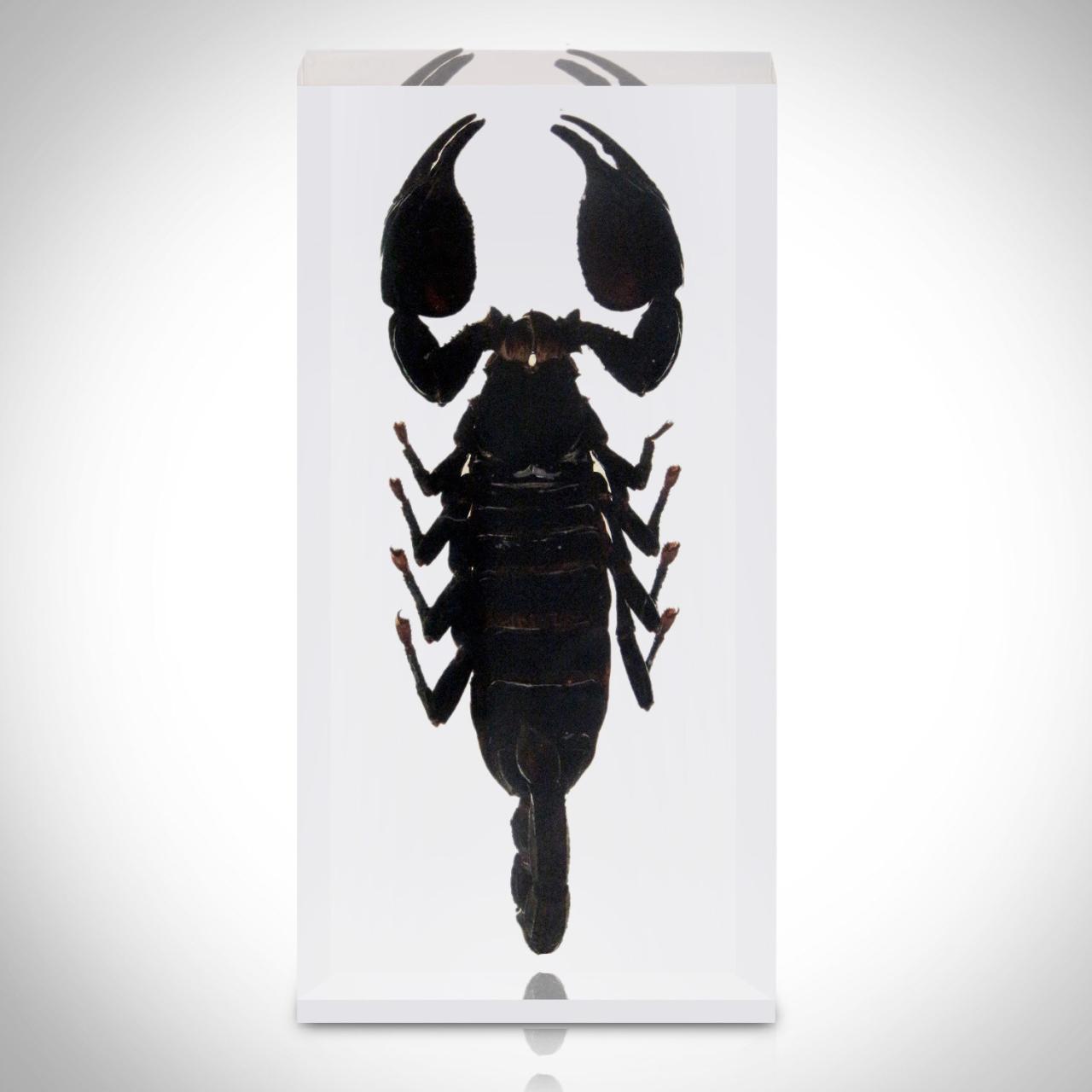
Preserving the delicate structures of arthropod wings requires meticulous attention to detail and a thorough understanding of the potential pitfalls inherent in each preservation technique. Failure to address these challenges can result in irreversible damage, compromising the scientific or aesthetic value of the specimen. This section Artikels common difficulties encountered and provides best practices to mitigate these issues, ensuring the longevity and integrity of your preserved arthropod wings.
Common Challenges and Mitigation Strategies
Several common challenges arise during arthropod wing preservation, regardless of the chosen technique. These include damage to the delicate wing venation, discoloration due to oxidation or improper handling, and the growth of mold or other microorganisms. The fragility of wings necessitates careful handling at every stage, from initial collection to final display. Preventing discoloration requires controlling exposure to light and air, while mold growth can be effectively managed through appropriate drying and storage conditions. Specific challenges vary depending on the chosen technique, which will be addressed individually below.
Technique-Specific Challenges and Best Practices
The success of arthropod wing preservation hinges on meticulous adherence to best practices tailored to the specific technique employed. Failure to follow these guidelines can lead to significant issues. The following table summarizes these best practices, organized by technique. Note that some techniques may be more suitable for certain types of arthropods or wing types than others.
| Technique | Best Practices |
|---|---|
| Dry Mounting | Careful positioning of wings to avoid distortion; use of archival-quality mounting materials to prevent discoloration; storage in a cool, dark, dry environment with low humidity to prevent mold and degradation; gentle handling to avoid breakage; use of acid-free pins and mounting board. |
| Fluid Preservation | Use of appropriate fixative solutions to prevent tissue degradation and discoloration; proper storage containers to prevent leakage and evaporation; regular monitoring of fluid levels; selection of a fixative compatible with the arthropod’s exoskeleton; avoidance of excessive agitation during preservation. |
| Spreading and Drying | Careful manipulation of wings to ensure proper spreading and alignment; use of appropriate spreading boards and pins; gradual drying to minimize shrinkage and distortion; monitoring for proper drying to prevent mold growth; use of weights to maintain wing position during drying. |
| Resin Embedding | Careful preparation of the specimen to remove debris and moisture; use of high-quality resin and appropriate curing conditions; precise positioning of wings within the resin to avoid bubbles and distortion; slow curing to prevent cracking; careful selection of resin to ensure clarity and minimal yellowing. |
| Microscope Slide Mounting | Careful cleaning and preparation of the wing; use of appropriate mounting media to prevent degradation and maintain clarity; proper labeling of the slide for accurate identification; storage in a cool, dark, dry environment to prevent damage and discoloration; avoiding excessive pressure during mounting to prevent distortion. |
Outcome Summary
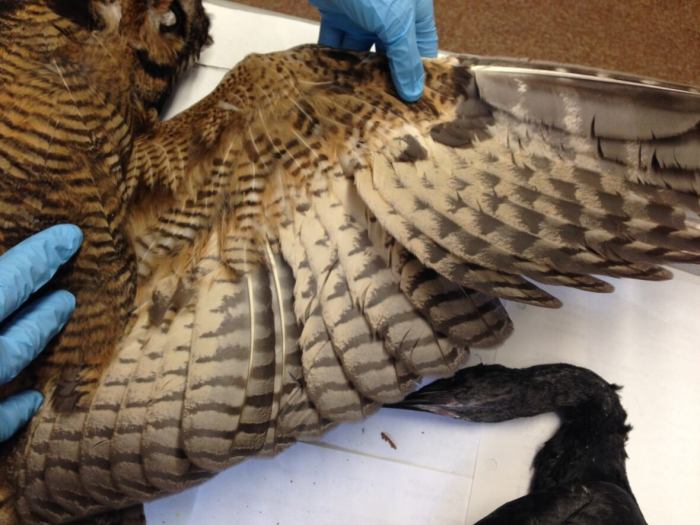
Mastering the art of arthropod wing preservation requires careful attention to detail and a deep understanding of the chosen technique. By thoughtfully considering the advantages and disadvantages of each method, and by adhering to best practices, you can significantly enhance the longevity and aesthetic appeal of your preserved specimens. This guide serves as a valuable resource, empowering you to celebrate the exquisite beauty of arthropods for years to come. The careful preservation of these wings contributes not only to personal collections but also to scientific research and the appreciation of biodiversity.