Transform your taxidermy skills from amateur to expert with this comprehensive guide. We delve into six advanced techniques, revealing the secrets to achieving truly lifelike results. From mastering precise skinning methods for diverse animals to perfecting the art of realistic eye creation and stunning display presentations, this guide provides a detailed roadmap to elevate your taxidermy craft.
Whether you’re a seasoned taxidermist looking to refine your skills or an enthusiastic beginner aiming for professional-level results, this exploration of advanced techniques will empower you to create breathtakingly realistic taxidermy mounts. We cover a wide range of species, tools, and materials, offering practical advice and step-by-step instructions for each process.
Advanced Skinning Techniques
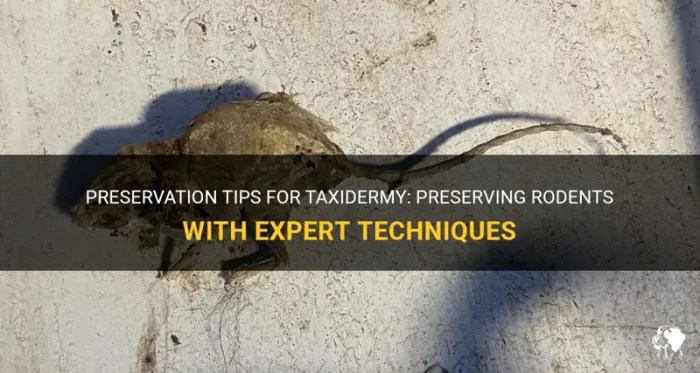
Proper skinning is paramount in taxidermy, ensuring the preservation of the hide’s integrity and the creation of a lifelike mount. Precision and minimizing damage are key to achieving expert results, regardless of the animal’s size or species. This section will explore advanced techniques for skinning various animals, focusing on efficient and damage-free procedures.
Large Mammal Skinning
Skinning a large mammal requires careful planning and a systematic approach. Begin by making an incision along the belly, extending from the sternum to the vent. Avoid cutting too deeply, as this can damage the hide. Work carefully, using a sharp scalpel or skinning knife to separate the skin from the underlying muscle and fat. For particularly thick hides, a fleshing knife may be needed to remove excess tissue. Remember to keep the skin taut to avoid tearing, and frequently check for any accidental cuts. As you proceed, carefully work your way around the legs and head, paying close attention to delicate areas like the eyes, ears, and nose. Proper preparation, including a thorough understanding of muscle structure and the direction of the fur, will minimize damage and ensure a clean skinning process.
| Tool | Description | Appropriate Uses | Advantages/Disadvantages |
|---|---|---|---|
| Scalpel | Small, sharp blade used for precise incisions. | Initial incisions, delicate areas (eyes, nose). | Precise cuts, minimal damage; requires careful handling. |
| Skinning Knife | Longer blade with a curved edge, designed for separating skin from flesh. | Major skinning of the body, legs. | Efficient skin removal; can cause damage if not used carefully. |
| Fleshing Knife | Broad, dull blade used to remove excess fat and tissue from the hide. | Removing excess flesh and fat after skinning. | Essential for clean hide preparation; can damage the hide if misused. |
| Scissors | Used for trimming excess tissue and making precise cuts around delicate areas. | Trimming, fine detail work. | Precise cuts; not ideal for large-scale skinning. |
Bird and Reptile Skinning Challenges
Skinning birds and reptiles presents unique challenges due to their delicate structures and different skin types. Birds, with their delicate feathers and thin skin, require extra care to avoid damage. Reptiles, on the other hand, possess scales that can be difficult to work with.
Bird Skinning
* Essential Tools: Fine-tipped scissors, small scalpel, bird skinning knife, tweezers.
* Safety Precautions: Handle birds carefully to avoid damaging feathers. Use sharp, clean tools to minimize damage.
Reptile Skinning
* Essential Tools: Sharp scalpel, reptile skinning knife, blunt-ended probe.
* Safety Precautions: Handle reptiles with caution, as some species can bite or scratch. Wear gloves to protect your hands.
Skin Preservation Methods
Several methods exist for preserving the skin after removal, each with its advantages and disadvantages. The choice of method depends on factors such as the animal species, the desired final product, and personal preference.
| Method | Description | Advantages/Disadvantages |
|---|---|---|
| Tanning | A chemical process that converts the hide into leather, making it durable and resistant to decay. | Durable, long-lasting; requires specialized chemicals and expertise. |
| Salting | Preserves the hide by drawing out moisture and inhibiting bacterial growth. | Simple, inexpensive; requires careful attention to detail and thorough drying. |
| Freezing | Slows down the decomposition process by inhibiting bacterial activity. | Temporary preservation method; requires long-term storage at low temperatures. |
Advanced Taxidermy Mounting Methods
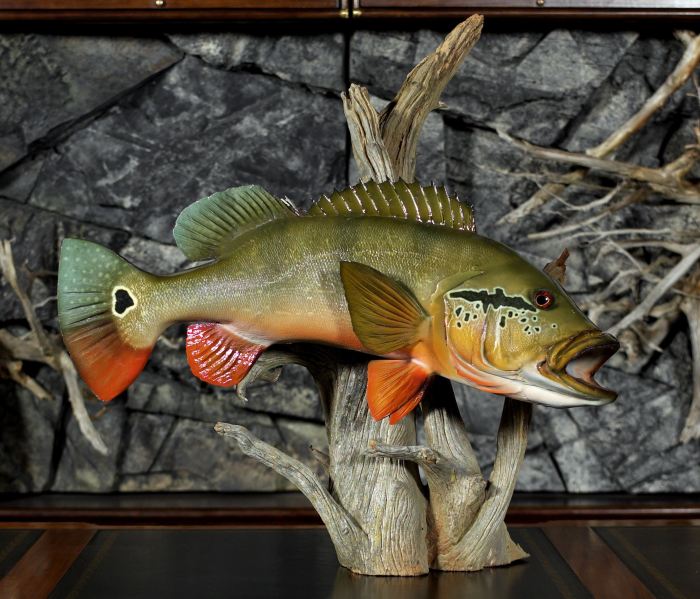
Proper mounting is crucial for achieving a lifelike and aesthetically pleasing taxidermy piece. This section delves into advanced techniques for mounting various animals, focusing on natural poses and realistic detail. We will explore bird mounting, eye creation, and fish mounting methods, providing detailed instructions and comparisons to help you achieve expert results.
Bird Mounting: Achieving a Natural Pose
Mounting a bird requires careful attention to detail to ensure a natural and lifelike presentation. The following steps Artikel the process:
- Preparation: Begin with a properly tanned and fleshed bird skin. Ensure the skin is supple and free from any remaining tissue. The pose should be planned beforehand, considering the bird’s natural posture and the available mounting form.
- Form Selection: Choose a mounting form that accurately matches the bird’s size and species. The form should be appropriately shaped to accommodate the bird’s body and wingspan.
- Positioning the Skin: Carefully place the bird skin over the form, ensuring the wings, legs, and tail are correctly positioned. Take your time to align the feathers naturally and avoid stretching or pulling the skin excessively. Imagine the bird in a natural resting or perching position, paying attention to the subtle curves of the body.
- Wing and Leg Placement: Gently manipulate the wings and legs into the desired pose. Use wire armatures, if necessary, to support the wings and ensure they maintain their shape. The legs should be positioned firmly on the form, creating a sense of balance and stability. The pose should be dynamic yet believable. For instance, a small songbird might be perched on a branch, its body slightly angled, while a larger bird of prey could be depicted in a more assertive pose.
- Feather Arrangement: Carefully arrange the feathers to create a smooth, natural appearance. Pay close attention to the direction and flow of the feathers, ensuring they are not ruffled or misaligned. Use a small amount of taxidermy adhesive to secure any loose feathers.
- Finishing Touches: Once the bird is positioned and the feathers are arranged, carefully sew the skin together along the back. Any excess skin should be neatly trimmed. Finally, apply a light dusting of fine powder to help reduce shine and improve the overall appearance.
Creating Realistic Taxidermied Eyes
Realistic eyes are essential for bringing a taxidermied animal to life. The process involves careful selection of materials and precise painting techniques.
The following steps Artikel the process of creating a realistic eye:
- Material Selection: Select high-quality taxidermy eyes that match the animal’s species and size. Consider the color, shape, and size of the eyes to achieve an accurate representation. Glass eyes are generally preferred for their durability and realism.
- Eye Socket Preparation: Ensure the eye sockets are clean and properly prepared to receive the artificial eyes. Any remaining tissue or debris should be carefully removed.
- Eye Insertion: Gently insert the artificial eyes into the eye sockets, ensuring they are properly seated and aligned. Use a small amount of adhesive, if necessary, to secure the eyes in place.
- Iris Painting: Carefully paint the iris of the artificial eye to match the natural coloration of the animal’s eyes. Use high-quality acrylic paints and a fine brush to create subtle variations in color and texture. Remember to consider the lighting conditions to achieve a realistic reflection.
- Pupil Detailing: Add a small black pupil to the center of the iris, ensuring it is accurately positioned and sized. A thin, slightly uneven pupil can look more natural.
- Finishing Touches: Once the paint is dry, apply a thin layer of clear coat to protect the paint and add a slight sheen to the eyes. This will give the eyes a lifelike glossy finish.
Fish Mounting Methods
Several methods exist for mounting fish, each with its own advantages and disadvantages. The choice of method depends on the size and species of the fish, as well as the desired presentation.
| Mounting Method | Pros | Cons | Suitability |
|---|---|---|---|
| Open Mouth Mounting | Shows off mouth details; relatively easy | Can be less natural-looking if not done precisely; not suitable for all species | Small to medium-sized game fish |
| Closed Mouth Mounting | More natural appearance; hides imperfections in mouth | More difficult to achieve a natural look; requires more skill | Most fish species; especially larger ones |
| Full Body Mounting (with form) | Creates a lifelike 3D representation; excellent for display | Requires advanced skills; more time-consuming; uses more materials | Larger, prized fish |
| Skin Mounting (with armature) | Preserves the skin without bulk; ideal for delicate fish | Requires significant skill; more challenging than form mounting | Smaller, delicate fish; particularly those with thin skins |
Advanced Finishing and Presentation Techniques
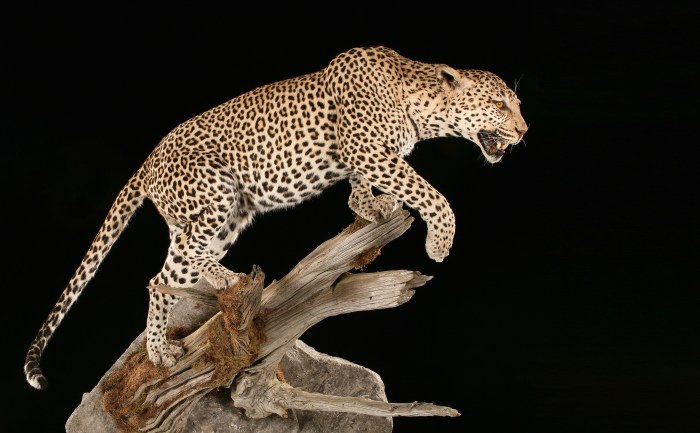
Achieving a truly exceptional taxidermy mount goes beyond accurate anatomical representation; it demands meticulous attention to finishing and presentation. This section details advanced techniques for applying paints, creating custom bases, and integrating accessories to elevate your work to a professional standard. Mastering these skills will transform your mounts from merely accurate representations into breathtaking works of art.
Paint Application and Realistic Texture Creation
Proper paint application is crucial for achieving a lifelike appearance. The key is layering and blending to create depth and subtle variations in color and texture. Begin with a base coat, followed by progressively lighter and darker layers to highlight and shadow areas, mimicking the natural variations in an animal’s fur or feathers. Employ dry brushing techniques for creating fine details and textural effects. For instance, dry brushing a lighter color over a darker base coat on a deer’s head can effectively simulate individual hairs. Remember to use high-quality, archival-quality paints designed for taxidermy to ensure longevity and prevent fading.
| Paint Type | Uses | Advantages |
|---|---|---|
| Acrylics | Base coats, details, blending | Water-based, easy cleanup, fast drying |
| Oil Paints | Fine detail work, achieving subtle gradations | Rich colors, slow drying allows for blending |
| Airbrush Paints | Creating even coats, subtle shading | Precise application, ideal for large surfaces |
Custom Base and Display Creation
A well-designed base is integral to the overall presentation of a taxidermy mount. It should complement the animal, providing a context and enhancing its visual appeal. A poorly chosen or executed base can detract from even the most skillfully mounted specimen. Custom bases allow for complete creative control, enabling you to tailor the display perfectly to the animal and your artistic vision.
Creating a custom base involves several steps:
- Concept and Design: Sketch your base design, considering the animal’s size, posture, and habitat. A realistic setting enhances the overall impact.
- Material Selection: Choose materials that are durable, stable, and aesthetically appropriate. Options include wood, foam, rocks, and resin.
- Base Construction: Cut and shape the base material according to your design. Ensure it is sturdy enough to support the weight of the mount.
- Texturing and Finishing: Add texture to the base using various techniques such as carving, sculpting, or applying texturing compounds. Finish the base with appropriate paints and sealants.
- Mount Integration: Securely attach the mount to the base, ensuring stability and a natural-looking pose.
Integrating Accessories for a Natural Aesthetic
Adding natural accessories like plants, rocks, and other elements can significantly enhance the realism and visual appeal of a taxidermy display. Careful selection and placement of these accessories are crucial to maintaining a natural and harmonious aesthetic. Avoid overcrowding the display; less is often more. The goal is to create a scene that is believable and engaging.
| Material | Technique | Placement Considerations | Preparation |
|---|---|---|---|
| Plants (artificial or preserved) | Glue, wire | Vary heights and densities; mimic natural growth patterns | Clean, remove excess foliage |
| Rocks and stones | Glue, embed in base | Consider size, shape, and color; create a natural landscape | Clean, possibly paint for realism |
| Water features (resin) | Pouring, shaping | Consider placement and scale; ensure stability | Prepare mold, mix resin carefully |
| Other elements (e.g., driftwood, branches) | Glue, wire | Maintain a natural look; avoid artificiality | Clean, treat against decay if necessary |
Ending Remarks
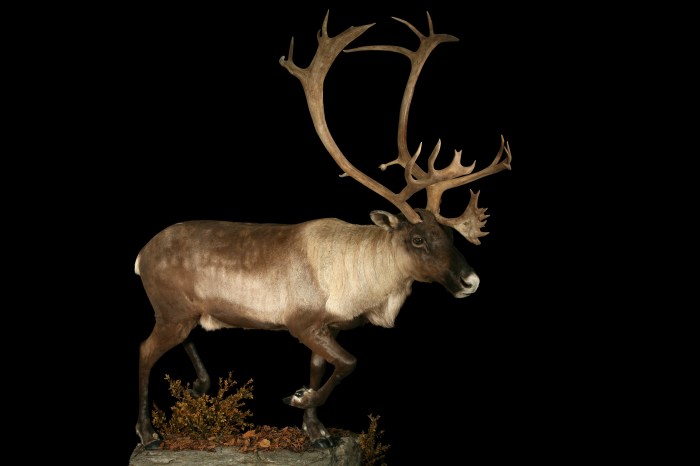
By mastering the advanced techniques detailed in this guide, you’ll be able to create taxidermy mounts that transcend mere preservation, becoming captivating works of art. From the meticulous precision of skinning to the artistry of finishing and display, each step contributes to a final product that truly captures the essence of the animal. This journey into the world of advanced taxidermy is a rewarding one, offering both artistic fulfillment and the lasting satisfaction of preserving nature’s beauty.