Unlocking the secrets held within preserved specimens, this exploration delves into five key research methods utilizing taxidermy in ecological studies. We’ll examine the intricate techniques of specimen preparation, from meticulous preservation to accurate labeling, highlighting their crucial role in advancing our understanding of animal habitats, diets, and evolutionary patterns. The journey will also address ethical considerations and potential biases, ensuring responsible and rigorous scientific practice.
From analyzing stomach contents to investigating habitat preferences across geographical locations, we’ll uncover how taxidermy, when employed thoughtfully, offers valuable insights often unattainable through other research methods. This interdisciplinary approach combines the artistry of taxidermy with the rigor of scientific investigation, yielding a powerful tool for ecological research.
Taxidermy Techniques and Specimen Preservation for Ecological Research
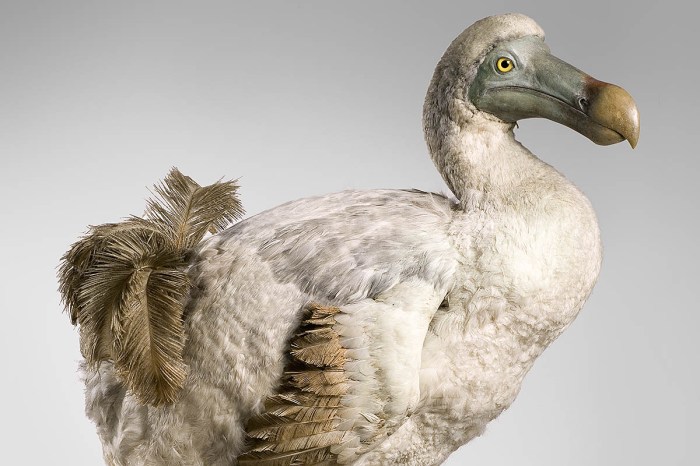
Taxidermy, the art of preserving animal specimens, plays a crucial role in ecological research. Proper preservation techniques are essential for maintaining the integrity of specimens, allowing for accurate measurements, detailed anatomical studies, and long-term data collection. The choice of preservation method depends largely on the type of animal and the intended research application. This section details effective preservation methods for small mammals and birds, emphasizing techniques that minimize tissue degradation and ensure data reliability.
Preservation Methods for Small Mammals
The preservation of small mammals for ecological studies requires careful attention to detail to ensure the long-term integrity of the specimen and the accuracy of subsequent analyses. Different methods offer varying advantages and disadvantages, impacting the suitability of the specimen for various types of ecological research.
| Method | Advantages | Disadvantages | Suitability for Ecological Studies |
|---|---|---|---|
| Formalin (10% Formaldehyde Solution) | Relatively inexpensive, readily available, effectively prevents decomposition and bacterial growth. | Can cause tissue hardening and shrinkage, potentially affecting measurements; may be hazardous to handle; can interfere with some molecular analyses (DNA extraction). | Suitable for gross anatomical studies, but less ideal for molecular or detailed histological analyses. |
| Ethanol (70-95%) | Preserves soft tissues well, less tissue shrinkage than formalin, compatible with some molecular analyses. | Can cause tissue hardening over time; expensive; requires larger storage volume than formalin. | Suitable for morphological studies and some molecular analyses, depending on the specific study requirements. |
| Freeze-drying | Minimal tissue shrinkage, preserves both soft tissues and DNA, ideal for detailed anatomical studies and molecular analyses. | Expensive; requires specialized equipment; may be susceptible to damage if not stored properly. | Highly suitable for a wide range of ecological studies, particularly those requiring molecular analyses or detailed anatomical measurements. |
Bird Specimen Preparation for Skeletal Analysis
Preparing bird specimens for skeletal analysis requires meticulous techniques to prevent bone damage and ensure accurate measurements. The goal is to clean and articulate the skeleton while preserving its integrity for future research.
The process typically involves several steps: Firstly, the bird is skinned and the muscles and internal organs are removed. Careful dissection is crucial to avoid fracturing delicate bones. Secondly, the carcass is degreased, usually through a process involving enzymatic digestion or prolonged immersion in a detergent solution. This removes residual fat and tissue that could hinder skeletal analysis. Finally, the cleaned bones are articulated and then preserved, often through air drying or storage in a controlled environment to prevent further degradation or damage. Accurate measurements of bones (e.g., length, width, curvature) are taken using calibrated tools and recorded meticulously in a standardized format. The entire process necessitates careful handling to avoid bone breakage or misalignment.
Specimen Labeling and Cataloging
Proper labeling and cataloging are essential for maximizing the long-term value and accessibility of taxidermied specimens in ecological research. Each specimen should be uniquely identified with a permanent label containing critical information: species identification (scientific and common names), location of collection (coordinates, habitat type), date of collection, collector’s name, and any other relevant data (e.g., sex, age, weight). This information is crucial for data analysis and interpretation, allowing researchers to draw reliable conclusions and compare findings across different studies and locations. A comprehensive cataloging system, either digital or physical, ensures easy retrieval and management of specimen data, facilitating future research and collaboration. This system should include details about the preservation method used and any associated notes about the specimen’s condition. A well-maintained catalog is crucial for the long-term utility of the collection, ensuring its value for current and future generations of researchers.
Utilizing Taxidermied Specimens in Habitat and Diet Studies
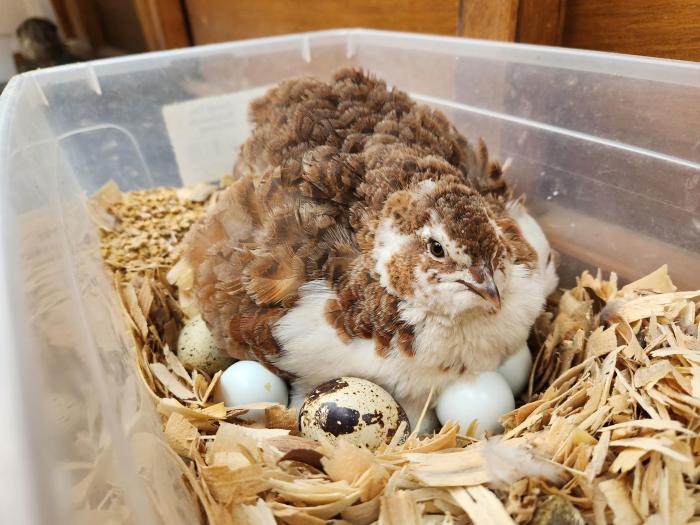
Taxidermied specimens, while lacking the dynamism of live animals, offer a valuable resource for ecological research, particularly in situations where live trapping is impractical or ethically challenging. Their preservation allows for detailed examination and analysis over extended periods, contributing significantly to long-term ecological studies. This section explores the application of taxidermied specimens in habitat and diet studies, highlighting their advantages and limitations.
The use of taxidermied specimens in ecological studies provides a unique perspective, allowing researchers to investigate aspects of animal biology and ecology that would be difficult or impossible to study using live animals alone. This approach complements traditional methods like live trapping, offering a powerful tool for expanding our understanding of animal life.
Comparing Taxidermied Specimens and Live Trapping in Diet Studies
Both taxidermied specimens and live trapping offer insights into predator diets, but each presents unique strengths and weaknesses. The following points compare and contrast these methods when determining the diet of a specific predator species:
- Live Trapping: Provides real-time data on diet, allowing for the observation of seasonal variations and the impact of environmental factors. However, it can be time-consuming, expensive, and potentially stressful for the animals. The process might also bias the sample towards certain individuals or habitats.
- Taxidermied Specimens: Offer a historical record of diet, allowing researchers to study past dietary habits and track long-term changes. Analysis of stomach contents provides a snapshot of the diet at the time of death. However, the quality of preservation can affect the accuracy of analysis, and the sample might not be representative of the entire population or all seasons.
- Combined Approach: The most comprehensive understanding of diet is often achieved by combining both methods. Live trapping can provide current dietary information, while taxidermied specimens can reveal historical trends and long-term patterns.
Investigating Habitat Preferences Using Taxidermied Specimens
A study investigating the habitat preferences of the American badger (Taxidea taxus) across different geographic locations could effectively utilize taxidermied specimens. This approach would leverage the existing museum collections to minimize the need for new specimen collection.
Study Design: The study would involve collecting data from museum specimens, noting the location of collection (latitude, longitude, habitat type – grassland, woodland, etc.) for each specimen. Body measurements (e.g., skull size, body length) could also be recorded to assess potential morphological variations related to habitat.
Data Collection: Database records associated with each specimen will be crucial. These records may already contain habitat data; otherwise, careful analysis of associated field notes and labels is necessary. Geographical Information Systems (GIS) software will be used to map specimen locations and overlay them on habitat maps. Statistical analysis will determine correlations between habitat characteristics and badger distribution.
Statistical Analysis: Statistical tests like Chi-square tests or logistic regression could be used to assess the relationship between habitat type and specimen occurrence. Analysis of variance (ANOVA) could be employed to compare body measurements across different habitats. This will help determine if there are observable morphological differences between badgers inhabiting different environments.
Influence of Specimen Condition on Measurement Accuracy
The condition of taxidermied specimens significantly impacts the accuracy of measurements. Factors like desiccation, damage, and improper preservation techniques can alter body size and weight. For example, shrinkage due to dehydration can lead to underestimation of original body dimensions. Conversely, damage or stuffing techniques could lead to overestimation. Therefore, careful assessment of specimen condition is crucial, and appropriate corrections might need to be applied using established methodologies and comparative data from specimens with known, accurate measurements.
Visual Representation of Stomach Contents
A visual comparison of stomach contents from taxidermied specimens collected from different habitats can be effectively represented using a series of photographic plates or a detailed table. Each image would show the contents of a single specimen’s stomach, clearly labeled with the location of collection (e.g., “Grassland,” “Woodland”). The table would include a quantitative analysis of stomach contents (e.g., percentage of each prey item by weight or volume) for each specimen. For example, a table could show the percentage composition of rodent remains, insect fragments, and plant material found in the stomachs of badgers from grassland and woodland habitats. A clear visual representation of the differences in prey item composition between these habitats will provide a clear insight into the dietary adaptations of badgers in response to different environmental conditions. The image plates should include a scale bar for accurate size comparison and clear identification of prey items.
Ethical Considerations and Data Collection from Taxidermied Specimens in Ecological Research
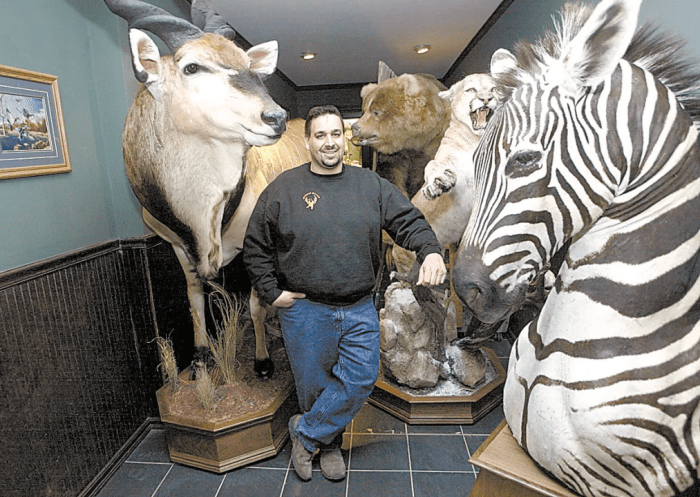
The use of taxidermied specimens in ecological research presents a unique set of ethical considerations, particularly concerning the origin of the specimens and potential biases introduced by the preservation process. Researchers must navigate the complexities of historical collection practices and ensure their work adheres to modern ethical standards and best practices. This section will address the ethical implications of utilizing taxidermied specimens, focusing on responsible sourcing and minimizing potential biases in data analysis.
Ethical Implications of Using Historically Collected Specimens
Many taxidermied specimens in museum collections were acquired before the establishment of modern ethical guidelines for animal collection and research. This raises concerns about the methods used to obtain these specimens, which may have involved unsustainable practices or lacked proper permits. Using such specimens requires careful consideration of their provenance and potential ethical compromises. Researchers should acknowledge the historical context of specimen collection and strive to minimize any perpetuation of unethical practices. Transparency regarding the origin of specimens is crucial, and researchers should clearly state if specimens were collected prior to modern ethical guidelines and describe any known information regarding their acquisition.
Best Practices for Obtaining Permits and Ensuring Ethical Sourcing
When acquiring taxidermied specimens for research, researchers must adhere to all relevant laws and regulations. This includes obtaining necessary permits from appropriate authorities, ensuring that the specimens were legally collected and that their acquisition does not violate any current or past conservation laws. Researchers should prioritize specimens from reputable institutions with transparent collection histories and established ethical protocols. Collaboration with museums and other repositories holding taxidermied specimens is crucial for accessing ethically sourced material and gaining access to detailed collection records. The documentation process should be meticulously recorded, and any uncertainties about a specimen’s origin should be openly acknowledged and addressed.
Potential Biases Associated with Taxidermied Specimens and Mitigation Strategies
Using taxidermied specimens introduces several potential biases that can affect the accuracy and reliability of ecological research findings. Addressing these biases is crucial for producing robust and meaningful results.
| Bias Source | Description | Impact on Results | Mitigation Strategy |
|---|---|---|---|
| Specimen Selection Bias | Taxidermied specimens may not represent a random sample of the population, potentially over-representing certain sizes, ages, or sexes. | Skewed estimates of population parameters (e.g., size, sex ratio). | Careful consideration of the collection history and selection criteria. Statistical methods to account for non-random sampling. Comparison with data from other sources (e.g., live animal studies). |
| Preservation Bias | The taxidermy process itself can alter specimen characteristics (e.g., size, weight, coloration), leading to inaccurate measurements and misinterpretations. | Inaccurate measurements of morphological traits, potentially leading to flawed conclusions about species identification, sexual dimorphism, or dietary analysis. | Use of standardized measurement techniques. Comparison with measurements from photographs or skeletal remains (where available). Careful consideration of potential distortions during the taxidermy process. |
| Temporal Bias | Specimens may reflect past population characteristics and not necessarily current conditions. | Misleading conclusions about current population status, distribution, or ecological interactions. | Comparison with contemporary data (e.g., live animal studies, recent museum collections). Careful consideration of temporal changes in the environment and population dynamics. |
| Geographic Bias | Collections may be geographically biased, reflecting areas where collecting efforts were concentrated, rather than the true species distribution. | Inaccurate estimations of species range or habitat preferences. | Comparison with other data sources (e.g., distribution maps, citizen science data). Consideration of sampling effort and potential biases in collection locations. |
Checklist for Documenting Specimen Provenance and Condition
Prior to utilizing any taxidermied specimen, a comprehensive documentation process is essential. This ensures transparency, traceability, and minimizes the risk of introducing errors or biases. The following checklist Artikels the key steps involved:
- Specimen Identification: Unique identifier (museum catalog number, researcher’s assigned ID). Species identification with justification (morphological features, genetic data if available).
- Collection Information: Date and location of collection. Collector’s name (if known). Original collection method and permit information (if available).
- Preservation History: Details of the taxidermy process (e.g., techniques used, materials employed). Any known alterations or repairs to the specimen.
- Condition Assessment: Description of the specimen’s overall condition (e.g., completeness, damage, signs of decay). Detailed notes on any missing parts or abnormalities.
- Storage Conditions: Description of the storage environment (e.g., temperature, humidity, light exposure).
- Data Collection Methods: Detailed description of all measurements and observations taken, including methodology and instrumentation used.
- Ethical Considerations: Statement addressing the ethical implications of using the specimen, acknowledging its historical context and any potential ethical concerns.
Closure
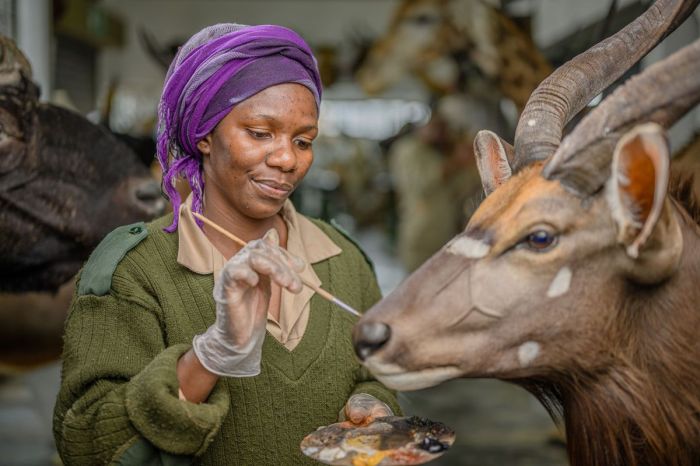
The integration of taxidermy into ecological research presents both unique opportunities and challenges. By carefully considering ethical implications, employing robust data collection methods, and acknowledging potential biases, researchers can harness the immense potential of preserved specimens to unravel complex ecological questions. This multi-faceted approach allows for a deeper understanding of animal biology, behavior, and their interactions within their environments, ultimately contributing to more effective conservation strategies.