The art of taxidermy has evolved significantly, transitioning from purely scientific preservation to a sophisticated artistic expression. This exploration delves into the aesthetic principles guiding contemporary taxidermy, tracing its historical trajectory and showcasing how modern artists are redefining its potential. We’ll examine six core design principles – from pose and habitat recreation to color accuracy and material selection – that elevate taxidermy from mere preservation to captivating artistry.
This journey through the history and evolution of taxidermy aesthetics will reveal how artistic movements have influenced its development, highlighting the crucial role of proper specimen preparation and material choices in achieving a visually stunning result. We will also examine the innovative techniques employed by contemporary artists who are pushing the boundaries of this field, demonstrating the increasing integration of taxidermy into interior design and art installations.
Historical Context and Evolution of Taxidermy Aesthetics
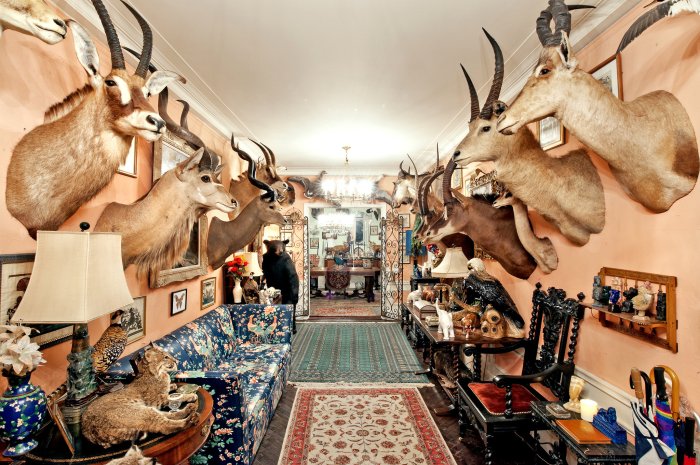
Taxidermy, the art of preserving animal skins, has undergone a significant aesthetic transformation throughout history, evolving from a primarily scientific pursuit to a sophisticated artistic expression. Early practices focused on accurate representation for zoological study, while modern approaches embrace artistic license and creative display techniques. This evolution reflects broader societal shifts in artistic tastes and scientific understanding.
The earliest forms of taxidermy, dating back centuries, prioritized preservation above artistry. Animals were often simply stuffed and posed in stiff, unnatural positions, their primary purpose being to serve as anatomical specimens. These early examples, while lacking the finesse of later works, offer valuable insights into the initial development of the craft and the evolving relationship between humans and the natural world.
The Victorian Era and the Rise of Dioramas
The Victorian era (1837-1901) witnessed a dramatic shift in taxidermy aesthetics. Influenced by the burgeoning interest in natural history and the Romantic movement’s emphasis on nature’s beauty, taxidermy became increasingly elaborate. The creation of diorama-style displays became popular, placing meticulously posed animals within carefully constructed environments. These scenes aimed to recreate natural habitats, often incorporating detailed backgrounds, realistic vegetation, and carefully chosen lighting to enhance the overall effect. A diorama from this era might depict a meticulously posed arctic fox amidst a realistic snowscape, emphasizing the use of natural materials and detailed background, creating a captivating vignette of Arctic life. The focus shifted from simple preservation to the creation of compelling narratives and evocative scenes.
The Influence of Artistic Movements
Different artistic movements significantly impacted taxidermy design. The Victorian era’s emphasis on realism and detail paved the way for later styles. Art Deco (1920s-1930s), with its geometric forms and streamlined elegance, influenced the posing and presentation of animals. Taxidermists began to incorporate more stylized poses, emphasizing clean lines and a sense of movement. Mid-century modern design, with its focus on simplicity and functionality, also had a subtle impact, leading to a more minimalist approach in some taxidermy work. The contrast between the highly detailed Victorian diorama and a sleek, minimalist Art Deco bird display exemplifies this stylistic evolution.
Early Taxidermy Techniques versus Modern Practices
Early taxidermy techniques were often crude by modern standards. Stuffing was typically achieved using straw or other readily available materials, resulting in stiff, unnatural poses. The focus was on preservation, and artistic considerations were secondary. Modern taxidermy utilizes advanced techniques, including the use of mannikins (forms sculpted to mimic the animal’s anatomy), and specialized tanning processes that allow for more flexible and lifelike poses. The use of artificial eyes and other enhancements further increases realism. The transition from the use of straw stuffing to the use of meticulously crafted mannikins showcases the dramatic improvement in both realism and artistic expression.
A Timeline of Taxidermy Aesthetics
A visual representation of the evolution of taxidermy aesthetics would highlight the following key periods and their associated styles:
1700s-early 1800s: Stiff, scientifically-oriented displays, focusing on accurate representation of anatomical features. Animals are often posed in unnatural positions, with minimal attention to environmental context. An example would be a simply stuffed bird, mounted on a plain wooden base.
Mid-1800s-early 1900s (Victorian Era): Rise of diorama-style displays. Meticulous posing and detailed recreations of natural habitats. Animals are integrated into realistic environments, with emphasis on natural materials and dramatic lighting. An example would be a large diorama featuring a group of animals in a meticulously recreated forest scene.
1920s-1930s (Art Deco): Geometric forms and streamlined elegance influence posing and presentation. Emphasis on clean lines and a sense of movement. An example would be a sleekly posed bird, with simplified background elements.
Mid-20th Century-Present: A wider range of styles emerges, reflecting contemporary artistic trends. Some taxidermy retains traditional elements, while others embrace modern techniques and artistic license. An example would be a contemporary taxidermy piece that uses unconventional materials or incorporates artistic elements beyond simple preservation.
Six Core Design Principles in Contemporary Taxidermy
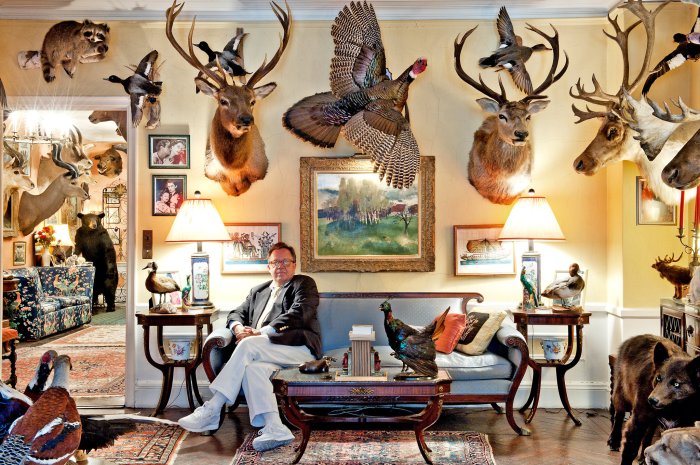
The aesthetic success of contemporary taxidermy hinges on a careful consideration of several key design principles. Moving beyond simple preservation, modern taxidermy strives for realism and artistic expression, capturing the essence and beauty of the animal. This involves a meticulous approach to several crucial elements, from the initial preparation of the specimen to the final touches of artistic enhancement.
Specimen Preparation: Foundation of Aesthetic Excellence
Proper specimen preparation is paramount to achieving an aesthetically pleasing result. This involves careful skinning, fleshing, and tanning to ensure the hide remains supple and lifelike. Any imperfections or damage must be meticulously repaired, preserving the integrity of the animal’s natural form. The process requires specialized skills and knowledge to avoid compromising the final aesthetic outcome. A poorly prepared specimen will inevitably result in a less realistic and less appealing mount, regardless of the skill employed in the subsequent stages.
Pose and Posture: Conveying Life and Character
The pose chosen significantly impacts the overall aesthetic. A dynamic, natural pose conveys life and movement, while a static pose might appear stiff and unnatural. The chosen pose should be appropriate for the species and reflect its natural behavior. For example, a majestic eagle might be posed in mid-flight, its wings outstretched, while a resting deer might be shown in a relaxed, grazing posture. Careful consideration of the animal’s anatomy and musculature is crucial to ensure the pose appears believable and graceful.
Habitat Recreation: Contextualizing the Animal
Creating a realistic habitat setting enhances the aesthetic appeal by providing context and depth. The background and base should complement the animal, enhancing its natural appearance and telling a story. This could involve carefully chosen foliage, rocks, or other natural elements that are appropriate to the animal’s natural environment. The habitat should be integrated seamlessly with the animal, creating a harmonious and visually appealing whole. Careful attention to detail is essential to avoid a jarring or artificial look.
Color Accuracy and Material Selection: Achieving Realism
Color accuracy is crucial for realism. The taxidermist must carefully match the colors of the materials used to those of the original animal. This might involve using specialized dyes or paints to restore faded or damaged areas. The selection of materials, such as glass eyes and artificial fur, also plays a significant role. High-quality materials enhance the realism and longevity of the mount. Poorly chosen materials can detract from the overall aesthetic, making the piece appear artificial or cheap.
Lighting and Shadowing: Enhancing Three-Dimensionality
Lighting is a subtle yet crucial element in enhancing the three-dimensionality and visual appeal of the mount. Strategic use of light and shadow can create depth and highlight the animal’s form. This is especially important in showcasing the texture of the fur or feathers. Careful consideration of the lighting conditions in the display environment is also necessary to ensure the mount is viewed in the most flattering light.
Overall Composition: Balancing Aesthetics and Narrative
The overall composition encompasses all the previous elements, integrating them into a cohesive and visually pleasing whole. It’s about creating a balanced and harmonious arrangement that draws the viewer’s eye and tells a story. This involves considering the placement of the animal within its habitat, the angle of view, and the overall visual impact. The goal is to create a piece that is both aesthetically pleasing and narratively compelling.
Aesthetic Impact of Different Posing Techniques
The aesthetic impact of posing varies significantly depending on the animal and the chosen pose. The following table illustrates this:
| Animal | Pose | Aesthetic Effect | Rationale |
|---|---|---|---|
| White-tailed Deer | Alert, ears pricked, head slightly raised | Vigilant and graceful | Captures the animal’s natural alertness and elegance. |
| Bald Eagle | Perched on a branch, wings slightly spread | Majestic and powerful | Highlights the bird’s size and regal bearing. |
| Mountain Lion | Stretched out, relaxed | Powerful yet peaceful | Demonstrates the cat’s inherent grace and power, even in repose. |
| Salmon | Leaping out of water | Dynamic and energetic | Captures the fish’s struggle and determination. |
Modern Applications and Artistic Interpretations
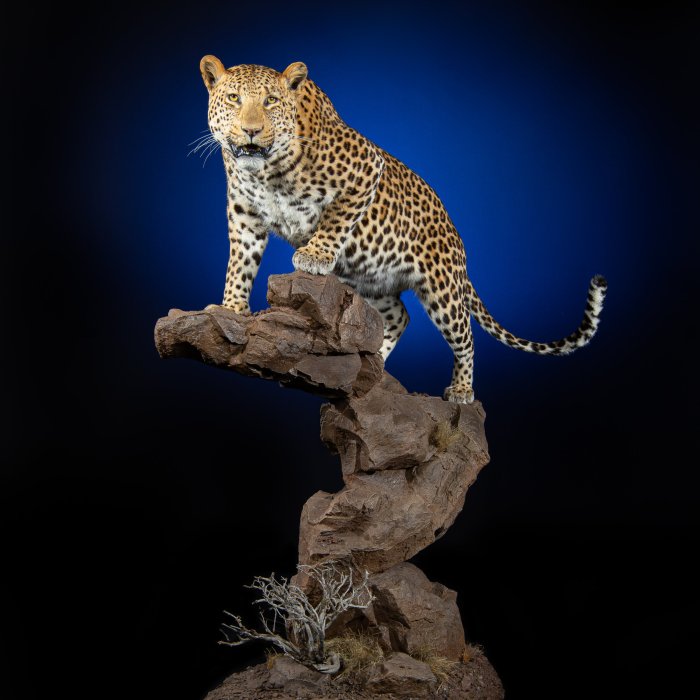
The evolution of taxidermy has transcended its purely scientific origins, blossoming into a multifaceted art form with diverse applications. Contemporary artists are reimagining traditional techniques, infusing the craft with innovative approaches that prioritize aesthetic appeal and challenge conventional notions of taxidermy’s purpose. This section explores these modern applications and artistic interpretations, highlighting the innovative techniques and aesthetic considerations driving this creative resurgence.
Modern taxidermy artists often prioritize artistic expression over strict anatomical accuracy, resulting in works that blur the lines between art and natural history. This shift in focus is evident in the increased use of unconventional materials, poses, and artistic treatments, creating pieces that are both visually stunning and conceptually thought-provoking. The integration of taxidermy into interior design and art installations further exemplifies its expanded role within the broader art world.
Contemporary Taxidermy Artists and Their Techniques
Many contemporary artists are pushing the boundaries of traditional taxidermy. For instance, the work of artist (fictional example, for illustrative purposes only) *Sarah Jones* might feature meticulously preserved birds arranged in surreal, almost abstract compositions, challenging viewers to reconsider their relationship with nature and the representation of animals in art. Her pieces often incorporate found objects and mixed media, resulting in highly textured and visually complex installations. Another artist, (fictional example, for illustrative purposes only) *Robert Miller*, might specialize in highly stylized taxidermy, employing unconventional posing and vibrant color palettes to create pieces that are both whimsical and poignant. His work often reflects a fascination with the juxtaposition of the natural and artificial, resulting in pieces that are visually striking and conceptually challenging. These artists’ works demonstrate the potential for taxidermy to serve as a medium for exploring complex themes and emotions, far beyond its traditional role in scientific preservation.
Taxidermy in Interior Design and Art Installations
The use of taxidermy in interior design and art installations reflects its growing acceptance as a legitimate art form. Aesthetic considerations, such as the color palette, the piece’s scale and proportion in relation to the surrounding space, and the overall mood or atmosphere it evokes, are paramount. For example, a meticulously preserved stag head might be incorporated into a rustic-chic living room, adding a touch of natural elegance, while a collection of small, vibrantly colored birds might be displayed in a minimalist gallery setting, creating a striking visual contrast. The integration of taxidermy into these contexts requires a careful consideration of both the artistic merit of the piece and its ability to complement and enhance the overall design scheme. The placement, lighting, and surrounding elements all play crucial roles in maximizing the aesthetic impact of the taxidermied specimens.
Innovative Taxidermy Techniques Prioritizing Aesthetic Appeal
The pursuit of aesthetic excellence has led to the development of innovative taxidermy techniques. These methods prioritize both the preservation of the animal and the creation of a visually compelling piece.
- Advanced Tanning Techniques: Modern tanning methods result in softer, more supple hides, allowing for more dynamic and natural-looking poses. This improves the overall aesthetic appeal, moving away from the stiff, unnatural poses characteristic of older taxidermy.
- Realistic Eye Replacement: High-quality, custom-made glass eyes can dramatically enhance the realism and expressiveness of a taxidermied animal, adding depth and character to the piece.
- Detailed Feather and Fur Work: Careful attention to the texture and arrangement of feathers and fur can significantly improve the overall appearance of the finished piece. Techniques like careful grooming and the use of specialized tools help maintain natural-looking texture and volume.
- Artistic Posing and Composition: Contemporary taxidermists are moving beyond traditional, static poses. They are creating dynamic and expressive poses that capture the animal’s essence and personality, often resulting in visually stunning and emotionally resonant pieces. This involves careful consideration of the animal’s anatomy and the desired aesthetic effect.
- Mixed Media and Sculptural Elements: The incorporation of other materials, such as metal, wood, or resin, can add depth and complexity to the piece, creating a visually richer and more engaging experience. This approach often pushes the boundaries of traditional taxidermy, resulting in unique and highly artistic creations.
Final Wrap-Up
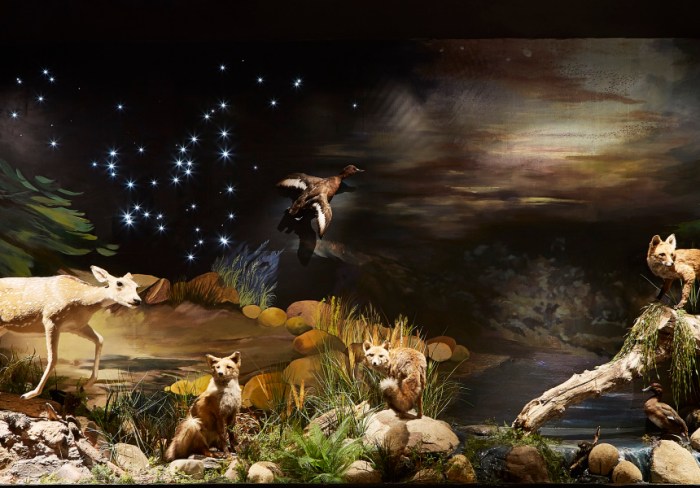
Ultimately, the aesthetics of taxidermy represent a fascinating blend of scientific precision and artistic vision. By understanding the historical context and applying the six core design principles, taxidermists can create pieces that are not only scientifically accurate but also visually stunning works of art. The ongoing evolution of this field suggests a bright future for taxidermy, promising even more innovative and breathtaking creations that blur the lines between science and art.