The Art of Taxidermy: 11 Historical Facts unveils a fascinating journey through the evolution of this unique practice. From its humble beginnings as a purely utilitarian method of preservation, taxidermy has transformed into a blend of science and art, shaping our understanding of the natural world and leaving an indelible mark on museums and cultural history. This exploration delves into the key innovations, influential figures, and ethical considerations that have defined its trajectory.
We will examine the earliest techniques, comparing them to modern methods, and trace the development of tools and materials used throughout history. The role of taxidermy in scientific advancement and museum displays will be highlighted, alongside a discussion of the ethical implications involved. Finally, we will explore the artistic expressions within taxidermy, showcasing examples that transcend mere preservation and enter the realm of fine art.
The Evolution of Taxidermy Techniques
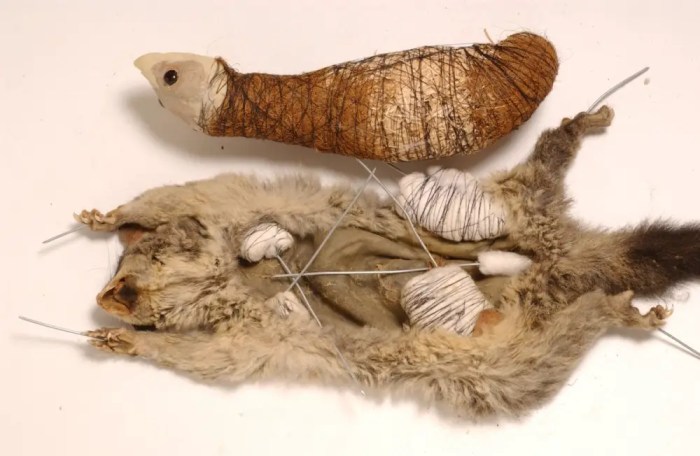
Taxidermy, the art of preserving animal skins and mounting them in lifelike poses, has undergone a dramatic transformation throughout history. Early methods were largely driven by practical needs, such as preserving valuable furs or creating ceremonial objects. Modern taxidermy, however, blends artistry, scientific accuracy, and advanced techniques to produce remarkably realistic and detailed specimens. This evolution reflects not only technological advancements but also shifting cultural attitudes towards animals and the natural world.
Early Methods of Animal Preservation and Modern Techniques
The earliest forms of animal preservation predate formal taxidermy. Ancient cultures employed methods like drying, smoking, and tanning to preserve animal hides for clothing, tools, and religious artifacts. Egyptian mummification, while primarily focused on human bodies, also involved techniques that preserved animal remains, though not in the lifelike poses characteristic of modern taxidermy. These early techniques, often lacking precise anatomical knowledge, resulted in specimens that were less aesthetically pleasing and far less scientifically accurate than those produced today. In contrast, modern taxidermy utilizes advanced tanning techniques, specialized tools, and detailed anatomical knowledge to create lifelike representations of animals. The use of forms, armatures, and meticulously applied taxidermy materials allows for the precise recreation of musculature, posture, and even facial expressions. Modern taxidermists often consult anatomical references and utilize digital imaging to achieve the highest level of accuracy.
Key Innovations and Technological Advancements
Several key innovations revolutionized taxidermy. The development of arsenic-based preservatives in the 18th and 19th centuries significantly improved the longevity and preservation of specimens, although the toxicity of arsenic eventually led to the adoption of safer alternatives. The invention of the rotary knife and other specialized tools allowed for more precise and efficient skinning and preparation. The introduction of synthetic materials, such as foam and resins, provided more durable and versatile forms for mounting. The development of sophisticated tanning processes ensured that hides retained their flexibility and natural appearance for extended periods. Furthermore, the advancements in sculpting and painting techniques have allowed taxidermists to achieve incredibly lifelike results.
The Shift from Utilitarian Preservation to Artistic and Scientific Aspects
Initially, taxidermy served primarily utilitarian purposes. However, over time, it evolved into a multifaceted practice encompassing artistic and scientific elements. The rise of natural history museums in the 19th century spurred a demand for high-quality, scientifically accurate specimens. Taxidermists began to collaborate with scientists to ensure the accuracy of their work, leading to a more precise and detailed approach to animal representation. Simultaneously, taxidermy also developed as an art form, with skilled practitioners striving to create lifelike and aesthetically pleasing displays. This shift is evident in the increasing realism and artistry seen in taxidermy mounts throughout the 20th and 21st centuries.
Timeline of Taxidermy Tools and Materials
The evolution of taxidermy can be effectively illustrated through a timeline highlighting the changes in tools and materials used throughout history.
| Era | Technique | Materials | Notable Taxidermists |
|---|---|---|---|
| Pre-18th Century | Drying, smoking, tanning | Natural salts, smoke, plant tannins | (Limited documented individuals) |
| 18th-19th Century | Arsenic preservation, early forms and armatures | Arsenic, cotton, wood, plaster | Louis Dufresne |
| Early 20th Century | Improved tanning, use of glass eyes | Borax, formaldehyde, glass eyes, wire armatures | Carl Akeley |
| Late 20th-21st Century | Advanced tanning, foam forms, resin, digital imaging | Synthetic tanning agents, polyurethane foam, resins, epoxy clays | (Many contemporary practitioners) |
Epilogue
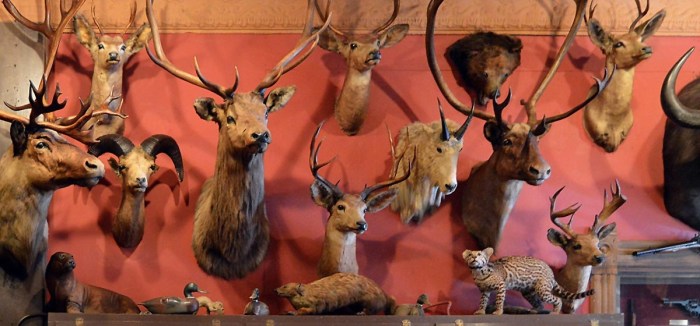
The journey through the history of taxidermy reveals a captivating narrative of innovation, artistry, and scientific contribution. From rudimentary preservation methods to intricate artistic displays, the practice has continuously evolved, reflecting societal values and technological advancements. Understanding its history offers a unique perspective on our relationship with the natural world and the enduring legacy of those who have dedicated themselves to this fascinating craft. The ethical considerations surrounding the use of animal specimens remain a vital aspect of the ongoing conversation surrounding taxidermy, ensuring responsible practices for future generations.