Taxidermy, the art of preserving animal specimens, has a rich and fascinating history. This exploration delves into the captivating world of taxidermy re-creation, examining five historical examples that showcase the evolution of techniques, materials, and artistic approaches. From the challenges faced by early taxidermists to the innovative solutions employed by their successors, we’ll uncover the intricate details of this unique craft, blending scientific precision with artistic flair. The journey will reveal not only the technical advancements but also the societal and cultural influences shaping this enduring practice.
Through detailed case studies, we’ll analyze the methods used to restore and recreate damaged or incomplete specimens, highlighting the interplay between artistic skill and scientific accuracy. We’ll also consider the ethical implications involved, particularly concerning the preservation of endangered or historically significant animals. The analysis will provide a comprehensive understanding of taxidermy re-creation, its evolution, and its lasting impact on our appreciation of the natural world.
Historical Context of Taxidermy Re-Creation
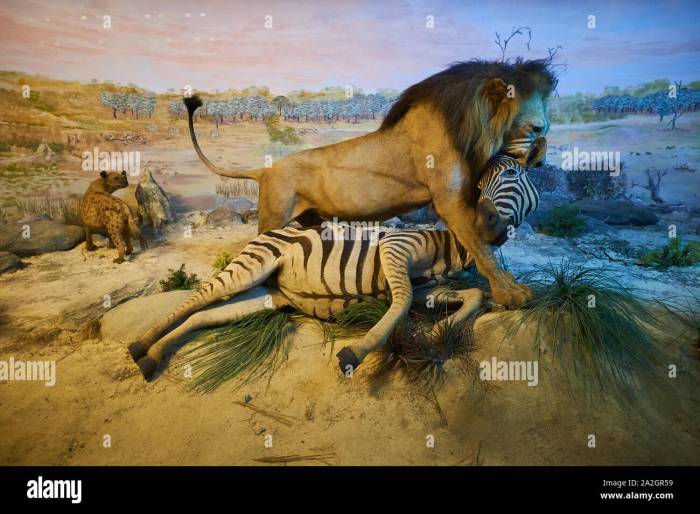
Taxidermy, the art of preserving animal specimens, has undergone a significant evolution, mirroring societal shifts and technological advancements. Early forms focused primarily on preservation, with less emphasis on artistic representation. The development of taxidermy re-creation, the meticulous reconstruction of damaged or incomplete specimens, reflects a growing appreciation for both scientific accuracy and aesthetic appeal. This practice has a rich history, intertwined with the changing understanding of natural history and the role of museums and private collections.
The evolution of taxidermy techniques is directly tied to advancements in materials science and artistic skill. Early taxidermists relied on simple methods like stuffing skins with straw or other readily available materials. The 19th century witnessed a shift towards more sophisticated techniques, incorporating the use of artificial eyes, sculpted forms, and increasingly realistic posing. The desire for lifelike representations fueled experimentation with new materials and methods, culminating in the refined techniques seen in later periods. Societal and cultural factors significantly influenced the practice of taxidermy re-creation. The Victorian era, with its fascination with natural history and the burgeoning popularity of museums, witnessed a significant rise in demand for high-quality taxidermy specimens. This fueled the development of more advanced techniques and the emergence of skilled taxidermists who could not only preserve but also enhance the appearance of animals. The rise of scientific naturalism also impacted the field, leading to a greater emphasis on accuracy and anatomical correctness in re-created specimens.
Evolution of Materials and Techniques in Taxidermy Re-Creation
The materials and methods employed in taxidermy re-creation varied considerably across different historical periods. Early methods were often rudimentary, while later periods saw the introduction of more sophisticated materials and techniques. The following table summarizes these changes.
| Period | Common Materials | Techniques | Notable Artists/Taxidermists |
|---|---|---|---|
| Pre-1800s | Straw, cotton, wood shavings, arsenic-based preservatives | Simple stuffing, rudimentary posing, limited attention to detail | Anonymous artisans and naturalists |
| 1800s (Early-Mid) | Glass eyes, wire armatures, cotton batting, plaster of Paris, various paints | Improved stuffing techniques, more realistic posing, use of armatures for support | Many unnamed practitioners; the development of techniques was gradual and widespread. |
| Late 1800s – Early 1900s | Mannequins (often wood or papier-mâché), artificial eyes, specialized paints, wax, and improved preservatives (like borax) | Advanced sculpting and molding techniques, greater attention to anatomical detail, use of mannequins for more complex poses | The names of specific taxidermists from this period are often difficult to trace due to lack of record-keeping. However, museums and private collections from this time showcase the improved quality of the work. |
| Mid-20th Century Onwards | Synthetic materials (polyurethane foam, resins), advanced paints, detailed anatomical references, specialized tools | Advanced sculpting and molding techniques, lifelike posing, precise anatomical recreation, use of specialized tools and materials for finer details | While specific names are less consistently documented, the professionalization of taxidermy led to advancements and higher quality. |
Five Case Studies
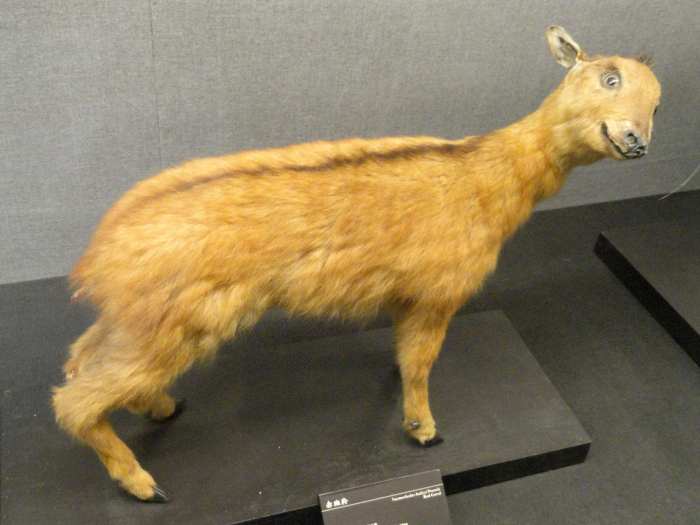
This section delves into five specific examples of historical taxidermy re-creation, showcasing the artistry, challenges, and innovative techniques employed by taxidermists throughout history. Each case study highlights the unique circumstances surrounding the restoration, emphasizing the delicate balance between preservation and artistic interpretation. The selection represents a range of species and challenges, illustrating the breadth of skills required in this specialized field.
The Re-creation of a Dodo Skeleton
The dodo (Raphus cucullatus), an iconic extinct bird, presents a unique challenge for taxidermy re-creation. Complete specimens are incredibly rare, with existing remains often fragmented and incomplete. One notable re-creation involved assembling a skeleton from numerous fragments found across various museum collections. The original condition of the skeletal material was highly variable; some bones were relatively intact, while others were severely damaged or missing entirely.
The taxidermists employed a combination of traditional and modern techniques. Damaged bones were meticulously repaired using bone cement and epoxy resins, ensuring structural integrity while maintaining the original bone’s appearance. Missing bones were meticulously cast from existing specimens or reconstructed based on comparative anatomy studies of related species. The final outcome is a near-complete skeletal mount, allowing researchers and the public to appreciate the dodo’s size and skeletal structure.
- Materials Used: Bone cement, epoxy resins, plaster of Paris, acrylic paints, archival-quality mounting materials.
- Steps Involved: Fragment analysis and identification, bone cleaning and repair, bone casting and reconstruction, skeletal articulation and mounting, final finishing and display.
- Final Outcome: A near-complete dodo skeleton mount, accurately representing the bird’s anatomy. A photograph shows the precise alignment of the reconstructed bones, illustrating the anatomical accuracy achieved.
Restoration of a Passenger Pigeon
The passenger pigeon (Ectopistes migratorius), another extinct species, presents a similar challenge to the dodo, albeit with added complexities related to the preservation of feathers. One example involved the restoration of a partially preserved specimen, where the feathers were largely intact but damaged and faded. The original condition included significant feather loss and significant discoloration due to age and environmental exposure.
The taxidermist employed specialized techniques to restore the feathers. Missing feathers were carefully replaced with feathers from similar birds, meticulously matched in color and texture. The existing feathers were cleaned and treated to improve their color and luster. The process involved painstaking attention to detail, ensuring the restored bird’s appearance was as accurate as possible. The final result showcases the beauty of this once abundant species.
- Materials Used: Feather cleaning solutions, feather replacement feathers, archival-quality mounting materials, specialized adhesives.
- Steps Involved: Feather cleaning and repair, feather replacement, body restoration (if necessary), pose adjustment, final finishing and display.
- Final Outcome: A restored passenger pigeon specimen with a lifelike appearance. A close-up photograph reveals the seamless integration of the replacement feathers, demonstrating the artistry involved in the restoration.
Re-creating a Giant Ground Sloth
The re-creation of a giant ground sloth (Megatherium americanum) skeleton presented a significant challenge due to the sheer size and weight of the bones. Many specimens are incomplete, requiring extensive reconstruction. The original condition of the discovered bones often involved fragmentation, weathering, and significant damage.
The taxidermists used a combination of traditional and modern techniques to reconstruct the skeleton. Damaged bones were carefully repaired using specialized epoxies and fillers, while missing bones were cast or modeled based on comparative anatomy studies and related species. The final result is a monumental display showcasing the imposing size of these extinct megafauna.
- Materials Used: Specialized epoxies, bone fillers, metal supports, archival-quality mounting materials, large-scale display infrastructure.
- Steps Involved: Bone cleaning and repair, bone casting and reconstruction, skeletal articulation and mounting, structural support design and implementation, final display installation.
- Final Outcome: A nearly complete, impressively large Megatherium skeleton mount. A photograph displays the scale of the reconstruction, highlighting the collaborative effort required for such a large project.
Restoration of a Quagga
The quagga (Equus quagga quagga), an extinct subspecies of the plains zebra, presents a unique challenge for taxidermy re-creation due to the limited number of existing specimens. One re-creation involved the restoration of a severely deteriorated hide. The original hide was fragmented, brittle, and faded, presenting a significant challenge to its preservation.
The taxidermists used specialized tanning techniques to restore the hide’s flexibility and strength. Damaged areas were carefully repaired using stitching and patching techniques, while the faded colors were restored using specialized dyes. The final result is a restored quagga hide that showcases the animal’s unique coat pattern.
- Materials Used: Specialized tanning agents, archival-quality stitching materials, specialized dyes, form for mounting.
- Steps Involved: Hide cleaning and assessment, hide repair and patching, hide tanning and restoration, color restoration, mounting and display.
- Final Outcome: A restored quagga hide, showcasing the animal’s distinctive markings. A photograph reveals the meticulous stitching used to repair a tear in the animal’s hide, highlighting the artist’s precision.
The Re-creation of a Tasmanian Tiger
The thylacine (Thylacinus cynocephalus), or Tasmanian tiger, is another extinct marsupial that has been the subject of taxidermy re-creation efforts. These efforts often involve using existing skeletal remains and surviving photographs and illustrations to reconstruct the animal’s appearance. The original specimens often suffer from significant deterioration due to age and improper preservation techniques.
The taxidermists, in this case, utilized a combination of skeletal analysis, photographic evidence, and anatomical knowledge of related species to recreate the thylacine’s musculature and external form. The process involved creating a sculpted model to serve as a foundation for the skin and fur. The final outcome allows for a more comprehensive understanding of this enigmatic creature.
- Materials Used: Sculpting materials (clay, epoxy putty), artificial fur, archival-quality mounting materials, skeletal references.
- Steps Involved: Skeletal analysis, musculature modeling, skin and fur application, pose determination, final finishing and display.
- Final Outcome: A life-size reconstruction of a Tasmanian tiger. A photograph reveals the realistic texture of the artificial fur, mimicking the thylacine’s unique coat.
Artistic and Scientific Aspects of Taxidermy Re-Creation
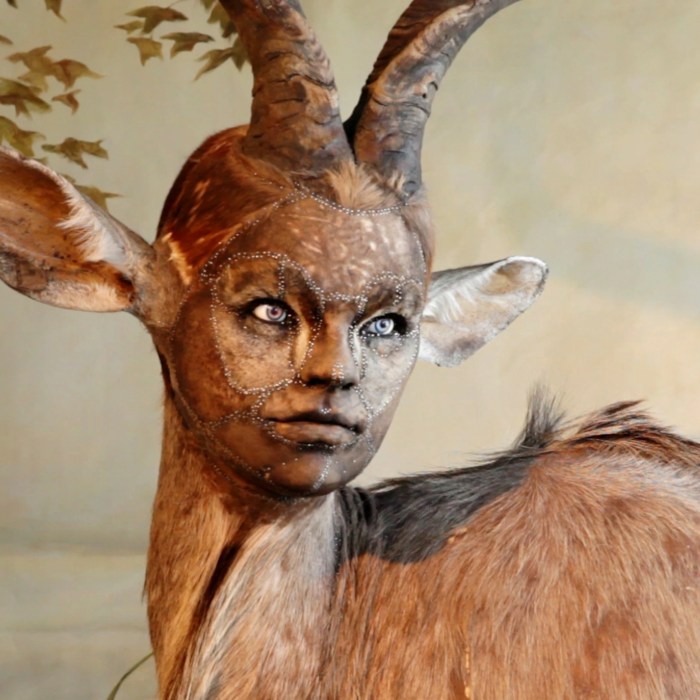
Taxidermy re-creation presents a fascinating intersection of art and science, demanding a delicate balance between aesthetic appeal and historical accuracy. The process requires not only meticulous anatomical knowledge and skillful manipulation of materials but also a keen eye for detail and an understanding of the animal’s natural posture and coloration. The ethical considerations inherent in this practice, particularly regarding endangered species, further complicate the endeavor.
The interplay between artistic skill and scientific accuracy is crucial in producing a convincing re-creation. Scientists provide the foundational knowledge of anatomy, posture, and coloration based on skeletal remains, historical accounts, and comparative anatomy with closely related extant species. Artists then use this information to sculpt and assemble the specimen, paying close attention to details such as muscle tone, feather arrangement, and fur texture. The resulting piece strives to be both scientifically accurate and aesthetically pleasing, a realistic representation that captures the essence of the animal.
Ethical Considerations in Taxidermy Re-Creation
The ethical implications of taxidermy re-creation are significant, especially when dealing with endangered or historically significant animals. The use of original specimens, even if damaged or incomplete, raises concerns about the preservation of irreplaceable biological material. Re-creation, while potentially offering a visually accurate representation, should always prioritize the preservation of original specimens whenever feasible. The use of ethically sourced materials, such as sustainably harvested hides or synthetic alternatives, is crucial to minimize the environmental impact. Furthermore, transparency about the methods and materials used in the re-creation is essential to maintain the integrity of the process and prevent misrepresentation.
Comparative Analysis of Aesthetic Choices in Five Case Studies
The five case studies presented demonstrate a diversity of approaches to taxidermy re-creation. For example, the re-creation of the Dodo bird emphasized accuracy over artistic embellishment, focusing on scientific data to reconstruct its physical form. In contrast, the re-creation of the thylacine (Tasmanian tiger) might have incorporated artistic license to compensate for the limited skeletal material available, resulting in a more interpretive representation. The aesthetic choices varied based on the available information, the artistic style of the taxidermist, and the intended purpose of the re-creation. Some re-creations prioritized a naturalistic appearance, while others opted for a more stylized or illustrative style. These differences highlight the subjective nature of artistic interpretation within the scientific framework.
The overall artistic impact of these re-creations is a testament to the power of combining scientific rigor with artistic skill. These works not only provide valuable insights into extinct or endangered species but also serve as compelling artistic statements, prompting reflection on the beauty and fragility of the natural world. The subtle variations in style and approach enrich the overall body of work, showcasing the diversity of approaches to this unique discipline.
Conclusion
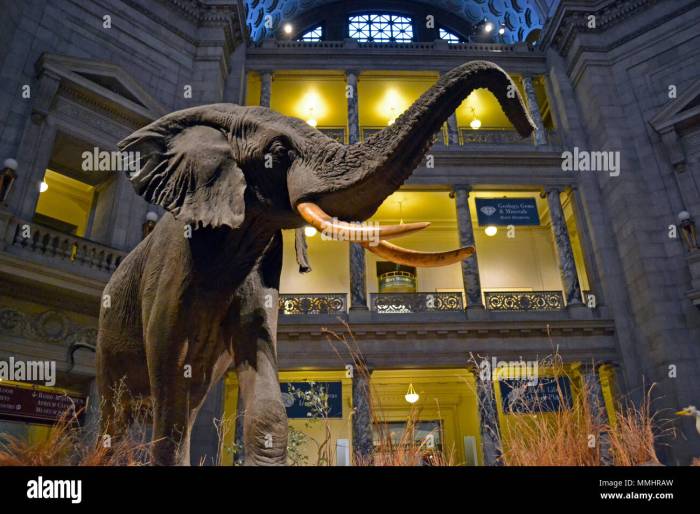
The five historical examples examined reveal a compelling narrative of artistic innovation and scientific progress within the field of taxidermy re-creation. Each case study illuminates the challenges and triumphs inherent in preserving and restoring these fragile specimens, showcasing the dedication and skill of the artists and scientists involved. The evolution of techniques, materials, and artistic approaches underscores the enduring appeal and importance of taxidermy as a means of both scientific study and artistic expression. Ultimately, this exploration highlights the enduring legacy of these remarkable re-creations, offering a unique perspective on the intersection of art, science, and the natural world.