Taxidermy, the art of preserving animal bodies, holds a surprisingly rich and multifaceted cultural history. From its early scientific applications to its controversial modern interpretations, taxidermy reflects evolving human relationships with the natural world, revealing shifting perspectives on death, artistry, and conservation. This exploration delves into twelve key examples illustrating taxidermy’s enduring influence across diverse cultures and historical periods.
We’ll examine taxidermy’s role in scientific advancement, its use as a symbol of status and power, and its transformation into a medium for contemporary artistic expression. We’ll also confront the ethical dilemmas inherent in the practice, considering the implications for animal welfare and environmental sustainability. By examining these diverse facets, we aim to provide a nuanced understanding of taxidermy’s complex cultural legacy.
Historical Context of Taxidermy and its Cultural Impact
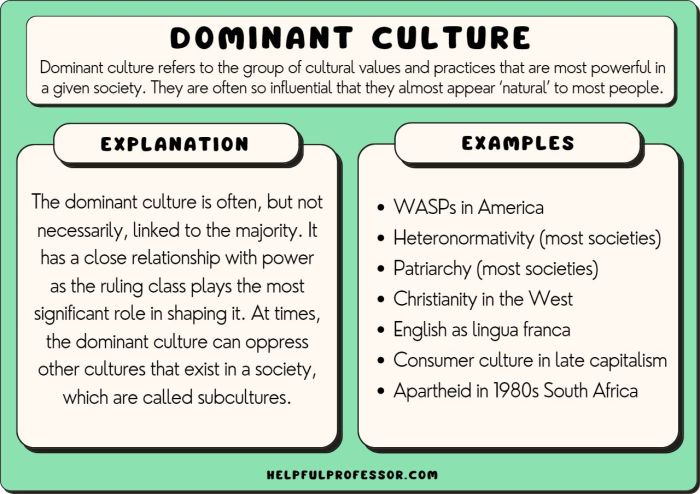
Taxidermy, the art of preserving animal skins and stuffing them to create lifelike representations, boasts a rich history intertwined with scientific advancement, social status, and evolving cultural perceptions. Its journey from rudimentary techniques to sophisticated modern methods reflects broader societal changes and technological progress.
Early taxidermy practices, dating back centuries, were far from the precise artistry we see today. Methods were often crude, focusing primarily on preservation rather than aesthetic accuracy. Animals were frequently stuffed with straw, hay, or other readily available materials, resulting in stiff, unnatural poses. The focus was primarily on maintaining the form, not on capturing the animal’s natural posture or expression. Over time, however, techniques evolved, incorporating advancements in chemistry and anatomy. The development of arsenic-based preservatives, for example, significantly improved preservation, while a deeper understanding of animal anatomy allowed for more accurate and lifelike representations. Modern taxidermy utilizes advanced techniques, including the use of synthetic materials and meticulous attention to detail, resulting in remarkably realistic specimens.
Evolution of Taxidermy Techniques and Their Cultural Significance
The following table compares historical approaches to taxidermy with their corresponding cultural implications:
| Era | Techniques | Materials | Cultural Significance |
|---|---|---|---|
| Early (Pre-18th Century) | Simple stuffing with readily available materials; little attention to anatomical accuracy. | Straw, hay, rags, wood shavings. | Primarily served practical purposes, such as displaying trophies or preserving specimens for scientific study; limited artistic merit. |
| 18th-19th Centuries | Introduction of arsenic-based preservatives; improved anatomical understanding led to more lifelike poses. | Arsenic, cotton, glass eyes. | Increased popularity among the wealthy; taxidermied animals became status symbols reflecting wealth and access to exotic specimens. Rise of natural history museums. |
| 20th-21st Centuries | Development of synthetic materials; advanced techniques for posing and sculpting; focus on artistic realism. | Polyurethane foam, synthetic fibers, specialized tanning agents. | Taxidermy continues to hold a place in scientific study, museums, and private collections. Debates surrounding ethics and conservation emerge. Artistic merit highly valued. |
Taxidermy’s Role in Scientific Exploration and Natural History Museums
Taxidermy played a pivotal role in the advancement of scientific understanding, particularly in zoology. Early naturalists relied heavily on taxidermied specimens for detailed anatomical study and comparative analysis. The ability to preserve animals allowed for the creation of comprehensive collections, forming the basis of many of the world’s leading natural history museums. These museums became crucial centers for research and public education, showcasing biodiversity and advancing our understanding of the natural world. The meticulous documentation accompanying many historic taxidermied specimens provides invaluable data for current research in fields such as evolutionary biology and conservation.
Social Status and the Ownership of Taxidermied Animals
Throughout history, the ownership of taxidermied animals has been closely linked to social status and wealth. In the 18th and 19th centuries, possessing exotic and rare taxidermied animals became a symbol of prestige and global reach. Large collections of taxidermied animals were often displayed in grand homes and hunting lodges, showcasing the owner’s wealth, hunting prowess, and access to far-flung expeditions. This association with wealth and social standing continues to some extent today, although the ethical implications of acquiring and displaying taxidermied animals are increasingly scrutinized.
Taxidermy in Art and Representation
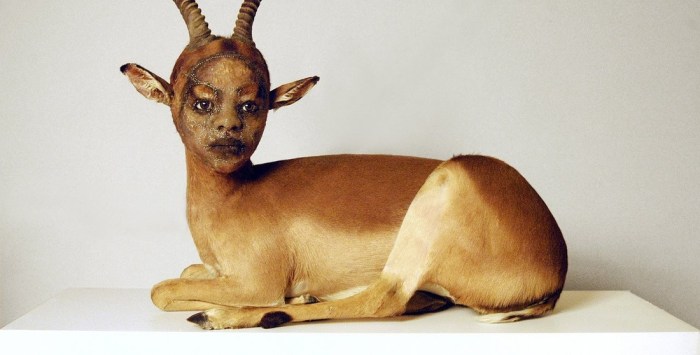
Taxidermy, far from being merely a preservation technique, has played a significant role in artistic expression and the representation of cultural values throughout history. Its use in art reflects evolving societal attitudes towards nature, power, and the human relationship with the animal kingdom. From elaborate Victorian displays to contemporary installations, taxidermied animals have been employed to communicate complex ideas and evoke powerful emotions.
Taxidermied animals have been incorporated into artistic creations to convey a wide range of meanings, often reflecting the prevailing cultural and aesthetic sensibilities of the time. The practice’s artistic application reveals a fascinating interplay between scientific accuracy, artistic license, and the symbolic power attributed to the animals themselves.
Victorian-Era Displays and Contemporary Installations
The use of taxidermy in art has dramatically shifted over time. Victorian-era displays often featured meticulously prepared animals arranged in diorama-like settings, recreating natural habitats or fantastical scenes. These displays served both educational and aesthetic purposes, reflecting the Victorian fascination with the natural world and the burgeoning field of natural history. Contemporary artists, however, frequently employ taxidermy in a more provocative and conceptual manner, often challenging traditional notions of representation and questioning the ethical implications of displaying dead animals.
- Victorian Dioramas: These elaborate displays often featured meticulously posed animals within recreated environments, aiming for realism and scientific accuracy. Imagine a glass-fronted case showcasing a meticulously recreated woodland scene, complete with lifelike taxidermied deer, birds perched on branches, and a meticulously painted backdrop depicting a forest. These displays often sought to educate and impress, showcasing the artist’s skill and the wonders of the natural world.
- Contemporary Installations: Modern artists frequently use taxidermied animals in installations that explore themes of mortality, environmentalism, or the human-animal relationship. One might envision an installation featuring a single, dramatically posed taxidermied wolf against a stark, minimalist background, prompting contemplation on themes of wildness and extinction. Another example might be an assemblage of various taxidermied birds arranged in an abstract pattern, questioning the line between art and specimen.
Taxidermy as a Representation of Power, Status, and Human-Nature Relationships
Throughout history, taxidermied animals have served as powerful symbols of power, status, and the human relationship with the natural world. Hunting trophies, for example, have long been used to demonstrate wealth, skill, and dominance over nature. Conversely, the careful preservation and display of rare or endangered species can represent a concern for conservation and a desire to connect with the natural world. The manner in which animals are presented – whether as trophies of the hunt or as objects of scientific study – speaks volumes about the prevailing societal attitudes towards nature.
Comparative Aesthetics of Taxidermy Across Cultures and Time Periods
The aesthetic approaches to taxidermy have varied considerably across cultures and time periods, reflecting different artistic traditions and cultural values. Early taxidermy often focused on anatomical accuracy, while later approaches incorporated more artistic license and stylistic choices.
| Culture/Time Period | Aesthetic Approach | Key Characteristics | Examples |
|---|---|---|---|
| Victorian Era (Europe/North America) | Realistic, detailed, diorama-style | Meticulous posing, recreated habitats, emphasis on scientific accuracy | Museum displays, private collections featuring meticulously posed animals in realistic settings. |
| Contemporary Art (Global) | Conceptual, provocative, often abstract | Challenging traditional notions of representation, exploring themes of mortality and environmentalism | Installations featuring taxidermied animals in unconventional settings or arrangements, emphasizing artistic expression over scientific accuracy. |
| Indigenous Cultures (Varied) | Highly variable, often deeply symbolic | Integration with traditional crafts, spiritual significance, use of natural materials | Ceremonial masks incorporating animal parts, taxidermied animals used in rituals or displayed as totems. Specific styles vary greatly depending on the culture. |
| Early Taxidermy (18th-19th Century) | Anatomically focused, often stiff and unnatural poses | Emphasis on preserving the animal’s form, less concern for artistic presentation | Early museum specimens, often showing animals in rigid, unnatural poses. |
Modern Interpretations and Controversies Surrounding Taxidermy
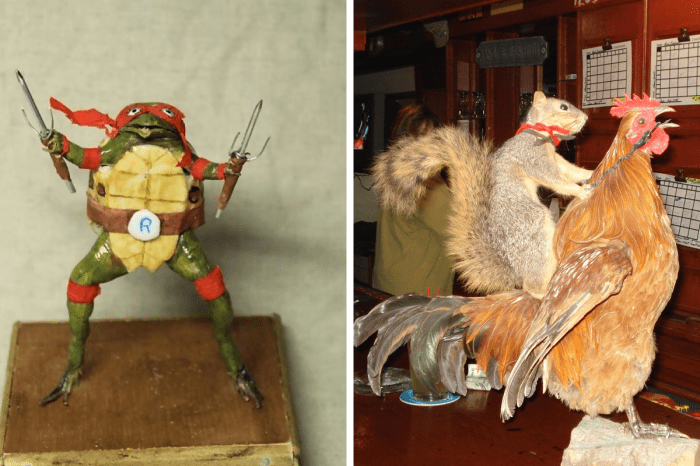
Taxidermy, once solely a method of preserving specimens for scientific study or hunting trophies, has undergone a significant transformation in recent decades. Its modern iterations challenge traditional perceptions, sparking ethical debates and inspiring innovative artistic expressions. This evolution necessitates a critical examination of its contemporary role and impact.
The practice of taxidermy raises several ethical concerns. Central to these is the welfare of animals. While many specimens are sourced from animals that have died naturally or through regulated hunting, concerns remain regarding the potential for unethical sourcing, including poaching and the exploitation of endangered species. Additionally, the conservation implications are significant. The demand for certain taxidermied animals can indirectly fuel illegal wildlife trade and contribute to population decline. Sustainable practices, ethical sourcing, and responsible disposal of materials are vital to mitigating these issues.
Ethical Concerns and Conservation Implications
The ethical implications of taxidermy are multifaceted. The inherent act of killing an animal for the purpose of display raises questions about animal rights and the value of animal life. Even when using animals that have died of natural causes, there are concerns about the potential for misrepresentation and the commodification of nature. Furthermore, the environmental impact of taxidermy materials, such as chemicals used in preservation, should not be underestimated. The responsible and sustainable procurement of materials, including the use of ethically sourced and naturally shed animal parts, is crucial to reducing the negative impact of this practice. This requires increased transparency in the supply chain and stricter regulations to prevent the exploitation of animals and the damage to natural ecosystems.
Contemporary Artists and Unconventional Uses of Taxidermy
Several contemporary artists have embraced taxidermy as a medium, challenging its traditional associations with hunting trophies and scientific specimens. Artists like Polly Morgan often incorporate taxidermied animals into their installations and sculptures, exploring themes of mortality, beauty, and the human relationship with the natural world. Her work often features meticulously prepared specimens, integrated into complex artistic arrangements that prompt reflection on the ethical implications of taxidermy and our interactions with the animal kingdom. Other artists utilize taxidermy in a more surreal or abstract manner, creating pieces that defy conventional expectations and provoke dialogue about the boundaries of art and nature. Their works push the boundaries of the medium, demonstrating its potential as a powerful tool for artistic expression and social commentary.
Environmental Impact of Taxidermy and Sustainable Alternatives
An infographic depicting the environmental impact of taxidermy and its sustainable alternatives would be highly beneficial in illustrating this discussion.
Infographic Description: The infographic would be divided into two main sections: “Traditional Taxidermy” and “Sustainable Alternatives”.
Traditional Taxidermy Section: This section would visually represent the environmental impact through a series of icons. For example, a large icon of a chemical bottle would symbolize the use of potentially harmful preservatives (like arsenic). A smaller icon of a felled tree could represent the sourcing of wood for mounts. A depiction of a polluted water source would illustrate the potential for runoff from tanning processes. A graphic depicting a depleting animal population would highlight the potential impact on biodiversity if unethical sourcing practices are involved.
Sustainable Alternatives Section: This section would showcase eco-friendly options. Icons representing biodegradable materials (e.g., recycled materials, sustainably harvested wood), natural preservatives (e.g., salt, borax), and the use of found objects or repurposed materials would be prominent. A graphic illustrating a thriving animal population would show the positive impact of ethical sourcing.
Overall Design: The infographic would use contrasting colors to clearly differentiate between the negative and positive impacts. A simple, easy-to-understand visual language would be used, with concise text labels accompanying each icon to avoid overwhelming the viewer. A clear title, “The Environmental Footprint of Taxidermy: Choices for a Sustainable Future,” would be prominently displayed.
Last Recap
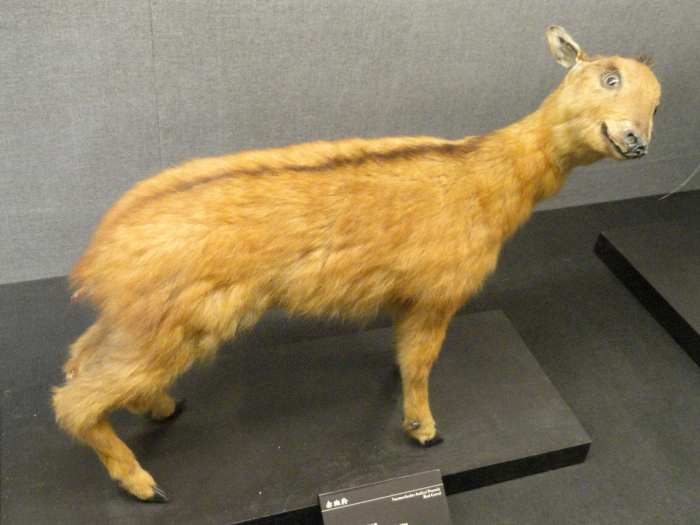
In conclusion, the cultural significance of taxidermy extends far beyond its practical applications. It serves as a powerful lens through which to examine humanity’s evolving relationship with the natural world, reflecting shifting attitudes towards animals, death, and the environment. From its early role in scientific exploration to its contemporary artistic expressions, taxidermy’s enduring presence highlights the intricate interplay between human culture and the natural world, prompting ongoing dialogue about ethics, aesthetics, and the preservation of biodiversity.