Taxidermy, the art of preserving animal specimens, transcends mere preservation; it’s a global practice interwoven with diverse cultural narratives. From ancient rituals to modern art installations, taxidermy reflects societal values, beliefs, and artistic expression. This exploration delves into eleven distinct cultural perspectives, revealing the surprising and often multifaceted roles taxidermy has played throughout history and continues to play today.
We will examine the historical evolution of taxidermy techniques across different regions, comparing traditional methods with modern innovations. We’ll also explore the symbolic meanings attributed to taxidermied animals, ranging from religious iconography to artistic statements. The ethical considerations surrounding the practice in the 21st century will also be addressed, considering sustainability and conservation efforts.
Historical and Cultural Significance of Taxidermy
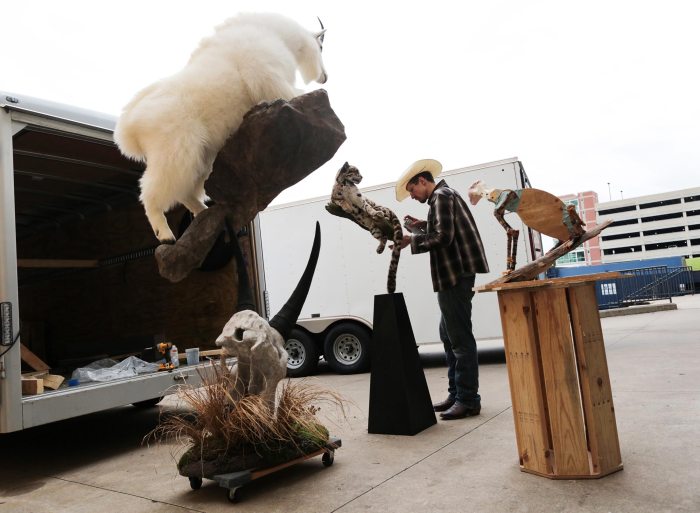
Taxidermy, the art of preserving animal skins and bodies, boasts a rich and complex history interwoven with diverse cultural practices across the globe. Its evolution reflects not only advancements in preservation techniques but also shifting societal values and beliefs regarding animals and the natural world. From early attempts at rudimentary preservation to the sophisticated methods employed today, taxidermy’s journey reveals fascinating insights into human interaction with the animal kingdom.
A Timeline of Taxidermy Practices
The earliest forms of animal preservation can be traced back to ancient civilizations. Evidence suggests that Egyptians, as early as 2000 BCE, employed techniques to mummify animals for religious purposes. These practices, while not strictly taxidermy as we understand it today, represent a foundational step in the preservation of animal remains. During the medieval period, techniques focused primarily on stuffing and posing, often resulting in crude representations of animals. The 18th and 19th centuries witnessed significant advancements, particularly in Europe, with the development of more refined methods involving arsenic and other chemicals to prevent decay. This period also saw the rise of taxidermy as a scientific pursuit, with natural history museums relying heavily on preserved specimens for research and display. The 20th and 21st centuries have been marked by continuous refinement of techniques, including the introduction of new materials and methods to achieve greater realism and longevity.
Comparative Analysis of Traditional Taxidermy Methods
Traditional taxidermy methods varied significantly across different regions, reflecting readily available materials and cultural preferences. In Europe, particularly during the Victorian era, a focus on realism and detailed anatomical accuracy was paramount. Taxidermists often used arsenic-based preservatives and meticulous stitching to recreate lifelike poses. In contrast, some Indigenous cultures in North America employed methods that emphasized spiritual and symbolic representation rather than strict anatomical accuracy. These practices might involve specific rituals and the use of natural materials such as herbs and oils. In parts of Asia, particularly in regions with strong traditions of craftsmanship, taxidermy often integrated seamlessly with other decorative arts, resulting in elaborate displays of preserved animals incorporated into furniture or other household items.
Symbolic Meaning of Taxidermied Animals
The symbolic meaning attributed to taxidermied animals varies dramatically across cultures. In some societies, they served as trophies, signifying hunting prowess or social status. In others, taxidermied animals held religious or spiritual significance, perhaps representing ancestral spirits or embodying specific deities. For example, certain Indigenous cultures incorporated taxidermied animals into ceremonial practices or used them as totems. In some Western contexts, taxidermy has been viewed as a means of memorializing beloved pets, transforming a symbol of loss into a cherished keepsake. The meaning, therefore, is not inherent in the practice itself but is profoundly shaped by cultural context and individual interpretation.
Historical Uses of Taxidermy Across Cultures
| Culture/Region | Scientific Study | Decoration | Ritualistic Practices |
|---|---|---|---|
| Ancient Egypt | Limited; Primarily religious | Some evidence of decorative use | Significant; mummification of sacred animals |
| Victorian Europe | Extensive; Museums, natural history collections | High; status symbol, home décor | Limited; some religious uses but mostly secular |
| Indigenous North America (various groups) | Limited; primarily for knowledge transfer | Variable; ceremonial, personal adornment | Significant; ceremonies, spiritual significance |
| East Asia (various regions) | Moderate; scientific collections emerging | High; decorative arts, household items | Variable; some religious/spiritual significance |
Taxidermy as Art and Craft
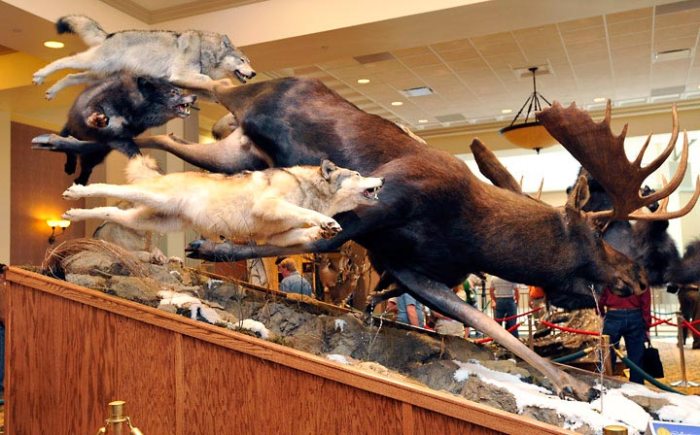
Taxidermy, far from being merely a preservation technique, has evolved into a sophisticated art form expressing diverse cultural aesthetics and technical prowess. The artistry of taxidermy is evident in the wide range of styles and techniques employed globally, reflecting the unique artistic sensibilities and available resources of different cultures. This section will explore the aesthetic and technical facets of taxidermy as a global art form.
The aesthetic variations in taxidermy are striking. Consider the stark realism often favored in Western taxidermy, aiming for a lifelike representation of the animal, contrasted with the more stylized and symbolic approaches found in some indigenous cultures. Posing, a crucial element of taxidermy’s artistic expression, varies considerably. Western taxidermy often strives for dynamic poses, capturing a moment of action or a characteristic behavior. In contrast, some traditional cultures might prefer more static, formal poses, emphasizing symbolic meaning over naturalistic accuracy. Display methods also reflect cultural differences; some cultures might integrate taxidermied animals into larger artistic installations or ceremonial objects, while others opt for more minimalist presentations in glass cases.
Global Styles and Techniques in Taxidermy
The global landscape of taxidermy boasts a rich tapestry of styles. European taxidermy, particularly in its historical forms, often prioritized realism and meticulous detail, focusing on accurate anatomical representation. This approach is evident in the works of early taxidermists who meticulously recreated the animal’s musculature and posture. In contrast, certain indigenous cultures have developed unique styles reflecting their spiritual and artistic traditions. For example, some North American indigenous taxidermy traditions incorporate symbolic elements and materials beyond mere preservation, creating pieces that serve as both artistic representations and spiritual objects. Japanese taxidermy often features delicate and artistic presentations, sometimes incorporating elements of nature and art to create more integrated displays. These diverse approaches highlight the adaptability and artistic potential of taxidermy as a medium.
Renowned Taxidermists and Schools of Taxidermy
Several taxidermists and schools have significantly influenced the development of taxidermy globally. While comprehensive lists are difficult to compile due to the decentralized nature of the craft, some examples include the prominent taxidermy workshops and schools established in Europe during the Victorian era, which helped to standardize techniques and spread knowledge. These institutions fostered a more scientific and artistic approach to taxidermy, resulting in increasingly lifelike and aesthetically pleasing specimens. Similarly, many individual artists have pushed the boundaries of the craft, creating highly innovative and artistically significant works. While pinpointing specific names and schools requires deeper research into specific regions and historical periods, it is important to acknowledge the contributions of numerous individuals who have advanced taxidermy as both a craft and an art form.
Key Technical Advancements in Taxidermy
Significant technical advancements have shaped the art of taxidermy. The introduction of new materials, such as synthetic foams and resins, has revolutionized the creation of forms for mounting animals, allowing for more lifelike poses and greater durability. Advances in tanning techniques have improved the preservation of animal hides, resulting in more realistic and long-lasting specimens. The development of specialized tools and equipment, including improved sculpting tools and airbrushing techniques, has allowed for finer detail and more realistic finishing. The incorporation of digital technology, such as 3D scanning and printing, offers new possibilities for creating accurate and detailed forms and for replicating rare or endangered species.
Diverse Materials Used in Taxidermy
The materials used in taxidermy vary significantly across cultures and time periods. The choice of materials often reflects both the available resources and the aesthetic goals of the taxidermist.
The following list details the diverse materials used:
- Traditional Materials: These include natural materials such as arsenic-based preservatives (now largely replaced due to toxicity), cotton, sawdust, wire, and various natural fibers for stuffing and armature construction. Animal hides and bones were, of course, fundamental.
- Modern Materials: Modern taxidermy increasingly utilizes synthetic materials such as polyurethane foams, epoxy resins, and various synthetic fibers. These materials offer improved durability, flexibility, and reduced toxicity compared to traditional materials. Advanced pigments and paints are used for realistic coloration.
- Culturally Specific Materials: Some cultures incorporate culturally significant materials into their taxidermy, such as beads, feathers, or other decorative elements. These additions often reflect spiritual or symbolic beliefs.
Modern Interpretations and the Future of Taxidermy
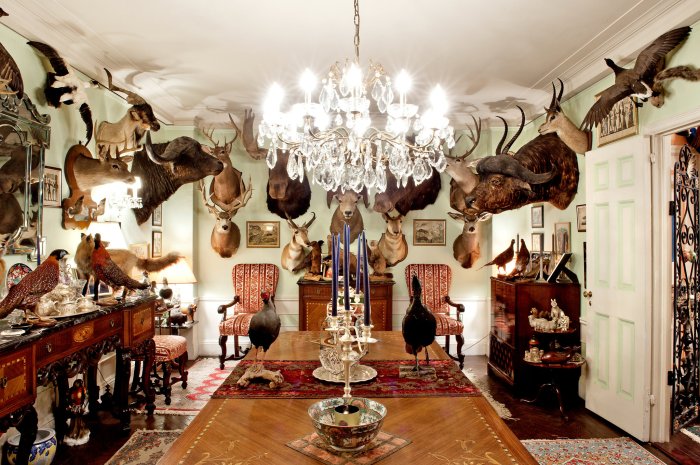
Taxidermy, once solely associated with hunting trophies and natural history museums, has undergone a significant transformation in recent decades. Its evolution reflects changing societal attitudes towards animals, the environment, and the very nature of art itself. This shift has led to a complex interplay between traditional techniques and contemporary artistic expressions, raising important ethical considerations and paving the way for innovative practices.
Taxidermy’s role in contemporary art movements is multifaceted. Artists are increasingly using taxidermied animals not merely as subjects, but as integral components of installations and sculptures that explore themes of mortality, conservation, and the human relationship with the natural world. The incorporation of taxidermy into these works challenges traditional notions of art and pushes boundaries, sparking both fascination and controversy. This integration has influenced other artistic disciplines, inspiring new approaches in sculpture, installation art, and even performance art, where taxidermied animals might be used to create powerful symbolic statements. For example, the work of artists like Duane Hanson, known for his hyperrealistic sculptures of everyday people, occasionally incorporates taxidermied animals to enhance the realism and unsettling nature of his pieces.
Ethical Considerations in Contemporary Taxidermy
The ethical considerations surrounding taxidermy in the 21st century are complex and demand careful attention. The source of the animal specimens is paramount. Sustainable practices, such as utilizing roadkill or animals that have died of natural causes, are increasingly advocated for, reducing the impact on wildlife populations. Many contemporary taxidermists prioritize ethical sourcing and transparency, working with wildlife rehabilitation centers or other organizations to acquire specimens responsibly. Furthermore, there’s a growing movement towards using alternative materials, like recycled plastics or resins, to create realistic representations of animals, reducing the need for actual animal specimens. This move aligns with the increasing awareness of conservation efforts and the need to protect endangered species.
The future of taxidermy hinges on responsible sourcing and transparency.
Global Perceptions and Cultural Shifts
Acceptance and perception of taxidermy vary significantly across different countries. In some cultures, taxidermy remains deeply rooted in hunting traditions and is viewed as a way to honor the animal and commemorate the hunt. In other cultures, particularly those with strong animal welfare concerns, the practice faces considerable criticism. These differing viewpoints reflect diverse cultural values and evolving societal norms regarding animal rights and environmental responsibility. For instance, while taxidermy may be more widely accepted in parts of North America and Europe (with varying degrees of acceptance, of course), it may face stronger opposition in countries with stricter regulations on wildlife and a stronger emphasis on animal welfare. This difference highlights the need for ongoing dialogue and the development of ethical guidelines for the practice.
Future Trends and Innovations in Taxidermy
Technological advancements are poised to revolutionize taxidermy in the coming years. 3D scanning and printing techniques offer the potential to create incredibly lifelike replicas of animals without the need for actual specimens. This opens up exciting possibilities for artistic expression and conservation, allowing artists to recreate extinct species or endangered animals without contributing to their decline. Moreover, advancements in materials science could lead to the development of more durable and realistic artificial skins and taxidermy mounts, further reducing reliance on real animal specimens. The integration of digital technologies with traditional techniques could also create hybrid forms of taxidermy, blending artistry with cutting-edge technology.
The convergence of traditional craftsmanship and digital technology will shape the future of taxidermy, fostering innovation and ethical considerations.
Ultimate Conclusion
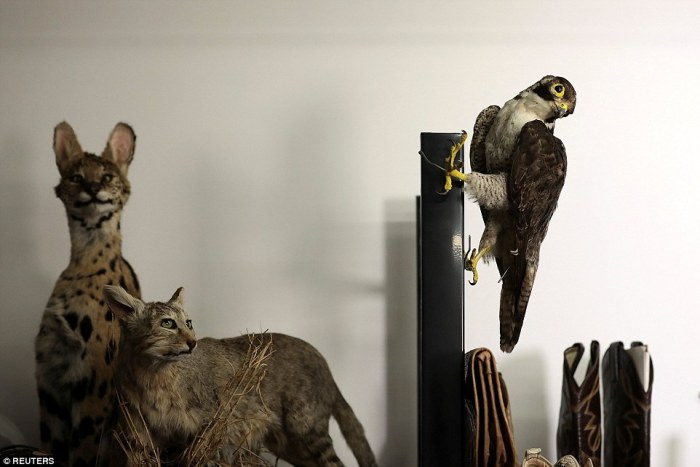
The journey through eleven cultural perspectives reveals taxidermy not simply as a craft, but as a powerful lens through which we can understand human interaction with the natural world. Its evolution mirrors shifting societal values and technological advancements, while its continued presence in contemporary art highlights its enduring appeal and capacity for artistic expression. Ultimately, the global story of taxidermy is one of adaptation, innovation, and the enduring fascination with the beauty and mystery of the animal kingdom.