Preserving a cherished hunting trophy or beloved pet through taxidermy is a deeply personal decision. However, the cost can vary significantly, leaving many curious about the factors influencing the final price. Understanding these variables allows for better budgeting and informed choices when selecting a taxidermist. This exploration delves into four key elements that determine the expense of professional taxidermy services.
From the size and intricacy of the animal to the taxidermist’s experience and geographic location, several elements contribute to the overall cost. The quality of materials employed and the specific services included also play crucial roles. This guide provides clarity on these factors, enabling potential clients to make well-informed decisions and manage their expectations regarding the financial commitment involved in preserving their prized specimens.
Animal Size and Complexity
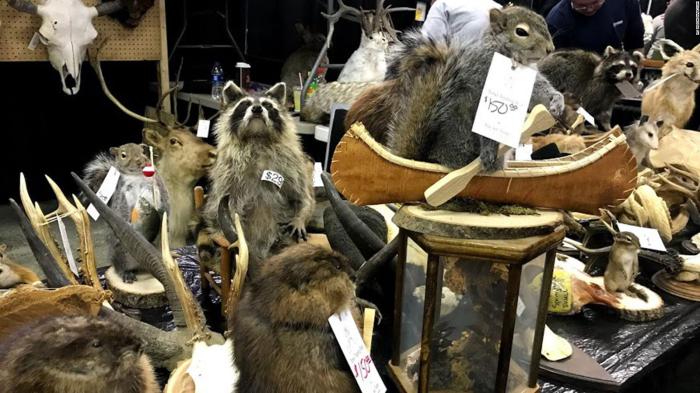
The cost of taxidermy is significantly influenced by the size and complexity of the animal. Larger animals naturally require more time, materials, and expertise, leading to higher prices. Similarly, animals with intricate features or requiring specialized techniques will also command a higher fee. Understanding these factors is key to realistic budgeting for your taxidermy project.
Animal size directly impacts the amount of work involved. A small bird, for example, will require far less time and materials than a large deer or elk. The sheer size of a large mammal necessitates more tanning solution, more mounting materials, and a larger workspace. This increased resource consumption translates directly into higher costs. Consider the difference between taxidermy for a squirrel (which might cost a few hundred dollars) and a large moose (which could easily cost several thousand dollars). The difference isn’t simply linear; the complexity often increases disproportionately with size.
Intricate Taxidermy Work
Animals with complex features, such as birds of prey with their detailed plumage and sharp talons, or large mammals with intricate facial features and musculature, require significantly more skill and precision. The taxidermist needs to meticulously recreate the natural pose and details, demanding a higher level of expertise and, consequently, a higher price. For instance, accurately positioning and preserving the delicate feathers of a hawk is considerably more challenging and time-consuming than mounting a simpler animal like a rabbit. Similarly, capturing the detailed musculature of a lion’s face demands a much higher level of skill than that needed for a less detailed animal. These complexities translate into a higher labor cost, impacting the final price.
Basic Mount Versus Elaborate Presentation
The level of detail and presentation also significantly impacts cost. A basic shoulder mount of a deer, for example, will cost less than a full-body mount in a meticulously crafted habitat diorama. The diorama involves constructing a realistic background, adding vegetation, and potentially incorporating other elements to create a lifelike scene. This added artistic and construction work significantly increases the overall cost. A basic mount simply focuses on the accurate representation of the animal itself, whereas an elaborate pose or habitat diorama requires considerable additional time, artistry, and materials.
| Animal Size | Animal Type | Complexity Level | Price Range |
|---|---|---|---|
| Small (under 10 lbs) | Squirrel, Rabbit, Bird | Basic Mount | $150 – $500 |
| Medium (10-50 lbs) | Fox, Bobcat, Deer (fawn) | Basic Mount | $300 – $1000 |
| Large (over 50 lbs) | Deer, Bear, Elk | Basic Mount | $800 – $3000+ |
| Small (under 10 lbs) | Bird of Prey | Detailed Mount | $500 – $1500 |
| Large (over 50 lbs) | Lion, Bear | Detailed Mount/Diorama | $2000 – $10000+ |
Taxidermist Experience and Location
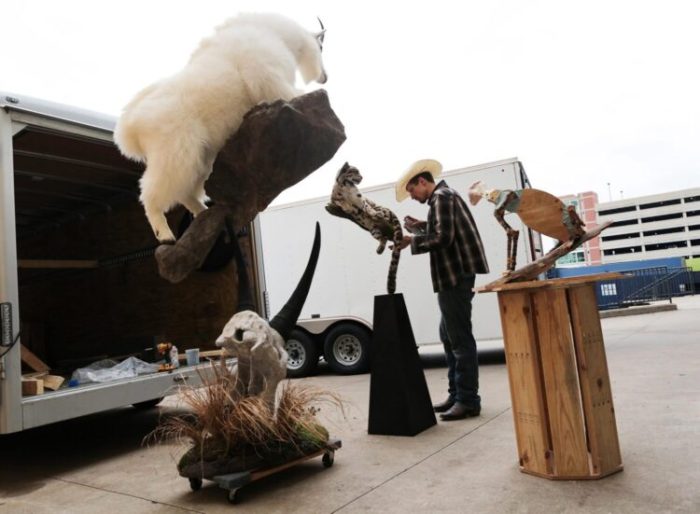
The cost of taxidermy is significantly influenced by both the taxidermist’s experience and their geographic location. These factors often interact, creating a complex pricing landscape that can vary considerably from one project to another. Understanding these influences can help clients make informed decisions and manage their expectations regarding the final cost.
Experienced taxidermists generally command higher prices than those with less experience. This is due to a number of factors, including their skill level, reputation, and the time and effort required to complete a project to a high standard. A novice may struggle with intricate details, leading to longer processing times and potentially a less aesthetically pleasing result. In contrast, an expert can often complete the work more efficiently and with greater precision, justifying a higher fee.
Taxidermist Experience and Pricing
A taxidermist’s reputation and awards directly impact their pricing. A highly sought-after taxidermist with a long waiting list and numerous awards might charge significantly more than someone just starting out. This is a reflection of the demand for their services and the perceived value of their work. Awards from prestigious taxidermy competitions demonstrate a commitment to excellence and mastery of the craft, and clients are often willing to pay a premium for this level of expertise. For example, a taxidermist who has won multiple awards at the World Taxidermy Championships will likely charge more than someone without such accolades, reflecting the higher quality and demand for their work. This is similar to other skilled trades where experience and recognition translate directly into higher prices.
Geographic Location and Pricing
Geographic location plays a crucial role in determining taxidermy costs. Several factors contribute to regional price variations. The cost of living in a particular area directly impacts the taxidermist’s expenses and therefore their pricing. Areas with high costs of living, such as major metropolitan areas, tend to have higher taxidermy prices to compensate for increased overhead costs, including rent, utilities, and supplies. Conversely, taxidermists in rural areas may have lower overhead costs, allowing them to offer more competitive pricing.
Rural vs. Urban Taxidermy Pricing
The difference in pricing between rural and urban taxidermists is often substantial. The following factors contribute to these regional pricing differences:
- Cost of Living: Urban areas generally have higher costs of living, leading to higher operating expenses for taxidermists.
- Demand: High demand in urban areas can drive prices upward, as taxidermists can command premium rates.
- Competition: The level of competition in a given area influences pricing. High competition may lead to lower prices, while a lack of competition can result in higher prices.
- Supply Costs: The cost of materials and supplies, including tanning solutions and other specialized items, can vary regionally, affecting the overall price.
- Labor Costs: Minimum wage and prevailing wages for skilled labor can differ significantly between urban and rural areas, impacting the taxidermist’s pricing structure.
Services Included and Materials Used
The cost of taxidermy isn’t solely determined by the animal’s size and the taxidermist’s skill. A significant portion of the price reflects the specific services rendered and the quality of materials employed. Understanding these components allows for a more informed assessment of overall costs. Different taxidermists offer varying service packages, and material choices can significantly impact the final product’s appearance and longevity.
The range of services offered by taxidermists is extensive, influencing the final price considerably. The initial steps, such as skinning and tanning, are fundamental, while more elaborate processes like mounting, posing, and eye replacement add to the overall cost. The quality of materials used—from the tanning solutions and mounting forms to the artificial eyes and paints—also plays a crucial role in determining the final price. High-end materials often result in a more lifelike and durable final product, but come with a higher price tag.
Service Breakdown and Material Costs
The table below provides a breakdown of common taxidermy services and materials, along with their estimated price ranges. These are averages and can vary depending on location, animal species, and the taxidermist’s pricing structure. For instance, a complex pose for a large animal will cost significantly more than a simple pose for a smaller one. Similarly, the use of high-quality, imported tanning solutions will increase the cost compared to standard domestic options.
| Service | Description | Material Type | Price Range |
|---|---|---|---|
| Skinning | Careful removal of the animal’s hide, preserving its integrity. | Specialized tools (scalpels, fleshing knives) | $50 – $200 |
| Tanning | Processing the hide to prevent decay and maintain flexibility. | Tanning solutions (chemicals), oils, conditioners | $100 – $500 |
| Mounting | Attaching the tanned hide to a manikin form. | Manikin forms (foam, wood, etc.), mounting pins, adhesives | $150 – $800 |
| Posing | Arranging the animal in a natural or desired pose. | Wire armatures, support materials | $50 – $300 |
| Eye Replacement | Replacing the natural eyes with artificial ones. | Glass or plastic eyes | $20 – $50 per eye |
| Painting/Finishing | Restoring or enhancing the animal’s coloration. | High-quality acrylic paints, airbrushes | $50 – $250 |
Last Point

Ultimately, the cost of taxidermy is a multifaceted calculation. While the size and complexity of the animal form a foundational element, the taxidermist’s skill and location significantly impact the price. The inclusion of additional services and the quality of materials used further refine the final cost. By understanding these four key factors – animal characteristics, taxidermist expertise, service inclusions, and materials – prospective clients can approach the process with realistic expectations and make informed choices that align with their budget and desired outcome. Careful consideration of these variables ensures a satisfactory experience and a lasting tribute to the preserved animal.