The art of taxidermy restoration is a delicate balance between scientific precision and artistic skill. This intricate process involves not only repairing physical damage but also preserving the historical and aesthetic value of specimens. From assessing the extent of damage to employing specialized tools and techniques, restoring a damaged taxidermy piece requires a deep understanding of materials, anatomy, and preservation methods. This exploration delves into ten crucial skills necessary for the successful restoration of damaged specimens, transforming damaged artifacts into testaments to meticulous craftsmanship.
This guide provides a comprehensive overview of the tools, techniques, and ethical considerations involved in restoring damaged taxidermy specimens. We will cover everything from assessing the damage and selecting the appropriate materials to employing advanced techniques for complex repairs, ensuring the preservation of the specimen’s original integrity. The detailed steps and illustrations will help both novice and experienced taxidermists enhance their skills and achieve exceptional results.
Essential Taxidermy Tools and Materials for Restoration
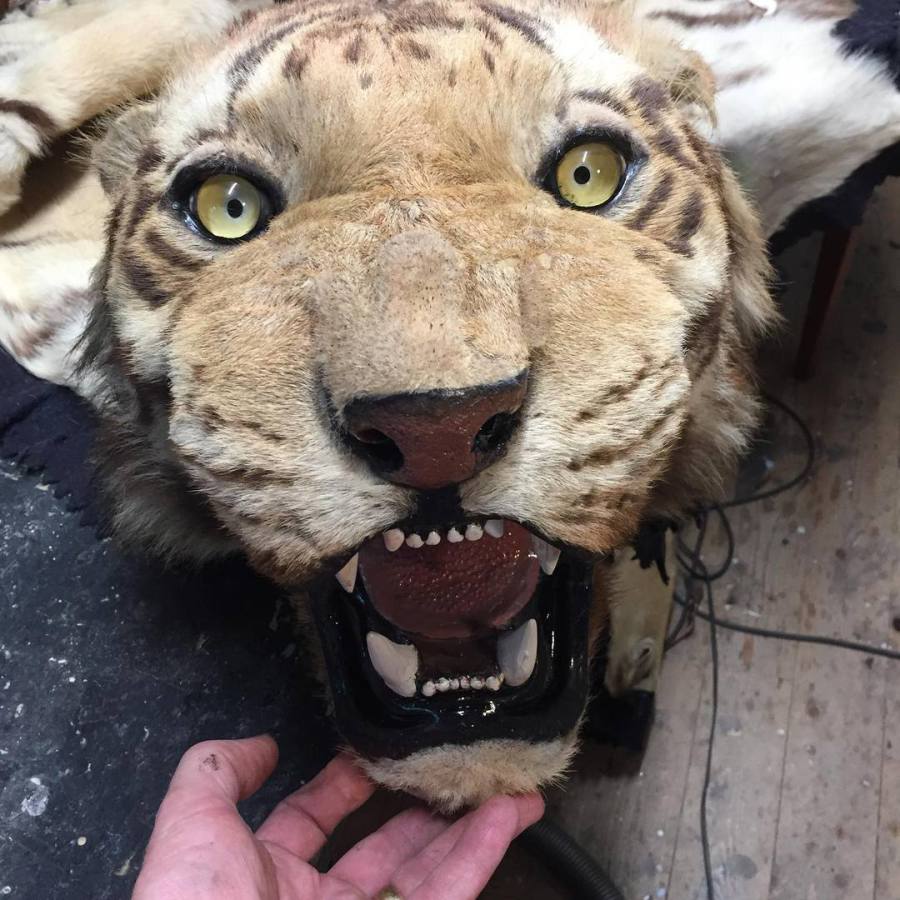
Successful taxidermy restoration hinges on possessing the right tools and materials. The quality of your materials directly impacts the final result, influencing both the aesthetic appeal and the longevity of the restored specimen. Careful selection and proper application are key to achieving a professional finish.
Essential Taxidermy Tools for Restoration
A range of specialized tools facilitates precise and effective repairs. These tools allow for meticulous work, minimizing damage to the original specimen and ensuring a natural-looking restoration. Improper tools can lead to further damage, highlighting the importance of investing in quality equipment. The tools listed below represent a core set for most restoration projects.
Essential tools include: Scalpels and various blades for precise cutting and cleaning; forceps and tweezers for delicate manipulation of fur and feathers; various sized needles for stitching and repairs; a selection of brushes (detail brushes, stiff brushes, etc.) for cleaning and applying materials; scissors for trimming and cutting; dental picks for cleaning crevices and reaching small areas; and a variety of clamps and holding devices to secure pieces during repair.
Essential Taxidermy Materials for Restoration
The choice of materials is crucial for a successful restoration. The materials must be compatible with the specimen’s existing components, durable enough to withstand time and handling, and ideally, undetectable after application. Several types of adhesives, fillers, paints, and preservatives are essential.
Adhesive Types and Suitability
Selecting the right adhesive is paramount for successful restoration. Different adhesives possess varying strengths, flexibilities, and compatibilities with different materials. The table below provides a comparison of several common adhesive types.
| Adhesive Type | Suitable for | Advantages | Disadvantages |
|---|---|---|---|
| Epoxy Resin | Bone, Leather, Hard Plastics | Strong bond, durable, gap-filling | Rigid, can be difficult to work with, visible if not carefully applied |
| Cyanoacrylate (Super Glue) | Small repairs on fur, leather, bone | Fast setting, strong bond | Brittle, can yellow over time, difficult to control application |
| Hide Glue | Leather, fur (with caution) | Flexible, reversible (with water), traditional method | Requires precise temperature control, can be brittle if not applied correctly |
| Acrylic Adhesive | Fur, fabric, some plastics | Flexible, clear, easy to work with | Not as strong as epoxy or super glue |
Sourcing High-Quality Materials
Sourcing high-quality materials is critical for achieving optimal results. Look for reputable suppliers specializing in taxidermy supplies. Research different brands and read reviews to determine which products consistently deliver the quality and performance you need. Avoid purchasing cheap materials; the cost savings are often offset by inferior performance and potential damage to the specimen. Investing in premium materials ensures the longevity and aesthetic quality of your restoration work.
Damage Assessment and Repair Techniques

Careful assessment of damage is paramount before commencing any restoration work on a taxidermic specimen. A thorough evaluation allows for the development of a targeted repair strategy, maximizing the chances of a successful and ethical restoration. Failing to properly assess damage can lead to further deterioration or irreversible harm to the specimen.
Accurate assessment involves a systematic examination of the entire specimen, noting the type, extent, and location of any damage. This process guides the selection of appropriate repair techniques and materials, ensuring the integrity of the piece is preserved as much as possible. Ethical considerations demand that any intervention be minimal and reversible if future technology allows for superior methods.
Damage Categorization and Identification
Damage to taxidermy specimens can manifest in various forms. Accurate categorization is crucial for selecting the appropriate repair technique. Common types of damage include tears in the skin, cracks in the form, discoloration due to fading or staining, and loss of fur or feathers. Assessing the severity of the damage—whether superficial or deep, localized or widespread—further refines the restoration plan. For instance, a small tear might require simple adhesive repair, while extensive damage may necessitate more complex techniques like patching or reconstruction. The age and material of the specimen also factor into the assessment. An older, more fragile piece may require gentler techniques than a newer, more robust one.
Repair Techniques for Common Damage Types
The choice of repair technique depends heavily on the type and extent of the damage. The goal is always to achieve a seamless, invisible repair that preserves the specimen’s original integrity as much as possible.
Several methods exist for addressing common damage types:
- Tears in the Skin: Small tears can often be repaired using a high-quality, flexible adhesive specifically designed for taxidermy. Careful alignment of the edges is crucial for a seamless mend. Larger tears may require patching with a similar material to the original skin, carefully blended to match the surrounding area. This might involve using a small piece of leather or carefully prepared skin from another source.
- Cracks in the Form: Cracks in the underlying form (typically mannikin or armature) can be stabilized using wood glue or epoxy resin, carefully applied to avoid excess buildup that could distort the form. Once cured, any resulting imperfections can be smoothed and filled with appropriate materials, such as sculpting epoxy, before refinishing.
- Discoloration: Discoloration can be addressed through careful cleaning and the application of specialized taxidermy dyes or paints. These products are formulated to match the original coloration and are applied in thin, even coats to avoid an unnatural appearance. The process often involves multiple thin coats to achieve a natural-looking finish.
- Loss of Fur or Feathers: Replacing missing fur or feathers is a complex task requiring significant skill and often involves sourcing replacement materials that closely match the original in color and texture. Careful application is essential to ensure a natural-looking result. In some cases, it might be better to leave minor gaps rather than attempting a repair that looks artificial.
Preserving Original Integrity and Ethical Considerations
Throughout the restoration process, the utmost priority should be given to preserving the original integrity of the specimen. Any intervention should be minimally invasive, reversible if possible, and aim to maintain the specimen’s historical and scientific value. Ethical considerations extend to the sourcing of any replacement materials and the overall approach to the restoration. Avoidance of over-restoration is crucial; a repaired specimen should look restored, not “new”. Documentation of all repairs, including materials used and techniques employed, is essential for maintaining transparency and allowing for future evaluation. Any alterations should be clearly identifiable and documented to avoid misrepresentation of the specimen’s original condition.
Advanced Techniques in Taxidermy Restoration
Restoring severely damaged taxidermy specimens requires a higher level of skill and precision than basic repairs. This section delves into advanced techniques used to address complex issues such as significant tears, missing body parts, and severe discoloration, focusing on methods that prioritize both aesthetic appeal and the structural integrity of the specimen. We will explore various reconstruction methods and detail a comprehensive workflow for a severely damaged bird.
Reconstructing Missing Parts
The reconstruction of missing parts is a crucial aspect of advanced taxidermy restoration. The choice of method depends heavily on the extent of the damage, the type of specimen, and the desired level of realism. Several techniques exist, each with its own advantages and disadvantages. For instance, sculpting with epoxy putty allows for intricate detail and a seamless blend with existing material. However, it requires considerable skill and attention to detail to achieve a natural appearance and ensure proper curing. Alternatively, using replacement parts from a similar specimen (if ethically sourced and legally permissible) provides a quick and often effective solution, but matching color, texture, and feather patterns can be challenging. Finally, the use of specialized casting materials offers the possibility of creating exact replicas of missing parts, though this method often requires more specialized equipment and expertise. The ultimate goal is to create a restoration that is both structurally sound and aesthetically pleasing, minimizing the visual impact of the repair.
Restoring a Severely Damaged Bird Specimen: A Workflow
This workflow details the restoration of a severely damaged bird specimen, focusing on a hypothetical example of a small songbird with significant feather loss, a broken wing, and discoloration.
- Assessment and Planning: The initial step involves a thorough examination of the damage, noting the extent of feather loss, bone fractures, and discoloration. Photographs are crucial for documenting the initial condition and tracking progress. The visual appearance at this stage might show significant feather loss, exposing bare skin or bone, a visibly broken wing hanging at an unnatural angle, and patchy discoloration, perhaps darker in some areas due to degradation or staining.
- Cleaning and Stabilization: The specimen is carefully cleaned using appropriate solvents to remove dirt and debris. The broken wing is stabilized using a combination of adhesives and internal supports (e.g., thin wires or splints). At this point, the bird’s visual appearance is still quite damaged, with exposed areas and the disjointed wing clearly visible. The colors may appear duller due to cleaning.
- Feather Replacement: Missing feathers are meticulously replaced using feathers from a similar species (ethically sourced). The color and texture of the replacement feathers are carefully matched to the existing plumage. This step significantly improves the bird’s visual appearance, although subtle differences in color and texture may still be noticeable. The replaced feathers may look slightly less vibrant than the original feathers.
- Sculpting and Refinement: Any remaining gaps or imperfections are filled using a high-quality epoxy putty. The putty is carefully sculpted and blended to match the surrounding feathers and skin. The color is carefully matched using specialized pigments. This stage aims to restore the bird’s natural form and contours, resulting in a more cohesive and natural-looking specimen. The texture of the repaired areas is smoothed to blend seamlessly with the surrounding feathers and skin.
- Finishing and Refinement: Once the epoxy putty is fully cured, the entire specimen is carefully cleaned and polished. A final coat of sealant is applied to protect the restoration and enhance the colors. The final visual appearance should be a restored bird that looks remarkably similar to its undamaged state, with the repairs being nearly invisible to the untrained eye. The colors will be vibrant and the textures will appear natural and consistent across the whole specimen.
Final Wrap-Up
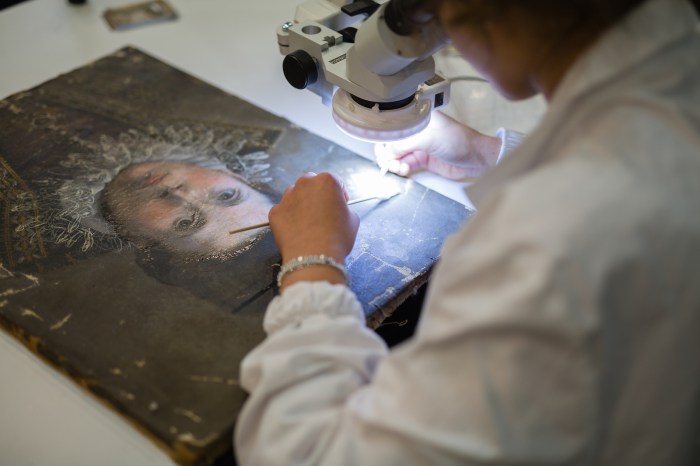
Mastering the art of taxidermy restoration requires dedication, patience, and a keen eye for detail. By understanding the essential tools, employing appropriate repair techniques, and adhering to ethical considerations, taxidermists can breathe new life into damaged specimens, preserving their beauty and historical significance for generations to come. This guide has equipped you with the foundational knowledge and advanced techniques to approach restoration with confidence, allowing you to contribute to the preservation of natural history collections and cherished personal artifacts. The journey of restoration is a testament to the enduring power of preservation and the beauty of meticulous craftsmanship.