Taxidermy, a craft steeped in artistry and preservation, often overlooks the crucial business aspects necessary for success. This exploration delves into the practical strategies needed to build a thriving taxidermy business, from understanding your target market and building a strong online presence to implementing effective marketing and sales techniques. We’ll examine how to craft a compelling brand, utilize digital platforms effectively, and navigate the ethical considerations inherent in this unique industry.
The following guide offers a comprehensive roadmap for taxidermists seeking to not only showcase their skills but also cultivate a sustainable and profitable enterprise. We’ll cover everything from defining your ideal client and crafting targeted marketing campaigns to establishing competitive pricing and providing exceptional customer service. Ultimately, the goal is to help you transform your passion into a flourishing business.
Understanding Your Target Market
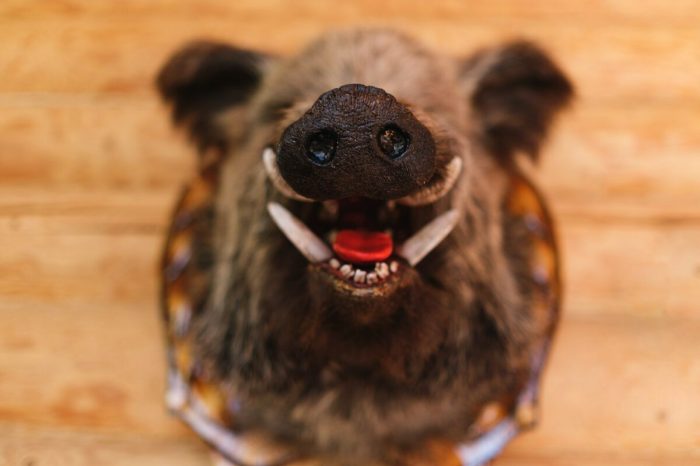
Successfully marketing taxidermy services hinges on a deep understanding of your clientele. Knowing who your ideal customer is, what motivates them, and how to reach them effectively is crucial for business growth. This section will delve into defining your target market, identifying distinct segments, and tailoring marketing strategies to different client profiles.
Customer Persona: The Typical Taxidermy Client
A typical taxidermy client can be envisioned as “John,” a 45-year-old male, employed in a professional field with a disposable income above the national average. John enjoys outdoor activities like hunting and fishing. He values quality craftsmanship and the preservation of memories associated with his hunting trophies. He is likely to be environmentally conscious and may prefer sustainable taxidermy practices. John is tech-savvy, using social media and online search engines to find services. His motivations include preserving a cherished hunting memory, showcasing a prized catch, or creating a lasting heirloom for his family. He is willing to invest in high-quality work, but expects transparency in pricing and timelines.
Market Segmentation in the Taxidermy Industry
The taxidermy market can be broadly segmented into three distinct groups: high-end clients, budget-conscious clients, and commercial clients.
High-end clients prioritize quality and artistry above all else. They are willing to pay a premium for exceptional craftsmanship, unique mounting styles, and personalized services. Budget-conscious clients seek affordable options without compromising on basic quality. They are primarily focused on preserving their trophies at a reasonable cost. Commercial clients represent businesses such as museums, zoos, or educational institutions that require large-scale taxidermy services for exhibitions or research. Their needs include bulk pricing, specialized skills (e.g., skeletal preparation), and adherence to strict regulations.
Marketing Strategies: High-End vs. Budget-Conscious Clients
Marketing strategies must be tailored to each segment. High-end clients respond well to sophisticated marketing materials, emphasizing the artistry and exclusivity of the services. This could involve high-quality photography, showcasing exceptional work in a gallery setting, and networking within exclusive hunting and fishing communities. Budget-conscious clients are more likely to respond to targeted online advertising, clear pricing structures, and promotional offers. Utilizing cost-effective marketing channels like local classifieds, community forums, and social media ads will reach this segment efficiently.
Animal Types and Corresponding Target Customer Groups
| Animal Type | Target Customer | Pricing Strategy | Marketing Channels |
|---|---|---|---|
| Large Game (Deer, Elk, Bear) | High-end hunters, trophy collectors | Premium pricing, reflecting quality materials and craftsmanship | Hunting magazines, specialized online forums, word-of-mouth referrals |
| Small Game (Squirrels, Rabbits) | Budget-conscious hunters, beginners | Competitive pricing, focusing on value | Online classifieds, local hunting clubs, social media ads |
| Birds (Ducks, Pheasants) | Hunters, bird enthusiasts, collectors | Moderate pricing, varying by species and complexity | Birdwatching groups, online bird forums, sporting goods stores |
| Fish (Trout, Salmon) | Anglers, collectors | Pricing varies by size and species | Fishing magazines, online fishing communities, tackle shops |
Building a Strong Brand and Online Presence
Establishing a strong brand and a compelling online presence is crucial for any taxidermy business to thrive in today’s competitive market. A well-defined brand identity, coupled with a strategic online marketing approach, can significantly attract clients, build trust, and ultimately drive sales. This section will explore key strategies to build a memorable brand and effectively utilize online platforms to reach your target audience.
A successful taxidermy business requires more than just skillful craftsmanship; it needs a distinct brand identity that resonates with potential clients. This involves crafting a unique logo, defining a consistent brand voice, and establishing a clear brand personality. Consider the overall aesthetic you want to project: rustic and traditional, modern and minimalist, or perhaps something eclectic and artistic. This will inform all aspects of your branding, from your logo design to the tone of your communications.
Developing a Unique Brand Identity
A strong logo should be memorable, visually appealing, and reflective of your brand’s personality. For example, a logo featuring stylized antlers might suit a business specializing in deer mounts, while a more abstract design could appeal to a broader clientele. Your brand voice should be consistent across all platforms – professional yet approachable, artistic yet informative, depending on your target market. Consider creating brand guidelines that dictate the use of specific fonts, colors, and imagery to ensure visual consistency.
Effective Social Media Strategies for Taxidermy
Social media platforms offer invaluable opportunities to showcase your work, engage with potential clients, and build a community around your brand. Instagram, with its visual focus, is particularly well-suited for taxidermy. High-quality images and videos of your finished pieces, showcasing the detail and artistry involved, are essential. Use relevant hashtags to increase visibility and engage with other taxidermists and potential clients. Facebook can be used to share longer-form content, such as behind-the-scenes glimpses into your process, client testimonials, and announcements of new work. Consider running targeted Facebook ads to reach specific demographics interested in taxidermy or hunting.
Comparing Online Platforms for Taxidermy Businesses
Each platform offers unique benefits and drawbacks. Instagram excels at visual storytelling but lacks the space for in-depth explanations. Facebook allows for broader reach and community building but requires more consistent engagement. A dedicated website provides complete control over branding and messaging, allowing for a more comprehensive presentation of your services and portfolio. However, a website requires investment in design and maintenance. A multi-platform approach, leveraging the strengths of each platform, is often the most effective strategy. For example, your website can serve as a central hub with links to your social media profiles, driving traffic and building a cohesive online presence.
Website Layout and Content Strategy for Taxidermy
Your website should be visually stunning, showcasing the artistry and craftsmanship of your work through high-quality photography and videography. The layout should be clean, easy to navigate, and mobile-friendly. Include detailed descriptions of your services, pricing information, and client testimonials. A blog section can showcase your process, share tips and advice, and build your expertise. Compelling calls to action, such as “Get a Free Quote” or “View Our Portfolio,” should be strategically placed throughout the website to encourage conversions. For example, a prominent “Contact Us” button with a clear contact form makes it easy for potential clients to reach you.
Effective Marketing and Sales Techniques
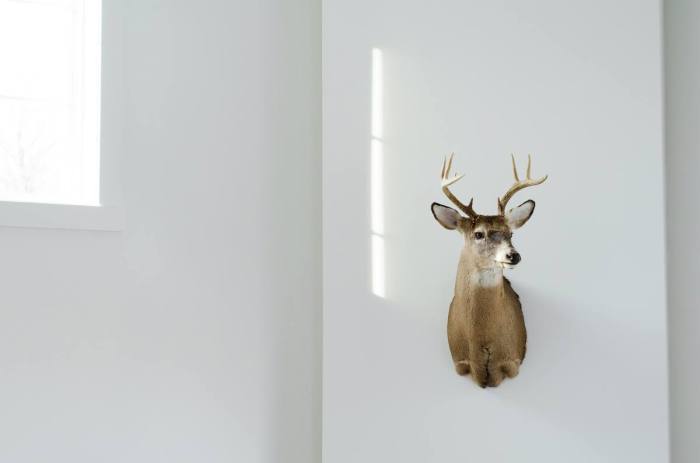
Successfully marketing and selling taxidermy services requires a multi-pronged approach that combines targeted advertising, ethical practices, and a well-defined sales process. This section Artikels key strategies to build a thriving taxidermy business.
Effective marketing and sales are crucial for any taxidermy business, regardless of size or location. A well-structured plan will attract new clients, build loyalty, and ensure profitability. This involves understanding your target audience, creating compelling marketing materials, and providing excellent customer service throughout the entire process.
Targeted Email Marketing Campaign
A targeted email marketing campaign can effectively reach potential clients interested in taxidermy services. This involves building an email list through website sign-ups, in-person interactions at events, and partnerships with hunting guides or outdoor retailers. The campaign should segment the list based on client interests (e.g., bird taxidermy, big game taxidermy) to deliver highly relevant content.
- Phase 1: List Building: Gather email addresses through various methods, ensuring compliance with privacy regulations (e.g., GDPR, CCPA).
- Phase 2: Segmentation: Divide your email list into segments based on species preference, location, and hunting style. This allows for personalized messaging.
- Phase 3: Content Creation: Craft compelling email content featuring high-quality images of your work, testimonials, and special offers. Focus on the benefits of choosing your services (e.g., preserving memories, artistic skill).
- Phase 4: Email Delivery and Tracking: Utilize an email marketing platform to schedule and send emails, track open rates, click-through rates, and conversions. A/B testing different subject lines and content is crucial for optimization.
- Phase 5: Follow-up and Nurturing: Send follow-up emails to those who haven’t converted, offering additional information or incentives. Regular newsletters showcasing new work and upcoming events maintain engagement.
Ethical Considerations and Best Practices for Advertising Taxidermy Services
Ethical advertising is paramount in the taxidermy industry. It’s crucial to accurately represent your skills and services, avoiding misleading claims or exaggerated promises. Transparency about pricing, turnaround times, and any limitations is essential to build trust with potential clients. Using images of your own work, rather than stock photos, demonstrates your capabilities. Advertising should adhere to all relevant regulations and avoid exploiting or misrepresenting animals.
Pricing Models for Taxidermy Services
Several pricing models exist for taxidermy services, each with its advantages and disadvantages. Choosing the right model depends on your business goals, target market, and the complexity of your services.
| Pricing Model | Description | Advantages | Disadvantages |
|---|---|---|---|
| Per-Animal | A fixed price per animal, based on species and size. | Simple, easy to understand. | Can be difficult to price complex jobs accurately. |
| Hourly Rate | Charging by the hour for services rendered. | Flexible for complex projects. | Can be difficult to estimate final cost for clients. |
| Package Deals | Offering bundled services at a discounted price. | Attractive to clients, increases average order value. | Requires careful planning and pricing to ensure profitability. |
Step-by-Step Guide for the Sales Process
A well-defined sales process ensures smooth client interaction and minimizes misunderstandings. Each step is crucial for a positive client experience and repeat business.
- Initial Client Contact: Respond promptly to inquiries, providing clear and concise information about your services.
- Consultation: Discuss the client’s needs, preferences, and expectations in detail. Provide advice and guidance on realistic outcomes.
- Preparation and Pickup/Delivery: Clearly Artikel the preparation requirements for the animal, including proper skinning and freezing. Arrange for pickup or delivery, depending on your services.
- Taxidermy Process: Keep the client updated on the progress of the taxidermy work, providing photos or videos if appropriate.
- Final Delivery and Inspection: Ensure the final product meets the client’s expectations. Address any concerns promptly and professionally.
- Payment and Aftercare: Clearly Artikel payment terms and provide aftercare instructions to ensure the longevity of the mounted specimen.
Final Thoughts
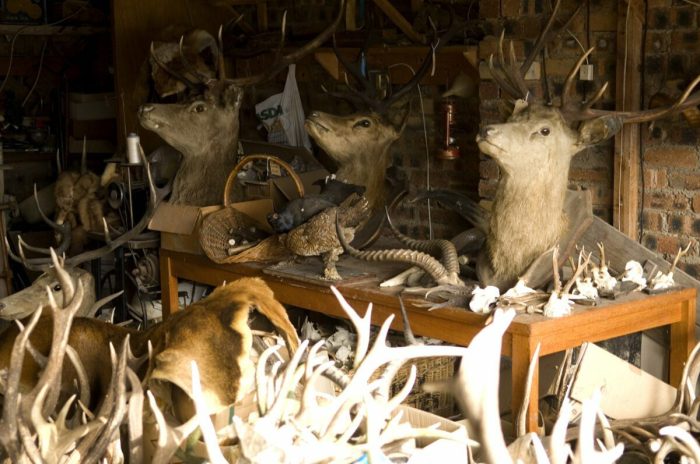
Building a successful taxidermy business requires a blend of artistic talent and shrewd business acumen. By understanding your target market, establishing a strong online presence, and implementing effective marketing and sales strategies, you can cultivate a thriving enterprise. Remember that ethical considerations, exceptional customer service, and a well-defined brand identity are crucial for long-term success in this specialized field. Embrace the challenge, hone your skills, and watch your taxidermy business flourish.