Taxidermy, once a traditional practice, is undergoing a remarkable transformation. Driven by technological advancements, evolving artistic sensibilities, and a growing awareness of environmental responsibility, the field is experiencing a renaissance. This exploration delves into seven key trends shaping the future of taxidermy, from sustainable practices to the integration of artificial intelligence.
We’ll examine how innovative materials and techniques are minimizing the environmental impact, while also exploring the exciting possibilities offered by 3D printing, AI, and virtual reality. Furthermore, we will uncover the creative resurgence of taxidermy as an art form, its role in conservation, and its increasing presence in contemporary home decor.
Sustainable Taxidermy Practices

The traditional methods of taxidermy, while preserving specimens for scientific study and aesthetic appreciation, have historically relied on processes with significant environmental consequences. These practices raise concerns regarding the sustainability of the craft, prompting the exploration of more environmentally conscious alternatives.
Traditional taxidermy often involves the use of harsh chemicals, such as arsenic-based preservatives and chrome-tanned leathers, which can pollute waterways and soil. Furthermore, the sourcing of materials, particularly exotic animal skins, can contribute to the illegal wildlife trade and habitat destruction. The energy consumption associated with traditional processes, including transportation and the use of energy-intensive equipment, also adds to the overall environmental impact.
Environmental Impact of Traditional Taxidermy Methods
Traditional taxidermy methods present several environmental challenges. The use of formaldehyde and other aldehydes in preservation poses risks to both the environment and the taxidermist’s health. These chemicals can leach into the soil and water, contaminating ecosystems and harming wildlife. Furthermore, the tanning process for hides often involves chromium salts, known for their toxicity and persistence in the environment. The sourcing of materials, especially exotic animal parts, can drive unsustainable hunting practices and contribute to biodiversity loss. Finally, the energy consumption associated with transportation, equipment operation, and workshop maintenance contributes to the overall carbon footprint.
Eco-Friendly Materials and Techniques in Modern Taxidermy
Innovative and eco-friendly alternatives are emerging to mitigate the environmental impact of taxidermy. Plant-based tanning agents, such as those derived from mimosa or quebracho, are replacing chromium-based alternatives, reducing the toxicity of the process. Recycled or sustainably sourced foam is being used as a substitute for traditional man-made fillers, minimizing the use of petroleum-based products. Biodegradable and compostable mounting materials are also gaining traction, offering a more sustainable end-of-life solution for the specimens. Furthermore, taxidermists are increasingly incorporating sustainable practices into their workshops, reducing energy consumption and waste generation through responsible sourcing, recycling, and efficient resource management. The focus is shifting towards minimizing the use of harmful chemicals and maximizing the use of renewable and recycled materials.
Carbon Footprint Comparison: Traditional vs. Sustainable Taxidermy
A direct comparison of the carbon footprint between traditional and sustainable taxidermy requires detailed life-cycle assessments for each process. However, it’s clear that sustainable practices significantly reduce the environmental impact. Traditional methods, with their reliance on chemically intensive processes and potentially unsustainable sourcing of materials, have a considerably larger carbon footprint. Sustainable taxidermy, utilizing plant-based tanning agents, recycled materials, and energy-efficient practices, reduces greenhouse gas emissions, water pollution, and waste generation, resulting in a smaller overall carbon footprint. For example, a study comparing the use of chrome tanning versus plant-based tanning in leather production showed a significant reduction in greenhouse gas emissions and water consumption for the plant-based method.
Comparison of Sustainable Taxidermy Materials
| Material | Source | Advantages | Disadvantages |
|---|---|---|---|
| Plant-based tanning agents (e.g., mimosa, quebracho) | Sustainable forestry practices | Biodegradable, less toxic than chromium salts, supports sustainable forestry | Potentially higher cost, may require longer processing times |
| Recycled foam | Post-consumer plastic waste | Reduces reliance on virgin plastics, lower cost than some alternatives | May not be suitable for all applications, potential for off-gassing of chemicals depending on recycling process |
| Biodegradable mounting compounds | Plant-based polymers, natural fibers | Reduces reliance on petroleum-based materials, compostable | May have shorter lifespan, potentially higher cost |
| Sustainably harvested wood | Certified forests | Renewable resource, supports sustainable forestry | Potential for higher cost, availability may vary by region |
Technological Advancements in Taxidermy

The field of taxidermy, traditionally reliant on meticulous hand-craftsmanship, is undergoing a significant transformation thanks to technological advancements. The integration of 3D scanning, 3D printing, artificial intelligence, and virtual reality is not only enhancing the precision and realism of taxidermy mounts but also revolutionizing educational practices and potentially reshaping ethical considerations within the profession.
3D scanning and 3D printing are proving particularly transformative. These technologies allow taxidermists to create highly accurate digital models of animals, capturing minute details that would be impossible to replicate manually. This digital blueprint can then be used to create a perfect mold for a taxidermy mount, ensuring anatomical accuracy and a flawless representation of the animal. For instance, a 3D scan of a rare bird could be used to produce multiple accurate replicas for museums or educational purposes, without harming additional specimens. The use of 3D printing also allows for the creation of custom armatures and other supporting structures, improving the structural integrity and longevity of the final mount.
Three-Dimensional Scanning and Printing in Taxidermy
3D scanning offers a non-destructive method for capturing the precise form and features of an animal. This digital record can be used to create a 3D-printed model, providing a template for the taxidermist to follow. This technique reduces the reliance on traditional methods of shaping and molding, resulting in increased speed and accuracy. For example, a 3D-scanned model of a deer’s head could be used to perfectly sculpt a foam form, ensuring all the unique characteristics of the original animal are replicated. The printed model could then serve as the foundation for the taxidermy process, leading to a more lifelike and accurate representation. Furthermore, 3D printing allows for the creation of custom components, like internal supports, improving the overall durability of the mount.
Artificial Intelligence in Realistic Taxidermy Mounts
Artificial intelligence (AI) is emerging as a powerful tool in enhancing the realism of taxidermy mounts. AI algorithms can analyze vast datasets of images and 3D scans of animals, learning to identify and reproduce subtle details like muscle tone, fur texture, and feather patterns. This could lead to the creation of hyper-realistic mounts that are indistinguishable from living animals. For instance, AI could be used to automatically generate highly realistic textures for a taxidermy mount based on images of the original animal, or even to predict missing or damaged features based on similar specimens. This AI-assisted approach promises to significantly improve the artistry and accuracy of taxidermy.
Ethical Considerations of AI in Taxidermy
The use of AI in taxidermy raises important ethical questions. The potential for creating incredibly realistic replicas raises concerns about the line between art and deception. Could AI-generated mounts be mistaken for real animals, potentially leading to confusion or misleading information? Furthermore, the accessibility of such technology could lead to an increase in demand for taxidermy services, potentially impacting the sustainability of wildlife populations if not managed responsibly. It’s crucial to establish clear guidelines and regulations to ensure ethical and responsible use of AI in this field. Transparency regarding the use of AI in the creation of a taxidermy mount is paramount.
Virtual Reality in Taxidermy Education and Practice
Virtual reality (VR) offers a unique opportunity to revolutionize taxidermy education and practice. VR simulations can provide a safe and controlled environment for students to practice various techniques without harming real animals. They can also offer immersive experiences, allowing students to examine animal anatomy in detail and experiment with different mounting techniques. For example, a VR simulation could allow students to practice skinning and mounting a virtual animal, receiving immediate feedback on their technique. Professionals could use VR to plan complex mounts, visualizing the final product before beginning the actual work. However, the high initial cost of VR equipment and the need for specialized software represent potential drawbacks.
Artistic and Creative Expressions in Taxidermy

Taxidermy, once solely associated with preserving specimens for scientific study or hunting trophies, is undergoing a dramatic transformation. It’s evolving into a vibrant art form, embracing diverse artistic styles and finding new expressions in contemporary installations and home decor. This shift reflects a growing awareness of the importance of biodiversity and a desire to connect with the natural world in innovative ways.
Taxidermy’s artistic resurgence is characterized by a move away from traditional, static presentations toward dynamic and often surreal compositions. Artists are pushing the boundaries of the medium, incorporating elements of sculpture, painting, and installation art to create pieces that are both aesthetically pleasing and thought-provoking.
Emerging Artistic Styles and Trends in Modern Taxidermy
Contemporary taxidermy art often incorporates unconventional materials and techniques. One noticeable trend is the integration of found objects and mixed media. Artists might combine taxidermied animals with reclaimed wood, metal, or even fabric to create complex and layered works. Another prominent style is the use of vibrant, unnatural colors, contrasting sharply with the traditional muted tones of preserved specimens. This approach can be used to create striking visual effects or to comment on issues of conservation and environmental damage. Finally, the incorporation of taxidermy into miniature scenes or dioramas is also gaining popularity, allowing artists to tell intricate stories and create fantastical worlds.
Examples of Taxidermy in Contemporary Art Installations
Taxidermy’s role in contemporary art installations is increasingly prominent. One example is the work of artist [Artist’s Name], whose installations often feature meticulously preserved animals arranged in surreal or symbolic settings. Their work might involve creating large-scale scenes depicting imagined ecosystems or using taxidermied animals to explore themes of mortality and the human relationship with nature. Another example could be [Artist’s Name], known for their incorporation of taxidermied birds into intricate, kinetic sculptures. These moving artworks highlight the beauty of avian life while challenging viewers to consider the impact of human actions on wildlife populations. The use of taxidermy in performance art is also noteworthy, with artists using preserved specimens to enhance the visual impact of their work and to create thought-provoking dialogues about the environment.
Taxidermy’s Role in Showcasing Biodiversity and Conservation Efforts
Taxidermy, when ethically sourced and artistically presented, can serve as a powerful tool for raising awareness about biodiversity and conservation. Museums and galleries are increasingly using taxidermy displays to educate the public about endangered species and the threats they face. Artistically rendered taxidermy pieces can capture the beauty and unique characteristics of animals in a way that static photographs or videos cannot, fostering a deeper appreciation for the natural world and motivating audiences to support conservation efforts. Moreover, artists are using their work to directly address environmental issues, creating pieces that highlight the impact of climate change, habitat loss, and pollution on wildlife populations.
Taxidermy in Unique and Personalized Home Decor
Taxidermy can add a unique and sophisticated touch to modern home design. A skillfully prepared and artistically presented piece can become a striking focal point, adding character and personality to a space. For instance, imagine a small, elegantly preserved hummingbird, positioned within a custom-designed glass cloche on a sleek, minimalist side table. The delicate bird, preserved in its natural pose, is illuminated from within, casting a soft glow onto the surrounding space. The cloche itself is made of clear, blown glass, its curved shape echoing the hummingbird’s graceful form. The overall effect is both whimsical and sophisticated, a perfect blend of nature and modern design. This carefully chosen piece adds a touch of the unexpected, making a statement about the homeowner’s appreciation for both art and the natural world, while still maintaining a refined aesthetic.
Outcome Summary
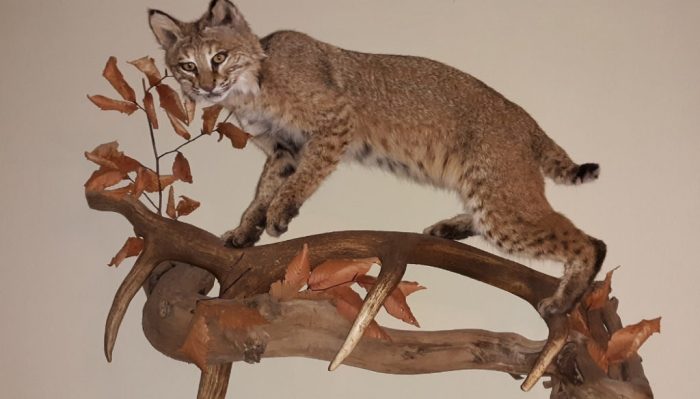
The future of taxidermy is undeniably bright, blending artistry, technology, and sustainability in innovative ways. As we’ve seen, the field is not merely preserving specimens; it’s evolving into a dynamic art form with a renewed commitment to ethical and environmental responsibility. The integration of technology, coupled with a focus on artistic expression and conservation, promises a future where taxidermy plays a significant role in celebrating and protecting biodiversity.