Taxidermy, the art of preserving animal specimens, is more than just stuffing animals; it’s a fascinating blend of science and artistry. Understanding the underlying scientific principles is crucial for creating realistic and long-lasting displays. This exploration delves into the key concepts, from the precise methods of preservation and anatomical reconstruction to the artistic finishing touches that bring these specimens to life.
This journey into the science of taxidermy unveils the intricate processes involved in transforming a deceased animal into a lifelike representation. We will examine the various techniques used in skinning, tanning, and mounting, highlighting the importance of accurate anatomical form and lifelike posing. Further, we will delve into the artistic aspects, exploring how meticulous attention to detail, from feather and fur arrangement to eye painting, contributes to the final realism.
Preservation Techniques in Taxidermy
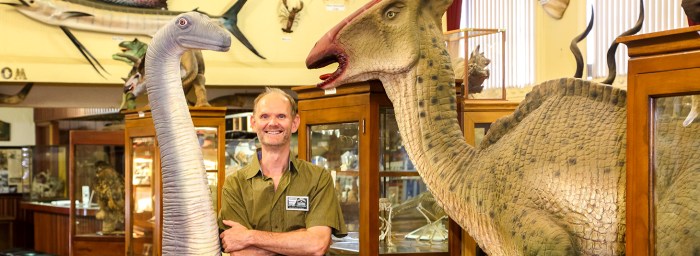
Proper preservation is paramount in taxidermy, ensuring the longevity and aesthetic quality of the finished piece. The process involves careful skinning, fleshing, tanning, and the application of preservatives to prevent decay and insect infestation. Success hinges on meticulous attention to detail at each stage.
Skinning and Fleshing Animal Specimens
Skinning techniques vary depending on the animal’s size and species. Small animals might be skinned using a small incision along the belly, while larger animals often require a more extensive incision extending from the underside of the jaw to the tail. The skin is carefully peeled away from the underlying muscle and fat, taking care to avoid tearing or damaging the hide. Fleshing involves the removal of all remaining muscle tissue, fat, and connective tissue from the inside of the skin. This is typically done using a fleshing knife, a specialized tool with a sharp, curved blade. Careful fleshing is crucial for preventing decay and ensuring the hide is properly prepared for tanning. Improper fleshing can lead to bacterial growth and ultimately ruin the specimen.
Tanning Hides
Tanning is a crucial step in preserving the hide, converting it from a perishable material to a durable, lasting one. Several methods exist, each with its advantages and disadvantages. Traditional methods often involve the use of natural tannins derived from plant materials like oak bark or sumac. These methods are generally slower but produce a more environmentally friendly result. Modern methods often utilize chemical tanning agents, such as chromium sulfate, which are faster but can have environmental drawbacks.
The process generally involves soaking the hide to rehydrate it, followed by the application of the tanning agent. The hide is then neutralized to stop the tanning process and finally oiled to soften and condition it. The choice of tanning method depends on factors such as the type of animal, the desired outcome, and the budget. Chromium tanning, for instance, is known for its speed and durability, while vegetable tanning offers a more natural, albeit slower, process.
Preservative Application
After tanning, preservatives are applied to further protect the hide from insect damage and decay. Common preservatives include borax, arsenic, and various commercial taxidermy preservatives. These are applied by dusting or spraying the inside of the skin, ensuring complete coverage. Proper ventilation is important during this stage to allow the preservatives to fully penetrate the hide. The application method and the specific preservative used will depend on the animal and the overall preservation strategy. Following the manufacturer’s instructions is vital to avoid damaging the hide or creating health hazards.
Comparison of Preservation Techniques
| Technique | Pros | Cons | Cost |
|---|---|---|---|
| Traditional Vegetable Tanning | Environmentally friendly, durable, natural look | Time-consuming, requires specialized skills | Moderate to High |
| Chromium Tanning | Fast, durable, cost-effective | Environmental concerns, potential health risks | Low to Moderate |
| Commercial Taxidermy Preservatives | Easy to use, effective against insects and decay | Can be expensive, potential health risks if mishandled | Moderate to High |
| Borax/Arsenic (historical methods) | Effective preservatives (historically) | Toxic, hazardous to handle, generally avoided today due to safety concerns | Low (materials) but high (safety precautions) |
Forming and Mounting the Specimen
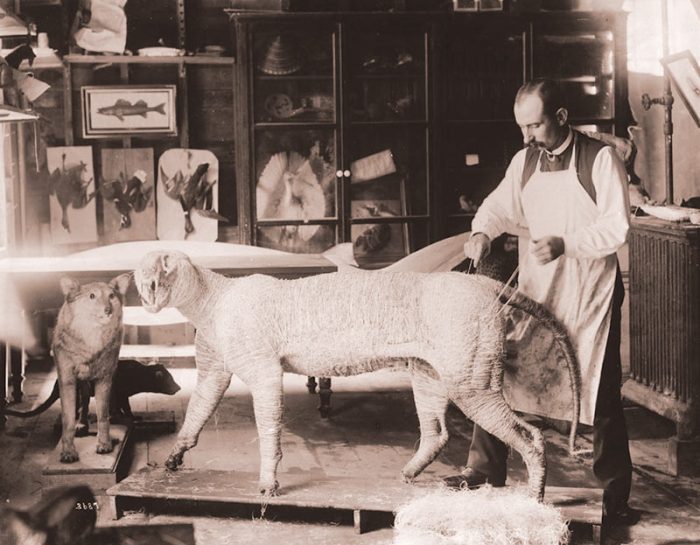
Creating accurate anatomical forms is paramount in taxidermy; a poorly formed base will inevitably lead to an unrealistic and ultimately unsatisfactory final product. The form acts as the skeleton, providing the structure upon which the skin and other features are carefully placed and manipulated to achieve a lifelike representation of the animal. The process involves careful consideration of the animal’s musculature, posture, and overall proportions.
The methods used to pose and position the animal are crucial for creating a believable and aesthetically pleasing mount. Careful observation of photographs and anatomical references are essential in determining the correct posture, limb placement, and overall stance. The goal is to capture a natural and dynamic pose, avoiding stiff or unnatural positions. Experienced taxidermists often use reference materials such as skeletal diagrams and photographs of live animals to ensure accuracy.
Form Creation Techniques
Various materials can be used to create the forms that support the taxidermied animal. Foam, commonly polyurethane foam, is a popular choice due to its ease of carving and shaping. It allows for precise sculpting of muscle groups and anatomical details. Alternatively, clay, particularly oil-based clay, provides a more malleable material suitable for fine detailing and adjustments. The chosen material depends on the size and complexity of the animal and the taxidermist’s skill and preference. Larger animals often require a combination of materials for support and detail. For example, a large deer form might have a foam core for the body with clay used to refine the musculature and facial features.
Mounting a Bird Specimen
The following steps illustrate the process of mounting a bird specimen. This is a simplified representation and specific techniques may vary depending on the species and the taxidermist’s preferred methods.

Imagine a diagram showing the following steps:
Step 1: Form Preparation: A pre-made foam bird form, sized appropriately for the specimen, is selected. Any excess foam is carefully trimmed away to match the size and shape of the bird’s body.
Step 2: Skin Application: The tanned and prepared bird skin is carefully positioned over the form, ensuring the wings, legs, and tail are correctly aligned. Any wrinkles or folds in the skin are smoothed out.
Step 3: Wing and Leg Placement: The wings are positioned naturally, considering the bird’s flight posture. The legs are carefully articulated and wired to maintain the desired pose.
Step 4: Head and Neck Positioning: The head and neck are meticulously positioned, taking care to replicate the natural curve and alignment. The beak is adjusted for accuracy.
Step 5: Sewing and Finishing: The skin is carefully sewn along the ventral midline, using fine thread to create an almost invisible seam. Any remaining adjustments are made to the pose and overall appearance. The eyes are carefully inserted.
Artistic Aspects and Finishing Touches
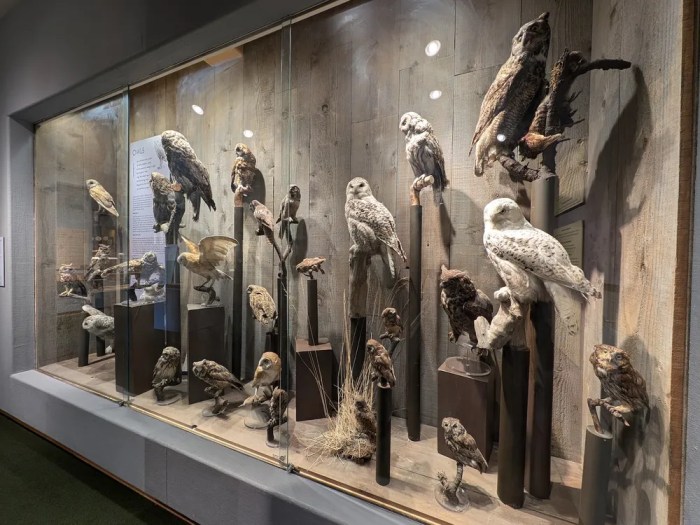
Creating a truly lifelike taxidermied specimen goes beyond the technical aspects of preservation and mounting. The artistic finishing touches are crucial in transforming a preserved animal into a compelling piece of art that captures its essence and beauty. This stage demands meticulous attention to detail, a keen eye for realism, and a steady hand.
Realistic taxidermy hinges on several key elements. Achieving a natural posture is paramount; the animal should appear relaxed and comfortable, not stiff or unnatural. The expression in the eyes and mouth is equally important; a correctly rendered expression can convey a sense of alertness, calmness, or even playful curiosity. Finally, the arrangement of fur or feathers is critical; attention must be paid to the texture, direction, and overall flow to create a lifelike appearance. Incorrect placement can make even the most meticulously preserved animal look artificial.
Eye Painting and Fine Detailing
Painting the eyes is one of the most crucial aspects of achieving realism. The eyes are the windows to the soul, and lifeless, poorly painted eyes can ruin an otherwise perfect mount. High-quality acrylic paints are commonly used, allowing for precise application and blending. The process involves carefully recreating the subtle variations in color and texture found in a living animal’s eye, including highlights and reflections. This often requires multiple layers of paint to build depth and realism. Beyond the eyes, other fine details such as whisker placement, the subtle variations in fur color, and even minor blemishes or scars can be added to enhance the overall realism and individuality of the piece. These small touches significantly contribute to the final product’s believability.
Creating a Natural-Looking Habitat Base
The habitat base plays a significant role in showcasing the mounted specimen. A well-crafted base complements the animal, enhancing its natural beauty and providing context. The type of base will depend on the animal and its natural habitat. For example, a bird of prey might be displayed perched on a realistically sculpted branch set against a backdrop of carefully chosen foliage. A deer might be mounted in a woodland scene with meticulously arranged plants and perhaps a small stream. The materials used can range from natural elements like wood, rocks, and plants to artificial materials designed to mimic natural textures and colors. The key is to create a harmonious and believable scene that doesn’t detract from the animal itself.
Final Finishing Touches and Preservation
The final steps involve meticulous cleaning and preservation to ensure the longevity of the finished piece. These steps are essential for maintaining the quality and realism of the taxidermy.
- Thorough Cleaning: Remove any dust, debris, or excess adhesive from the mount and base. A soft brush and compressed air are useful tools for this step.
- Final Inspection: Carefully examine the entire piece for any imperfections, such as loose hairs or feathers, or areas that require additional detailing or touch-ups.
- UV Protection: Apply a UV-protective coating to the specimen and base to prevent fading from sunlight exposure. This is particularly important for specimens with vibrant colors.
- Dusting and Maintenance: Regularly dust the piece with a soft brush or cloth to prevent the accumulation of dirt and debris. Avoid using harsh chemicals or abrasive materials that could damage the specimen.
- Proper Storage: Store the completed piece in a cool, dry environment away from direct sunlight and excessive humidity to prevent damage and deterioration.
Epilogue
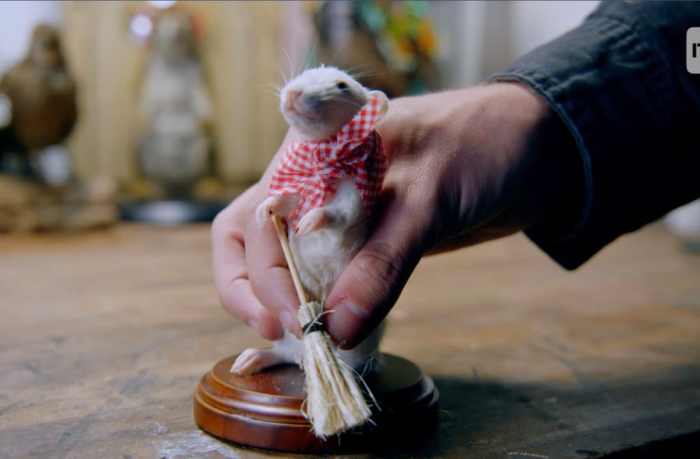
Mastering taxidermy requires a delicate balance of scientific precision and artistic skill. From the initial preservation techniques that ensure longevity to the final artistic touches that breathe life into the specimen, each step is crucial in creating a compelling and enduring piece. By understanding the science behind the process, taxidermists can achieve truly remarkable results, preserving animals for generations to come and sharing their beauty and unique characteristics with the world. The meticulous attention to detail, coupled with a deep respect for the animal subject, results in a powerful testament to the artistry and scientific understanding involved.